
The Ivy Wedding Venue: Spaces and Planning Guide
If you’re considering the Ivy wedding venue in Flowood, Mississippi, you’ll find a reception hall and carriage house on seven secluded acres.
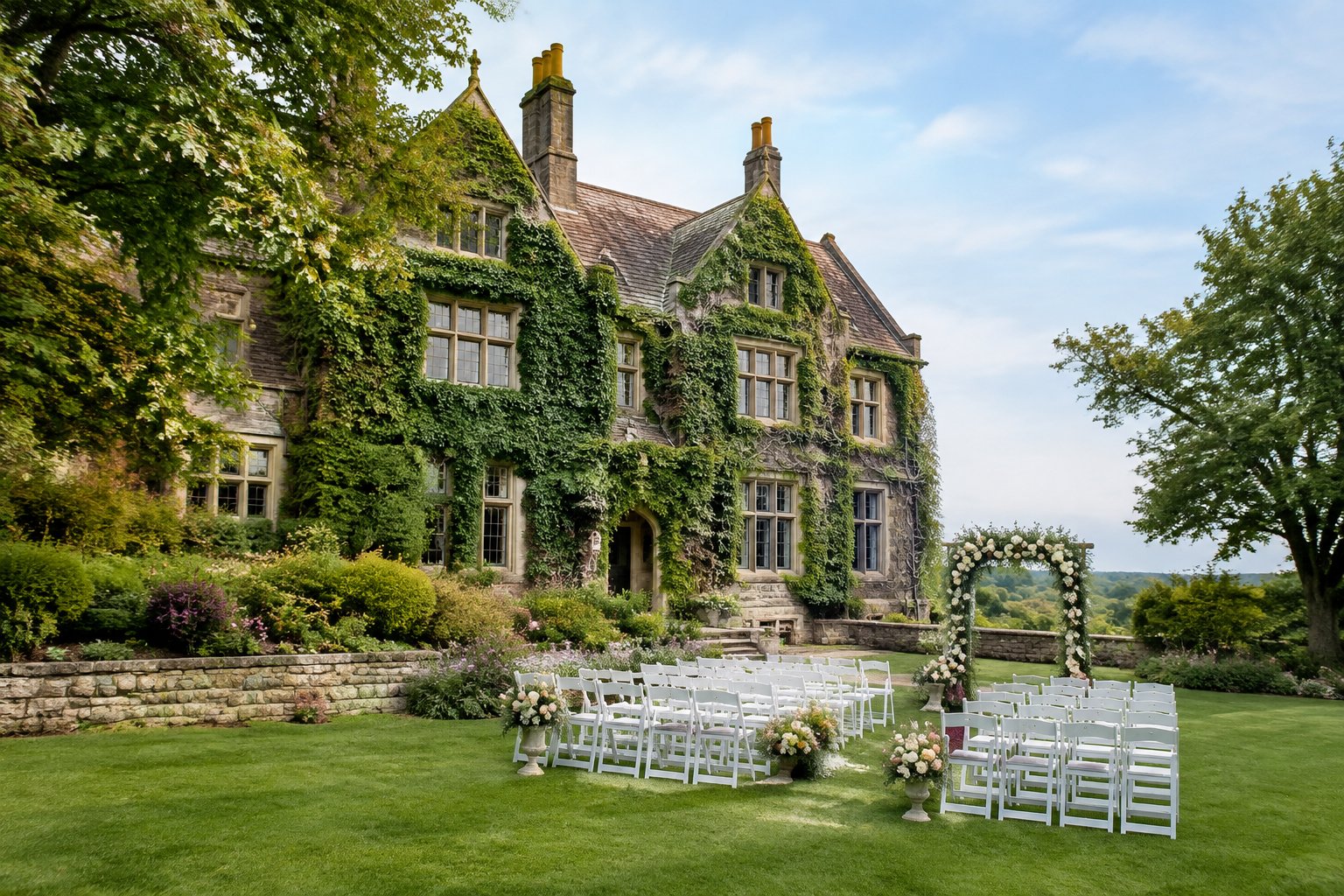
The property gives you room to plan an indoor celebration, an outdoor ceremony, or a mix of both. Ask the venue team about touring the grounds so you can see how each space could fit your guest list and plans.
What Makes This Wedding Setting Distinctive?
The secluded acreage gives your celebration a private, garden-centered feel while the buildings provide indoor options. With your choice of formal or nature-led details, you can shape the setting around the mood you want.
How Does the Private Estate Feel Shape the Celebration?
The property’s seven acres give you breathing room for a ceremony, portraits, and time with guests. That separation from nearby activity can make the day feel more personal, especially when you use the outdoor areas as part of the celebration.
As you plan, consider how you want guests to experience the grounds. You might use an outdoor ceremony spot for vows, then welcome everyone inside for dinner and dancing. If greenery is central to your vision, exploring garden wedding venues can help you refine the details you want to see on site.
What Details Give the Property Its Southern Character?
The Flowood location and open grounds give you a natural starting point for Southern-inspired styling. You can bring in seasonal flowers, soft candlelight, and warm colors to build a welcoming look that suits the property.
Keep your choices connected to the setting. Greenery, natural textures, and personal family details can complement the grounds without requiring elaborate décor.
During a tour, ask which outdoor areas are available for your event and how the venue handles ceremony setups.
Which Spaces Can Couples Use?
The property centers on a reception hall, a carriage house, and a shaded lawn, giving you distinct ways to plan your event. Your tour can help you compare the spaces and confirm how each one fits your expected attendance.
What Is the Main Reception Hall Like?
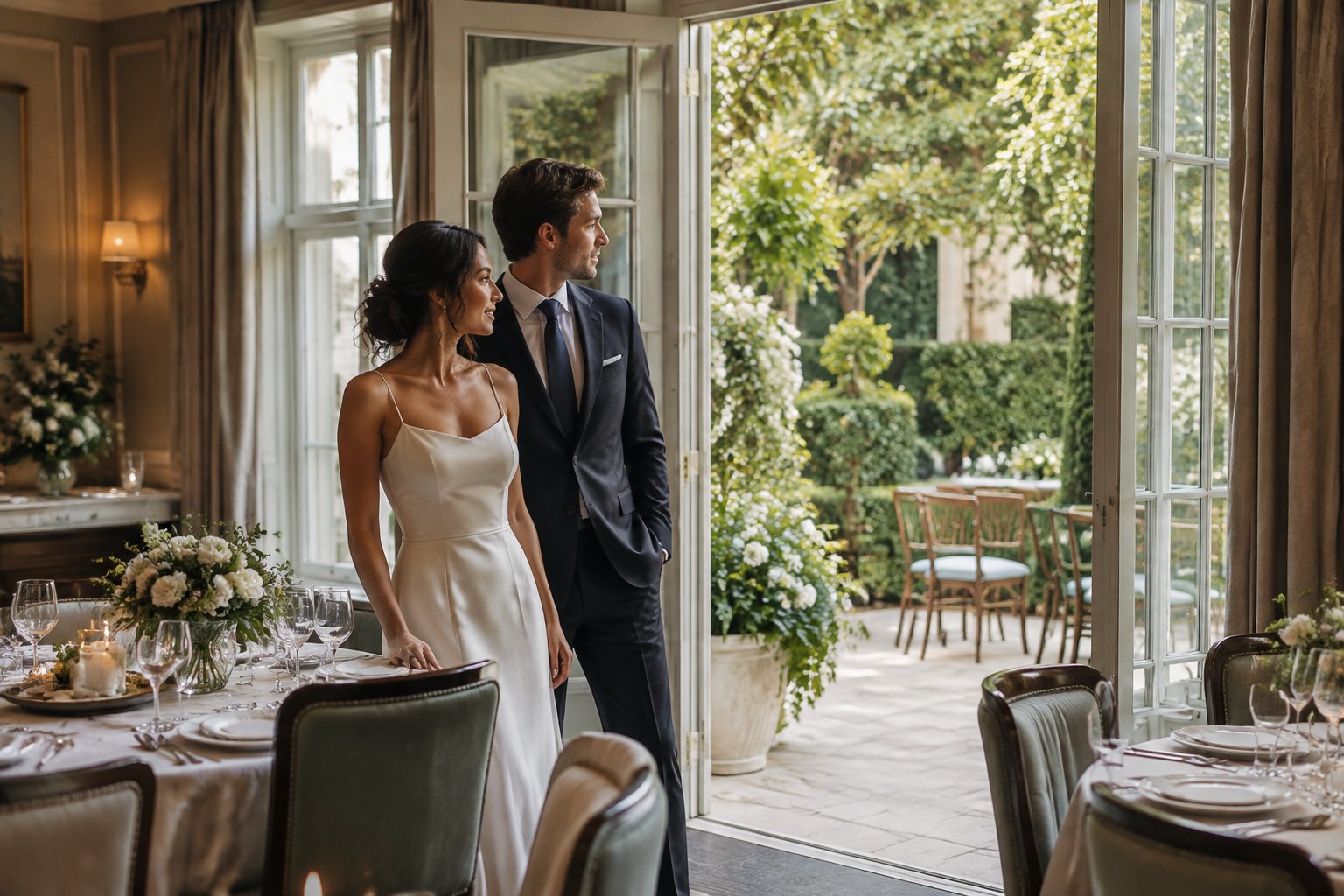
The reception hall gives you an indoor setting for dinner and dancing. Ask the venue team about its layout, guest capacity, included furnishings, and any décor or lighting options.
Those details will help you decide how to arrange tables, the dance floor, and any special areas for speeches or family traditions. If you have a specific floor plan in mind, bring it to your site visit.
Confirm where guests enter and how staff manage setup and room transitions. You can then assess whether the reception space supports the event you have planned.
How Does the Carriage House Differ?
The carriage house gives you a second building to discuss when you plan your wedding day. Ask whether it is available for your date and what uses the venue permits.
A separate building might suit a getting-ready area, a smaller gathering, or another part of your event, depending on its approved use and capacity. Clarify the practical details before assigning it a role.
Check its access, furnishings, restrooms, and distance from the reception hall so you can plan guest movement and vendor needs.
What Can Couples Do With the Shaded Lawn?
The shaded lawn gives you an outdoor option for a ceremony or a relaxed gathering. You can shape the space with an arch, simple chairs, and flowers that echo the surrounding greenery.
For more ways to plan a ceremony outdoors, browse these outdoor wedding ceremony ideas. Ask about the lawn’s capacity, ceremony setup, and weather backup.
Check whether the shade changes during your planned ceremony time, and confirm what happens if rain or heat affects the outdoor plan.
How Can the Ceremony and Reception Flow Across the Property?
A clear schedule and guest route help your ceremony, cocktail hour, and reception feel connected. Plan the movement between outdoor areas and the buildings with the venue team before you finalize timing.
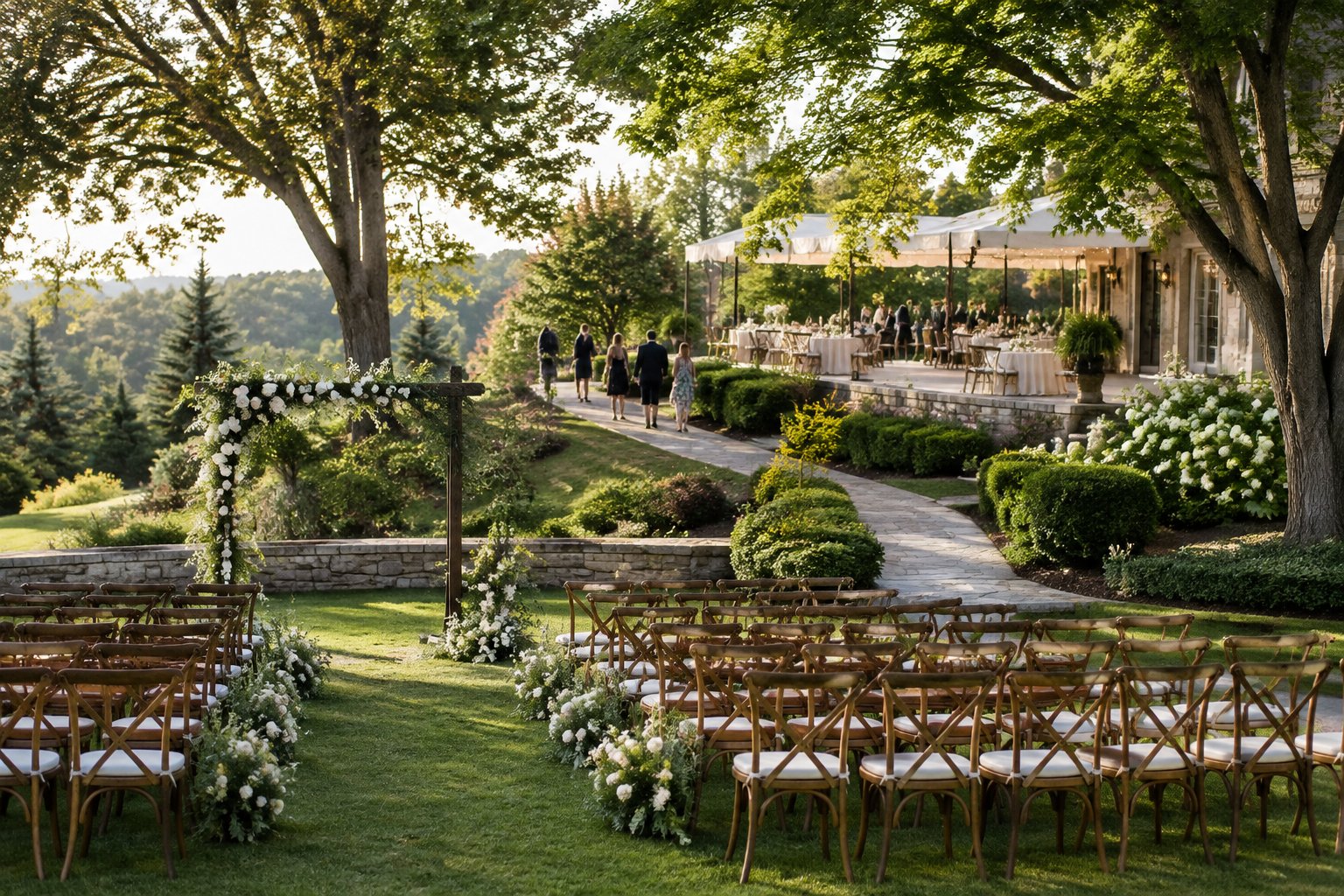
You can use the property’s separate spaces to give each part of the day its own setting. Walk the route with your coordinator and consider how long guests will need to move between locations.
How Might Couples Use the Indoor and Outdoor Areas?
You might hold the ceremony on the lawn, welcome guests to an indoor cocktail hour, then serve dinner and host dancing in the reception hall. Another plan could place cocktails outside before everyone moves indoors.
Your schedule, season, and venue rules will shape the best sequence. Set aside time for portraits and room preparation if staff need to reset a space between events.
A detailed wedding reception flow can help you map the order of key moments, from guest arrival to the last dance.
What Should Be Coordinated Between the Two Buildings?
Coordinate the guest route, vendor access, and event timing if you plan to use both buildings. Confirm which spaces are open to guests and when, and ask who will guide people between locations.
Clear signs and staff direction can help guests find the next part of the celebration. Also check how music, food service, and accessibility work across the property.
If a guest needs step-free access or extra time to move between areas, build that into the schedule and confirm the route during your tour.
What Should Couples Confirm Before Booking?
Before you sign, confirm your date, total costs, guest capacity, and the services included in the agreement. Written answers make it easier to compare the venue with your priorities and plan your budget.
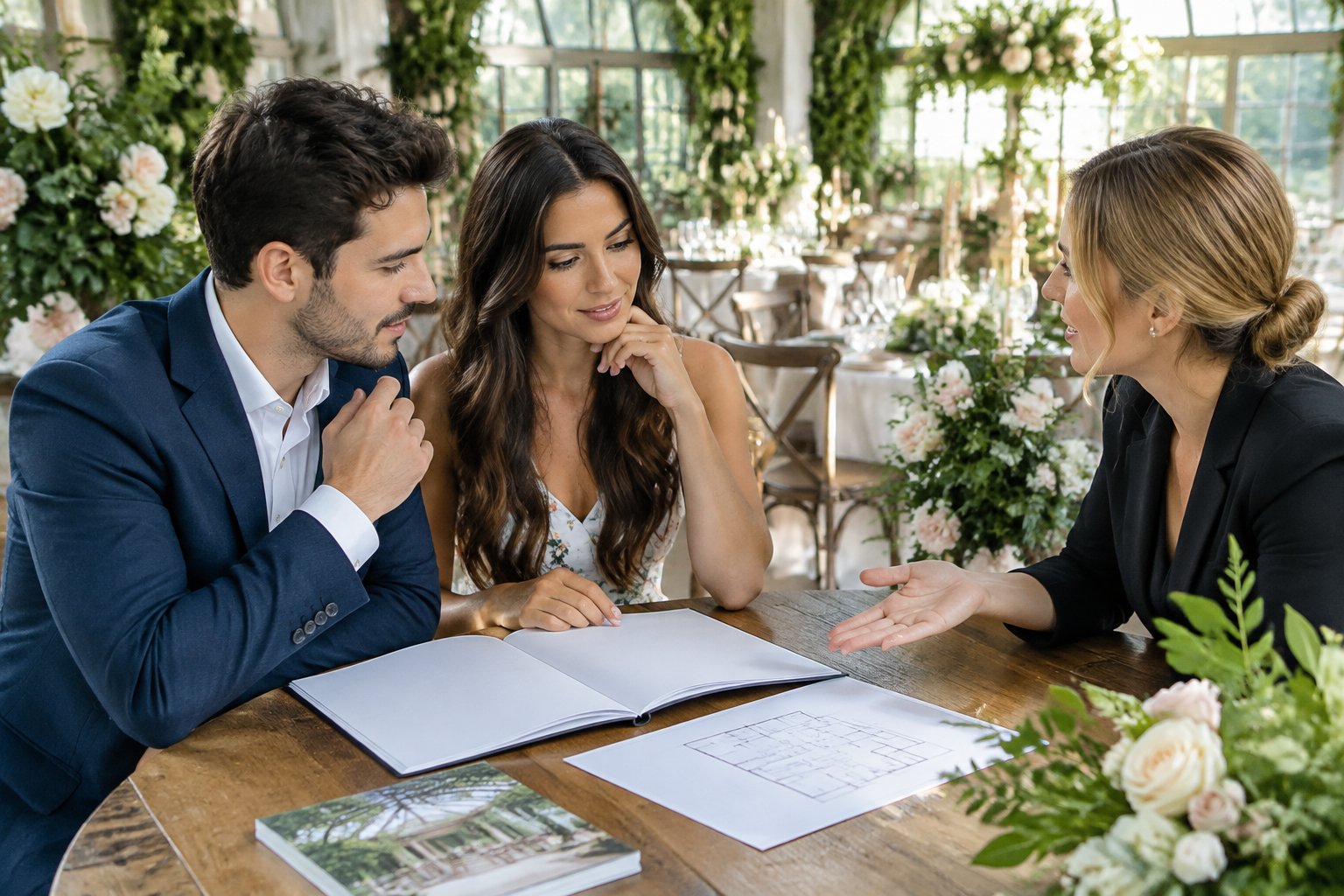
A venue visit helps you assess the layout, while the contract sets out the terms you will rely on. Review both with your partner and record any questions that still need answers.
How Can You Check Dates and Availability?
Contact the venue team with your preferred date and a few backup options. Ask about the rental period, deposit, payment schedule, cancellation terms, and any additional fees.
If you have flexibility, ask whether weekday or off-season dates are available. As you compare options, use a wedding location checklist to keep practical details in view, including travel, parking, and the guest experience.
Make sure the dates and prices you discuss appear in the written agreement.
What Questions Should You Ask About Your Guest List and Plans?
Ask how many guests each space can hold for your planned setup, then confirm the number in writing. A seated dinner, ceremony, and cocktail-style event may call for different layouts, so share your expected guest count and event plan with the venue team.
Also ask what the rental includes, which vendors you may hire, and how food and beverages are handled. Confirm the weather backup for outdoor events, the setup and cleanup window, and any sound or décor rules before you book.
How Can You Match the Venue to Your Wedding Style?
You can match the property to a formal celebration or a nature-led design by choosing details that work with its buildings and grounds. Start with the mood you want guests to feel, then select décor and a layout that support it.
When Might a Stately Celebration Feel Right?
A stately style suits you if you want a polished reception with formal attire, structured tables, and carefully chosen floral arrangements. Use the reception hall as the visual anchor, then carry your colors and table details into any other spaces you use.
If you are still shaping your vision, start with a wedding style guide and note the colors, textures, and atmosphere you prefer. Bring those notes to your venue visit and ask how the hall’s existing features work with your plans.
How Can You Create a More Natural, Woodsy Atmosphere?
For a natural look, draw from the grounds with leafy arrangements, wood accents, and soft lighting. Keep the palette close to the surrounding greens and add personal touches through place cards or family keepsakes.
Use the lawn for an outdoor gathering if the venue confirms it suits your guest count and ceremony plan. Ask what décor is allowed outside and how the venue handles weather changes, then choose pieces that can move indoors if your plan needs to shift.