
What A Level Do You Need to Be a Wedding Planner? Discover the Essentials for Your Career Path
Becoming a wedding planner can be an exciting journey filled with joy and creativity. You don’t need a specific degree to enter the wedding industry, but having a background in hospitality or event planning can be helpful. Many successful planners start with a passion for helping couples create memorable days and learn on the job.
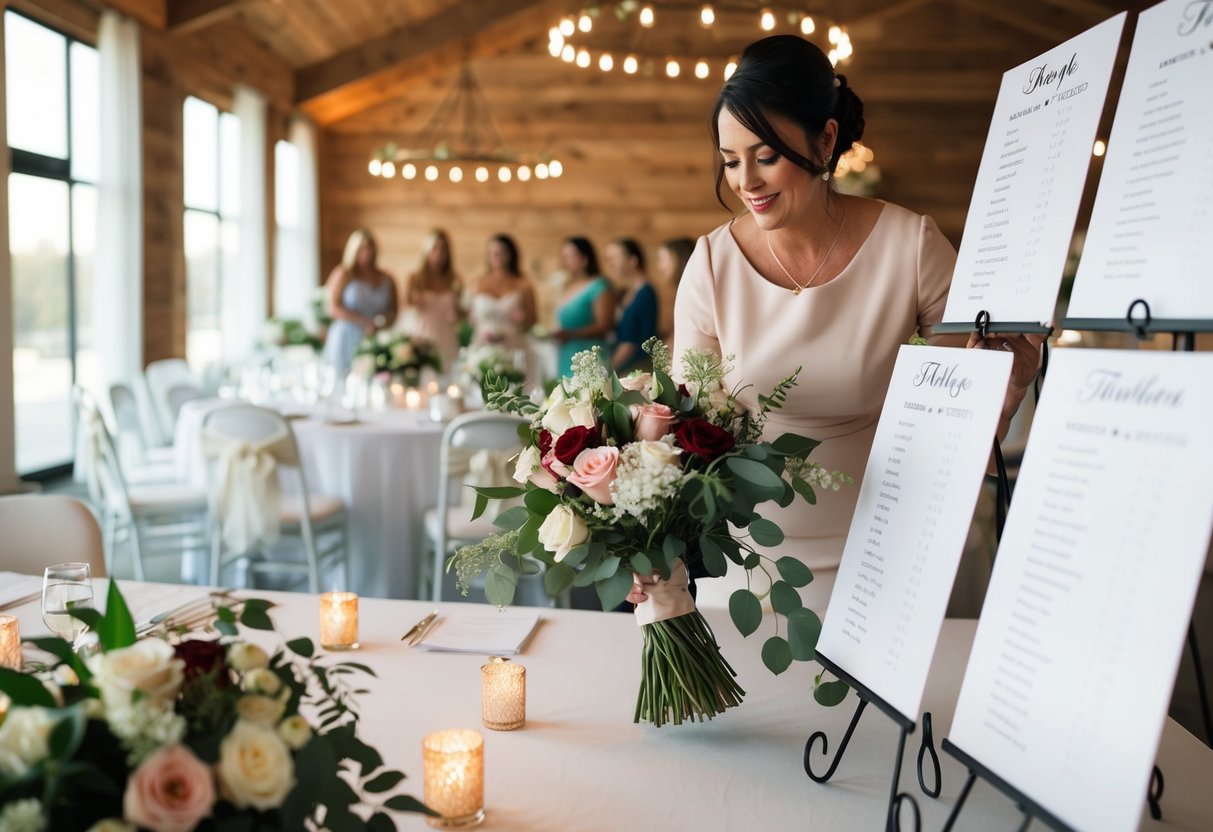
While formal education is not a requirement, taking courses in wedding planning can give you an edge. These courses often cover essential skills like budgeting, vendor coordination, and managing logistics. Understanding the details of planning a wedding can make a significant difference in your success as a planner.
What matters most is your ability to communicate effectively and organize tasks efficiently. If you’re passionate about planning a wedding and enjoy working with people, you can thrive in this field, even without prior experience.
Educational Pathways to Becoming a Wedding Planner

If you want to become a wedding planner, knowing the right educational routes is key. Your path can vary based on your goals, whether you aim for certification, a degree, or specialized training.
Understanding the Basics of Event Planning
Starting with basic event planning skills is important. You should develop skills in organization, budgeting, and communication. These skills will help you when coordinating different aspects of a wedding.
Many community colleges offer introductory courses in event planning. These courses can give you a good foundation and help you decide your next steps. Plus, networking with classmates and instructors can open doors in the industry.
Higher Education and Specialized Degrees
While a college degree is not strictly necessary, many planners hold at least an associate or bachelor’s degree. An associate degree can be quite affordable, ranging from $5,000 to $15,000 at schools like SUNY Farmingdale or Oklahoma Wesleyan University.
A bachelor’s degree in hospitality, business, or a related field can enhance your expertise. Institutions such as Cornell, Northwestern, and Stanford offer strong programs that prepare you for this field. Earning a degree shows potential clients you are serious and knowledgeable.
Certification and Continuing Education
Gaining certification can set you apart in the wedding planning arena. Programs for a wedding planning certification typically cost between $150 and $400. This investment can significantly improve your marketability.
Becoming a certified wedding planner can also provide credibility. Organizations like the American Association of Certified Wedding Planners offer certification programs. Continuing education is crucial as trends in weddings can change rapidly, ensuring you stay current and competitive.
Skills and Experience Required for Wedding Planning

To become a successful wedding planner, you need a blend of core skills and practical experience. Focusing on planning, budgeting, and communication will help you excel in this exciting field.
Core Planning and Organizational Skills
As a wedding planner, your planning and organization skills are crucial. You’ll handle multiple tasks, including venue selection, vendor coordination, and scheduling.
A clear timeline is essential for each wedding event. You’ll create checklists to manage everything from invitations to seating arrangements. Keeping everything on track ensures a smooth experience for the couple and their guests.
Internships with wedding planning firms can provide valuable hands-on experience. This exposure helps you understand the workflow and the nuances of coordinating various elements of a wedding.
Budgeting and Negotiation Expertise
Budgeting is a key aspect of wedding planning. You’ll need to create a detailed financial plan that meets the couple’s needs while staying within their budget. This involves estimating costs for each item, from the venue to the catering.
Effective negotiation skills are just as important. You will often deal with vendors, securing the best prices and services. Learning how to negotiate can save clients money and ensure they get the most value for their budget.
Knowing how to allocate funds wisely is crucial. Attend workshops or read up on budgeting strategies to sharpen your skills.
Interpersonal and Communication Proficiency
Your interpersonal skills will set you apart in this field. Building relationships with clients, vendors, and guests is vital.
Effective communication is key to understanding the couple’s vision and preferences. You’ll also act as a liaison between various parties, making it essential to convey information clearly.
Being approachable and friendly helps you build trust. Clients will feel more comfortable sharing their ideas and concerns, making the planning process smoother.
You’ll also need to manage public relations, ensuring that any issues are handled gracefully. Your ability to respond to changes and challenges with ease is a valued trait in wedding planning.
Launching Your Wedding Planning Business

Starting your own wedding planning business can be exciting and rewarding. You’ll need a solid foundation in several important areas. Focusing on your business plan, marketing your services, and building strong relationships in the event industry is key to your success.
Developing a Solid Business Plan
Your business plan is like a roadmap for your wedding planning venture. It should outline your goals, target market, and strategies for growth. Include details like startup costs, which can range from $5,000 to $15,000.
Make sure to define your unique selling points. Think about what makes your services special. This will help you stand out in a crowded market.
Also, consider your pricing structure. Are you charging a flat fee, hourly rate, or percentage of the wedding budget? Clear pricing helps both you and your clients.
Marketing Your Wedding Planning Services
Marketing is crucial in getting your name out there. Start by building a strong online presence. Create a professional website showcasing your services, past events, and testimonials from happy clients.
Social media platforms like Instagram and Pinterest are great for promoting your work. Share photos of weddings you’ve planned, and engage with potential clients. Use paid advertising options to reach more customers and promote special offers.
Don’t overlook traditional marketing methods. Attend bridal shows and local events to meet prospective clients. Providing brochures that outline your services can help gain attention too.
Building Relationships within the Event Industry
Networking is essential for success in the wedding planning business. Developing relationships with reliable vendors, like caterers, photographers, and florists, can enhance your services.
Consider joining local event planning groups. These connections can lead to referrals and insight into the latest trends.
It’s important to maintain good communication and trust with your partners. A solid reputation among vendors can also boost your credibility with clients.
Professional Associations and Networking

Getting involved in professional associations and networking is essential for your growth as a wedding planner. You can gain valuable insights, resources, and connections that help you build a successful career. This section discusses the benefits of joining industry organizations, attending networking events, and pursuing continued learning opportunities.
Membership in Industry Organizations
Joining industry organizations like the American Association of Certified Wedding Planners helps you connect with experienced professionals. These organizations often provide access to certification programs that enhance your skills and credibility.
By becoming a member, you’ll find resources such as industry reports, templates, and guides. These can help streamline your processes and improve your services. Membership also offers chances for mentorship, where seasoned professionals can guide you in your career.
The Importance of Networking Events
Attending networking events is a great way for you to meet other wedding planners and professionals in the hospitality management field. These events may include workshops, seminars, and conferences that foster collaboration and sharing of ideas.
Building relationships with other planners allows you to learn from their experiences. You may discover new trends in event design or gather tips for creating memorable weddings. Networking can also lead to collaboration opportunities, where you can partner on projects or refer clients to each other.
Continued Learning and Collaboration
Participating in continued education is crucial in the fast-evolving event planning industry. You can take advantage of wedding planning courses, workshops, and certification programs that keep your skills sharp.
Staying updated on industry trends ensures you can meet the needs of different couples.
Collaboration with peers can also lead to innovative ideas. Sharing insights about venues, vendors, and client management helps everyone improve.
Involving yourself in these offerings expands your knowledge base, making you a more effective wedding planner for your clients.