
What Are the 3 Levels of Ordination? Understanding the Clergy Hierarchy
When you explore the Catholic Church, you might wonder about the structure of leadership within the faith. The process of ordination is central to this structure, involving a special sacrament known as Holy Orders. The three levels of ordination are deacons, priests, and bishops, each serving unique roles that support the Church and its mission.

As you dive deeper into this topic, you’ll discover how deacons assist in service and community outreach, while priests take on the sacramental duties and care for the congregation. Bishops, the highest level of ordination, oversee the diocese and ensure that the Church’s teachings are upheld. Understanding these roles can deepen your appreciation of the Catholic faith and its traditions.
Whether you’re curious about how these figures influence your local parish or interested in the significance of each ordination level, learning about Holy Orders can provide valuable insights. You’ll gain a clearer picture of how the Catholic Church operates and the importance of each role in nurturing the spiritual life of its members.
Understanding Ordination in the Catholic Church
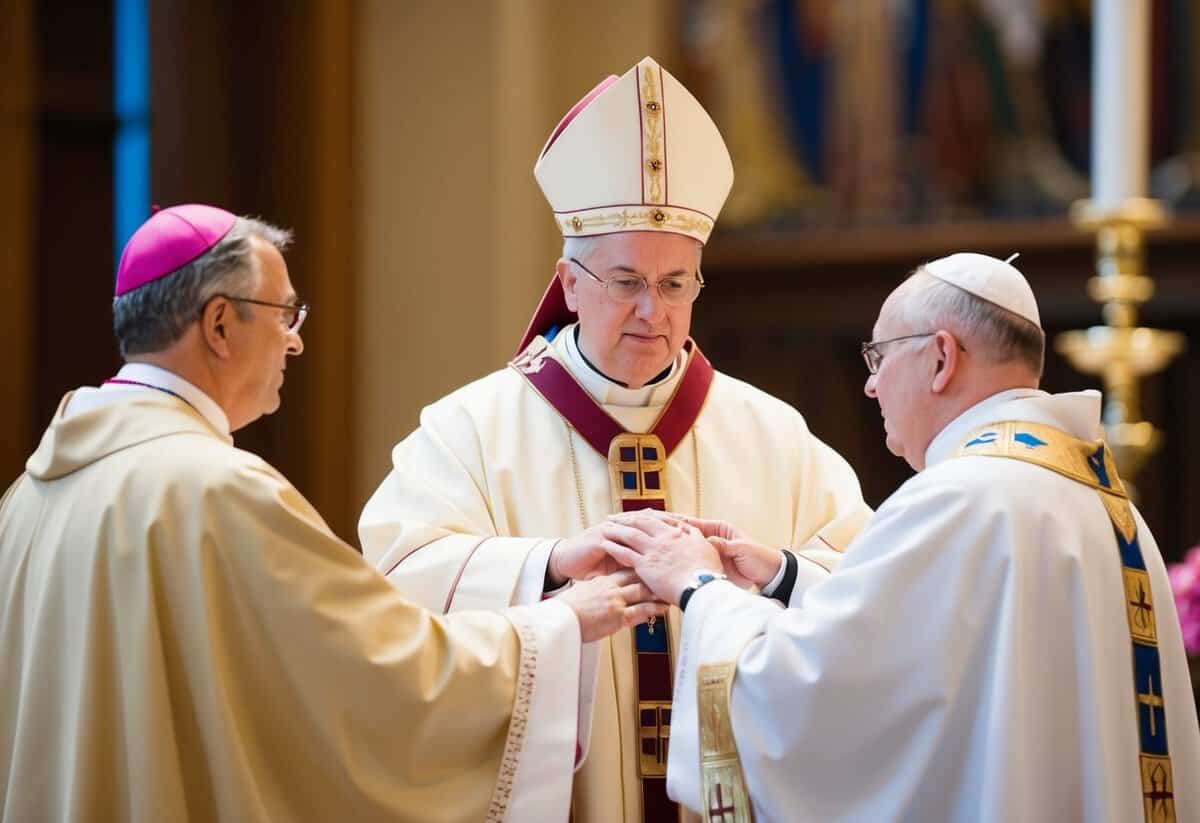
Ordination is a significant event in the Catholic Church that relates to the sacrament of Holy Orders. It involves the commissioning of individuals into different levels of church leadership, shaping their ministry and roles within the community.
The Sacrament of Holy Orders
The sacrament of Holy Orders is a vital part of Catholic doctrine. It is how men receive the grace and authority to serve as deacons, priests, or bishops. This sacrament is seen as a continuation of Christ’s mission through the Apostolic Succession.
During ordination, a bishop lays hands on the ordinands, symbolizing the passing of authority. Each level of ordination brings distinct responsibilities. For example, deacons often assist in liturgical services, while priests can perform sacraments like the Eucharist. Bishops hold the highest rank and oversee multiple parishes, ensuring that church teachings and practices align with established doctrine.
The Hierarchy of Church Leadership
The hierarchy of the Catholic Church is structured to provide organization and clarity. At the top is the Pope, followed by cardinals, bishops, priests, and deacons. Each level plays a crucial part in church governance.
- Pope: The leader of all Roman Catholics worldwide.
- Bishops: Responsible for overseeing a diocese and its priests.
- Priests: Serve local parishes and administer sacraments.
- Deacons: Assist priests, and may perform certain sacraments like baptism.
This structure helps maintain unity in the Church’s mission and beliefs, ensuring that the ministry is effective and aligned with its clergy. By understanding this hierarchy, you can appreciate how each role supports the larger church community.
The Diaconate: The First Level of Ordination
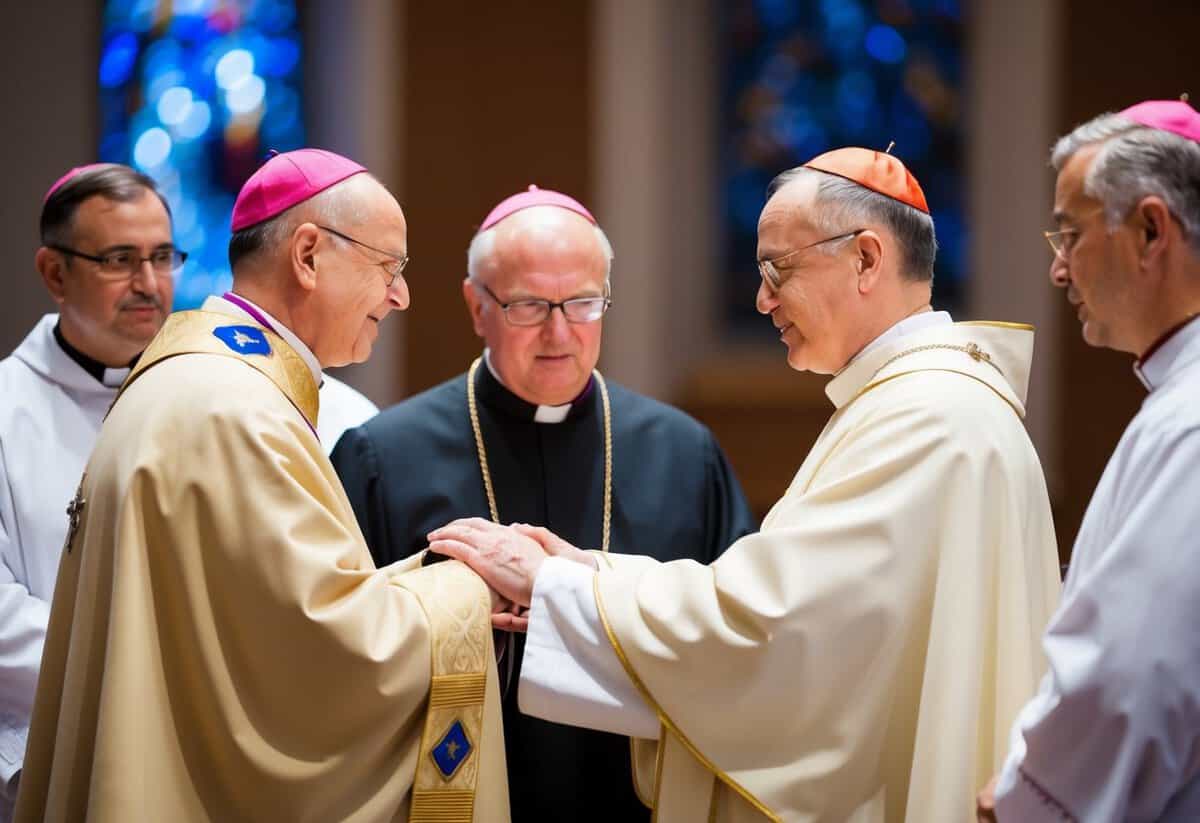
The diaconate is the first level of ordination in the Catholic Church. It plays an essential role in the Church’s structure and mission. Deacons assist priests and serve their communities through various ministries.
Role and Responsibilities of Deacons
Deacons have several important roles within the Church. They help with liturgical services, such as baptisms, weddings, and preaching. You might see them assisting during Mass or reading the Gospel.
In addition to these liturgical duties, deacons focus on charity and service. They often organize community outreach programs. This includes food drives, visiting the sick, and providing support to those in need.
Deacons can be either transitional or permanent. Transitional deacons are on their way to becoming priests. Permanent deacons may remain in this role, balancing their church duties with family and work life.
Diaconate in Practice
In practice, the diaconate is vital for community support. Deacons serve as a bridge between clergy and laity. Their presence enhances the Church’s outreach efforts and strengthens connections within the community.
The ordination process for deacons includes formation and training. This preparation helps deacons fulfill their duties effectively. They learn about theology, pastoral practice, and leadership.
Permanent deacons often engage in various ministries of charity. They provide crucial support that goes beyond the church walls. By actively engaging in their communities, deacons embody the Church’s mission of service and compassion.
The Presbyterate: Priests in the Catholic Church
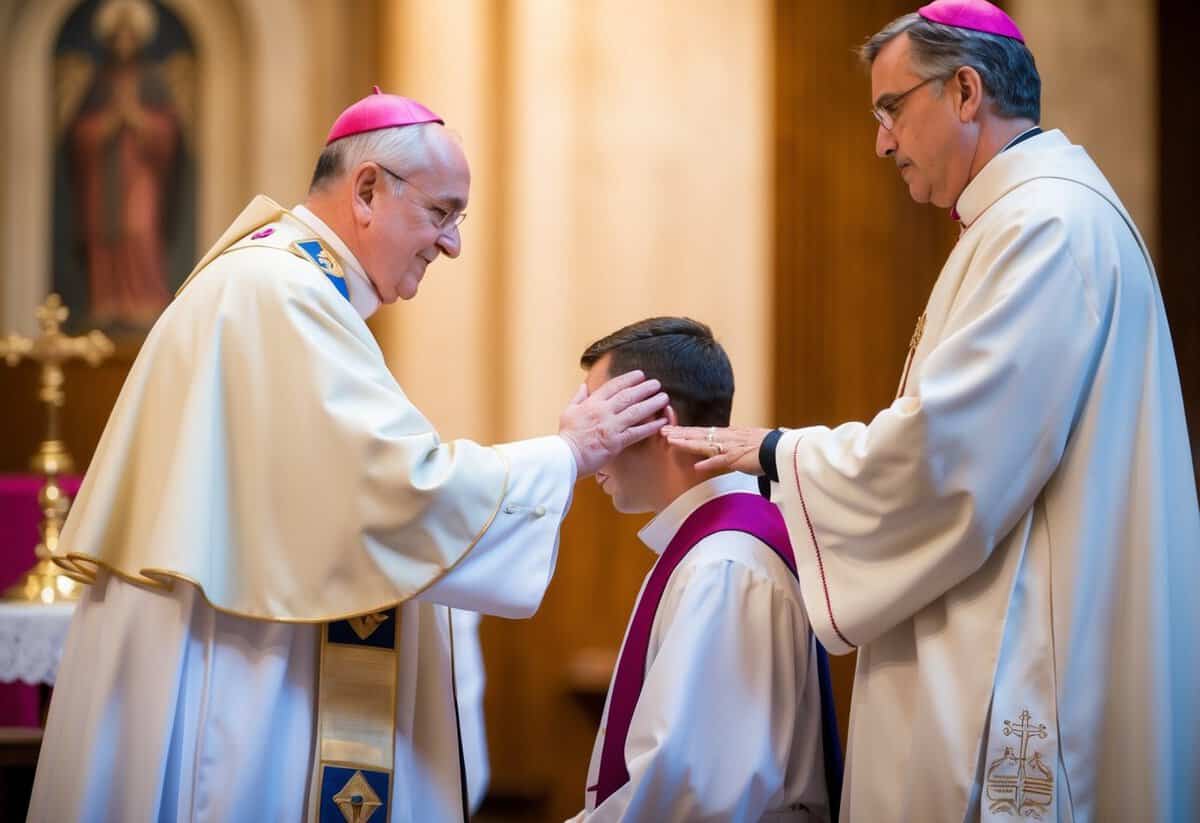
Priests are vital members of the Catholic Church, serving in the presbyterate. They are dedicated to spiritual leadership and provide important sacraments and care to the community. Their roles encompass a range of duties that help guide and support the faithful.
Sacramental Duties and Pastoral Care
As a priest, your primary role is to administer sacraments. This includes celebrating the Eucharist, which is central to Catholic worship. During Mass, you lead the congregation in prayer and offer the Body and Blood of Christ.
You also perform baptisms, allowing new members to enter the Church. Hearing confessions is another essential duty, providing a path for forgiveness and spiritual growth. By guiding people through these sacraments, you foster a deeper relationship with God in your community.
In addition to sacraments, priests engage in pastoral care. This involves visiting the sick, comforting the grieving, and providing spiritual counseling. Your presence in these moments is crucial for the emotional and spiritual well-being of those you serve.
The Life of Priests and Their Service
Being a priest involves a commitment to a life of service. Your day often begins early, filled with prayer and preparation for the day’s duties. You may teach in schools, lead youth groups, or provide support for various community needs.
Working closely with your parish community is essential. You build relationships that help you understand the needs of your congregation. This connection allows you to provide relevant teachings and support.
Balancing work and personal life can be challenging. Priests often find support through their fellow clergy and laypeople. Together, they form a community that strengthens faith and fosters collaboration in serving God’s people.
The Episcopate: The Apex of Holy Orders
The episcopate holds a special place within Holy Orders, representing the highest level of spiritual leadership in the Catholic Church. The roles and responsibilities of bishops extend beyond church administration; they play a vital part in maintaining unity among believers and guiding their communities.
Bishops’ Roles and Episcopal Consecration
As a bishop, you are a spiritual leader tasked with overseeing a diocese. This involves not just administrative duties, but also leading the faithful in worship and teaching. Bishops ensure that the sacraments are properly administered and that church teachings are upheld.
Episcopal consecration is the rite by which a bishop is ordained. During this sacred ceremony, the bishop receives special grace and authority. This rite includes the laying on of hands, symbolizing the passing of spiritual authority from the apostles.
Leadership and Unity Within the Church
Bishops play a crucial role in fostering unity within the Church. They serve as a bridge between the clergy and the laity, helping to maintain harmony in beliefs and practices. Your bishop leads by example, encouraging a spirit of collaboration and respect among the faithful.
Through gatherings such as synods and councils, bishops engage in dialogue and decision-making. These meetings help address issues facing the Church and ensure that you, as a member of the community, are heard. This sense of leadership inspires you to remain connected to your faith and to one another.