
What Are the 7 Stages of Event Planning? A Simple Guide for Your Next Success
Planning an event can be both exciting and overwhelming. Whether you are organizing a small gathering or a large corporate function, understanding the process is essential. The 7 stages of event planning outline the key steps you need to follow to create a successful event.
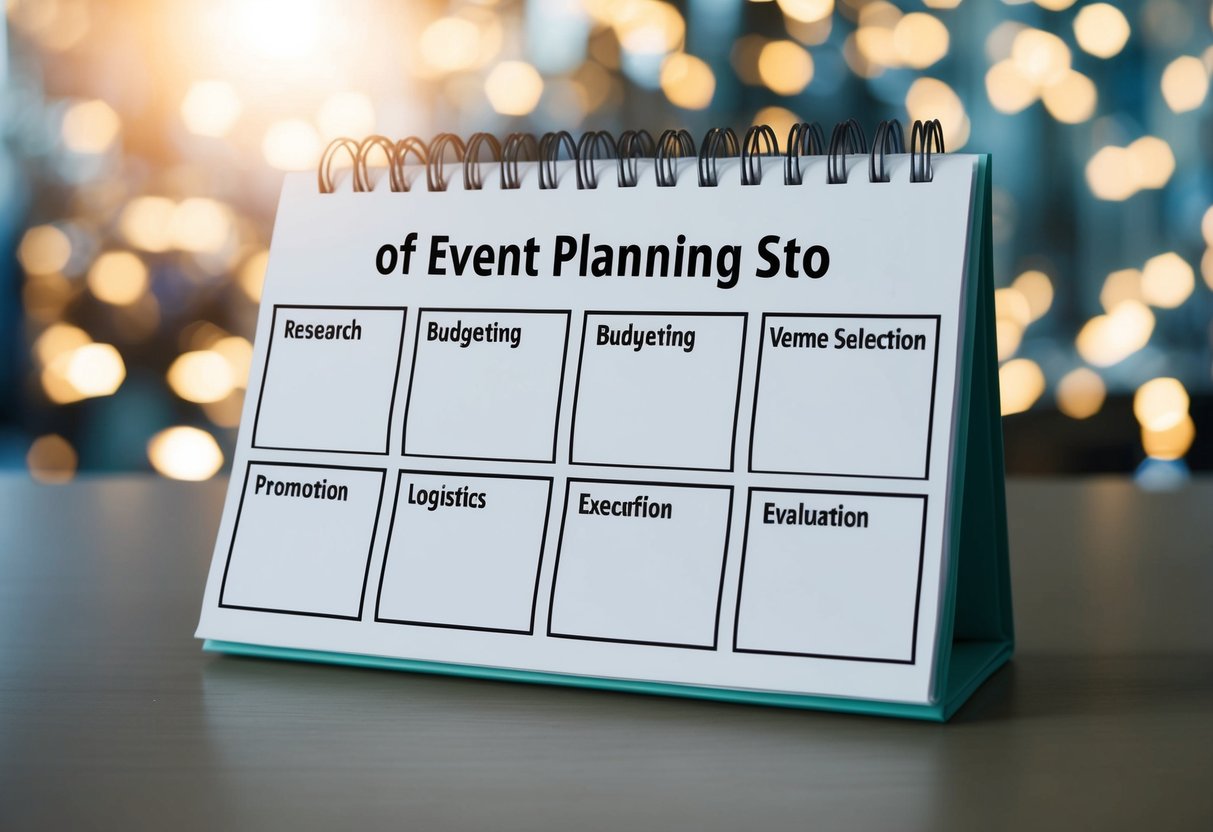
As you work through these stages, you’ll discover how to define your objectives, choose the right venue, and ensure everything comes together perfectly. Each step is designed to help you as an event planner tackle challenges and create memorable experiences for your attendees.
Get ready to dive into the details of each stage and learn how to navigate the event planning process with ease. By following these steps, you’ll be well on your way to hosting a fabulous event that meets your goals and impresses your guests.
Setting the Foundation
In planning an event, setting a solid foundation is crucial. This involves defining clear objectives and understanding who your target audience is. Both elements guide your planning process and contribute to a successful event.
Understanding Event Objectives and Goals
When you start planning, think about the specific objectives you want to achieve. Are you aiming to raise funds, build awareness, or celebrate a milestone?
Defining your goals helps you measure success later. For example, if your goal is to increase attendance, you can set specific numbers to aim for. This gives you a clear target to work toward.
Consider using the SMART criteria for your goals. Make them Specific, Measurable, Achievable, Relevant, and Time-bound. This ensures that your event stays focused and on track throughout the planning process.
Identifying the Target Audience
Knowing your target audience is key to engaging them effectively. Start with market research to gather information about their preferences and behaviors.
Ask yourself: Who are your attendees? What are their interests? Understanding this helps you tailor the event experience.
You can create attendee personas to visualize who you’re planning for. This includes their age, interests, and what they expect from your event.
Engaging your audience means offering them what they want. You can design activities and promotions that resonate with their interests. This will lead to a more enjoyable event experience and greater attendance.
Planning and Preparation
Planning and preparation are essential steps in organizing a successful event. By focusing on budgeting, venue selection, and building an effective event team, you can streamline the process and enhance the overall experience.
Budgeting and Financial Management
Start by creating a detailed event budget. List all potential expenses, including venue costs, catering, transportation, and event materials. It’s important to allocate funds for each item and be realistic about costs.
Consider using an event planning checklist to track your spending. This helps prevent overspending and ensures you stay within your financial limits. Don’t forget to include a buffer for unexpected costs, which often arise during event planning.
Effective budget management also means regularly reviewing expenses. By keeping close tabs on your budget, you can make adjustments when needed. Communication with vendors about payment schedules is also crucial. Stay organized and keep all financial documents in one place.
Selecting the Perfect Venue
Choosing the right venue is vital to your event’s success. Consider the types of events you’re hosting. Whether it’s a small workshop or a large conference, the venue should align with your objectives and needs.
Evaluate factors like location, capacity, and amenities. A venue should also offer logistics and operations support, such as parking and accessibility. You may want to visit potential sites to get a feel for the space.
Check for necessary equipment and services, like AV technology and catering. Aim for a venue that allows for effective vendor coordination. A well-chosen venue enhances the experience for your attendees.
Building an Effective Event Team
Your event team is critical for smooth execution. Begin by identifying key roles. This includes a project manager, coordinator, and volunteers. Each team member should know their specific responsibilities.
Focus on effective communication within the team. Regular meetings can keep everyone on the same page. This is important for time management and ensures tasks are completed on time.
Training volunteers ahead of the event also helps. Provide them with necessary information like logistics and emergency procedures. A well-prepared event team makes for a more enjoyable experience for attendees and a successful event overall.
Marketing and Promotion
Effective marketing and promotion are key to the success of your event. By focusing on creating a solid marketing plan, leveraging event management software, and designing appealing invitations, you can attract more attendees and ensure your event runs smoothly.
Crafting a Comprehensive Marketing Plan
Start by identifying your target audience. Knowing who you want to attract helps you shape your message and choose the right channels. Consider using a mix of online and offline tactics.
Think about social media, email marketing, and local advertising. Set clear goals and deadlines for each marketing activity.
Outline your budget to avoid overspending. Track your results and make adjustments as needed. This approach will keep your marketing focused and effective.
Utilizing Event Management Software
Event management software can simplify many tasks. Use it to streamline registration, track RSVPs, and collect payments. This saves you time and reduces errors.
Look for features that allow you to send automated reminders and updates. Such tools can help attendees stay informed about important details.
Some platforms also offer analytics, which help you gauge interest and plan future events.
Investing in the right software makes every aspect of your planning more manageable.
Designing Invitations and Event Branding
Your invitations and branding are your first impression. Create eye-catching invitations that reflect the theme of your event. Use consistent colors, fonts, and images to build a cohesive look.
For digital invitations, consider interactive elements, like RSVP buttons. This makes responding easier and more engaging for your guests.
Think about branding throughout the event. Use banners, signage, and handouts that align with your overall design. This will enhance the attendee experience and strengthen your marketing efforts.
Good branding leaves a lasting impression and encourages networking among guests.
Execution and Evaluation
During the execution phase, your focus shifts to managing the event as it happens. This involves coordinating on-site activities and responding to needs as they arise. After the event, evaluation becomes crucial. You need to assess how everything went to improve future events.
Coordinating On-Site Management
Effective on-site management is the backbone of successful event execution. You should have a detailed plan outlining every role and responsibility. Assign team members to areas such as logistics, guest experience, and vendor management.
Use a checklist to ensure all equipment and supplies are in place. Communicate frequently to address any issues quickly.
Additionally, make sure to establish clear channels for emergency contacts. This ensures that any unexpected situations can be handled efficiently.
Monitoring and Adapting During the Event
Monitoring the event in real-time is essential to ensuring everything runs smoothly. Keep an eye on performance indicators and KPIs. This could include attendance numbers, guest interactions, and overall engagement levels.
Stay open to guest feedback as it emerges. If attendees express concerns, adapt quickly to improve their experience. You might consider using mobile surveys or feedback forms during the event.
This flexibility can significantly boost the guest experience, especially in hybrid events where audiences are both in-person and virtual.
Post-Event Follow-Up and Evaluation
After the event wraps up, post-event evaluation is your opportunity to reflect on the execution. Collect data on attendee feedback, vendor performance, and overall logistics.
Hold a debriefing session with your team to evaluate what worked and what didn’t. Discuss what could be improved for future events. This is also a good time to analyze how well you met your event planning success criteria.
Consider creating a report summarizing this information. This can inform your future strategies and help you gauge the overall success of the event.
By evaluating and reflecting on each aspect, you can continually enhance your event planning skills.