
What Are Two Disadvantages of Traditional Wedding? Exploring Common Challenges
Planning a traditional wedding can be a joyous occasion filled with family traditions and cherished moments. Many couples choose this route to honor their heritage and celebrate with loved ones. However, it’s important to consider the challenges that may arise during this process.
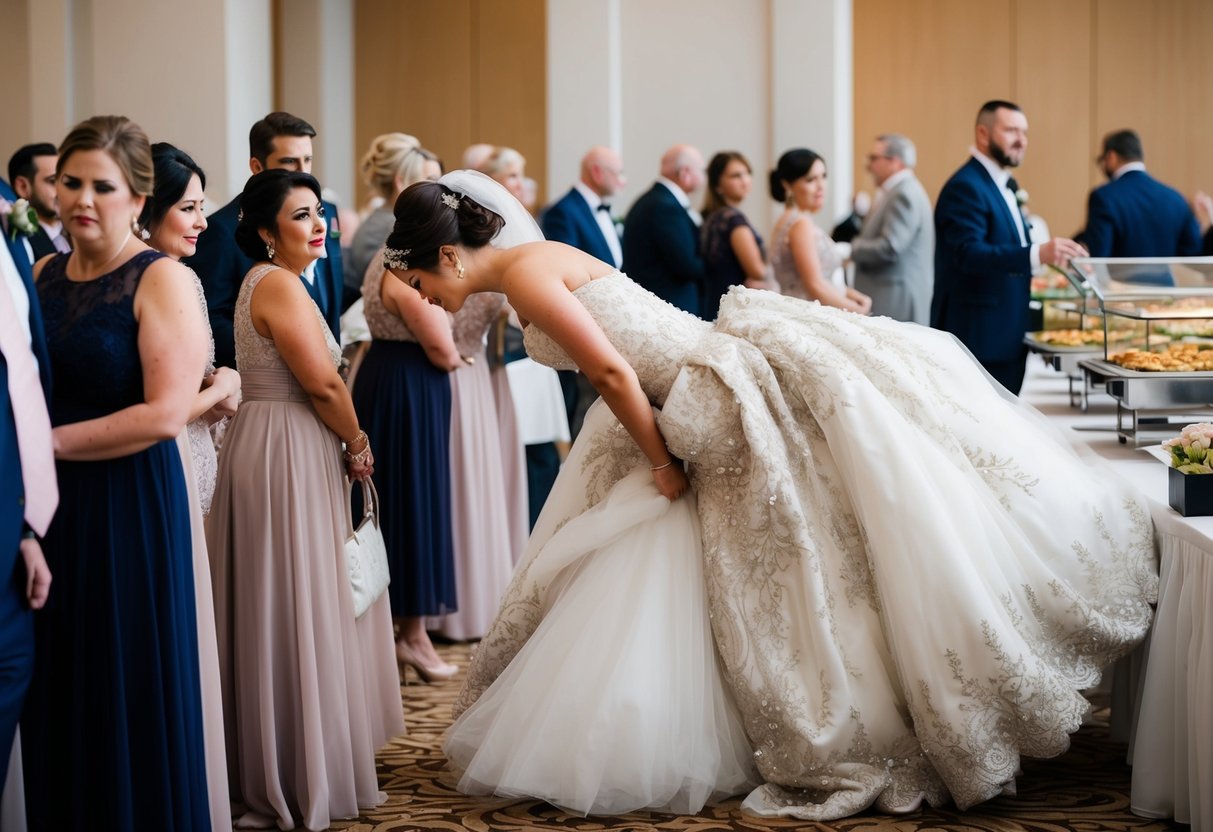
Two significant disadvantages of traditional weddings are the high costs involved and the potential stress they bring. Wedding expenses can quickly add up, often leading to financial strain. Additionally, the pressure to meet family expectations can create stress, making the planning process less enjoyable.
As you navigate your wedding plans, understanding these potential drawbacks can help you make informed choices that suit your vision and your budget. Whether you prioritize family traditions or opt for a simpler celebration, knowing what to expect can ease your journey toward a memorable day.
Financial Implications

Planning a traditional wedding often comes with significant financial responsibilities. Understanding the costs involved and how they compare to simpler alternatives can help you make informed decisions while managing your budget effectively.
High Costs and Budget Management
Traditional weddings can be expensive. The average wedding costs can include venue fees, catering, attire, and decorations. Each of these expenses adds up quickly, often leading couples to exceed their budgets.
To manage these costs, it’s important to set a clear budget from the start. Consider creating a list of your priorities.
For example, you may want to allocate more funds for photography while cutting back on flowers. You might also explore options like DIY decorations or a smaller guest list to save money.
Additionally, some couples opt for financial help from family or friends, which can ease the burden of costs. But, keep in mind the importance of respectful communication about budget expectations.
Cost Comparison with Alternatives
When you think about traditional weddings, it’s essential to consider other options. Alternatives like elopement or court marriages can be much more budget-friendly. These choices often reduce expenses significantly.
For instance, an elopement typically involves just the couple and a few witnesses, minimizing the need for a large venue or extensive catering.
Compare the typical costs of a traditional wedding with those of these simpler options. A traditional wedding could easily cost thousands, while a simple courthouse ceremony might only require a small fee for the marriage license.
Understanding these differences allows you to make a choice based on your financial situation. Choosing a less costly route can still provide a meaningful experience without breaking the bank.
Social and Cultural Considerations
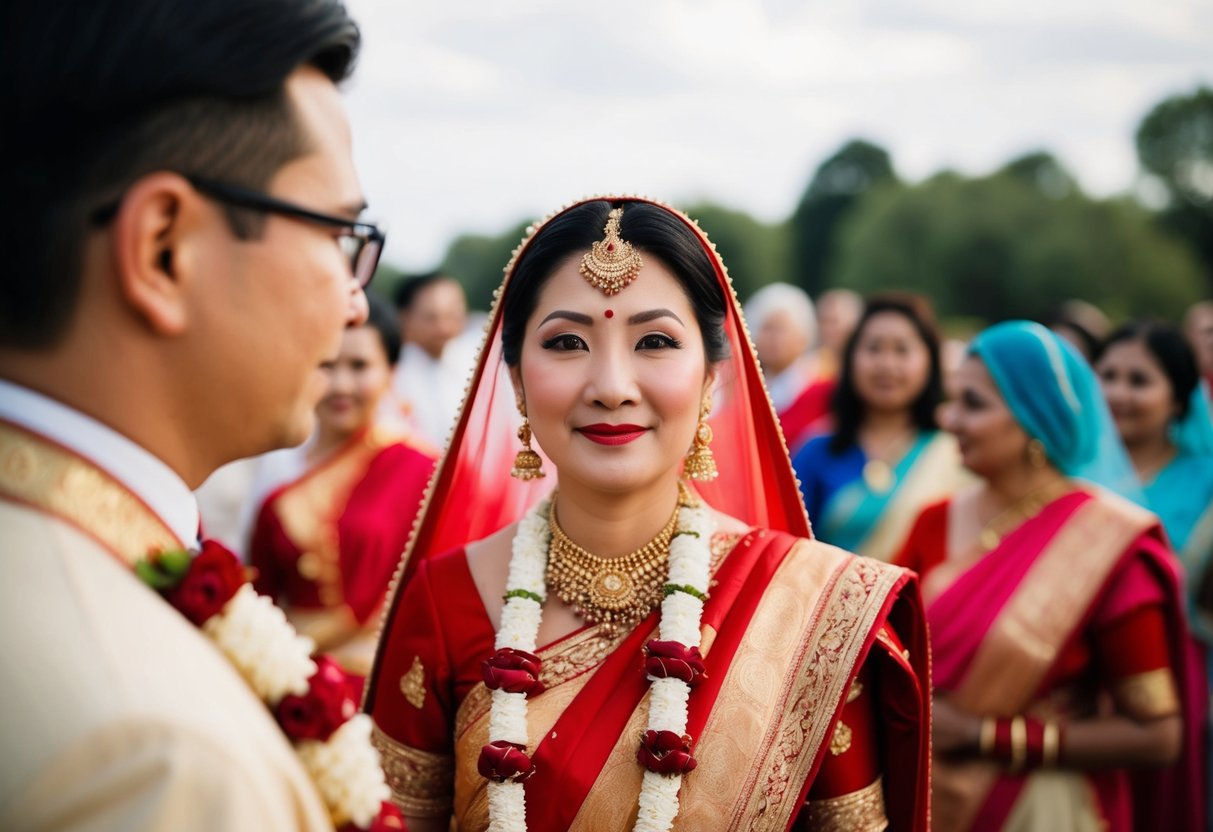
When planning a traditional wedding, social and cultural factors play a significant role. You may feel pressure from family expectations and the desire to adhere to cultural norms. These elements can greatly influence your decisions during the planning process.
Pressure of Family Expectations
Family tradition often shapes your wedding choices. You might feel pressure from relatives to include specific rituals or customs that honor your family’s heritage. This can create tension, especially if your vision for the wedding differs from what your family expects.
In some cases, this pressure can lead to anxiety. You may worry about disappointing your parents or other family members. Striking a balance between your desires and family expectations can be challenging. You might want to incorporate elements that reflect your identity while respecting your family’s traditions.
Adherence to Cultural Norms
Cultural marriages often come with established guidelines that determine how weddings should be conducted. These norms can include everything from the type of attire worn to the ceremonies performed. You might find joy in celebrating your heritage, but you can also feel the weight of adhering to these expectations.
While cultural traditions are meaningful, they may limit your choices.
For instance, in some cultures, arranged marriages are common, and the wedding reflects this practice. This can create feelings of constraint if you envision a wedding that breaks away from traditional norms. Balancing cultural significance with personal freedom can be an important consideration in your wedding planning.
Logistics and Planning
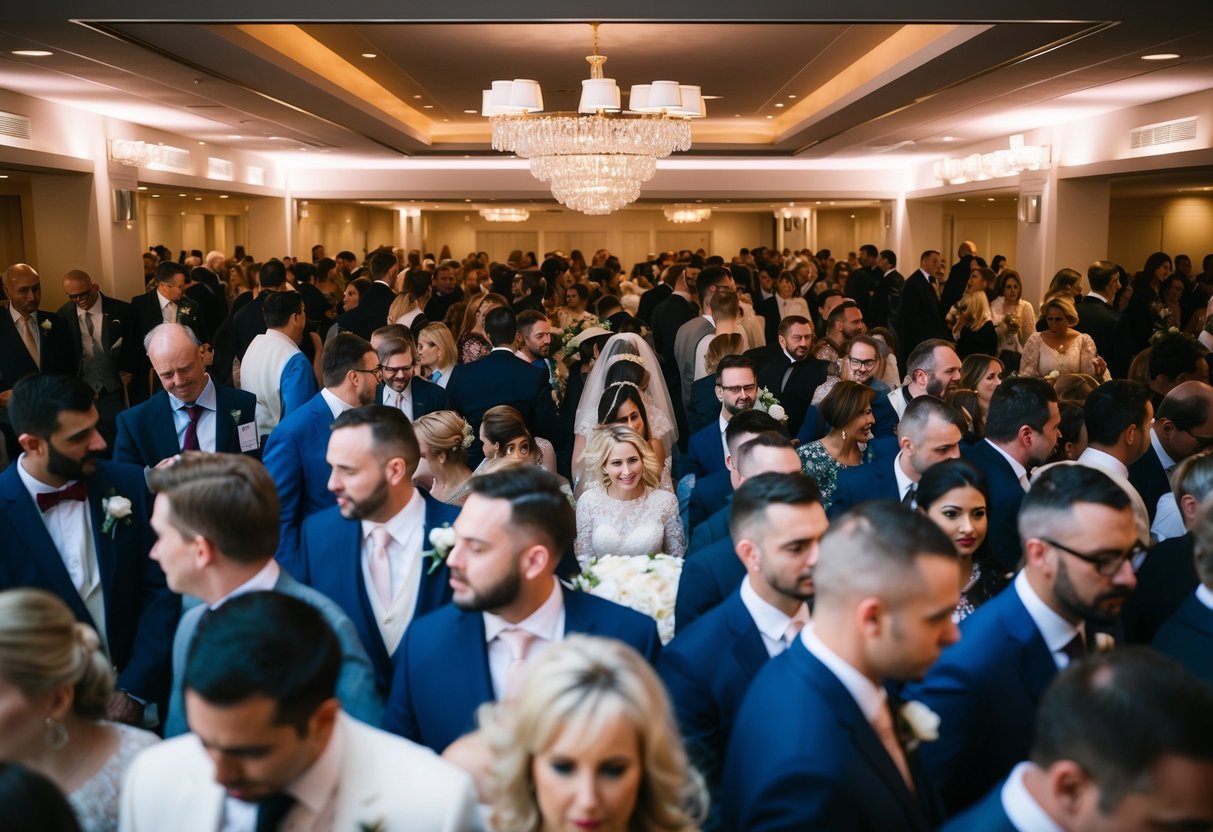
Planning a traditional wedding involves many details that can make it challenging. You need to consider the coordination of various elements and whether to hire a wedding planner. Understanding these factors can help you navigate the process more smoothly.
Complexity of Event Coordination
When you plan a traditional wedding, the coordination can become quite complex. You must manage multiple aspects, such as the venue, caterers, florists, and entertainment. Each element needs careful timing and integration.
Your guest list can also create complications. Managing RSVPs and seating arrangements adds to the stress. A typical wedding may involve dozens or even hundreds of guests, each needing attention. With so many details, it can be easy to feel overwhelmed.
If you consider a destination wedding, the logistics get even trickier. You need to account for travel, accommodations, and local vendors. This complexity can lead to stress if not handled carefully.
Involvement of Wedding Planner
Many couples choose to hire a wedding planner to handle the details. A professional can simplify the planning process and alleviate stress. They bring experience and can help you stay organized.
A wedding planner can assist with budgeting and vendor negotiations. They know which suppliers to trust and can help you find the best deals. This can save you time and money in the long run.
However, hiring a wedding planner also adds another layer to your logistics. You’ll need to communicate your vision and preferences clearly. This could require additional meetings and time to ensure everything matches your style and expectations.
Personal Considerations
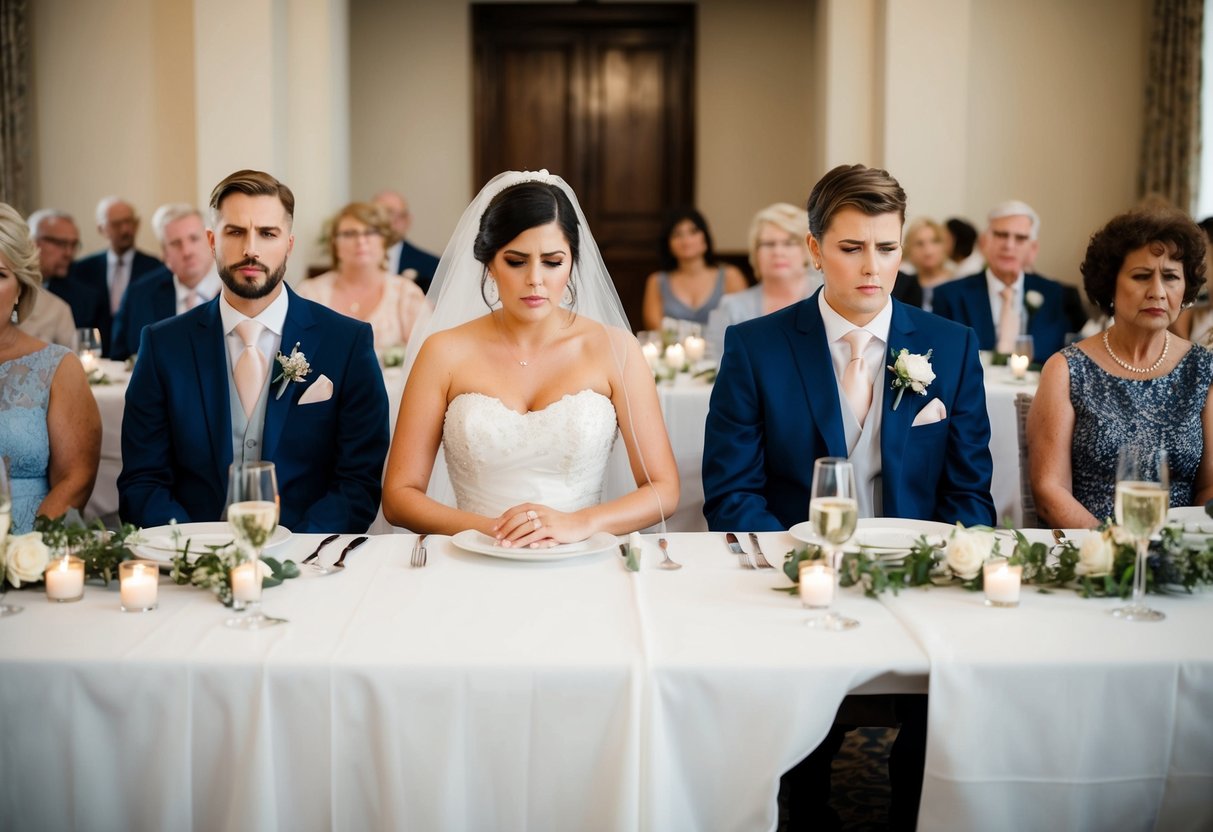
When planning a traditional wedding, you may face challenges that impact your personal experience and relationships. Here are two key aspects to think about: how to maintain intimacy while considering your guest list, and balancing your desires with family traditions.
Maintaining Intimacy and Guest Experience
A large guest list can often lead to a less intimate experience. With so many people around, it’s easy to lose that personal touch. You may find it hard to connect with each guest individually.
To enhance intimacy, consider smaller gatherings or make time for one-on-one interactions. You could create cozy seating arrangements or set up intimate spaces for conversation.
Also, researching ways to include guests in meaningful ways can enhance their experience. Invite close friends or family to share stories or participate in a special ceremony. This can help guests feel valued and connected, which can elevate the entire experience for everyone.
Balancing Individual Desires and Traditions
Planning a traditional wedding often means you need to navigate your wishes alongside family expectations. Sometimes, traditions can limit your flexibility.
Think about the elements that really matter to you. For instance, you may prefer a more modern ceremony or want to elope. These choices can create a celebration that truly reflects your love story.
Discuss your preferences with family and explain why they’re important to you. Finding compromises that honor your desires while respecting traditions can lead to a more satisfying outcome for everyone involved.
Consider mixing cultural practices or personal touches that represent your unique relationship.