
What Culture Has the Longest Wedding Ceremony? Exploring Global Traditions
When it comes to wedding ceremonies, cultures around the world celebrate these unions in unique ways. Many of these ceremonies can stretch for hours or even days, filled with rich traditions and rituals. The Zulu culture in South Africa is known for having one of the longest wedding ceremonies. Their celebrations can last for several days.
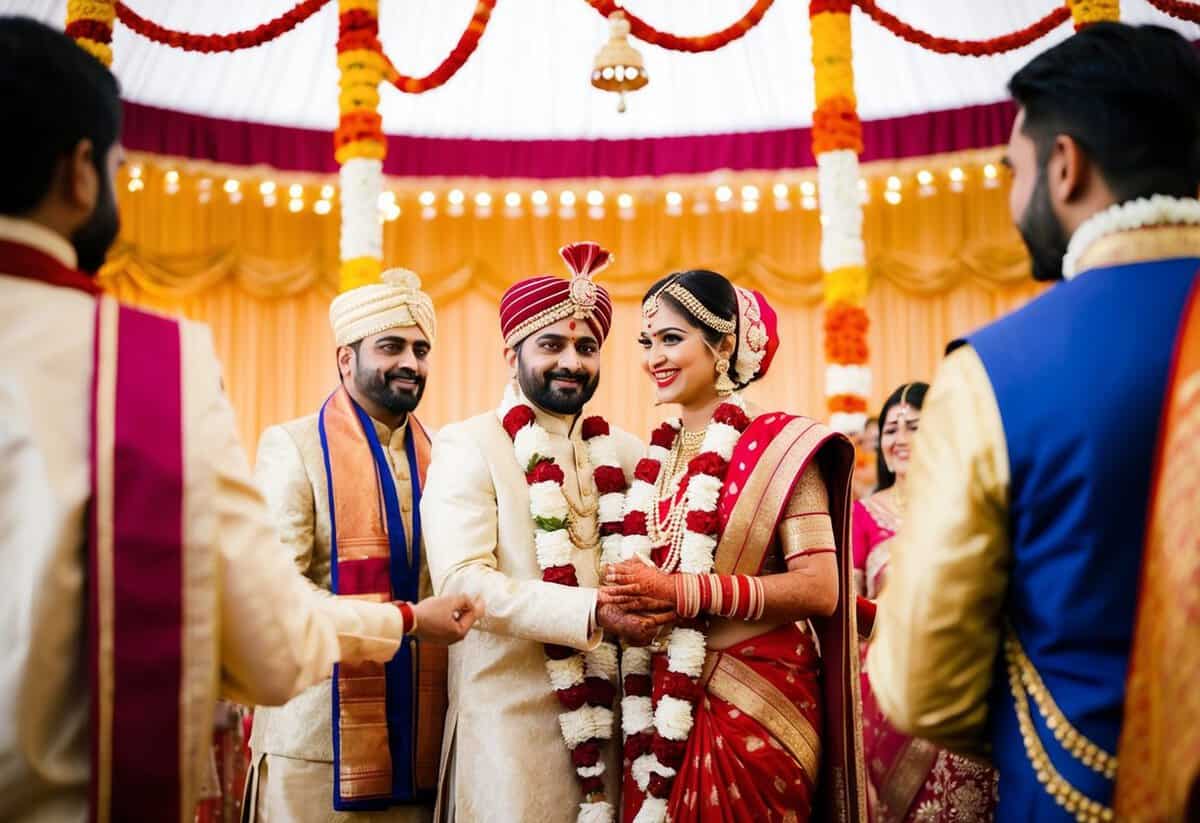
You might also find that Hindu weddings are notably lengthy, offering a blend of colorful events and joyful festivities. These ceremonies highlight the deep cultural significance of marriage, bringing together families and communities in a powerful way. Each tradition tells a story, showing the importance of love, commitment, and connection.
Exploring these fascinating customs allows you to appreciate the diversity of wedding practices worldwide. Whether it’s elaborate rituals or simple gatherings, these ceremonies reflect values and beliefs that transcend generations.
Cultural Traditions and the Length of Ceremonies
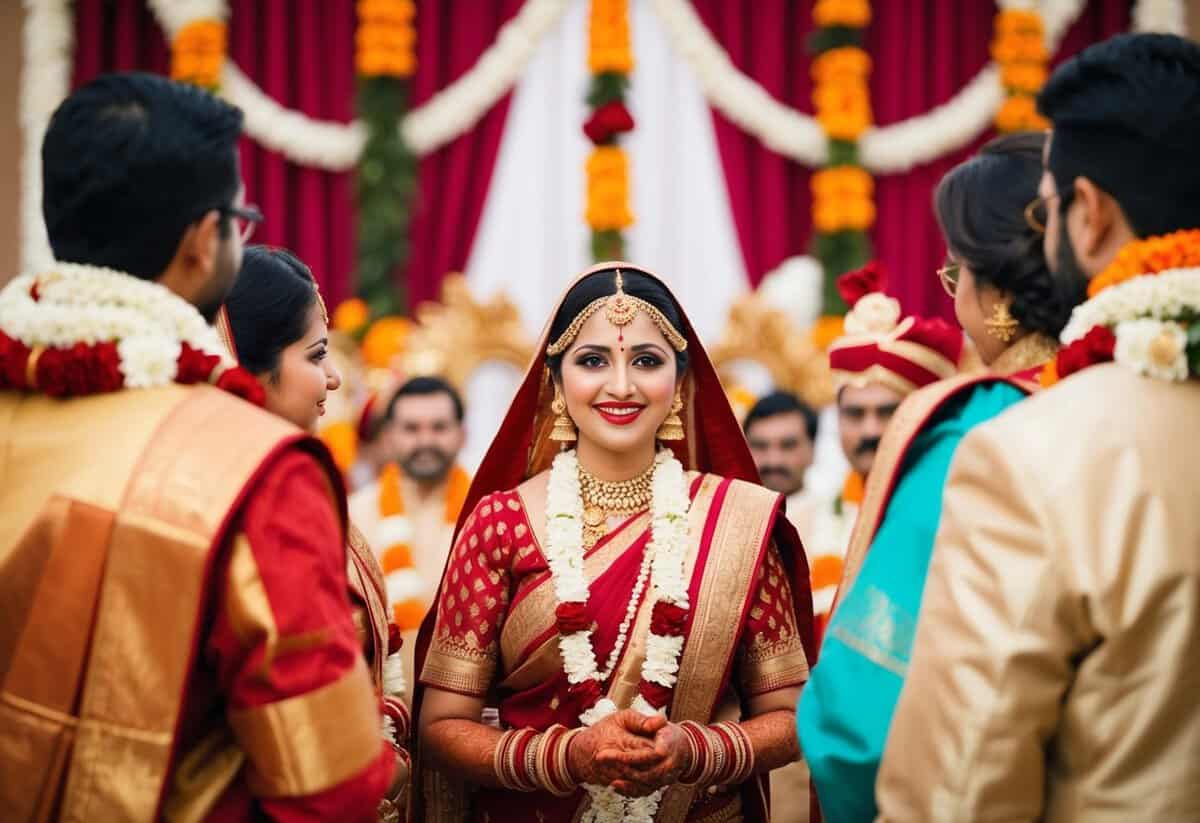
Wedding ceremonies vary greatly across cultures, often reflecting deep traditions and significant celebrations. Different cultures have unique rituals that can extend the length of their wedding ceremonies, creating unforgettable experiences.
Indian Weddings
Indian weddings are famous for their vibrant and lengthy ceremonies. They can last several days, filled with various events that bring family and friends together. Key traditions include the Mehndi ceremony, where intricate henna designs are applied to the bride’s hands and feet. The Sangeet night is another highlight, featuring lively music, dance performances, and bonding between families. The main wedding ceremony itself can last several hours, with rituals that symbolize love, commitment, and union. These multi-day events showcase the richness of Indian culture and the importance of family in marriage.
Zulu Wedding Ceremonies
Zulu weddings in South Africa are among the longest and most elaborate ceremonies. These events can last up to eight hours and are filled with rich traditions. The ceremony often includes singing, dancing, and the exchanging of gifts between families. A key part of the Zulu wedding is the ukuthwala, where the groom pays a bride price to her family, signifying respect and commitment. The celebration also features colorful attire and meaningful customs that reflect Zulu culture. The long duration highlights the importance of family connections and community involvement in the celebration of a new marriage.
Chinese Wedding Rituals
Chinese wedding rituals are steeped in tradition and can also be lengthy. These ceremonies often include several essential components, such as door games, where the groom must complete challenges to win his bride. The bride typically wears a qipao, a traditional dress symbolizing beauty and elegance. During the ceremony, couples often participate in tea ceremonies, where they serve tea to their families, showing respect and gratitude. The various rituals and customs can extend the overall wedding experience, making it a significant occasion not just for the couple but for both families involved.
Symbolic Activities and Their Meanings
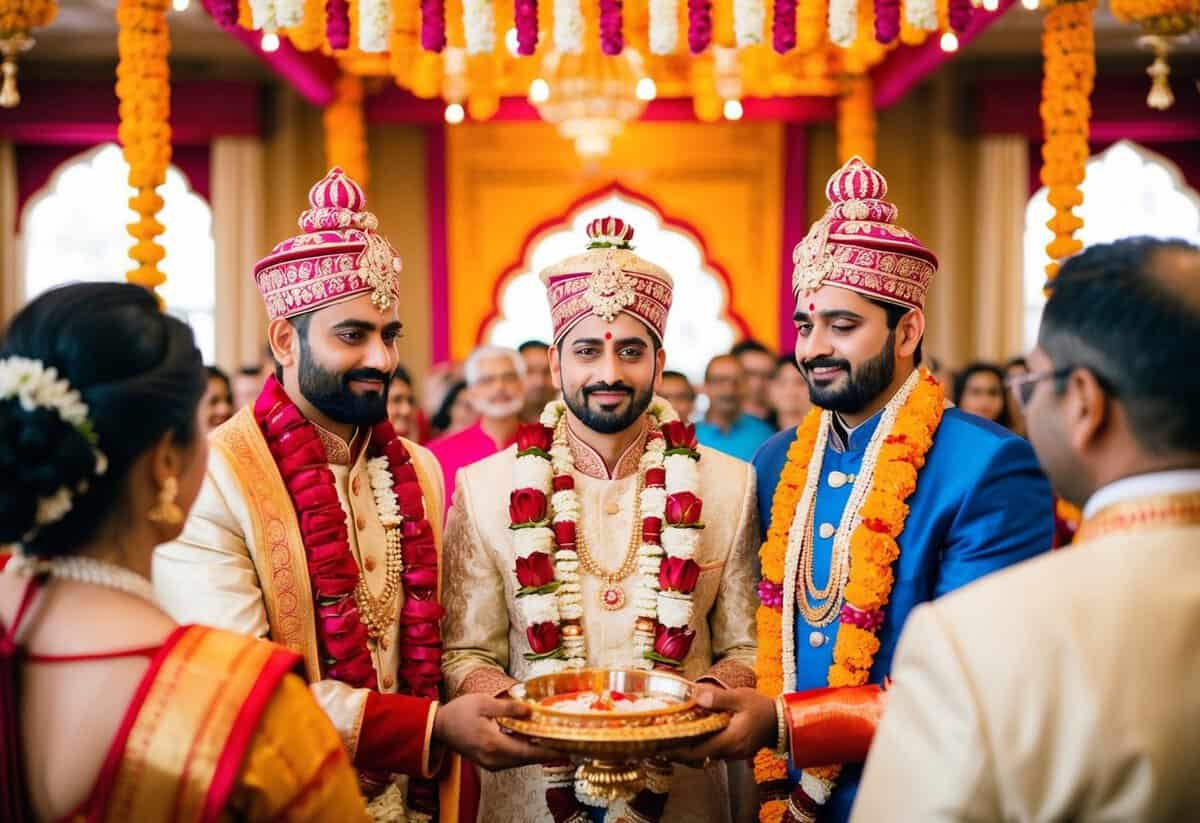
Weddings around the world are filled with symbolic activities that reflect deep cultural beliefs. These rituals often aim to bring protection, ensure prosperity, and promote unity among families.
Protection and Prosperity Rituals
Many cultures incorporate rituals to protect the couple and bring prosperity into their lives. For instance, during a henna party, the bride has intricate designs painted on her hands, symbolizing joy and beauty. This event not only enhances her appearance but also aims to invite good luck.
In Indian weddings, the Ganesh puja is held to seek blessings from the deity Ganesh, who is known to remove obstacles. Meanwhile, the money dance allows guests to pin cash on the couple, ensuring financial prosperity. Shuwa Arab weddings also feature rituals like the hammam, a cleansing ceremony, which promotes physical and spiritual purity, protecting the couple’s future.
Fertility and Unity Ceremonies
Fertility and unity are emphasized in various wedding ceremonies. The saptapadi is a Hindu ritual where the couple takes seven steps together, promising to support each other in life. This symbolizes their commitment and unity.
In Peruvian weddings, the lazo, a decorative rope, encircles the couple, representing eternal union. Similarly, during the sand ceremony, the couple mixes different colored sands, symbolizing their unique identities blending together. Haldi is another important ritual where turmeric paste is applied to the couple, thought to bless them with fertility and beauty during their early married life.
These activities are meaningful and enhance the bond between you and your partner, setting a positive tone for your future together.
Modern Interpretations and Adaptations
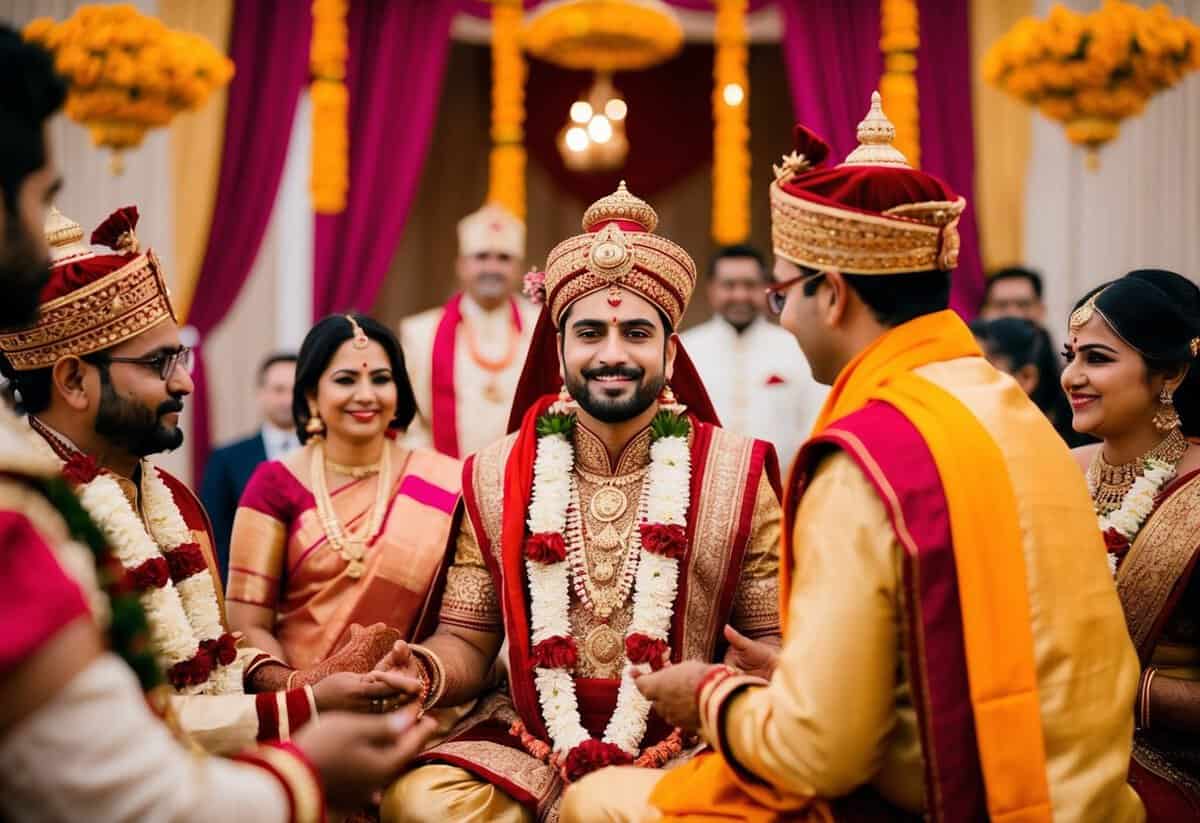
Weddings continue to evolve, reflecting personal preferences and cultural influences. Many couples are now choosing modern interpretations of traditional ceremonies. Two popular forms include destination weddings and civil wedding ceremonies, each offering unique experiences and adaptations.
Destination Weddings
A destination wedding can be a magical way to celebrate your love. Many couples opt for locales that hold special meaning or offer stunning backdrops, like a beach in Mexico or a historic venue in Greece.
These weddings often include unique elements such as local cuisine, traditional music, and customs from the chosen location.
For example, you might incorporate a Mexican wedding feast featuring traditional dishes. Guests will enjoy a unique cultural experience, making your day memorable.
Destination weddings may also involve a streamlined wedding day timeline. You can choose to have a simple gathering with close family or a larger ceremony and reception with more guests.
Civil Wedding Ceremonies
Civil wedding ceremonies provide a legal alternative to traditional religious weddings. They often take place at a local courthouse or designated venue and focus on the legal aspects of your union.
To obtain a marriage certificate, you usually need to fill out paperwork and possibly wait a few days. These ceremonies can be very personal, allowing you to customize the vows and elements included.
Additionally, you can plan a shared first dance and invite guests later for a celebratory reception. Whether in a small gathering or a larger celebration, civil weddings show that love is not bound by tradition.
Your civil wedding can include special touches, like incorporating elements from different cultures, making it a unique celebration.
Guest Participation and Wedding Events
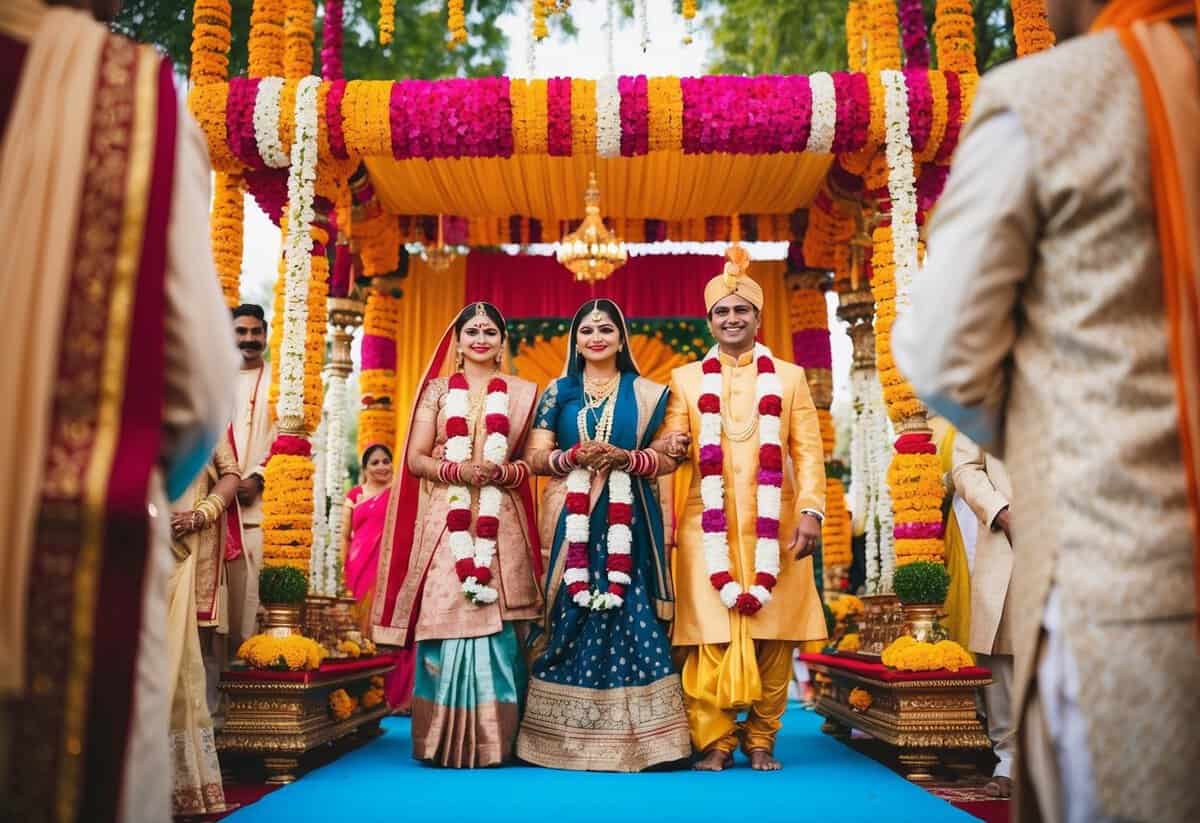
Weddings are vibrant events filled with cultural traditions and guest involvement. Each culture has unique gatherings and activities that enhance the celebration. You will see how these events create connections and memories for everyone involved.
Cultural Gatherings Before the Wedding
Many cultures hold special gatherings before the wedding day. In Hindu traditions, the mehndi ceremony allows guests to apply henna designs on the bride’s hands. This event is festive and often includes music and dance.
In Christian weddings, you might see a polterabend, where guests celebrate by exchanging laughter and small gifts to the couple. For Muslims, the haldi ceremony involves applying turmeric paste, which is believed to bring blessings and beauty to the bride and groom.
Each pre-wedding gathering is an opportunity for families and friends to bond and enjoy the preparations.
Reception Rituals and Dances
The wedding reception is a lively culmination of all the celebrations.
In a sangeet, family and friends perform dances, showcasing their talents and enthusiasm. This gathering strengthens ties between the bride’s and groom’s families.
During the reception, traditions such as the first dance or the money dance may occur, where guests can dance with the newlyweds for a donation.
In many cultures, you might find specific rituals. For example, the nikah in Muslim weddings is where family and friends gather to witness the marriage contract. Meanwhile, in Jewish weddings, the couple might break a glass to symbolize the fragility of relationships.
These events create enjoyment and lasting memories for everyone involved.