
What Do Brides Traditionally Walk Down the Aisle To? Exploring Timeless Wedding Music Choices
As you plan your special day, one of the most exciting moments will be your entrance. You might wonder, what do brides traditionally walk down the aisle to? Many brides choose a romantic or sentimental song that sets the tone for their wedding ceremony. This moment is often accompanied by music that adds to the emotion and beauty of the occasion.
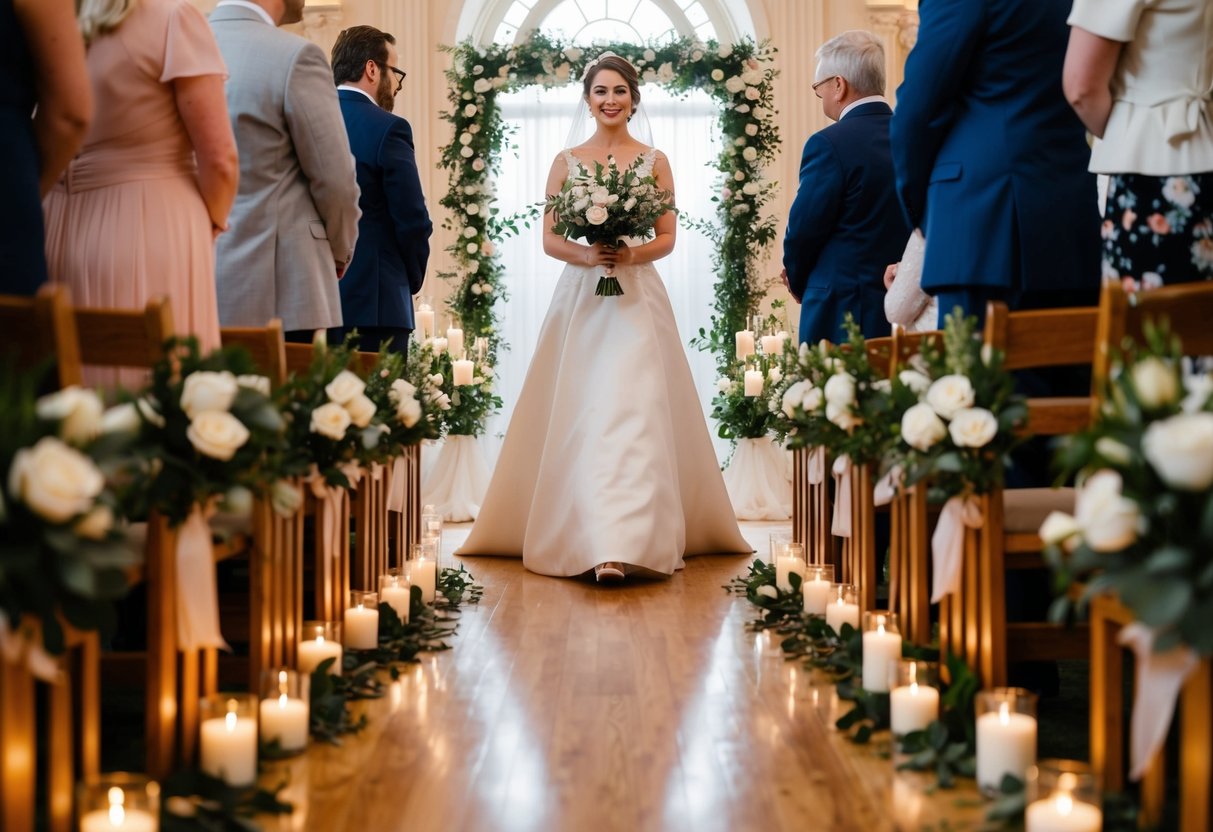
Traditional choices often include classical pieces like “Bridal Chorus” by Wagner or “Canon in D” by Pachelbel. However, today’s brides are embracing a mix of genres. Whether you prefer a classic tune or a contemporary song that reflects your love story, your aisle walk is a chance to express your unique style and personality.
The music you select can enhance your ceremony and create lasting memories for you and your guests.
From the first note to the moment you reach the altar, the right song can turn your entrance into an unforgettable highlight of your wedding day.
Historical Significance and Tradition
The tradition of brides walking down the aisle has deep roots in history. This act is not just a simple formality; it carries significant meaning related to arranged marriages and the evolving nature of wedding ceremonies.
Roots in Arranged Marriages
In the past, many marriages were arranged by families. The bride often walked down the aisle not only to unite with her partner but also to signify the joining of two families.
The presence of the father of the bride was crucial during this time. He would escort his daughter to the altar, showcasing his approval of the union. This act symbolized the transfer of responsibility from the father to the groom.
In many cultures, this walk emphasized the bride’s loyalty to her family. The aisle became a pathway that marked the transition from her family to her new life.
Evolution of the Aisle Walk
As societies changed, so did the tradition of the aisle walk. Today, couples often personalize their ceremonies. You might see different family members, such as a mother or sibling, escorting the bride.
The traditional wedding processional continues to play an important role, creating a meaningful moment. Music choice, attire, and the atmosphere all contribute to the experience. Some brides choose to walk alone or with both parents.
Regardless of how it’s done, the act remains a beautiful expression of love, commitment, and family connection. The shifting practices reflect modern values while honoring historical significance.
The Wedding Processional Order
The wedding processional order is important for setting the tone of the ceremony. It determines who walks down the aisle and in what order. Each culture has its own traditions that guide this special moment.
Christian Ceremony Traditions
In a traditional Christian ceremony, the processional often begins with the grandparents of the bride and groom. They may walk down the aisle as a sign of respect. This is followed by the groom’s parents, who also take their places.
Next, the bridesmaids walk down, typically paired with the groomsmen. After that, the maid or matron of honor comes next, followed by the flower girls and ring bearers. Finally, the bride makes her grand entrance with her father or another significant person. This order showcases familial bonds and highlights the importance of the bride’s arrival.
Jewish Ceremony Traditions
In Jewish weddings, the processional is called the “kabbalat panim” and has its own unique flow. The ceremony often begins with the groom entering first, accompanied by his parents.
Next, the bridesmaids follow, often in pairs, leading to the grand entrance of the bride. Traditionally, the bride is escorted by both parents. A significant feature is the bride circling the groom, reinforcing their connection. This order emphasizes community and family involvement, reflecting the importance of these relationships in Jewish culture.
Hindu Ceremony Traditions
In Hindu weddings, the processional is vibrant and filled with cultural significance. The groom usually arrives first in a “baraat,” which is a lively procession with music and dancing.
After the groom’s arrival, the bridesmaids and family members follow. Then, the bride walks down the aisle, traditionally accompanied by her parents or close relatives. This moment often includes ceremonial elements like flower petals or traditional music, enhancing the beauty of the event. The order highlights the cultural richness and familial ties, making it a memorable experience for all involved.
Nondenominational Ceremony Practices
For nondenominational ceremonies, the processional order can be more flexible. Couples often choose elements that are meaningful to them.
Typically, the grandparents or parents may walk down first. Then, the bridesmaids and groomsmen follow in pairs, creating a balanced look. The maid or matron of honor walks just before the bride. Some couples might include special people like step-parents or close friends in the processional. Ultimately, you can customize the order to reflect your unique relationship and values, making your day personal and special.
Roles and Responsibilities
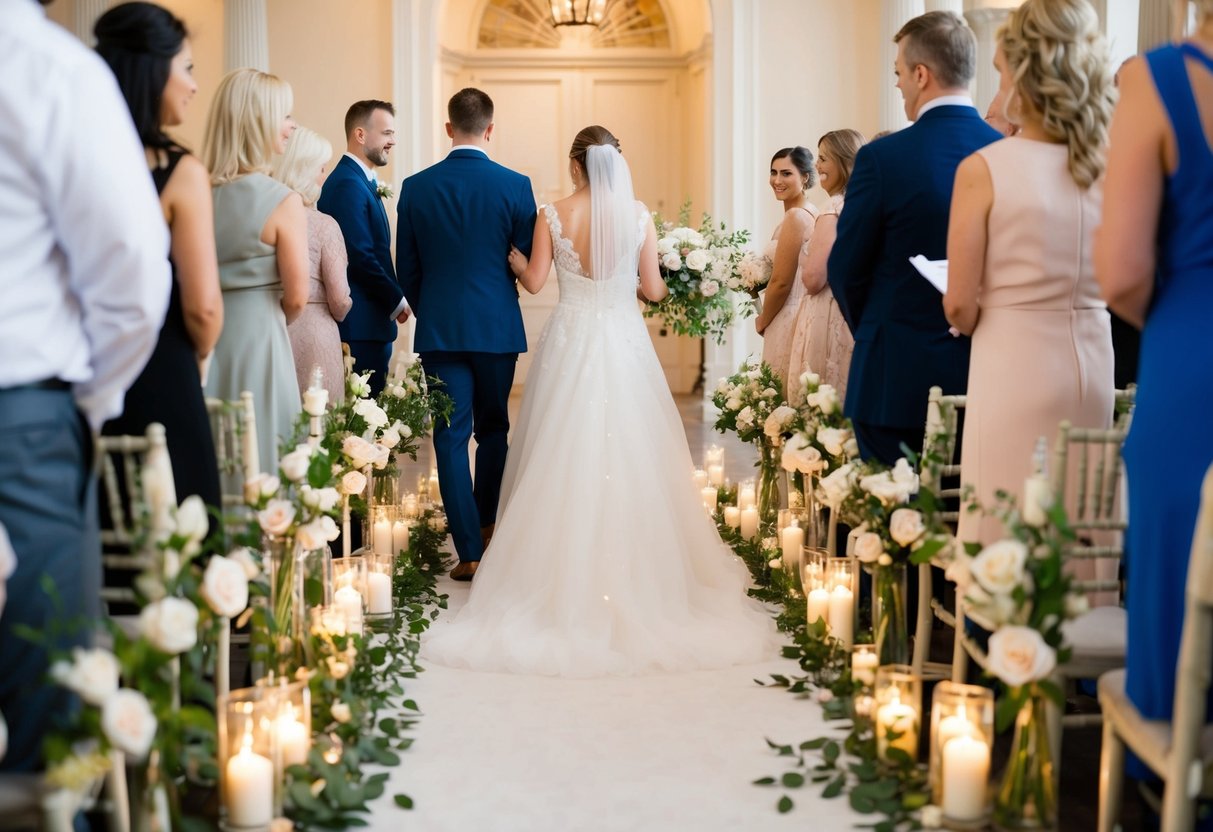
In a wedding ceremony, different people have unique roles. Each participant contributes to the special moment as the bride walks down the aisle. Understanding these roles can help you appreciate the ceremony more.
Key Participants in the Ceremony
The bride is, of course, the center of attention as she walks down the aisle. She may be escorted by her father or another close family member. The groom stands at the altar, eager to see his bride.
The flower girl often walks before the bride. She may scatter petals or carry a small basket. The ring bearer typically follows, holding the rings on a pillow. The parents of the bride and groom usually take their seats at the front, showing their support.
Wedding Planner’s Duties
Your wedding planner plays a crucial role in managing the ceremony. They ensure that everyone is in the right place at the right time.
Before the ceremony, they will coordinate with various vendors, including the florist and musicians.
During the ceremony, the planner still works behind the scenes. They help cue the wedding party when it’s time to walk down the aisle. Their goal is to keep everything running smoothly, allowing you to focus on enjoying your special day.
Photographer’s Perspective
The wedding photographer captures every important moment of the ceremony. They keenly watch for the right angles and emotions as you walk down the aisle. Their job is to document the joy and excitement of the day.
Before the ceremony, the photographer may go over the schedule with you and the planner. They can also guide you on where to stand for the best photos. Being in sync with the photographer helps ensure no special moments are missed.
Musical Selections and Symbolism
Choosing the right music for your wedding processional is an important part of the ceremony. The songs you select not only set the mood but also carry deep symbolism. They connect to your love story and reflect the values of the ceremony.
Choosing the Perfect Processional Song
Your processional song marks a significant moment as you walk down the aisle. Many brides choose traditional pieces like Pachelbel’s “Canon in D” or Mendelssohn’s “The Wedding March.” These classics bring a sense of elegance and timelessness to the ceremony.
You might also opt for more modern songs that hold personal meaning. Think of your favorite movie soundtracks or popular love songs that resonate with you and your partner. This choice can create a unique and memorable moment.
When selecting your song, consider the tempo and mood. A slower song can evoke emotions, while an upbeat tune can bring joy to the atmosphere. Make sure it reflects your personality and style.
Cultural Variations in Wedding Music
Wedding music varies greatly across cultures and traditions. In a religious wedding, the couple often chooses hymns and spiritual songs to reflect their faith. For example, Christian ceremonies commonly use “Ave Maria.”
In contrast, a nondenominational ceremony might feature various genres. This could include pop, classical, or even folk music, depending on what resonates with you. Many couples choose songs that tell their love story or represent important milestones in their relationship.
It’s also interesting to note regional variations. Different cultures have unique processional songs that enrich the ceremony. For example, Mediterranean weddings often feature traditional folk music, while Indian weddings incorporate classical music and beats. Exploring these options can enhance your ceremony’s symbolism and make it even more special.