
What Do Wedding Guests Pay For? A Guide to Wedding Expenses
Attending a wedding can be a joyful experience, but it also comes with its own set of expenses. On average, wedding guests can expect to spend around $511 for travel, gifts, attire, and other costs associated with the event. It’s important to be prepared for these financial commitments, especially if the wedding requires travel or special attire.
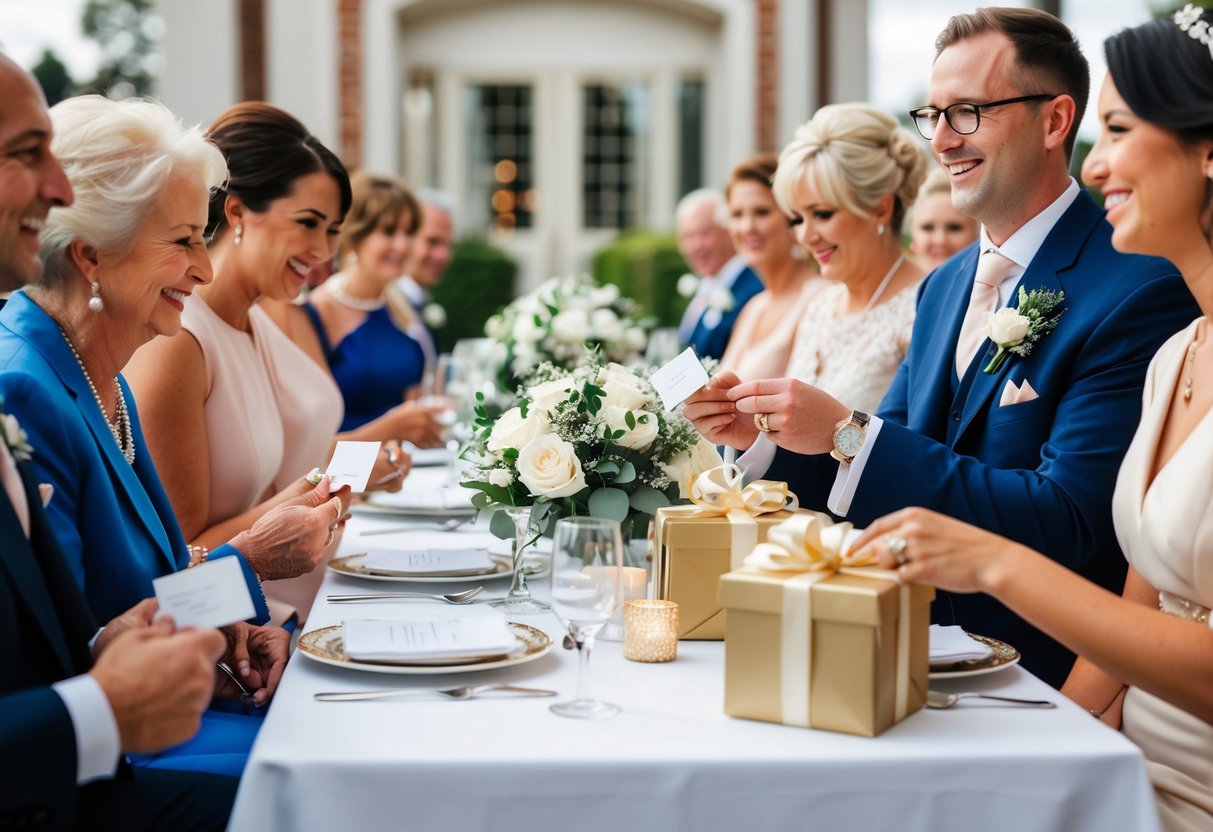
When planning your budget for a wedding, consider factors like travel costs, accommodation, and attire. If the wedding is out of town, you might need to account for gas, flights, and hotel stays.
For local events, transportation expenses like rideshares can add up, alongside the cost of what to wear. Understanding these guest expenses can help you manage your finances while also enjoying the celebration.
Being aware of how much you might spend as a wedding guest allows you to enjoy the day without financial stress. Whether you’re attending a destination wedding or a local celebration, knowing what to expect can make the experience more enjoyable and manageable.
Understanding Guest Responsibilities

When attending a wedding, you have certain responsibilities that can involve a bit more than just showing up. It’s important to manage your own expenses related to travel, accommodations, attire, and gifts. Understanding these aspects can help you prepare better and enjoy the celebration.
Travel and Accommodations
For a wedding, especially a destination wedding, you’ll often need to cover your own travel expenses. This includes costs like gas for driving or plane tickets for flying.
Consider booking your travel well in advance to secure the best rates.
If the wedding is out of town, you may need to arrange for accommodations. Some couples provide a list of recommended hotels for guests, which often have group rates.
It’s a good idea to book your hotel room early, as prices can increase closer to the wedding date. Don’t forget about extra costs, like rideshares or parking fees. All these travel and accommodation details can add up, so it’s smart to plan ahead.
Attire and Personal Grooming
Your attire for the wedding is another expense to consider. Most guests aim to look their best, and this often means buying a new outfit. On average, guests can spend around $155 on clothing for weddings.
You might also need to factor in costs for hair and makeup. If you want a professional stylist, be sure to budget for this service. Some weddings have specific dress codes or themes, so check the invitation for guidance on what to wear.
It’s essential to feel comfortable and confident in your attire since you’ll be part of memorable photos and celebrating the couple’s special day.
Wedding Gifts and Registry
Bringing a gift is a traditional part of attending a wedding. You typically choose something from the couple’s wedding registry, which usually includes items they truly want.
Buying a gift can range from small, personal items to larger, more expensive presents. It’s thoughtful to consider the couple’s preferences when selecting a gift.
If they join resources for a honeymoon fund or choose a charity, donating in their name can be a great option too.
Overall, budgeting for a gift is crucial to show your appreciation for the couple’s invitation to celebrate their wedding day with them.
Budgeting for Wedding Attendance
Attending a wedding can be exciting, but it’s important to consider the costs involved. You can manage your expenses by estimating totals, navigating budget constraints, and finding ways to save.
Estimating Total Costs
First, list all potential expenses. Consider items such as travel, lodging, attire, gifts, and meals. The average guest can spend about $580 overall, including these factors.
- Travel Costs: Think about gas, airfare, or train fares.
- Accommodation: Look into room blocks or group rates that the couple may have arranged.
- Attire: Plan your outfit ahead of time. It can range from $95 for a casual friend’s wedding to $160 for a close friend.
Knowing these figures helps you budget better.
Navigating Budget Constraints
You may face budget constraints when planning to attend a wedding. Communication is key. Don’t hesitate to discuss your concerns with other guests or even the couple.
- Room Blocks: Use room blocks negotiated by the couple for better rates.
- Shared Accommodation: Consider sharing suites with friends to reduce costs.
- Transportation: Carpool with other guests to cut down on travel fees.
Managing these aspects can help ease the financial burden while still allowing you to celebrate.
Saving on Expenses
Finding ways to cut costs on your wedding attendance can make a big difference. Here are some ideas:
- Borrow Attire: See if you can borrow something stylish from a friend or family member.
- Gifts: Set a budget for gifts. Opt for heartfelt, homemade presents over expensive ones.
- Meals: If possible, plan to eat before the event. This strategy can save you money on costly venue meals.
Saving in these areas lets you enjoy the celebration without worrying about your budget.
Logistics and Planning
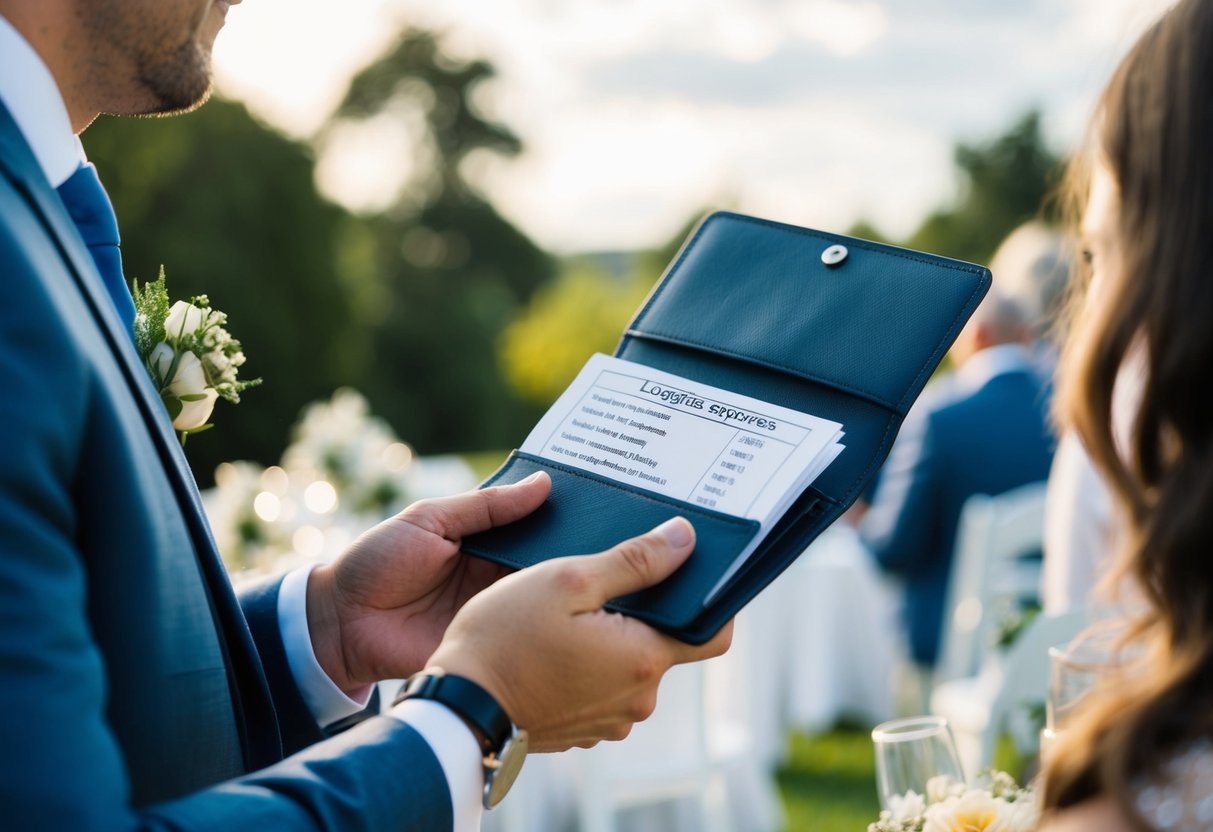
Planning for a wedding involves many details that affect your guests’ experience. Understanding logistics can help ensure everyone enjoys the celebration without unnecessary stress. Here are some key areas to consider.
Hotel and Room Blocks
Finding the right accommodations for your guests is vital, especially for destination weddings.
Consider reserving a hotel block at a nearby venue. This allows guests to stay close and often comes with group rates.
When negotiating, ask about the attrition clause. This protects you if not all rooms are booked. Also, clarify the cancellation policy to understand your options if plans change. Share this information on your wedding website so guests can easily find it.
Transportation Considerations
Transportation can greatly impact your guests’ experience. If your wedding is at a different venue from the reception, consider organizing group transport. This may include shuttles or buses to ease travel stress.
Think about travel routes and estimated times. If parking is limited, inform guests in advance. Also, consider providing information about local transportation options.
If you’re hosting a rehearsal dinner, ensure there are clear directions for guests who may not be familiar with the area.
Itinerary and Activities
A detailed itinerary adds to the enjoyment of your wedding events. Share a timeline of activities on your wedding website, including the ceremony, reception, and any planned outings.
Make sure to highlight any local attractions guests may want to explore. Providing options for wedding events outside of the main celebration encourages guests to enjoy their trip fully.
Consider fun group activities, such as brunch or sightseeing tours, to create lasting memories together.