
What Do You Call Captain’s Wife? Exploring Nautical Terms and Traditions
Have you ever wondered what a captain’s wife is called while her husband is out at sea? The common terms you will find are “captain’s wife” or “sea captain’s wife.” These titles highlight her connection to the maritime world and the unique lifestyle that comes with having a partner who is often away on voyages.

The role of a captain’s wife has significance in nautical traditions. Often, she is referred to as the “captain’s lady” when he is not around. This name reflects her important place in both the family and the captain’s life, serving as a reminder of her support during long absences at sea.
Exploring this topic leads you to interesting customs and terms used in maritime culture. The language surrounding a captain’s wife sheds light on the deep connections formed within this unique lifestyle, making it a fascinating subject worth diving into.
Ranks and Roles on a Ship
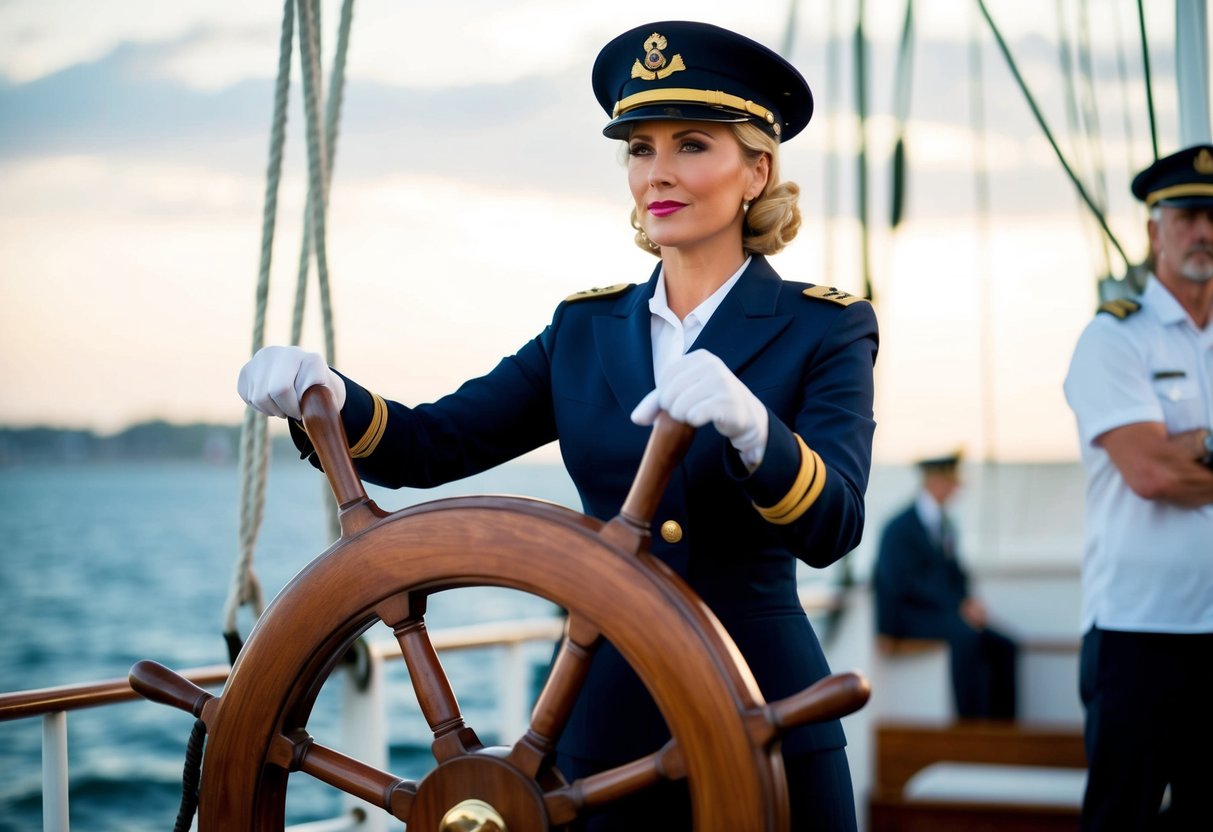
Understanding the ranks and roles on a ship is important. Each position has its own responsibilities that help ensure everything runs smoothly. Here’s a closer look at the command hierarchy and non-command roles.
Command Hierarchy
At the top of the command hierarchy is the Captain, also known as the Sea Captain. This person is responsible for all operations on the ship. They make final decisions and ensure everyone follows safety protocols.
Next is the First Mate, who serves as the second-in-command. They assist the Captain and may take charge when the Captain is unavailable.
Below the First Mate is the Second in Command, often referred to as the Chief Officer or Chief Mate.
The Quartermaster plays a vital role in navigation and ship management, while the Boatswain oversees deck operations and manages the crew’s day-to-day tasks. Lastly, the Sailing Master is responsible for the ship’s navigation and sailing tactics.
Non-Command Roles
Non-command roles consist of crew members who support the ship’s operations without being in charge. For example, the Helmsman steers the ship under the Captain’s orders. Their job is crucial for safe navigation.
Naval Officers and those in the Merchant Navy might also be part of the crew. They take on various specialized tasks and support the command hierarchy.
In a more adventurous setting, Pirate Captains and their crew would have similar roles but operated under different rules.
Each position plays a significant part in keeping the ship running efficiently. Understanding these roles can enhance your knowledge of seafaring life.
Maritime Culture and Superstitions
Maritime culture is rich with traditions and superstitions that create a unique world for sailors. These beliefs often stem from the unpredictable nature of the sea and its challenges. Understanding these aspects can give you insights into life on the water.
Traditions at Sea
Sailors have always had a variety of traditions to help ensure safe journeys. For instance, before embarking on a voyage, crews might hold a christening ceremony for the ship. This often involves a woman breaking a bottle of champagne against the bow, believed to bring good luck.
Another well-known tradition is the role of the captain’s wife. Historically, she was seen as a key figure, influencing crew morale. During the Golden Age of Pirates, wives played an essential part in keeping the families connected to sailors on long voyages.
Superstitious Beliefs
Sailors hold many superstitions that reflect their hopes and fears. One common belief is that whistling on a ship invites bad weather. You may also hear tales that a woman on board is unlucky. These beliefs often stem from dark times in piracy when long voyages and plundering were perilous.
Another superstition is related to fish. Seeing a dolphin might be regarded as a sign of good luck, while killing a shark could be seen as a bad omen. Each superstition plays a role in shaping the maritime experience and reflects the close-knit community among sailors.
Life Aboard a Ship

Living on a ship involves a lively mix of duties and experiences. The daily routines shape life at sea, especially for the captain’s wife and other women aboard. Each day brings unique challenges and responsibilities for everyone on the ship.
Daily Life and Duties
As the captain’s wife, your role may include managing the ship’s household. This can mean cooking, cleaning, and taking care of crew members.
You might also help with record keeping and ensure that everything runs smoothly. It’s a busy life that requires strong organizational skills.
Women who sail often took on tasks like sewing sails and mending clothes. You’d also see women providing medical care to crew members. The work is vital and contributes to the overall health and function of the ship.
In addition, you could work alongside roles such as carpenters or sailmakers, learning valuable skills. Everyone aboard plays a part in keeping the ship safe and efficient, which builds a sense of community.
Life for Women on a Ship
Life aboard a ship presents unique challenges for women, particularly if you are the captain’s wife. In the 19th century, women were not always welcome on ships. However, when they were, they brought important contributions.
You might find yourself forming deep bonds with the crew. Sharing meals and stories creates a sense of belonging.
Your presence can help uplift morale during long voyages, as you support not only your captain but the entire crew.
Sometimes, you may encounter female captains, who held the same responsibilities as their male counterparts. They worked hard to earn respect, just as you would. This shared experience could lead to mutual understanding between men and women at sea.