
What Do You Write in an Officiant Proposal? A Simple Guide to Crafting Your Message
As you plan your special day, selecting the right wedding officiant is key to making your ceremony memorable. When writing an officiant proposal, make sure you share personal thoughts and emotions about your relationship with the person you’re asking. This gives them a glimpse into why you chose them for such an important role.

Think about including what their presence at the ceremony means to you. You could express how their values align with your vision for the day. A heartfelt note can make the proposal even more special, setting the right tone for the wedding ceremony.
Don’t forget to invite them to share in the excitement! Discussing your hopes for the wedding and expressing your desire for them to be part of this experience can create a strong connection. With the right words, your officiant proposal will be a truly meaningful start to your wedding journey.
Choosing Your Officiant
Selecting the right officiant is a key part of your wedding planning. This person will guide the ceremony and set the tone for your special day. There are several important aspects to consider when choosing an officiant.
Understanding Officiant Roles
An officiant does much more than just pronounce you married. They will prepare the ceremony, meet with you and your partner to understand your vision, and often lead the rehearsal. Communication is vital, and a good officiant will work with you to include personal touches. They might also bring experience in dealing with unexpected situations, such as last-minute changes or ceremony nerves. Choosing someone who understands their role well can help ensure everything runs smoothly.
Considering a Professional vs. a Personal Acquaintance
You can choose to ask a professional officiant or a personal acquaintance. A professional often brings valuable experience and can help create a polished ceremony. On the other hand, asking a friend or family member can make the event more personal and intimate. If you go this route, ensure they are comfortable with the responsibilities. Regardless of your choice, clearly communicate your preferences to ensure your officiant aligns with your vision for the day.
The Importance of Credentials and Experience
When selecting an officiant, pay attention to their credentials. Many regions require officiants to be legally ordained or have specific licenses. This ensures they can perform the marriage legally. Additionally, consider their experience. An officiant who has conducted various weddings will have a smoother process in handling the ceremony. You can ask for references or read reviews from previous couples. Knowing your officiant’s qualifications helps build confidence that they can deliver a beautiful and memorable ceremony.
Crafting Your Proposal

When you’re ready to ask someone to officiate your wedding, putting thought into your proposal is key. A well-crafted proposal can make the moment special and memorable. Here are some creative ideas, formal approaches, and ways to express your feelings.
Creative Proposal Ideas
Think outside the box when proposing. A simple, heartfelt message can be very touching. Consider crafting your question in a fun way. You might put “Will you marry us?” on a cake, making it a delicious surprise.
Another idea is to give a gift of friendship along with your proposal. This could be a small keepsake that reminds them of your bond. Personalized artwork can also make a lovely gift. This adds a special touch to your request.
Making a Formal Request
If you prefer a more traditional approach, writing a love letter can be a great choice. Express your feelings clearly and let them know why you want them to be your officiant.
A formal letter should include:
- How much they mean to you
- What the role of officiant signifies
- Your hopes for the ceremony
Structure your letter with warmth and sincerity. This will show them just how important the role is to you.
Conveying Your Sentiment
When you ask someone to officiate, be sure to convey your emotions. Let them know why you’re choosing them for this role.
You might share a story about a wedding they officiated or moments you’ve experienced together. This personal touch can make your request stand out.
Be clear about the joys and importance of the occasion. Sharing your vision can help them feel excited about the opportunity to contribute to your special day.
Legal Considerations and Preparation

When asking someone to officiate your wedding, it’s important to think about legal aspects and how to prepare properly. Understanding marriage license requirements, planning a practice run, and securing ordination and documentation are key steps to ensure everything goes smoothly.
Understanding Marriage License Requirements
Before the ceremony, you need to check your state’s marriage license requirements. Each state has different rules, so be sure you know what is needed.
Typically, the couple must apply for the license a few weeks before the wedding. They may need to show identification and pay a fee. Make sure your officiant is aware of the laws in your area.
Once the license is obtained, it is crucial that the officiant knows how to handle it during the ceremony. Properly signing the marriage license after the event is essential for it to be valid.
Orchestration of a Practice Run
Holding a practice run is an excellent way to prepare for the actual ceremony. It allows everyone to get comfortable with the flow of the event.
You should invite the officiant, bridal party, and key family members. This practice helps everyone understand their roles and the order of events.
Use this time to discuss any specific readings, vows, or traditions. It also provides an opportunity for the officiant to practice their script and make adjustments. A well-coordinated practice run can help reduce nerves on the big day.
Securing Ordination and Documentation
Your officiant must be ordained to perform the ceremony legally. Organizations like American Marriage Ministries offer simple processes for online ordination.
Once ordained, your officiant will receive an ordination package that includes important documentation. This often contains a letter that proves their authority to officiate and other forms needed for signing the marriage license.
It is important to ensure all paperwork is in order well before the ceremony. This way, you can avoid any last-minute surprises regarding legal responsibilities.
Ceremony Details and Logistics
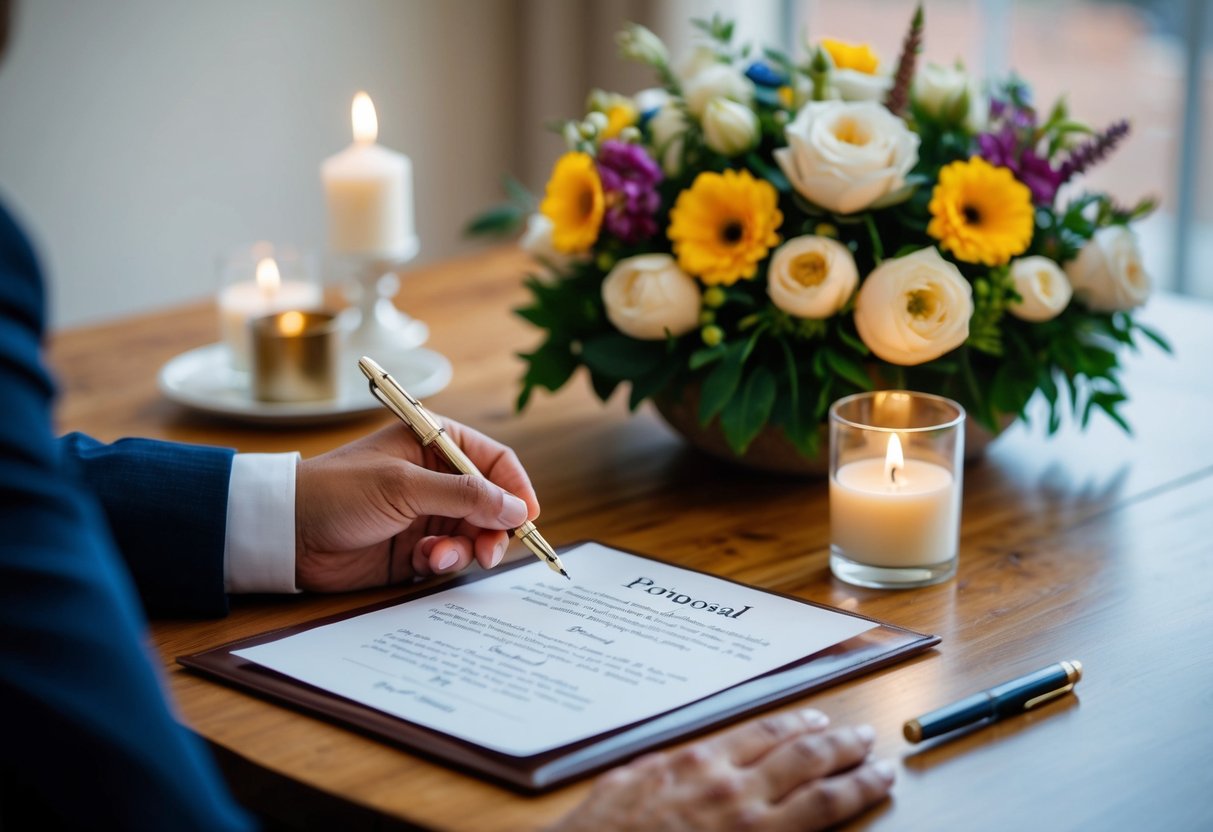
Planning the ceremony involves several key areas. You need to focus on designing the script, choosing the venue, and understanding your duties during the wedding activities. Each of these elements is important for creating a memorable experience for the couple and their guests.
Designing the Ceremony Script
When creating the wedding ceremony script, it’s essential to reflect the couple’s values and style. Start by discussing any specific themes, traditions, or personal stories they want to include.
Consider incorporating heartfelt vows that express their love. You can also add readings or poems that resonate with them. Keep the tone engaging and light, making sure it feels authentic to the couple.
Ensure that you practice reading the script out loud to maintain a natural flow. This will help the couple feel at ease during their big day and create a warm atmosphere for their guests.
Planning the Ceremony Venue
Choosing the right venue is crucial for an unforgettable ceremony. Suggest a sentimental location that holds significance for the couple. This could be a garden, a beach, or even their local park.
Make sure to visit the venue in advance. Check for facilities like seating, sound systems, and any restrictions the venue might have. Discuss with the couple about how the setup will align with their vision, ensuring everyone knows the schedule.
You’ll want to coordinate with the venue staff regarding timing and layout, which helps avoid any last-minute surprises.
Duties During Wedding Activities
As the officiant, you must guide the ceremony smoothly. Start by welcoming the guests and making them feel comfortable.
During the ceremony, follow the script closely but be prepared for any unexpected changes. A calm demeanor is vital; it helps keep the couple and guests relaxed.
After the ceremony, make sure to sign the marriage license with the couple and witnesses. Don’t forget to submit that document to the appropriate local office. This final step legally finalizes the marriage and wraps up your duties for the day.