
What Does a Wedding Rehearsal Look Like? A Step-by-Step Guide to Your Special Day
A wedding rehearsal is an important step in preparing for your big day. During this practice run, you and your wedding party will walk through the entire ceremony, ensuring everyone knows their roles and feels comfortable with the flow.
This is your chance to address any last-minute details and build excitement for the wedding day.
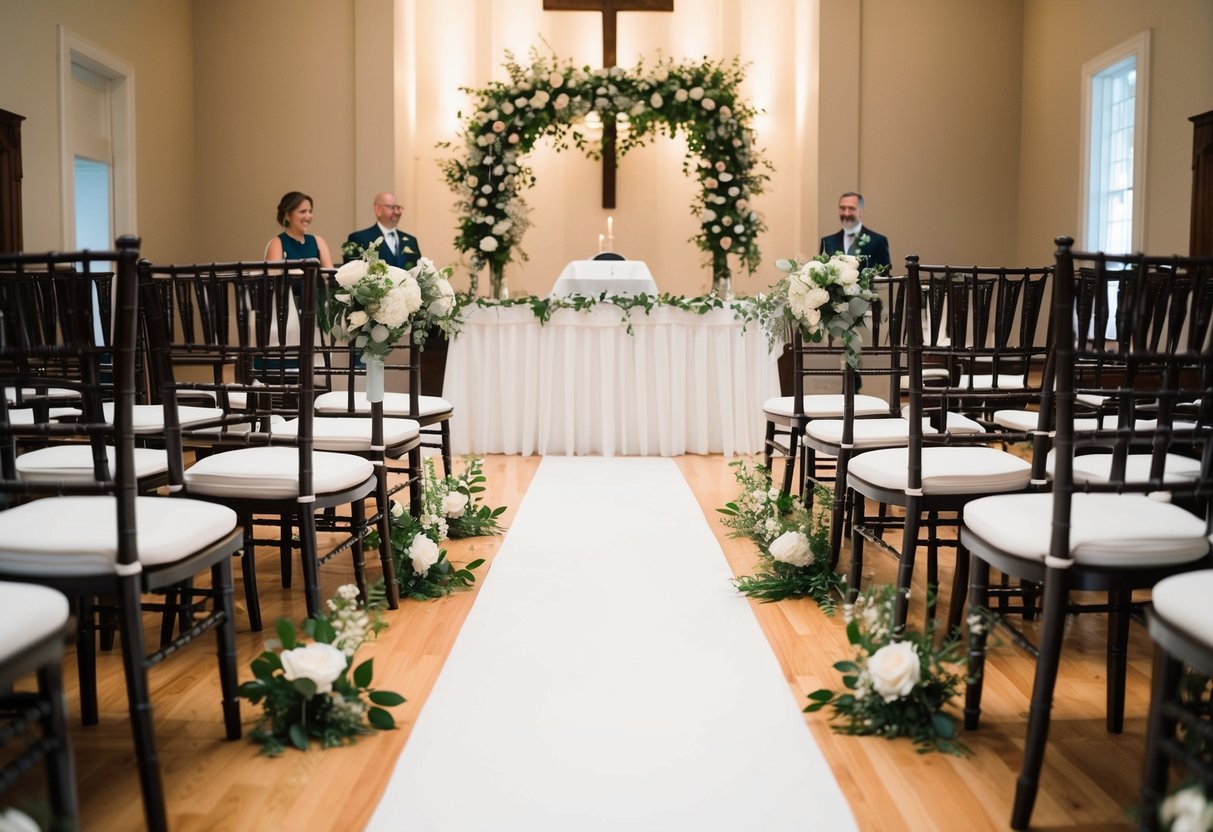
The rehearsal typically involves everyone involved in the ceremony, such as the officiant, bridesmaids, groomsmen, and other participants.
You’ll go through key moments like the processional, exchanging vows, and any special traditions you plan to include. Walking through these steps together can make a big difference in easing nerves and making your wedding day run smoothly.
By the end of the rehearsal, you’ll have a clear vision of how your ceremony will unfold. This teamwork not only boosts everyone’s confidence but also helps create a fun and memorable experience as you prepare to say “I do.”
Planning Your Wedding Rehearsal
Planning your wedding rehearsal is an important step to ensure everything goes smoothly on the big day. It involves selecting the right date and venue, creating a checklist, and coordinating with your guests.
Choosing The Date and Venue
Start by selecting a date for your rehearsal that works well for you and your wedding party. Aim for a time close to your wedding, often one or two days before. This helps everyone remember their roles.
Choosing the right venue is essential.
Ideally, you want to rehearse at your actual ceremony venue. This gives everyone a chance to familiarize themselves with the space. If that’s not possible, choose a similar setting.
Don’t forget to confirm the venue’s availability and any setup requirements beforehand. This will help avoid any last-minute issues.
Creating a Wedding Rehearsal Checklist
A wedding rehearsal checklist helps keep everything organized. Start by listing the key elements you need to cover, such as:
- The processional order
- How to present the rings
- The recessional order
Make sure to include roles for everyone involved. Whether it’s the best man, maid of honor, or parents, everyone should know what to do.
Using a physical or digital checklist can help you keep track of progress and ensure no important details are overlooked.
Invitations and Coordination
Once your date and venue are set, it’s time to invite your wedding party and close family to the rehearsal.
Send out invitations a few weeks in advance. Clearly specify the date, time, and location of the rehearsal.
It’s helpful to coordinate with the wedding planner if you have one. They can assist in managing RSVPs and ensuring everyone knows the schedule.
For the dinner after the rehearsal, consider a casual setting. This is a great way to bond with your loved ones and get everyone excited for the wedding day.
Having a fun, relaxed dinner helps everyone feel more connected and ready to celebrate.
The Rehearsal Process
The rehearsal process is an important part of preparing for your wedding day. It involves practicing the ceremony details so everyone knows their roles. This helps reduce nerves and ensures that the big day goes smoothly.
Key elements include walking through the ceremony, discussing important points, and understanding the choreography.
The Walk-Through
During the walk-through, you and your wedding party practice the physical movements of the ceremony. This includes the processional, where everyone walks down the aisle, and the recessional, when the ceremony is over.
Each person, like the best man, maid of honor, flower girl, and ring bearer, needs to know when and where to move. You’ll also practice standing positions at the altar with the officiant.
It’s helpful to walk through each step slowly, making sure everyone feels comfortable with their spots.
The Talk-Through
The talk-through is just as vital as the walk-through. Here, you discuss key elements of the ceremony, which include the vows, readings, and the exchange of rings.
Make sure everyone understands their roles during these moments. The officiant will explain what will happen during the ceremony, including any rituals or special traditions.
This is also a good time to address any questions or concerns your party members may have.
Understanding Ceremony Choreography
Ceremony choreography involves the blocking of the ceremony, which refers to the planned movements and positioning of everyone involved.
Knowing where to go and when helps everything flow smoothly. You and your wedding party will learn the timing of specific moments, like when to step forward to exchange rings or take part in readings.
By mastering the choreography, you set up for a seamless performance on your wedding day. Everyone will feel confident, which makes the day more enjoyable for you and your guests.
Key Roles and Responsibilities
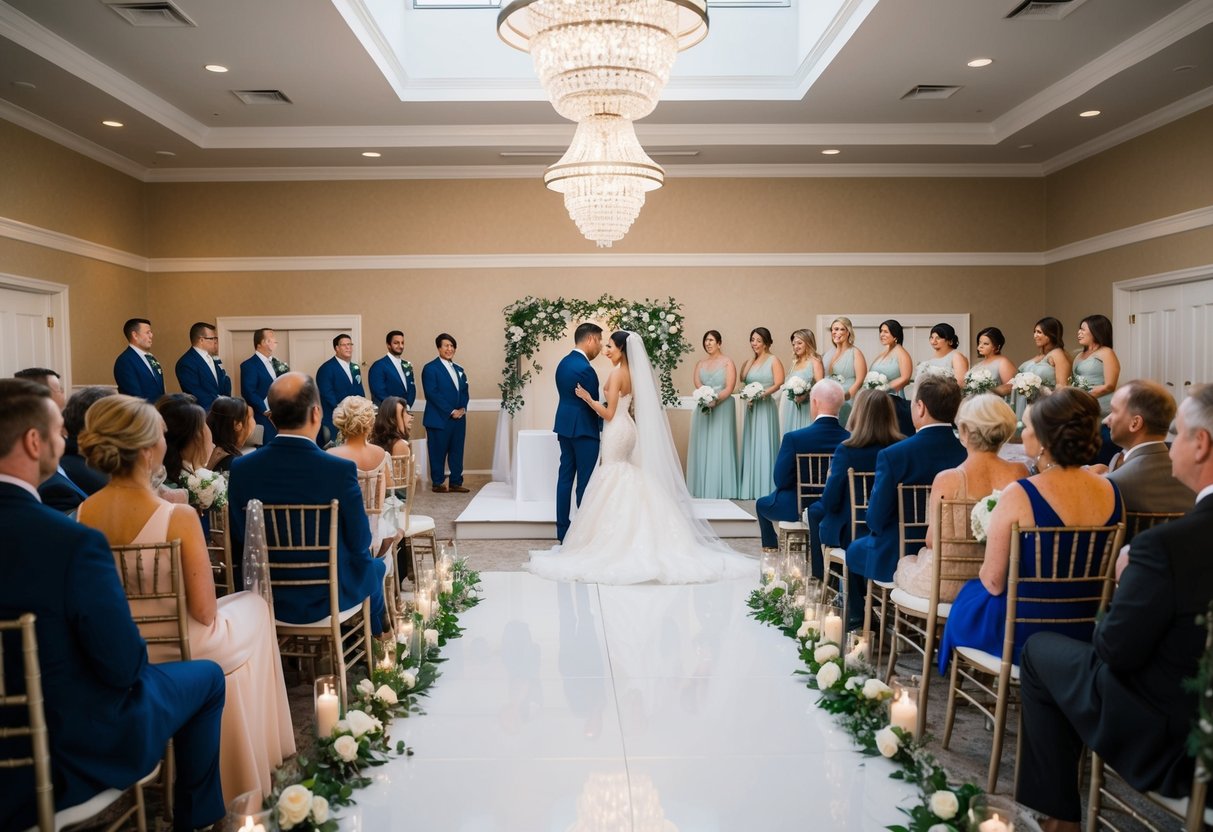
Understanding the key roles and responsibilities during a wedding rehearsal helps everyone know their tasks. A clear outline ensures everything runs smoothly, making the big day less stressful.
The Roles of the Wedding Party
Your wedding party plays a crucial role in the rehearsal. The bride and groom are at the center, guiding everyone through the ceremony.
The maid of honor and best man support the couple by organizing the details. They ensure that the groomsmen and bridesmaids know their places during the ceremony.
The flower girl and ring bearer have specific tasks. The flower girl spreads petals down the aisle, while the ring bearer carries the rings, often on a special pillow.
Everyone must practice their movements to feel confident on the big day.
Guidelines for Officiants and Readers
The officiant leads the ceremony and ensures it flows smoothly. At the rehearsal, you will discuss the order of events, including readings and rituals.
Readers have important parts too, as they convey selected texts that add meaning to your ceremony.
It’s essential that they practice their readings aloud. This helps them feel comfortable and familiar with the words.
Make sure your officiant understands your preferences, such as wording and pacing. Good communication is key to creating a warm atmosphere on your wedding day.
Duties of Ushers and Other Helpers
Ushers assist guests as they arrive, showing them to their seats. Make sure they know where to direct guests, especially if you have a seating chart.
They can also help with handing out programs or keeping track of important items like the couple’s bouquet.
Communication among ushers is important to ensure nothing is overlooked.
Other helpers may include family members or friends who can assist with tasks that pop up. Everyone has a role that contributes to easing stress on the wedding day, so clarify duties at the rehearsal.
Perfecting the Details
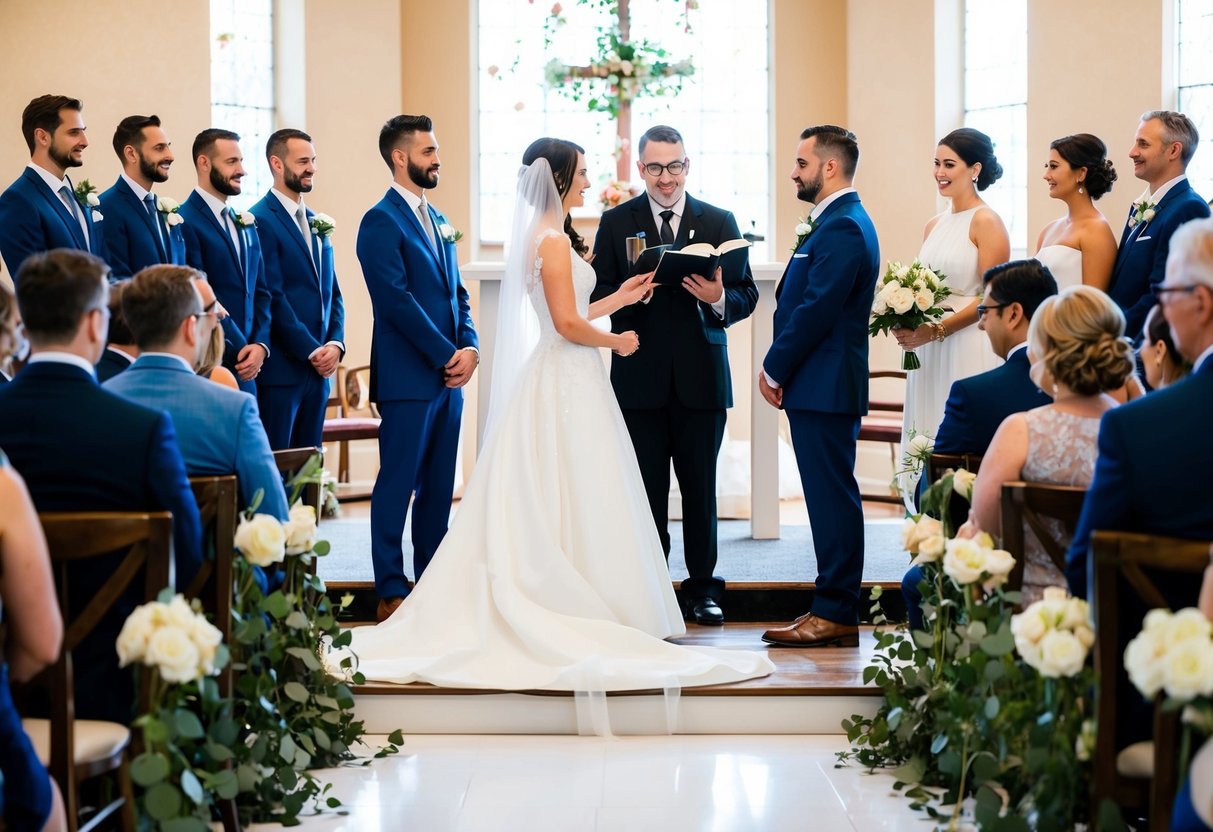
As you approach your wedding rehearsal, focusing on the details can make a big difference. You want every element to be in sync for a stress-free wedding day. Let’s break down what to pay attention to during this important time.
The Final Hand-Off of Ceremony Elements
This part of the rehearsal involves the final transfer of important items that will be used during the ceremony. This includes things like your rings, programs, and any unity items like candles or sand.
Make a list of these items and assign someone responsible for each. This ensures that nothing is overlooked.
You might also want a physical checklist handy. For example:
- Rings: Best Man holds
- Programs: Shuffled by wedding party
- Unity Candle: Placed at the altar
Giving clear instructions will help everyone know their roles and eliminate any confusion on the big day.
Addressing Last-Minute Details
In the hours leading up to your wedding, small details can surface. Make it a point to address any last-minute concerns during the rehearsal. This could involve timing for music cues or adjustments to seating.
Gather your bridal party and officiant to talk through each portion of the ceremony. Assign a designated point person, like a trusted friend, to handle last-minute adjustments if needed.
As you work through these details, remember to stay calm and focused. Ask questions if something isn’t clear. This way, everyone feels confident about their roles.
Taking time to perfect these details will help ensure that your wedding rehearsal is a success!