
What Does a White Dress Mean in a Wedding? Exploring Tradition and Symbolism
The white wedding dress is one of the most recognized symbols of a wedding in western culture. It represents purity, innocence, and the commitment you make to your partner as you start this new chapter in your life.
This tradition dates back to the 19th century when Queen Victoria chose to wear white for her marriage to Prince Albert, setting a trend that many brides still follow today.
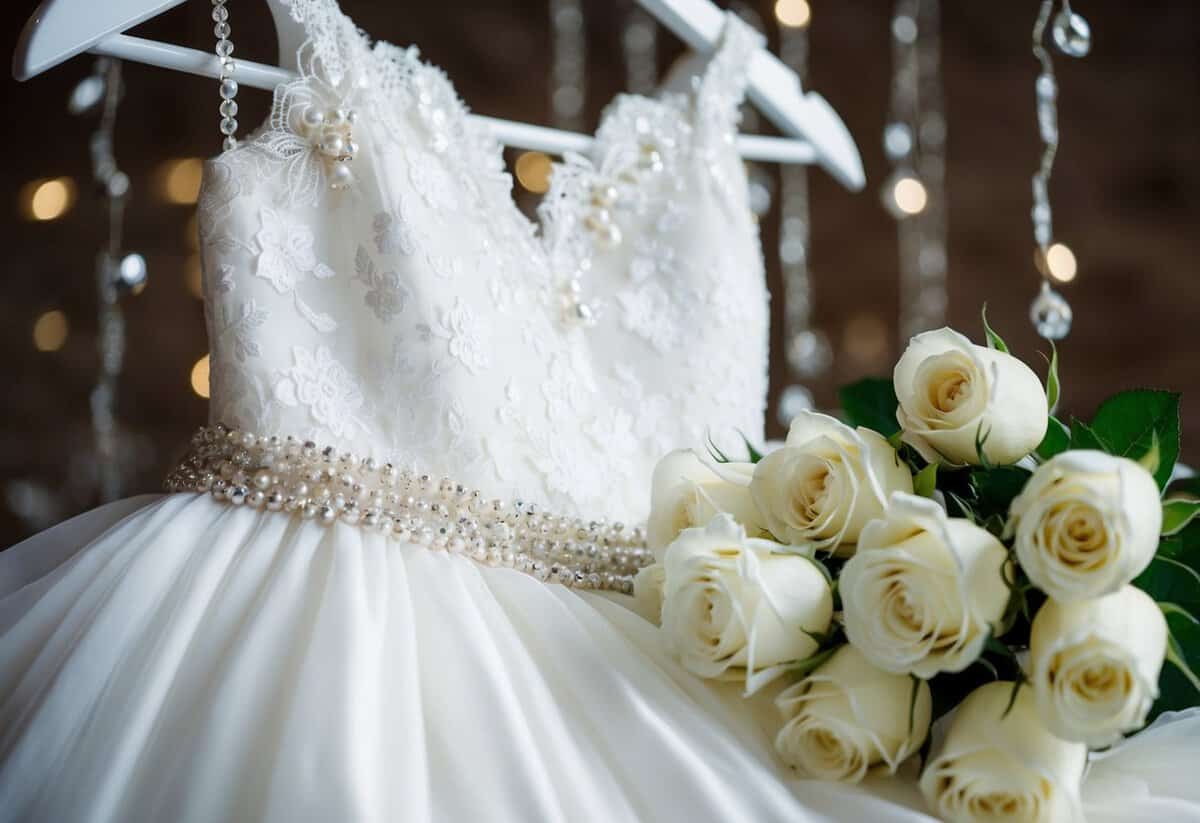
While the color white might bring to mind images of a traditional bride, it also reflects the love and joy of the occasion. Many brides choose white to honor this long-standing custom, believing it embodies hope and positivity for their future together.
The white dress is not just an outfit; it signifies the depth of your commitment and the beginning of a beautiful journey with your partner.
As you prepare for your special day, understanding the significance of your wedding dress can help you appreciate the tradition you are taking part in. Whether you embrace the symbolism of a white dress or choose something different, it’s a celebration of love and unity that connects you with brides throughout history.
The Historical Significance
Understanding the historical significance of the white wedding dress gives you insight into its lasting impact on wedding traditions. From royal influences to cultural shifts, each factor contributed to what this dress symbolizes today.
Queen Victoria and the White Wedding Dress
Queen Victoria played a key role in popularizing the white wedding dress tradition. In 1840, she wore a white gown made of silk satin for her marriage to Prince Albert. This bold choice was unusual at the time, as brides typically wore colorful dresses or those made from richer fabrics.
Her gown featured lace and a simple, elegant style that set trends. It symbolized purity and innocence, which were highly valued in Victorian society. After her wedding, many brides followed suit, leading to the rise of the white gown as a staple in Western weddings.
Evolution of Bridal Gowns in Western Cultures
The evolution of bridal gowns in Western cultures spans several centuries. Before the Victorian era, brides chose dresses based on practicality rather than tradition. They often wore their best dresses, regardless of color.
Queen Victoria’s influence shifted this practice. The white wedding dress became a symbol of purity and wealth, as it showcased the bride’s ability to afford such a gown. As time progressed, styles changed, from the elaborate designs of the late 19th century to the more simplified looks of the mid-20th century.
Today, the white wedding gown is not just a norm; it holds deep cultural significance around the world.
Influence of Fashion on the Wedding Gown
Fashion has greatly influenced the design and popularity of white wedding gowns. Styles come and go based on trends seen in society and on the runway.
Designers create dresses that reflect current tastes while maintaining elements of traditional elegance.
In the 1920s, for example, simpler lines and shorter hemlines emerged, creating a modern take on the wedding dress. The mid-century brought a resurgence of more voluminous skirts, reflecting the post-war optimism.
In recent years, there has been a mix of vintage and contemporary designs, allowing for variety and personalization.
The white wedding gown continues to be a timeless tradition, evolving with fashion while still holding onto its rich history.
Symbolism and Meaning
The white wedding dress carries rich meanings and symbols that many brides cherish. It reflects ideas of purity, love, and new beginnings, while also allowing for personal expression in modern weddings. Let’s explore the layers of symbolism this iconic dress represents.
Purity, Innocence, and New Beginnings
The white color has long been associated with purity and innocence. Traditionally, when you wear a white wedding dress, it symbolizes a fresh start in your life as you enter marriage. This color choice often reflects the hope and excitement for a new chapter.
Brides often feel that wearing white captures their commitment to a loving and faithful relationship. It signifies the joy and sacredness of the vows you will make.
This symbolism connects deeply to the idea of purity both emotionally and spiritually as you embark on this journey of love.
White Color as a Symbol of Love and Hope
In addition to representing purity, the white dress also signifies love and hope. White is often seen as a neutral color that highlights other emotions. It can create a beautiful backdrop for the romance shared between you and your partner on this special day.
Choosing a white dress conveys a sense of aspiration for the future. It embodies your hope for a successful marriage full of love.
With the brightness of the white dress, your love story takes center stage, leaving a lasting impression on everyone around you.
Individuality and Personal Choice in Modern Weddings
Today, the meaning behind a white wedding dress is evolving. Many brides choose white not just for tradition, but as a reflection of their personal style.
You might decide to wear a white dress to honor custom while also adding your unique flair.
In modern weddings, you might opt for non-traditional designs or even colorful dresses. The essence of your wedding attire can still reflect the themes of love and individuality, showcasing your personality.
Choosing how to express yourself through your wedding dress makes a powerful statement about who you are and what love means to you.
Cultural Significance and Variations
The colors and styles of wedding dresses carry deep meanings across different cultures. From sacred traditions to personal expression, each choice reflects the bride’s beliefs and values. Understanding these variations can help you make an informed decision about your bridal attire.
Wedding Dress Colors and Their Meanings
While white is the most popular color for wedding dresses in many Western cultures, other colors have their own meanings. For example, red symbolizes luck and prosperity in Chinese weddings. Black can represent elegance and sophistication. Each color choice reveals something about the bride’s background and personal beliefs.
Brides today often mix traditional meanings with their personal preferences, creating unique styles. This blend of tradition and individuality highlights the rich tapestry of wedding attire across cultures.
Personal Expression and Bridal Fashion
Your wedding dress is a chance to express who you are. Many modern brides are moving beyond the classic white gown and opting for colors and styles that reflect their personality.
From colorful gowns to chic pantsuits, these choices let you showcase your individuality.
Bridal fashion has evolved. Choices such as varying silhouettes and unique accessories, like veils or floral crowns, allow you to honor traditions while still making a statement.
This flexibility brings a fresh take to bridal fashion, celebrating both personal taste and cultural significance.
Biblical and Spiritual Perspectives on Bridal Attire
In some religious traditions, wedding attire holds spiritual meaning. For instance, white dresses symbolize purity and innocence, reflecting biblical ideals. Other beliefs emphasize modesty, urging brides to choose more covered styles for their ceremonies.
These perspectives are not limited to just one tradition. Across various cultures, the significance of a bridal gown can connect to sacred values and spiritual beliefs. Understanding these biblical and spiritual angles can guide you in choosing attire that resonates with your heart and respects your heritage.
The Wedding Ceremony and its Traditions
The wedding ceremony is rich with traditions that highlight love, commitment, and values. One of the most important aspects is the choice of attire, especially the bride’s white dress and veil. These elements hold significant meaning in the context of the ceremony.
Significance of the White Dress in the Wedding Ceremony
Wearing a white dress has become a beloved tradition in weddings. It symbolizes purity and innocence, reflecting the bride’s commitment to her partner. This color choice is often connected to the idea of a fresh start in a new life together.
Historically, the white dress gained popularity in the 19th century, largely thanks to Queen Victoria’s marriage. Since then, many brides have chosen white to signify their special day.
The dress represents not just the bride’s beauty but also her values, including cleanliness and hope for a lasting relationship.
The meaning of the white dress has evolved, but it remains a powerful symbol, marking the transition into a new chapter of life. You may find that this tradition resonates deeply with the personal beliefs and history of the couple.
The Role of the Veil and Its Historical Roots
The veil is another important component of the wedding ceremony. Traditionally, it symbolizes modesty and virginity, linking back to customs where brides wore veils to show their purity.
Many cultures see the veil as a protective covering, representing the bride being shielded from evil spirits. Veils come in various styles, each conveying unique meanings and traditions.
In modern ceremonies, wearing a veil can also signify a bride’s commitment and connection to her heritage. Some choose to wear a veil as a nod to their family history or cultural values.
By incorporating a veil into your wedding attire, you connect with the rich tapestry of customs that surround the celebration of love and commitment.