
What Does the Bride Usually Pay For? A Guide to Wedding Expenses
When planning a wedding, you might have questions about finances. Typically, the bride’s family pays for most of the wedding expenses. This includes everything from the engagement party to the wedding venue and catering costs. Understanding this financial etiquette can help you create a clear wedding budget that reflects these traditions.
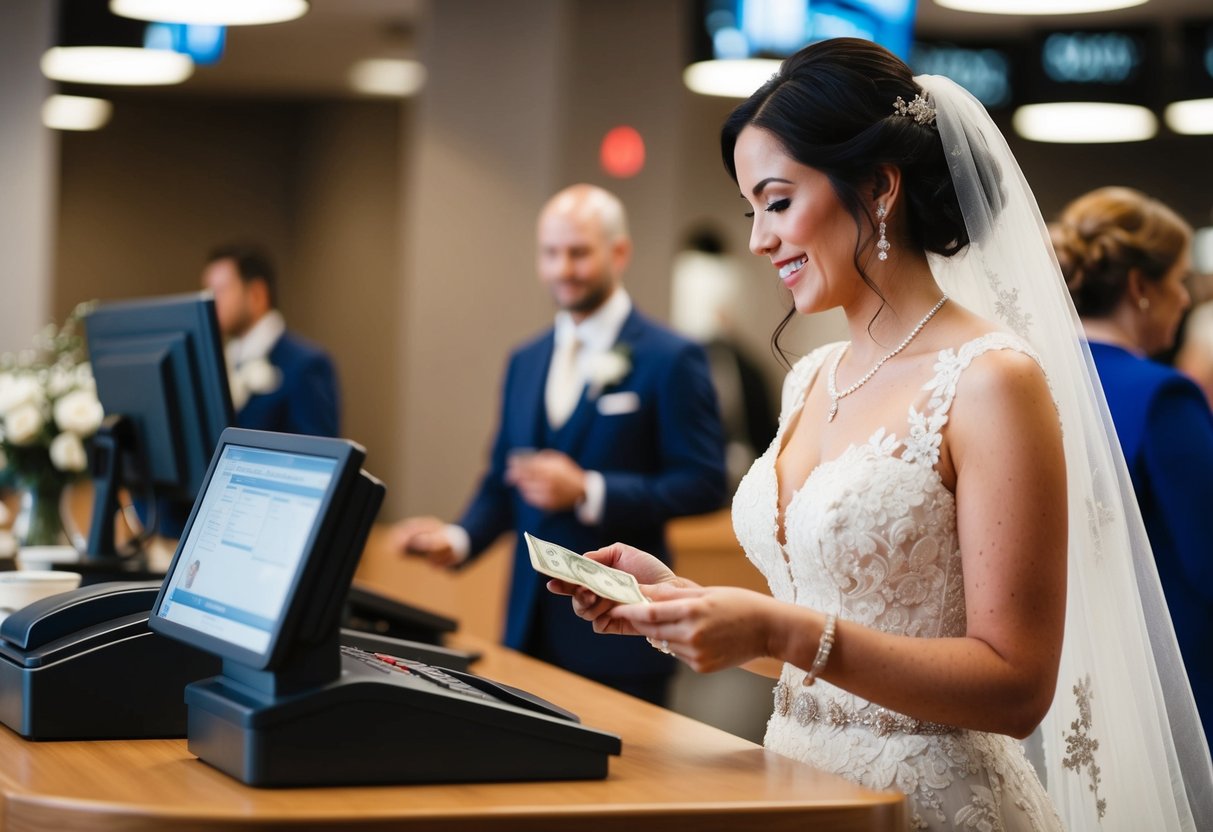
You may also wonder what specific items fall under the bride’s responsibility. Traditionally, the bride pays for items like the wedding dress, flowers, and professional services like photography and entertainment. Knowing who traditionally pays for what can guide your planning and help you communicate expectations with your family and fiancé.
As you navigate these financial decisions, consider the timeless advice of Emily Post on wedding etiquette. Being aware of these traditions can ease any stress and ensure that your special day goes smoothly, allowing you to enjoy every moment of this exciting time.
Bridal Attire and Beauty
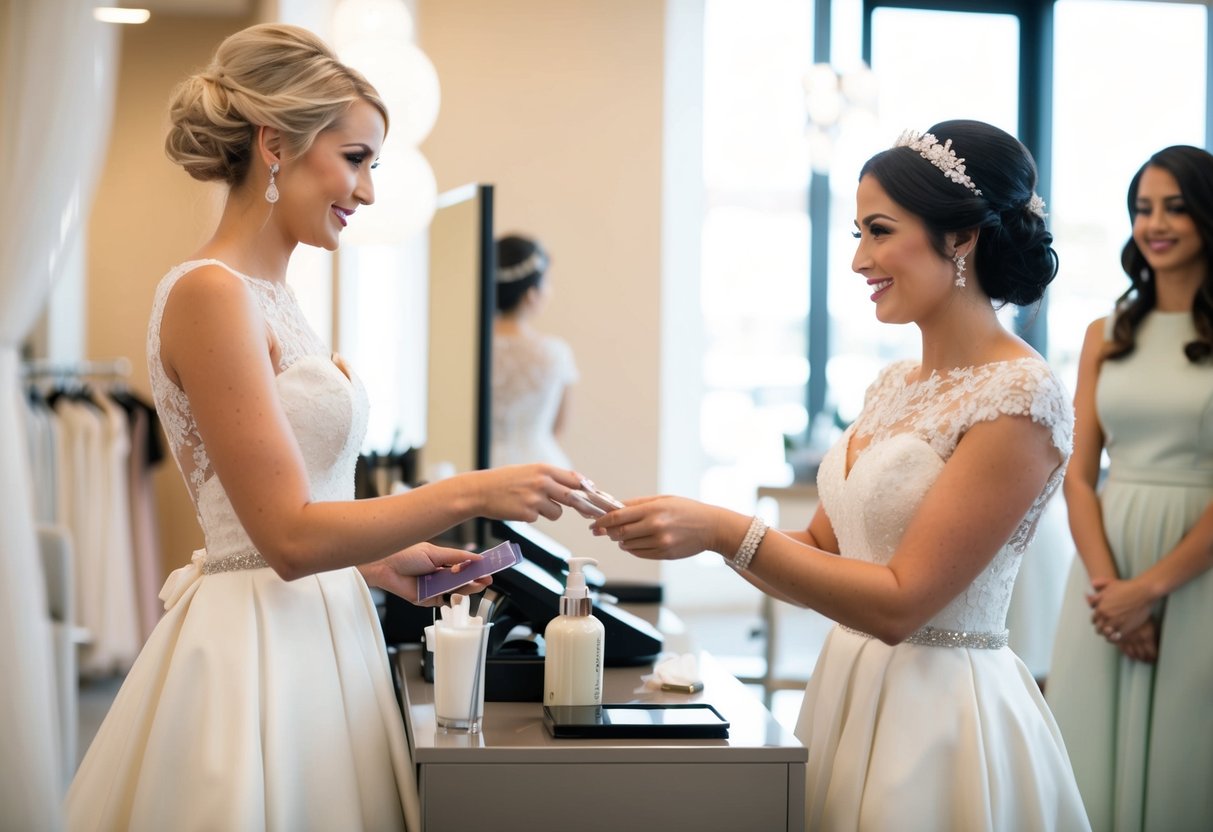
When planning your wedding, bridal attire and beauty are crucial elements to consider. This includes your wedding dress and any necessary alterations, as well as your hair and makeup for the big day.
Wedding Dress and Alterations
Your wedding dress is one of the most important aspects of your bridal look. Traditionally, the bride is responsible for paying for her wedding gown. This includes not just the dress itself, but also accessories like the veil, shoes, and any jewelry.
It’s essential to budget for alterations. Most dresses require some fitting to ensure they flatter your figure perfectly. Alterations can include adjusting the hem, taking in the sides, or adding custom features. You may want to set aside around 10-20% of your dress budget for these adjustments.
Hair and Makeup for the Bride
On your wedding day, looking your best is key. Brides typically cover the cost of their hair and makeup, which can vary widely in price depending on the stylist and the complexity of the look.
Consider booking a trial session before the wedding day. This helps you determine what styles work best for you and gives you peace of mind. Don’t forget to think about additional costs, such as touch-up supplies or tips for your hair and makeup artists. It’s helpful to allocate around $150 to $400 for these services to ensure you’re happy with how you look as you walk down the aisle.
Pre-Wedding Events
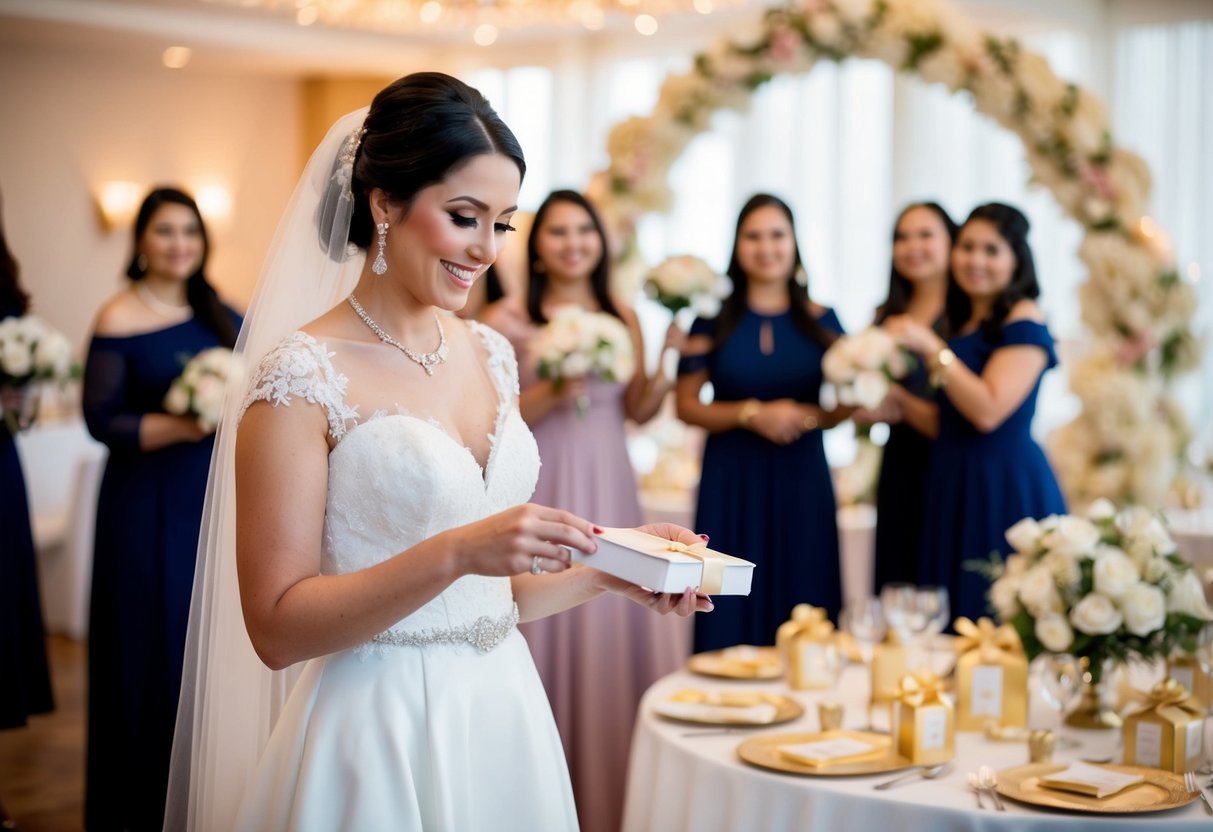
Planning your pre-wedding events is an exciting part of the journey leading up to your big day. Each event has its own importance and costs, which often fall on you or your family. Let’s look at the key aspects of the engagement party, bridal shower, and bachelorette party.
Engagement Party Logistics
Your engagement party is usually one of the first celebrations after the proposal. Often, this event is hosted by your parents or close friends, but it’s common for you to contribute to costs.
Key expenses can include:
- Venue rental: If the party isn’t at home, venues can range widely in price.
- Food and drinks: Catered meals or snacks, plus beverages, make a big difference.
- Decorations: Simple decorations can create a festive atmosphere without breaking the bank.
This party sets the tone for your wedding celebrations, so keep it personal and enjoyable for your guests.
Bridal Shower Details
The bridal shower is typically organized by your maid of honor and close friends. You may share some costs, such as venue or food, but it’s often their responsibility to handle the details.
Consider these elements:
- Location: Hosting at home can save money, while renting a venue might make it feel special.
- Games and activities: Fun games can make for memorable moments. Think about what suits your style.
- Gifts: Traditionally, guests bring gifts for you. This adds to the shower’s festive spirit and can help with household needs.
Your bridal shower is a chance for family and friends to celebrate you as a bride.
Bachelorette Party Planning
The bachelorette party is a fun way to celebrate with your close friends before the wedding. This is usually planned by your maid of honor, but you can share in the planning too.
Important details include:
- Destination: Whether it’s a local outing or a weekend trip, decide what feels right for you and your friends.
- Cost sharing: It’s common for guests to split the costs, but some expenses might be on you.
- Activities: Plan activities that everyone will enjoy, like a spa day, dinner, or a night out.
Your bachelorette party is an opportunity to relax and have fun with your friends before the big day.
Ceremony Essentials
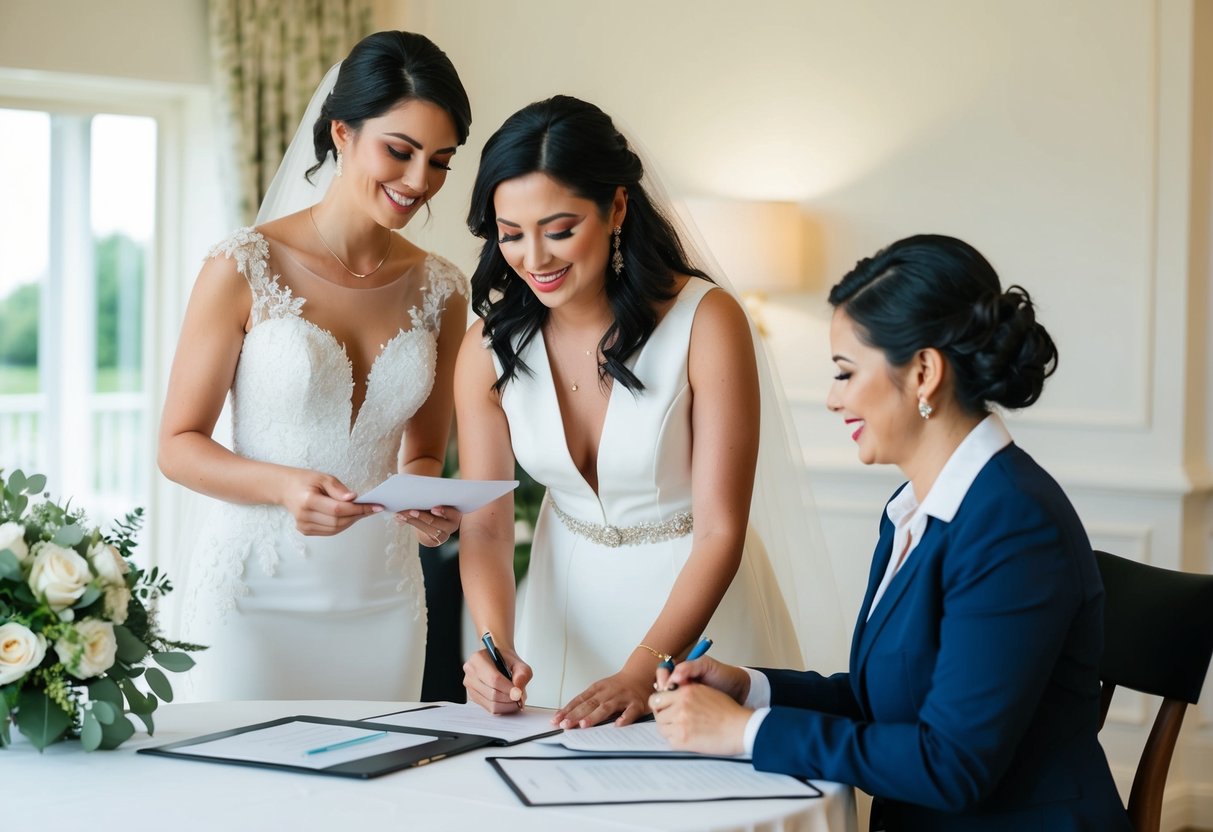
When planning your wedding ceremony, there are important expenses you should consider. This includes the marriage license, officiant fee, and the bridal bouquet along with other floral arrangements.
Marriage License and Officiant Fee
You will need a marriage license to make your wedding official. This is usually one of the first things to handle. The cost varies by location, so check your local county clerk’s office for details.
Next, you should budget for the officiant fee. This is the person who will perform your ceremony. Fees can range from $100 to $500, depending on their experience and the length of the ceremony. Some officiants may also charge for pre-marital counseling or travel expenses, so ask about all costs up front.
Bridal Bouquet and Floral Arrangements
Your bridal bouquet is a key part of your wedding day. It not only adds beauty to your look but also plays a big role in photos. Expect to spend between $150 and $300 for a custom bouquet, depending on the flowers you choose.
In addition to your bouquet, consider other floral arrangements. This includes flowers for the ceremony site, bridesmaids, and possibly centerpieces for the reception. Partner with a florist early on to discuss options and pricing. It’s a great way to bring your wedding theme to life with beautiful blooms!
Reception Responsibilities

When planning your wedding reception, there are several key responsibilities that typically fall on you as the bride. This includes selecting the venue, arranging catering, and deciding on important elements like the cake, decor, and music.
Venue and Catering Considerations
Choosing the right venue is crucial, as it sets the mood for your entire reception. You’ll want to consider factors like capacity, location, and style.
Once you select the venue, catering comes next. Decide whether to go with a sit-down dinner, buffet, or food stations. Make sure to discuss menu options that cater to your guests’ dietary needs. Don’t forget about beverages; if you’re serving alcohol, you might need to budget for an open bar or signature cocktails.
Cake, Decor, and Reception Music
Your wedding cake is a centerpiece, so pick one that reflects your style. Arrange a cake tasting to find flavors you love.
Remember, cakes can range in price based on size and design, so keep your budget in mind.
For decor, focus on elements like flowers, table settings, and lighting. Floral arrangements should complement your color palette.
Lastly, choose music that fits the atmosphere. Consider hiring a DJ or live band and create a playlist that keeps the energy up throughout the night.