
What Does the Father of the Bride Do When He Gives Her Away? A Heartfelt Look at His Special Role
When it comes to a wedding ceremony, the moment when the father of the bride gives her away is often filled with emotion and significance. Traditionally, he walks her down the aisle and may respond to the officiant’s question about who gives her away. He often says, “I do” or “Her mother and I do.” This act symbolizes his support and blessing for the union, making it a cherished part of the day.
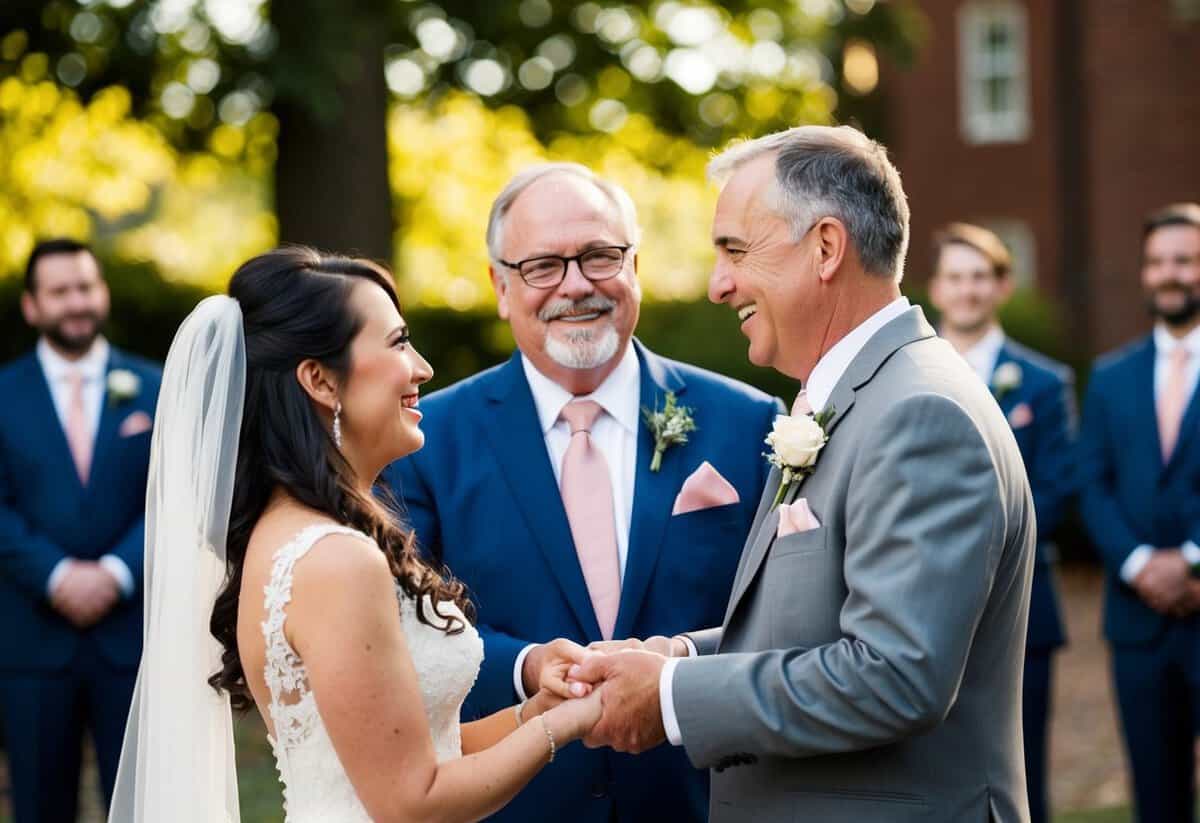
In modern weddings, couples often adapt this tradition to fit their values and desires. You might see both parents walking the bride down the aisle, or she may choose to walk solo, marking her independence. Regardless of how it’s done, the moment is still meaningful and highlights the bond between the father and daughter.
Understanding what the father of the bride does during this special time can enhance your appreciation for the ceremony. It reflects the blend of tradition and personal flair that today’s weddings embody, making each celebration unique.
Historical Significance and Evolution
The tradition of a father giving away his daughter has deep historical roots. This act has changed over time, reflecting shifts in social norms and family structures. Today, it symbolizes blessing and support rather than a transfer of ownership.

In ancient cultures, marriages often involved a dowry, which was property or money transferred from the bride’s family to the groom. This practice was tied to the idea that women were possessions to be exchanged. The father’s role was to protect his daughter and ensure her future.
As society evolved, the focus shifted from a financial transaction to a more emotional gesture. The act of giving the bride away became a symbol of the father’s blessing and approval of the union. In modern ceremonies, it reflects love and support rather than ownership.
From Dowry to Blessing
In ancient cultures, marriages often involved a dowry, which was property or money transferred from the bride’s family to the groom. This practice was tied to the idea that women were possessions to be exchanged. The father’s role was to protect his daughter and ensure her future.
As society evolved, the focus shifted from a financial transaction to a more emotional gesture. The act of giving the bride away became a symbol of the father’s blessing and approval of the union. In modern ceremonies, it reflects love and support rather than ownership.
Global Wedding Traditions
Wedding traditions vary across cultures. In many Jewish traditions, the father gives away the bride as part of the ceremony, often accompanied by a blessing. This act emphasizes family unity and the importance of the marriage bond.
In Christian wedding ceremonies, the father’s role is also significant. He often walks the bride down the aisle, symbolizing the transfer of responsibility. Different cultures may have unique interpretations, incorporating local customs. For instance, in some regions, both parents may participate in giving away the bride, which underscores the importance of family in the marriage process.
Roles and Responsibilities
Your role as the father of the bride is significant in many ways. You play a part in planning, offering support, and participating during the wedding ceremony. Each phase of this special time has its own responsibilities that can help make the day memorable for both you and your daughter.
Before the Wedding Day
In the lead-up to the wedding, your responsibilities include both financial support and emotional guidance. Discuss the budget with your daughter and partner to determine how much you will contribute. This could involve paying for certain expenses like the venue, catering, or flowers.
You may also help organize events like the rehearsal dinner. This gathering creates a warm atmosphere for families and the wedding party to connect. During this time, you should offer your daughter reassurance as she navigates the stress of wedding planning.
During the Ceremony
On the wedding day, your most visible duty is to walk your daughter down the aisle. This act is symbolic, representing your support and blessing as she moves into a new chapter in her life. When the officiant asks, “Who gives this bride away?” you can respond with “I do” or a similar phrase that reflects your family’s beliefs and values.
You should also be prepared to give a brief speech if you’d like to share your feelings about the day. This can be a wonderful opportunity to reaffirm family ties and express your love and pride.
Reception and Beyond
After the ceremony, your responsibilities transition to ensuring the reception runs smoothly. You may be involved in welcoming guests and introducing family members. This is a great time to connect with everyone and create a joyful atmosphere.
You might also consider arranging a special moment like a father-daughter dance. This symbolizes your bond and shared memories. Don’t forget to think about a thoughtful wedding gift for your daughter and her partner that reflects your love and support as they start their married life together.
Modern Interpretations and Alternatives
As wedding traditions evolve, many modern brides and their families are embracing new ways to honor the moment of giving the bride away. These alternatives focus on personal connections and family ties rather than strict adherence to past customs.
Alternative Participants
Instead of just the father of the bride taking center stage, many couples now choose alternative participants. This can include the mother of the bride, a stepfather, or even a brother or grandfather.
In some ceremonies, both parents walk the bride down the aisle together, symbolizing their joint support and love. In other cases, the bride may choose to walk in alone or with both parents by her side. This creates a more inclusive atmosphere that reflects the bride’s unique family structure.
Another option is inviting a close family member or friend, like an uncle or mentor, to take part in the giving away. This personal touch makes the moment feel special and tailored to your life.
Contemporary Wordings
Changing the wording of the traditional question can add emotional depth to the ceremony. For instance, instead of the classic, “Who gives this woman to be married to this man?” you can personalize it.
Your father might say, “I, along with her family, proudly support this marriage.” This modern phrase highlights the family’s involvement and joy in the union.
Another popular choice is to have both parents express their blessing together. They could say, “We support this union and give our daughter to [Groom’s Name]” to symbolize shared love and support.
Personalized and heartfelt language can turn this emotional moment into one that resonates more deeply with everyone present.