
What Happens When You Register Your Wedding? Unlocking Benefits and Essential Steps
Registering for your wedding is an exciting step for engaged couples. It’s the perfect time to share what you and your partner truly want for your new life together. When you register, you create a curated list of gifts that reflect your needs and style. This makes it easier for your guests to choose something special for your celebration.
As you start this process, think about the items that will help you build your home. Whether it’s kitchen gadgets, home decor, or experiences like a honeymoon fund, your wedding registry helps connect you with your loved ones. Don’t forget that updating your registry is essential as gifts are purchased, ensuring there are always great options available.
Getting your registry set up can also spark creativity and excitement. You can explore various stores and websites that cater to different price points and styles. This journey not only involves planning your future but also making the most of your special day with support from those who care about you.
Setting Up Your Wedding Registry
Creating your wedding registry is an exciting step in the planning process. You will choose the right platforms, decide on gift types, and utilize a checklist to stay organized. These steps will help ensure everything goes smoothly for you and your guests.
Choosing the Right Platforms
When setting up your wedding registry, choosing the right platform is vital. Popular options like Zola allow you to create a customizable registry that fits your style. They let you combine products from different retailers, which offers flexibility.
Make sure to consider where your guests prefer to shop. If most of your friends and family are keen on online shopping, platforms with easy online access are best. Also, think about in-store options for older relatives who prefer traditional shopping.
Deciding on Gift Types and Price Points
Next, you will need to decide what types of gifts to include in your registry. It’s helpful to combine practical items with fun extras. Think about essentials like kitchenware, bedding, and home decor.
Pay attention to price points as well. Try to offer a range of gifts so every guest can find something that fits their budget. Items can range from affordable kitchen gadgets to a more expensive appliance. Balancing costs helps make guests feel comfortable finding a great gift.
Utilizing the Registry Checklist
Using a registry checklist is a smart way to keep track of what you need. This checklist can include categories like kitchen items, bedding, and entertainment needs.
Make sure to cross off items from the list as you add them to your registry. This will help avoid duplicates and keep your choices organized. Many platforms provide their own checklists, making it easier to remember important items.
Important Wedding Milestones
Planning a wedding involves many key moments. These milestones help keep your special day organized and ensure everyone is on the same page.
Save-The-Dates and Invitations
Sending out save-the-dates is one of your first tasks. These are informal notices to let your guests know about the wedding date. Ideally, you should send them out six to eight months before the wedding.
After that, you can focus on the invitations. These formal requests go out about two to three months before the big day. Make sure to include important details like the venue, date, and time. Consider choosing a theme for your invitations that matches your wedding style.
Don’t forget to ask for RSVPs so you can plan for your guest count!
Bridal Shower and Engagement Party
Next, you’ll want to think about pre-wedding celebrations. An engagement party can happen soon after you get engaged. This is a fun way to celebrate with friends and family. Invitations can be simple, and it’s a great opportunity to introduce families.
A bridal shower is another important event, usually held a few months before the wedding. This gathering is all about supporting you before your wedding. Gifts are often given to help you start your new life. Guests often enjoy games and sharing advice, creating lasting memories.
Again, be sure to send out invitations early!
The Wedding Ceremony Timeline
The wedding ceremony is the highlight of your big day. It typically follows a specific schedule that keeps everything organized. Some key components include the processional, vows, and ring exchange.
You’ll also want to consider the marriage schedule. This is a legal document that you’ll sign during your ceremony. Be clear on when it will be signed to avoid any confusion.
Share the timeline with your wedding party. This way, everyone knows where to be at the right time. Having a concise timeline helps the day run smoothly!
Navigating Wedding Events and Etiquette

Attending weddings involves understanding various roles and expectations. Each person involved plays a part in ensuring the celebration runs smoothly. Knowing your responsibilities and adhering to proper etiquette will help you enjoy the events leading up to the big day.
Wedding Party Responsibilities
If you are part of the wedding party, you have specific duties. As a bridesmaid or groomsman, your tasks may include helping with planning events like the bridal shower and bachelor or bachelorette parties. You’ll likely assist the couple with logistics on the wedding day as well.
It’s important to be supportive and maintain communication with the couple. Being organized will ease their stress. Remember to RSVP promptly for all events. If you are responsible for gifts, consider group gifting to share the cost and make purchasing easier.
Gifts for Special Ceremonies
Special ceremonies, like bridal showers or engagement parties, often require gifts. These gatherings create opportunities to celebrate the couple before the wedding day. Choose gifts that suit the occasion and the couple’s needs.
For bridal showers, consider practical items they can use in their new home. Cash gifts or gift cards can also be wonderful and flexible options. You might want to coordinate with others for group gifting, which can make a more significant impact without burdening anyone too much.
Registry Etiquette for Guests and Hosts
Understanding registry etiquette benefits everyone involved. Couples should register at multiple stores to provide guests with choices. Make sure your selections match different price points. This helps guests feel comfortable when shopping for gifts.
Guests should check the registry before choosing a present. Sticking to what the couple has requested will be appreciated. After the wedding, don’t forget to send thank-you notes promptly. A simple, heartfelt message can go a long way in expressing gratitude for gifts received.
Legal and Ceremonial Considerations
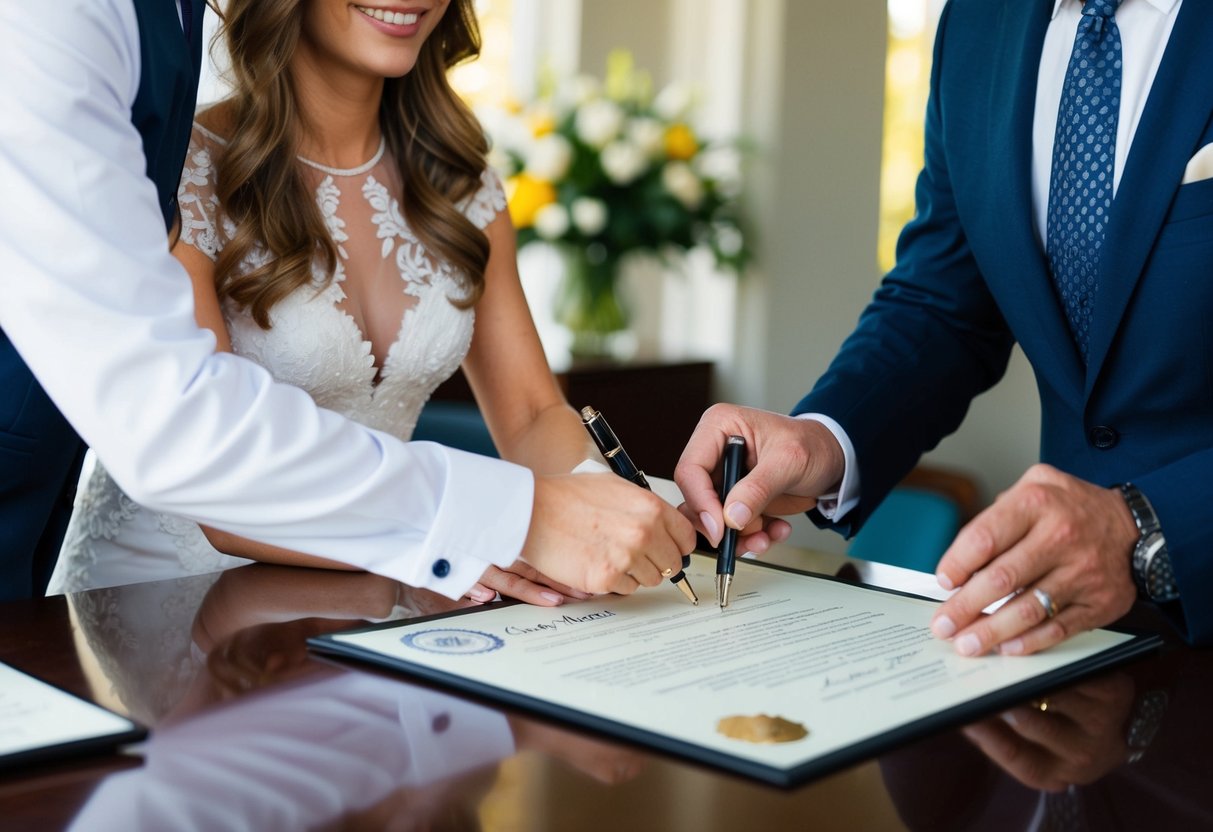
When you register your wedding, several important legal and ceremonial steps must be taken. Understanding the marriage license, the significance of witnesses, and the legal aspects of your ceremony will help ensure a smooth process.
Obtaining a Marriage License and Certificate
First, you need to obtain a marriage license from your local government office. This document gives you permission to marry. Requirements vary by state, so check your local laws. Usually, you will need to provide identification, pay a fee, and possibly have a waiting period before the ceremony.
After the wedding, the officiant will complete the marriage license and return it to the appropriate office. Once registered, you will receive your marriage certificate. This official document serves as proof of your marriage for future legal matters, like taxes or changing your name.
Religious and Legal Aspects of the Ceremony
The ceremony you choose can have both religious and legal aspects. Whether you opt for a religious ceremony or a civil one, it is essential to ensure that your officiant is authorized to conduct the marriage. This could be a religious leader, a judge, or another qualified person.
During the ceremony, certain vows and statements must be made to meet legal requirements. You may want to include special elements, such as wedding ceremony songs, that reflect your personal beliefs. Make sure to discuss any religious customs or traditions with your officiant to incorporate them properly.
The Significance of Witnesses
Having witnesses at your wedding is crucial. Most states require at least one or two witnesses to sign the marriage license. These individuals confirm that the marriage took place as declared.
You can choose friends or family members as witnesses, making this a meaningful role in your celebration. They will sign the marriage register, which is an essential part of the legal process. Their presence not only fulfills a legal obligation but also adds to the joy of your special day.