
What is a Celebrant Officiant? Understanding Their Role in Special Ceremonies
When planning a special event like a wedding, you might wonder who will lead the ceremony. A celebrant officiant plays a crucial role in this process. A celebrant officiant is a trained professional who creates and conducts personalized ceremonies tailored to your beliefs and desires. They are not limited by religious traditions, allowing for a more unique and heartfelt experience.
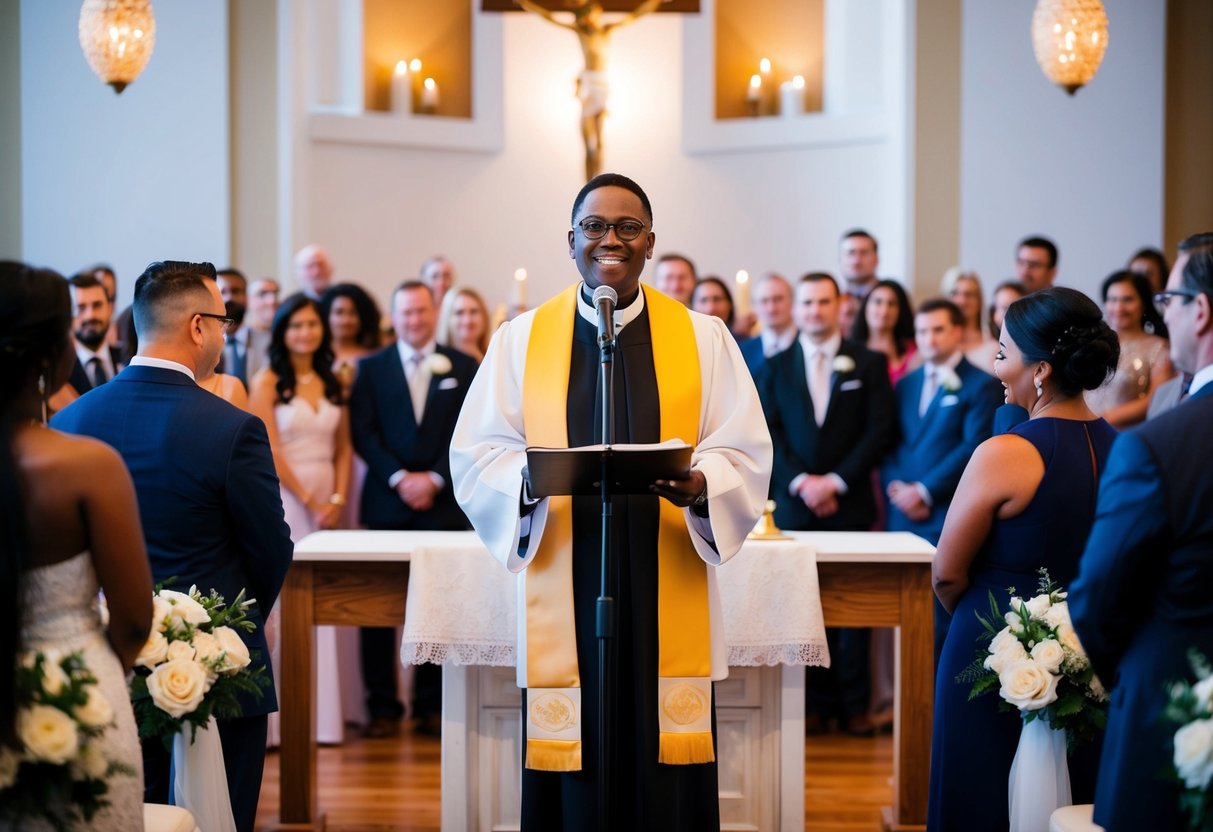
Choosing a celebrant gives you the freedom to shape your ceremony exactly as you envision. Whether you want a romantic wedding, a joyful renewal of vows, or a personalized memorial service, a celebrant can help bring your ideas to life. With their expertise, you can collaborate to include special rituals and words that truly represent you.
If you’re looking for someone who understands your vision and can help you create a meaningful event, a celebrant officiant might be the perfect choice. This option ensures that your ceremony reflects your values while still meeting all the necessary legal requirements.
Understanding Celebrants and Officiants
Celebrants and officiants play vital roles in life ceremonies. They help you create meaningful moments during events like weddings, memorials, and other rituals. Knowing their roles and the cultural variety can help you choose the right person for your special occasion.
Roles and Responsibilities
A celebrant is someone trained to create and conduct personalized ceremonies. They focus on reflecting your values and beliefs. This can be a wedding, a naming ceremony, or a memorial service.
Officiants, on the other hand, are often religious leaders such as priests, ministers, or rabbis. They perform similar duties during ceremonies but may be tied to specific religious practices.
Both celebrants and officiants oversee the exchange of vows and ensure all legal requirements are met when you say, “I do.” This includes signing marriage certificates and leading you through your ceremony’s key moments, whether they are traditional or modern.
Variety Across Cultures
The terms “celebrant” and “officiant” differ across cultures. In Canada and the UK, you might hear “celebrant” more often. In the U.S., “officiant” is the common term.
Celebrants can be humanist or civil, meaning they often approach ceremonies in a secular way. This allows flexibility in how rituals are crafted, focusing on personal stories rather than strict traditions.
Religious officiants adhere to specific customs, which can enhance the spiritual aspect of your ceremony. Knowing these differences can help you choose the right person who understands your vision and values for your event.
Celebrants in Different Types of Ceremonies
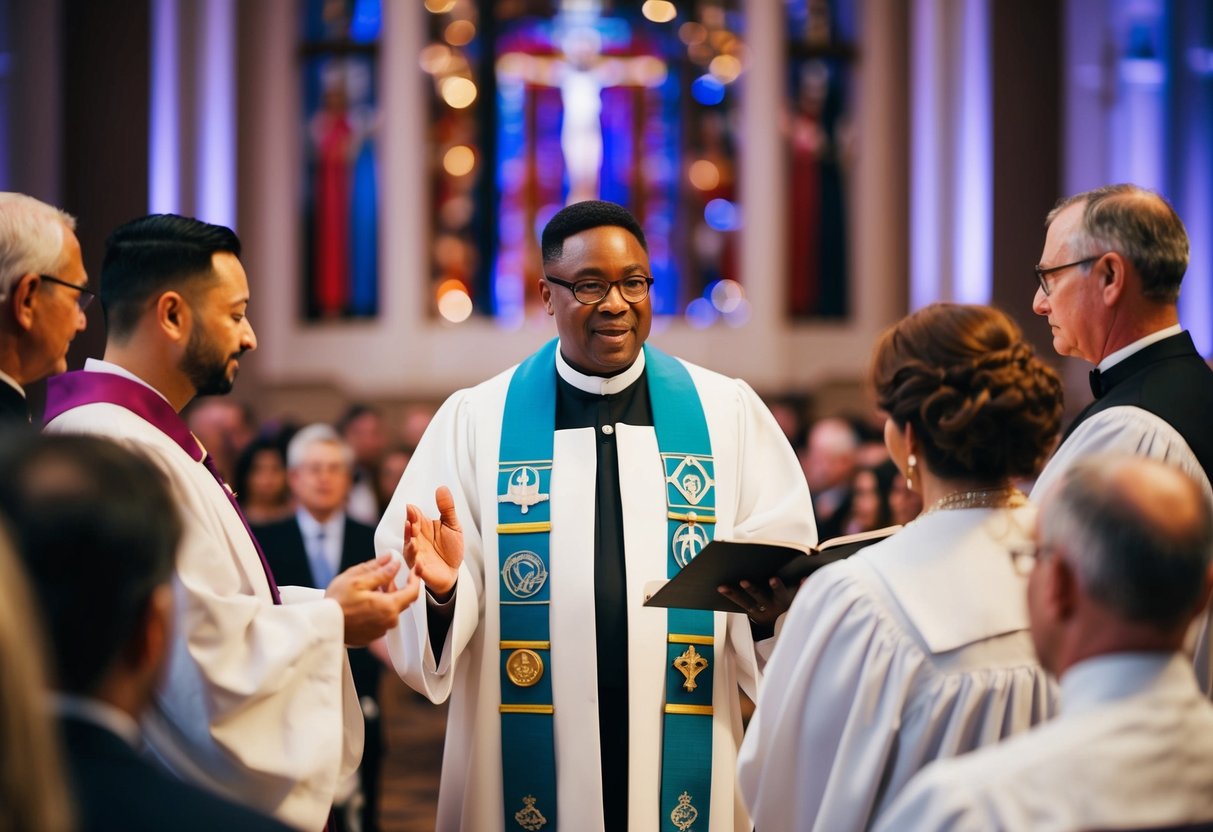
Celebrants play an important role in various ceremonies, customizing each event to reflect personal beliefs and values. Whether it’s a wedding, funeral, or vow renewal, they provide a unique touch that makes each occasion feel meaningful.
Weddings
When it comes to weddings, celebrants specialize in creating a unique and personalized wedding ceremony. They work closely with you to understand your ideas, preferences, and values.
A celebrant can help incorporate special rituals, readings, or cultural elements that might resonate with you. They ensure the ceremony reflects your love story and vision. This flexibility sets celebrants apart from traditional officiants.
The goal is to make your wedding experience beautiful and memorable. With a celebrant, your wedding ceremony can be as formal or informal as you desire.
Funerals
Celebrants also offer support during funerals, helping to create meaningful ceremonies that honor the deceased. They listen to your stories and understand the wishes of the family.
By working together, you can craft a ceremony that reflects the life and values of your loved one. Celebrants often include personal anecdotes, favorite songs, or readings that hold special meaning.
This can make the goodbye feel more personal and heartfelt. Knowing that the ceremony aligns with the wishes of the deceased can bring comfort and closure to family and friends.
Vow Renewals and Other Life Events
Celebrants are perfect for vow renewals and various life events too. If you want to reaffirm your commitment to your partner, a celebrant can help you create a special ceremony.
They can include meaningful rituals and reflections on your journey together. This makes the renewal feel just as important as your original wedding.
In addition, celebrants are skilled in crafting ceremonies for milestones like anniversaries, birthdays, and baby naming. Each event is personalized to reflect your unique story, ensuring that all significant moments are celebrated in style.
Legal and Cultural Nuances
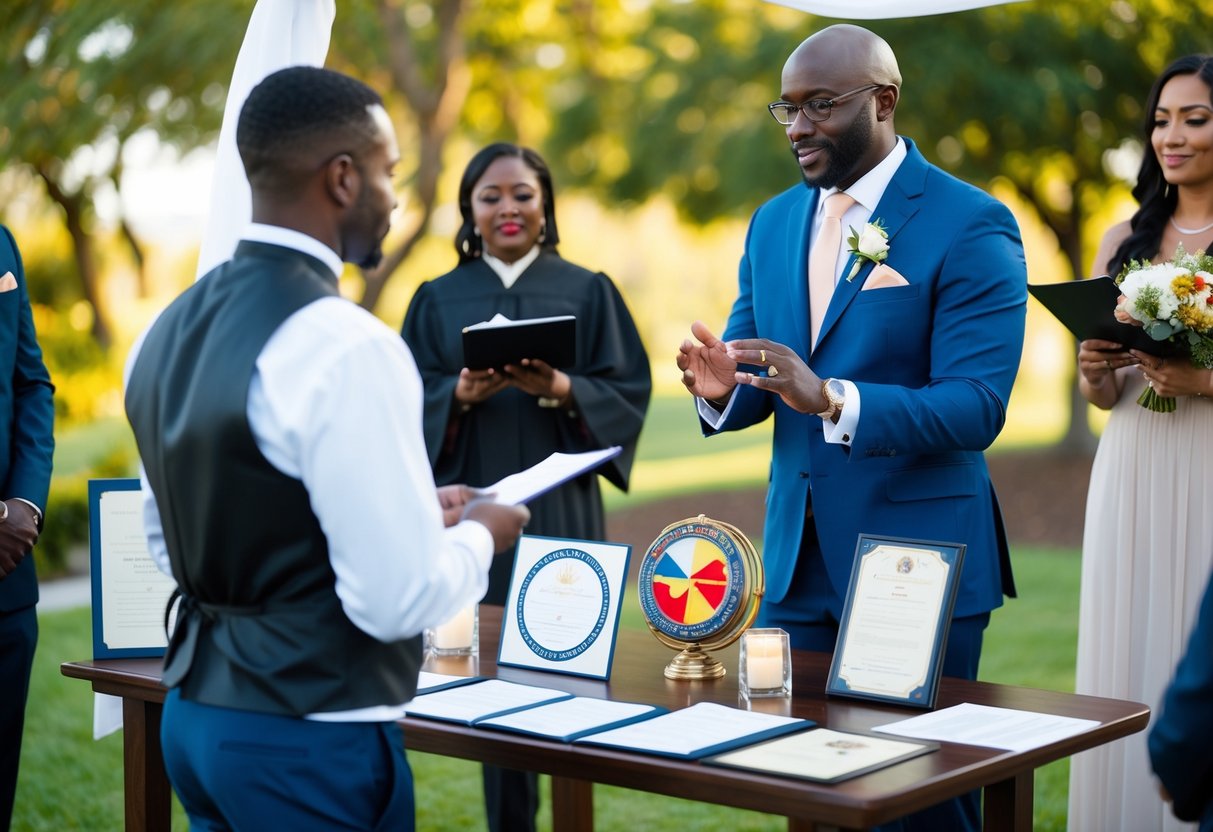
Understanding the legal and cultural aspects of celebrant officiants is important for planning your ceremony. These factors can vary based on the type of ceremony you prefer and where you are located.
Civil vs. Religious Ceremonies
When choosing between civil and religious ceremonies, it’s essential to know the legal requirements. Civil ceremonies usually involve the participation of a registrar or a justice of the peace. These events are typically secular and follow specific legal guidelines to ensure they are recognized.
In contrast, religious ceremonies may be led by a celebrant affiliated with a particular faith. Depending on your beliefs, you can incorporate various traditions into your ceremony. However, these may not always fulfill legal requirements. For this reason, couples often work with celebrants to ensure that both the legal and spiritual aspects are addressed.
Regional Differences
The role of celebrants can differ significantly across regions. In the United States, officiants often have few restrictions and may perform both civil and religious ceremonies. Many couples choose a personalized approach that reflects their values.
In countries like Australia and New Zealand, celebrants play a vital role in both civil and non-religious ceremonies. Australian law requires celebrants to be registered and meet specific legal standards. In New Zealand, the process is similar, emphasizing the need for officiants to understand local regulations and cultural nuances. Knowing these differences can help you choose an officiant who meets your needs and follows the legal requirements in your area.
Planning Your Ceremony with a Celebrant
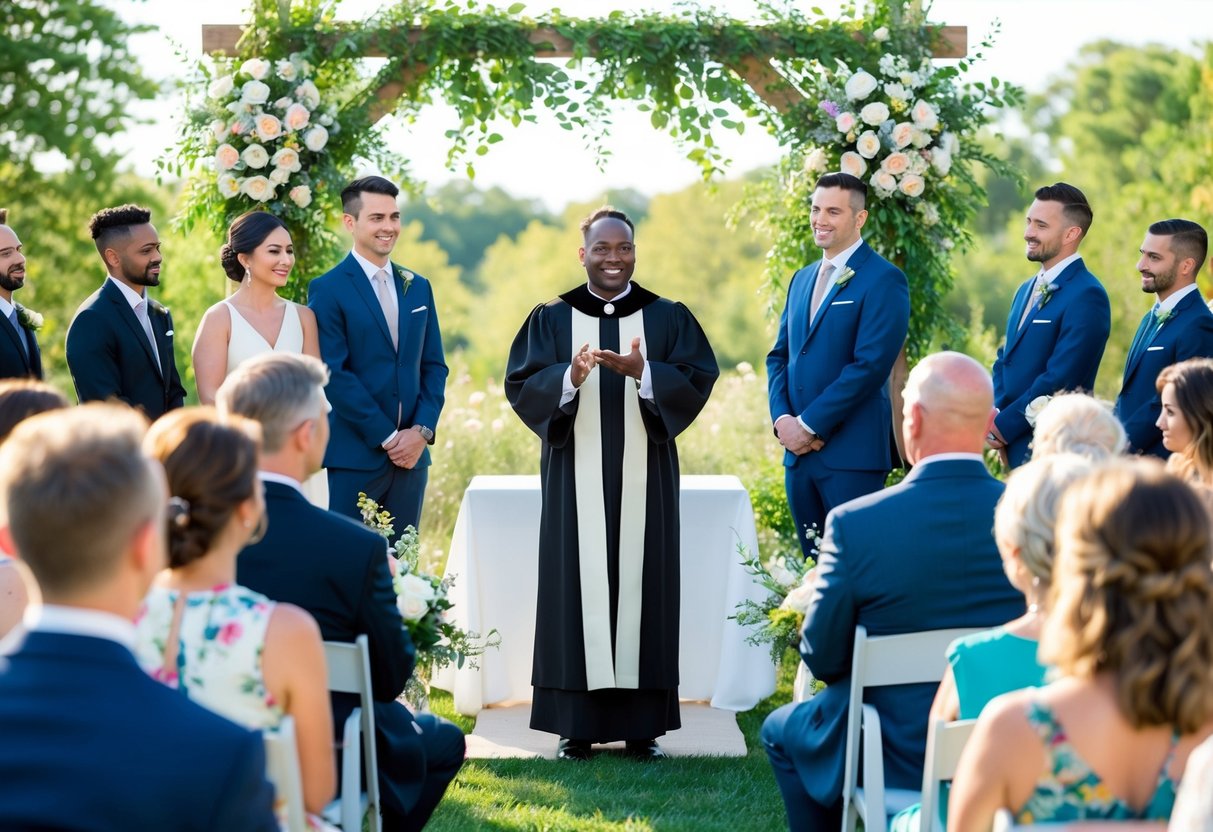
When you plan your ceremony with a celebrant, you open the door to a truly personal experience. Your unique love story becomes the heart of the event. This section covers how to choose the right celebrant and how to personalize your ceremony.
Choosing the Right Celebrant
Selecting a celebrant is a key step in your wedding planning. Look for someone who resonates with your values and vision. Many celebrants offer different styles, such as humanist celebrants, who focus on secular ceremonies.
Ask potential celebrants about their approach to ceremonies. Inquire whether they have experience crafting unique celebrations. Check reviews or testimonials from other couples to get a sense of their community reputation.
A good celebrant should also be flexible. They should understand your needs for the exchange of vows. The more comfortable you are, the better the celebration will be.
Personalizing the Experience
Personalization is what makes your ceremony stand out. You can work closely with your celebrant to share your love story. Discuss meaningful moments that define your relationship.
Consider incorporating special rituals or elements that reflect your journey. This might include readings, music, or symbols that are meaningful to both of you. Your celebrant can help weave these into the ceremony seamlessly.
Additionally, think about how you want your guests to feel. A personalized ceremony can create a warm, inviting atmosphere. It makes everyone feel like part of your community celebration. In this way, your ceremony becomes not just an event, but a shared experience filled with love and connection.