
What is a Fairy Bride? Exploring the Enchantment and Meaning Behind This Magical Concept
Fairy brides are enchanting figures found in various folktales and fairy tales. A fairy bride is an otherworldly woman who marries a mortal man, often bridging the gap between the magical realm and the human world. These stories capture your imagination with themes of love, enchantment, and the mysteries of the fairy realm.
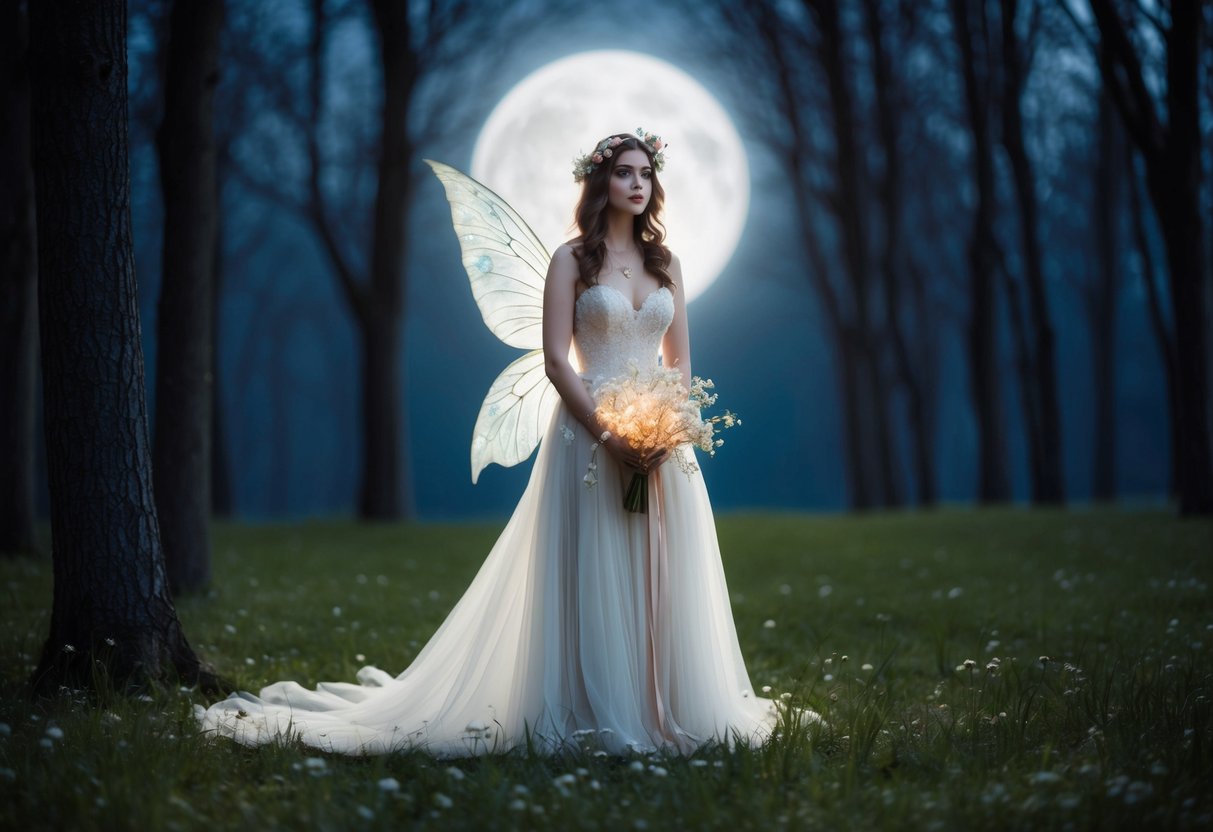
Throughout history, storytelling has passed down many accounts of these mystical unions. Tales of fairy brides can be traced back to the British Isles and Scandinavia, where legends weave magic into everyday life. As you explore these enchanting stories, you’ll discover how they reflect desires, fears, and the complexities of human relationships.
The allure of fairy brides continues to captivate you, drawing you into a world where love can conquer all obstacles, even those in the magical realm. As you read on, prepare to dive deeper into the fascinating lore of fairy brides and their place in our cultural tapestry.
Exploring Fairy Tales and Their Bridal Themes
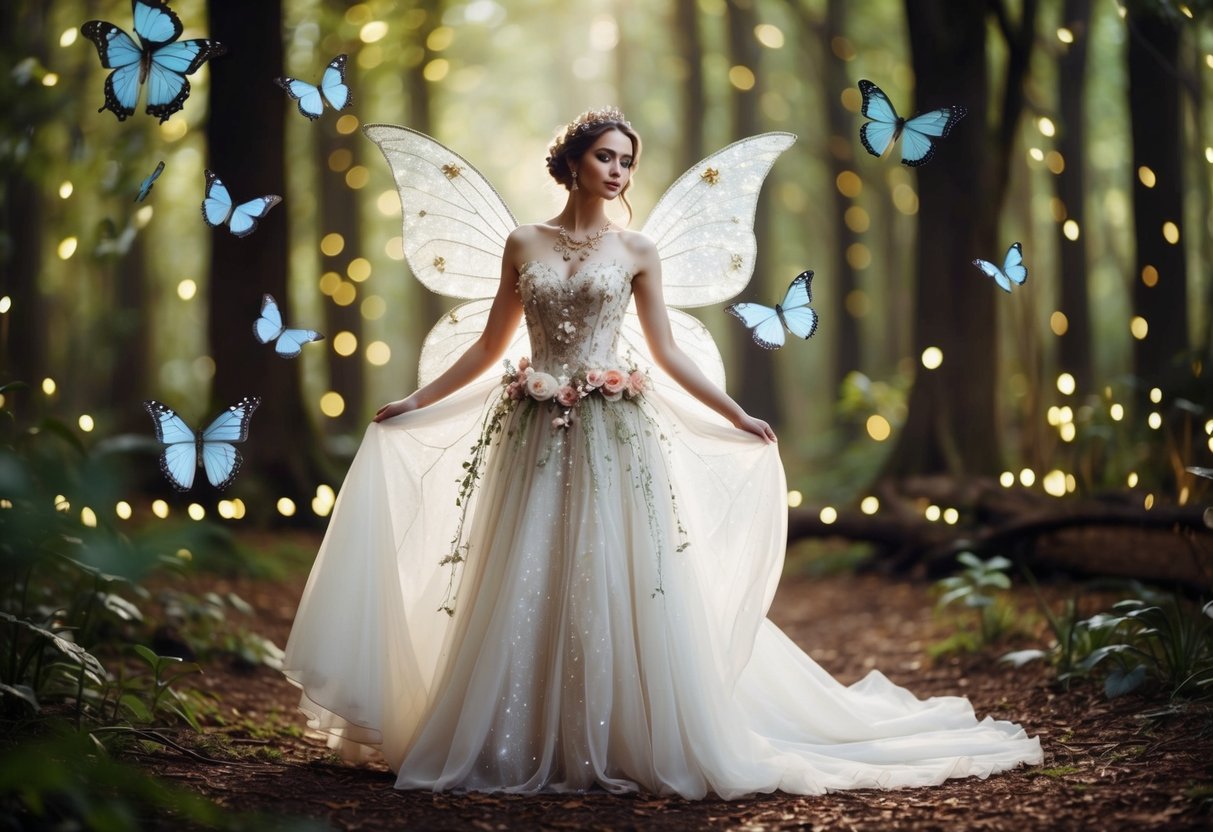
Fairy tales often revolve around enchanting stories of brides, weddings, and societal expectations. These tales highlight the beauty and magic of love, underscoring the journey toward happiness and fulfillment through marriage.
The Role of Brides in Fairy Tales
In many fairy tales, the bride symbolizes beauty and purity. Characters like Cinderella showcase how a bride’s journey can reflect societal expectations and personal growth. You see the transformation from a humble girl to a beautiful bride, often aided by magical elements.
Brides in these stories also highlight themes of fate and destiny. They are often portrayed as being worthy of love and happiness, regardless of their circumstances. The Aarne-Thompson-Uther classification notes multiple tales featuring brides who overcome obstacles to fulfill their dreams of marrying their beloved.
These stories remind you that true beauty often comes from within, emphasizing courage and kindness.
Fairy Tale Weddings and Happily Ever Afters
Fairy tale weddings are filled with magical elements that create unforgettable moments. Think about glimmering jewels, enchanted atmospheres, and joyful celebrations. In these tales, a wedding isn’t just a ceremony; it represents the culmination of a journey filled with trials and adventures.
The bridegroom plays a crucial role in these narratives, often as the knight in shining armor who helps the bride reclaim her happiness. The wedding is typically depicted as a dazzling event, radiating love, joy, and beauty.
You often see characters dancing under twinkling stars, emphasizing that fairy tale weddings lead to “happily ever after.” These stories reflect the deep desire for connection and fulfillment, spotlighting the belief in love’s power to transform lives.
The Intersection of Magic and Mortality
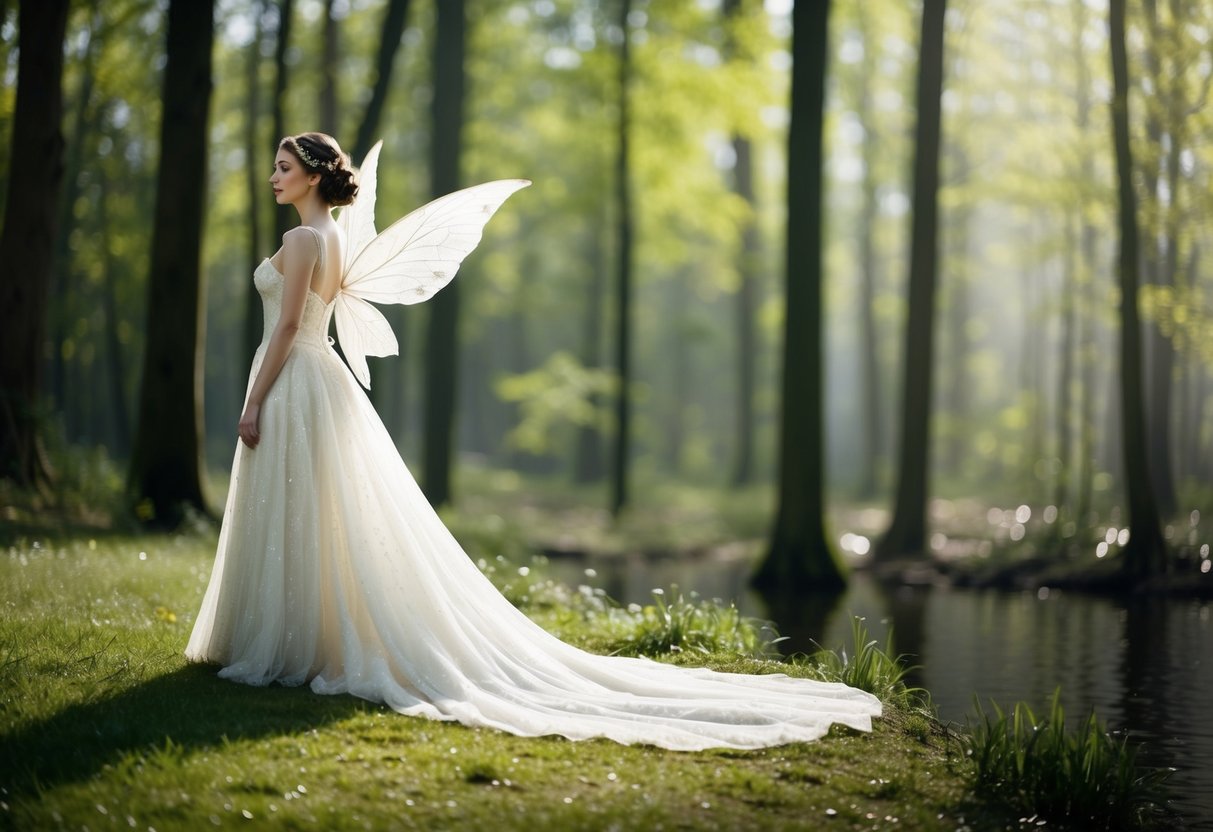
In the world of fairy tales, the lives of mortal beings often intertwine with enchanted creatures. This connection opens doors to both mystical powers and unexpected challenges, adding depth to the stories of fairy brides. Let’s explore how these magical unions shape experiences in enchanting ways.
Mortal and Magical Unions
When a mortal man encounters a fairy or other mystical beings, a unique bond forms. These unions can be based on love, curiosity, or even a spell. Often, these relationships bring great fortune and happiness, yet they may come with strict rules. For instance, breaking a fairy’s taboo can lead to dire consequences.
In fairyland, these interactions show how love between different worlds can thrive. However, they also highlight the fragility of such bonds. The magical realm’s rules are harsh, and maintaining a relationship means respecting those boundaries. Failure to follow them can result in a loss that leaves both parties yearning for what could have been.
Fairest of Them All: Beauty and Enchantment
Beauty plays a significant role in tales of fairy brides. Often described as enchanted maidens, these characters embody both magical allure and mortal charm. Fairies possess the ability to enhance beauty through spells, creating captivating figures that enchant those who meet them.
Mermaids, too, join this circle of enchanted beings. Their beauty and mystical powers often draw mortal men into their world. However, with beauty comes a price; many tales caution against the dangers of pursuing such enchanting figures. The allure of these magical beings can lead to transformative experiences, both delightful and perilous.
In every encounter, the intersection of magic and mortality is a dance of desire, risk, and wonder.
Cultural Depictions of the Fairy Bride
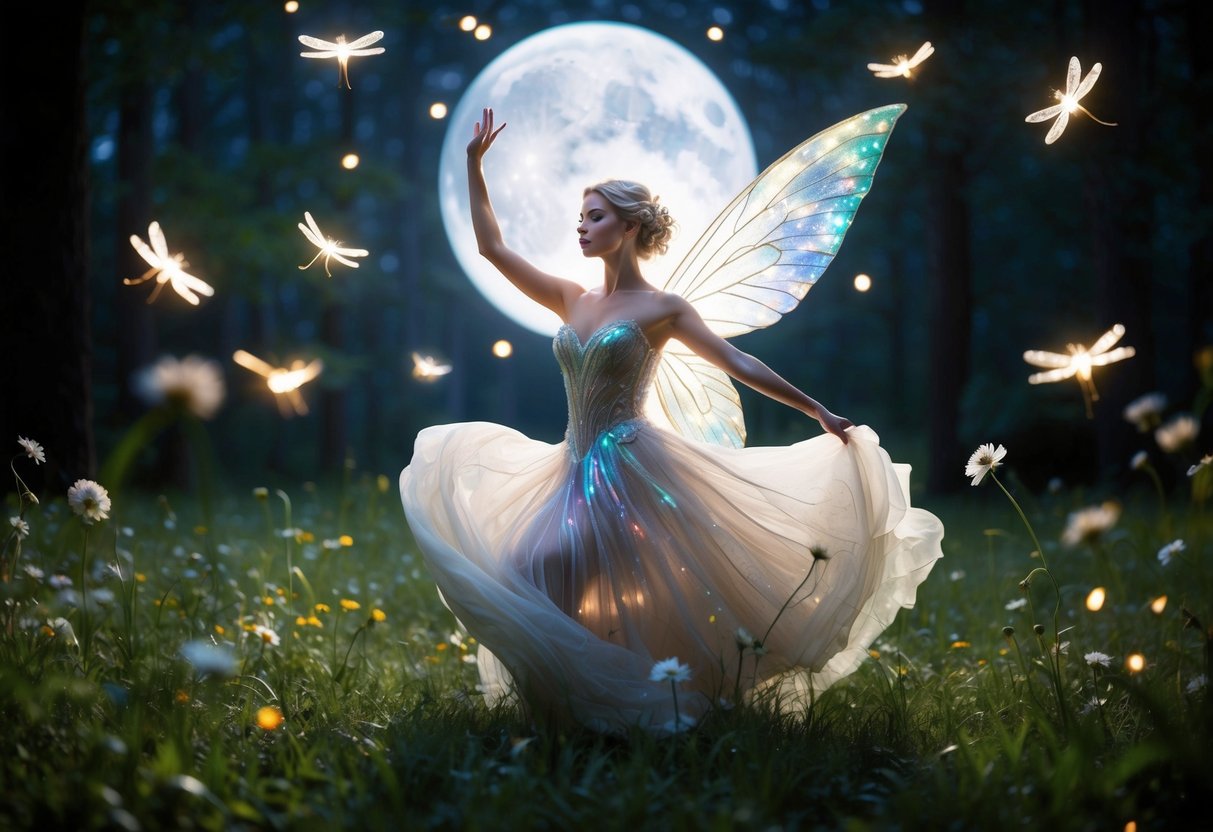
Fairy brides have been popular figures in various cultures. They often embody themes of magic, love, and choice. These enchanting characters appear in folklore and tales across Europe, especially in the stories collected by the Brothers Grimm.
The Fairy Bride in European Folklore
In European folklore, particularly in countries like Germany, Ireland, Denmark, and Norway, fairy brides are often portrayed as ethereal beings. They marry mortal men, leading to tales of love and sacrifice. The Brothers Grimm featured such themes in their famous collection, “Kinder- und Hausmärchen” (Children’s and Household Tales).
Characters and Storytelling
In fairy bride stories, heroic men and other magical beings often appear. You may find tales where the man must face trials, showcasing bravery and loyalty. These challenges reflect common themes in storytelling, where choices shape the outcome.
In stories from Aarne-Thompson classification, which categorize folklore, the idea of selecting a bride leads to many adventures. The fairy bride often represents not just a lover but a connection to the magical world. This blend of romance, adventure, and consequence makes the narratives rich and engaging.
You can see how these elements work together to create tales that captivate readers and listeners alike.