
What Is a Male Bride Called? Exploring Gender Roles in Weddings
In the traditional world of weddings, the roles typically assigned to men and women can sometimes feel limiting. When you think about the term “bride,” you likely picture a woman in a white dress. However, when it comes to a male bride, the terms “bridegroom” or simply “groom” are used to describe a man about to be married. This topic challenges societal norms and expands our understanding of gender roles in marriage.
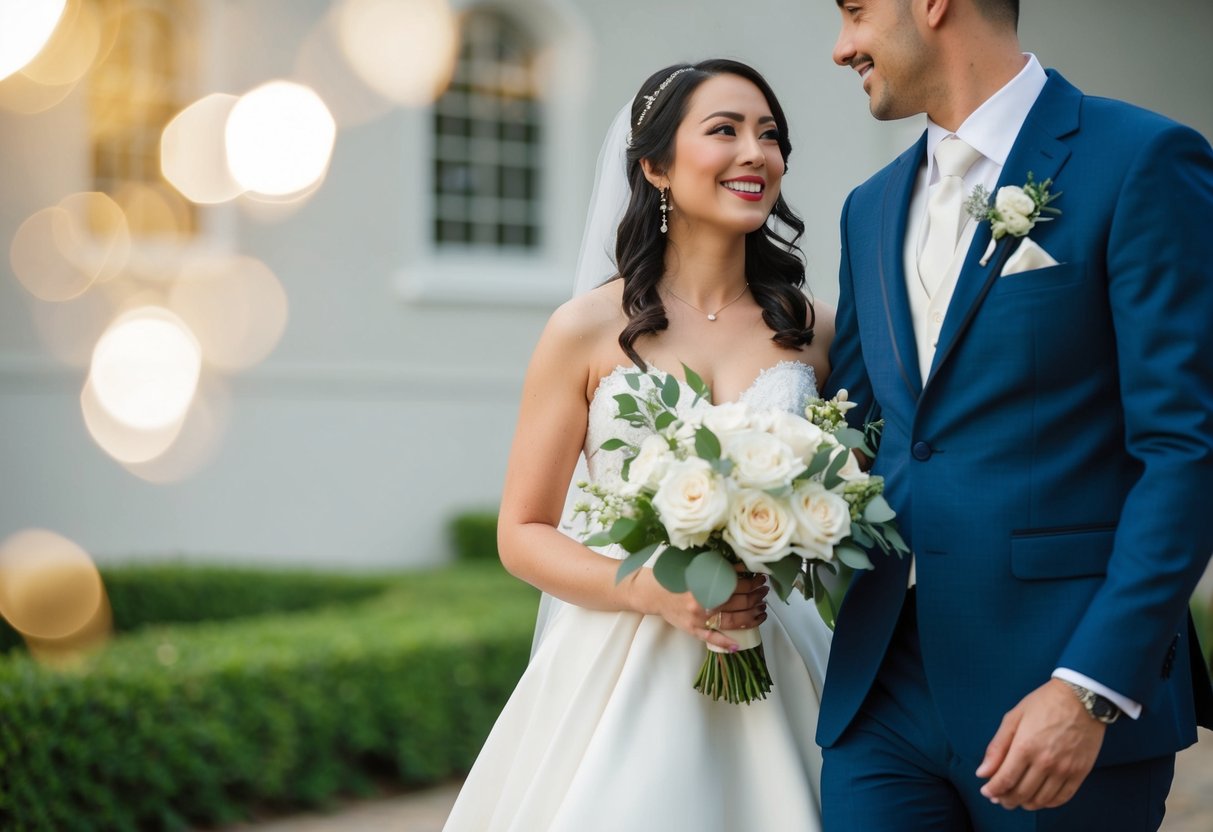
As traditions evolve, so do the titles we use. More people are recognizing the importance of gender-neutral language in weddings. It reflects a broader acceptance of diverse relationships and personal identities. Embracing these changes can make ceremonies more meaningful for everyone involved. Understanding what to call a male bride adds an important layer to marriage traditions.
By exploring this topic, you can gain insights into how language shapes our view of love and partnership. You’ll also see how these terms reflect changing values in society, where breaking away from strict gender roles leads to more inclusive celebrations of love.
Exploring Gender Roles in Weddings
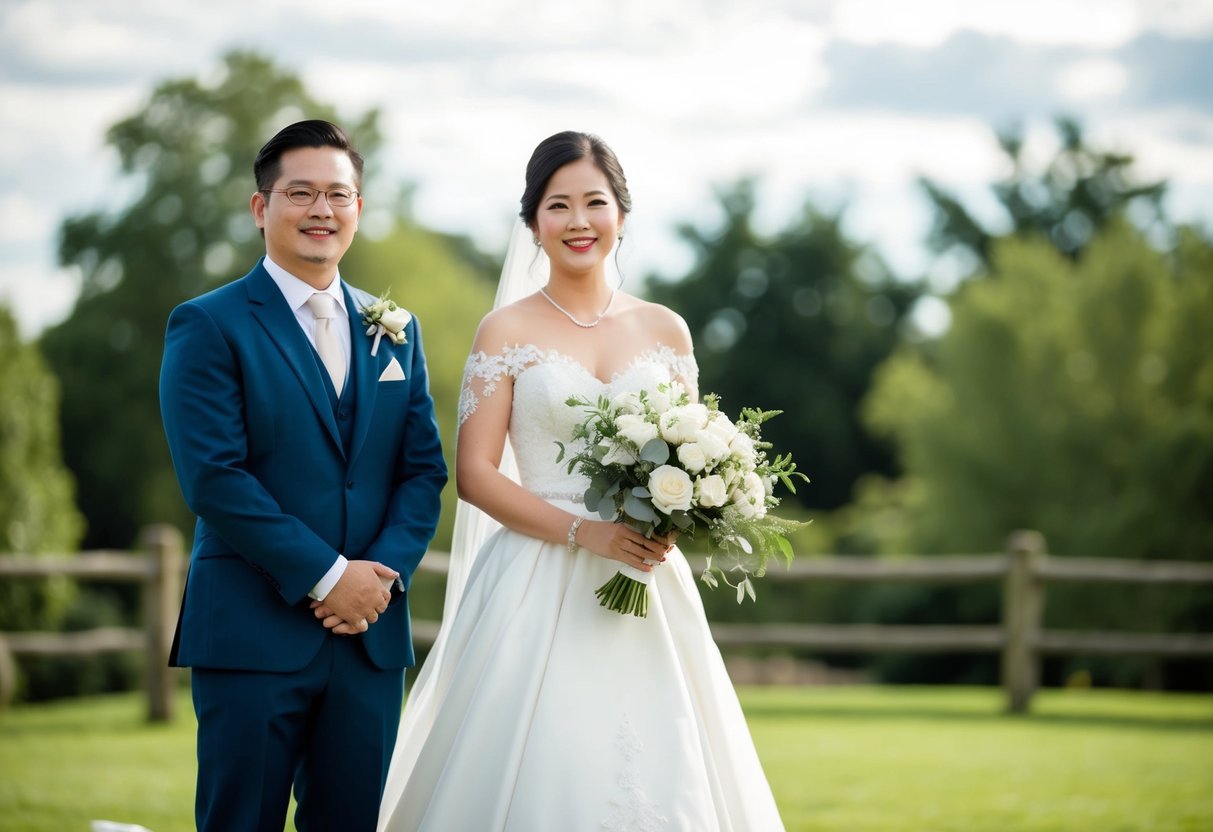
Gender roles in weddings have evolved significantly over time. Understanding this change can help you appreciate the different roles that individuals play today, regardless of traditional titles. This shift reflects the larger conversation about gender equality and inclusivity in society.
Historical Context of Gender Roles
Traditionally, weddings were firmly divided into male and female roles. The bride was expected to embody femininity, while the groom represented masculinity. In these traditional setups, the bridegroom had specific responsibilities, such as proposing marriage and supporting the bride’s family.
Bridesmaids and groomsmen played essential roles, supporting the bride and groom respectively. The term “bridesman” has emerged more recently, allowing a male friend to stand by the bride. This shift highlights that friendship and support are not defined by gender.
Modern Perspectives on Gender
Today, gender roles in weddings are much more flexible. Many couples choose to drop traditional titles altogether. Instead, terms like “bridal party” or “wedding party” are now common.
With the rise of gender inclusivity, roles can be filled by individuals of any gender. This means a groom can also don a wedding dress or a bride can take on a more traditionally masculine role. It’s all about personal expression and equal partnership.
The focus is now on love and commitment, which transcends gender. You can see this shift clearly with options such as “groomsmaid” or having partners share responsibilities, which supports gender equality and reflects modern values.
The Role of a Male Bride in Marriage Ceremonies
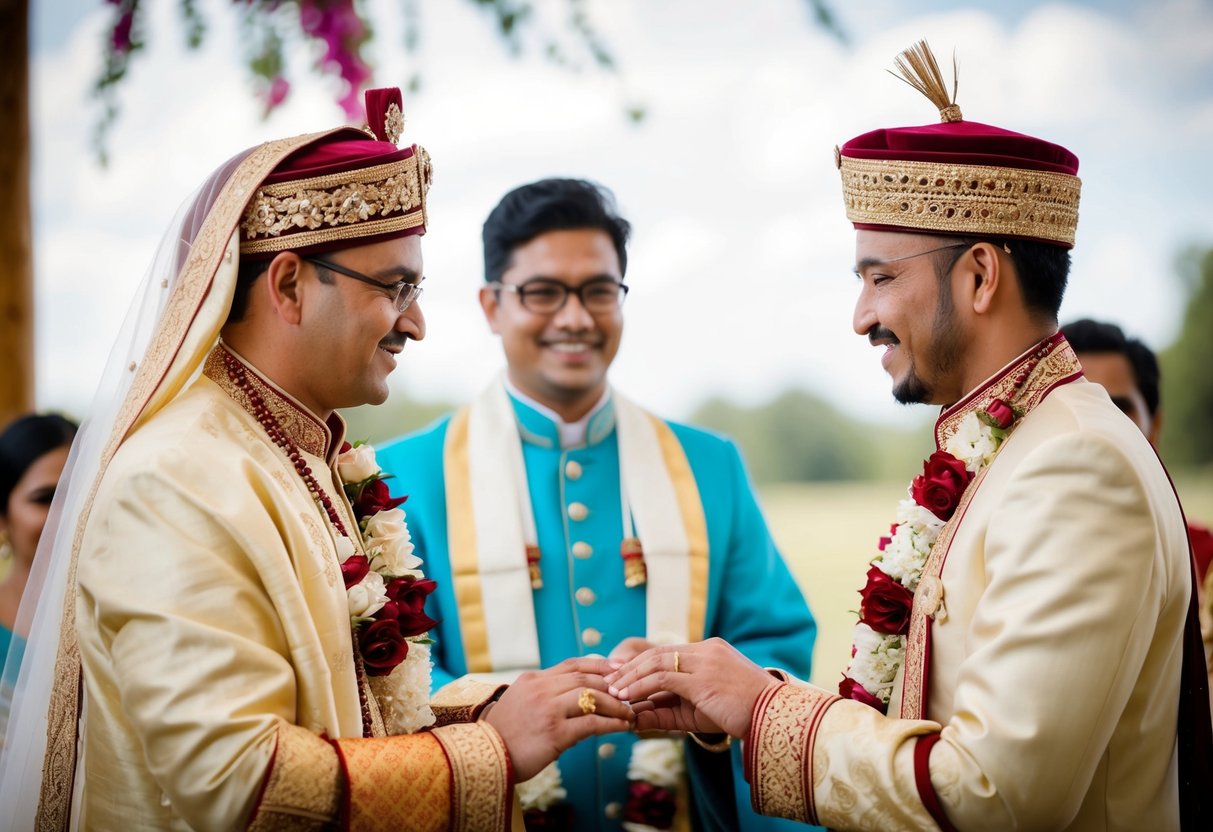
In recent years, the concept of a male bride has gained more recognition, reflecting evolving views on gender roles in weddings. This section looks at the terminology surrounding the male bride and different cultural interpretations that celebrate individuality in marital unions.
Terminology and Definitions
The male partner in a wedding ceremony is often called the groom. However, terms like “bridegroom” can emphasize the joy and celebration of his role.
When a man takes on the role traditionally assigned to a bride, he may express his individuality uniquely. In some cases, a male bride may have a “man of honor,” similar to a maid of honor. This shows the flexible nature of wedding roles today.
Using inclusive language helps to redefine these roles in a way that reflects modern relationships. Terms should highlight that both partners, regardless of gender, share equal importance in their marital union.
Cultural Interpretations
In many Asian cultures and beyond, the idea of a male bride varies widely. Some traditions strictly define roles for grooms and brides, while others adapt as societal views change.
In modern weddings, the male bride can express his identity through attire and choices within the wedding party. This exchange between traditional and modern elements allows for unique ceremonies that embody the couple’s values.
Celebrating this role contributes to a more inclusive understanding of marriage. It emphasizes that every partnership is unique, allowing each individual to play a significant and personalized role in the celebration of their love.
Inclusivity and Gender-Neutral Language in Weddings
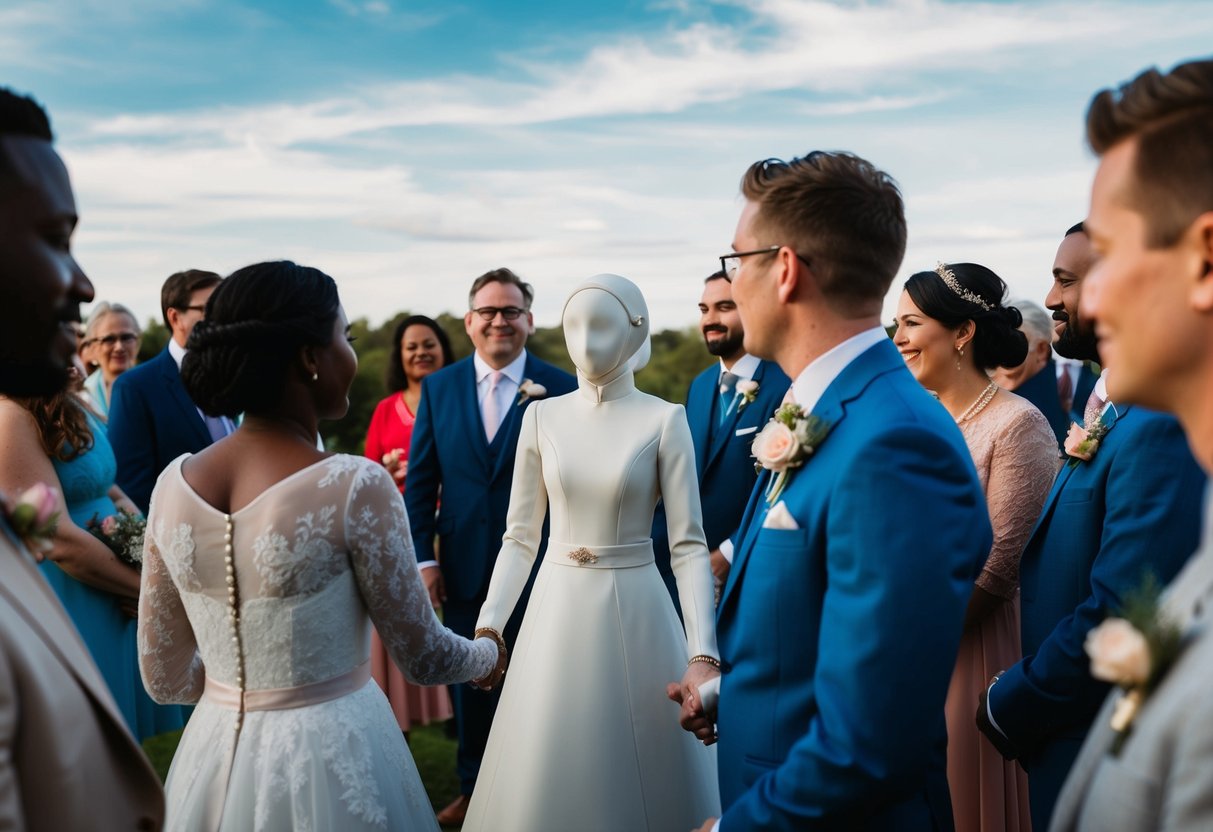
In today’s world, weddings are evolving to embrace diversity and inclusivity. Using gender-neutral language helps create an atmosphere where everyone’s identity is respected and celebrated.
The Importance of Inclusive Language
Using inclusive language is key to making all guests feel welcome. When you avoid binary terms like “bride” and “groom,” you recognize a variety of gender identities and relationships.
For example, using terms like “partner” or “couple” allows everyone to feel included, regardless of their gender. This change in language promotes acceptance and celebrates different partnerships. It also helps to create a more comfortable setting for all attendees.
Incorporating gender-neutral nouns in your wedding materials, such as invitations and programs, can also make a big difference. This simple act shows a commitment to inclusivity and respect for everyone involved.
Inclusive Wedding Customs
Traditionally, weddings have specific roles based on gender. This can exclude non-binary individuals or those who do not identify with traditional labels.
To foster inclusivity, consider using gender-neutral terms for wedding roles. Instead of “bridesmaids” and “groomsmen,” you can opt for “attendants” or “supporters.” This allows everyone to take part without feeling limited by outdated customs.
Another aspect to consider is your ceremony. Focus on the partnership itself rather than the specific genders of the individuals involved. This can include personalized vows that reflect your unique relationship. By embracing these inclusive customs, you create a memorable event that honors the love shared among all participants.
Planning Your Inclusive Wedding
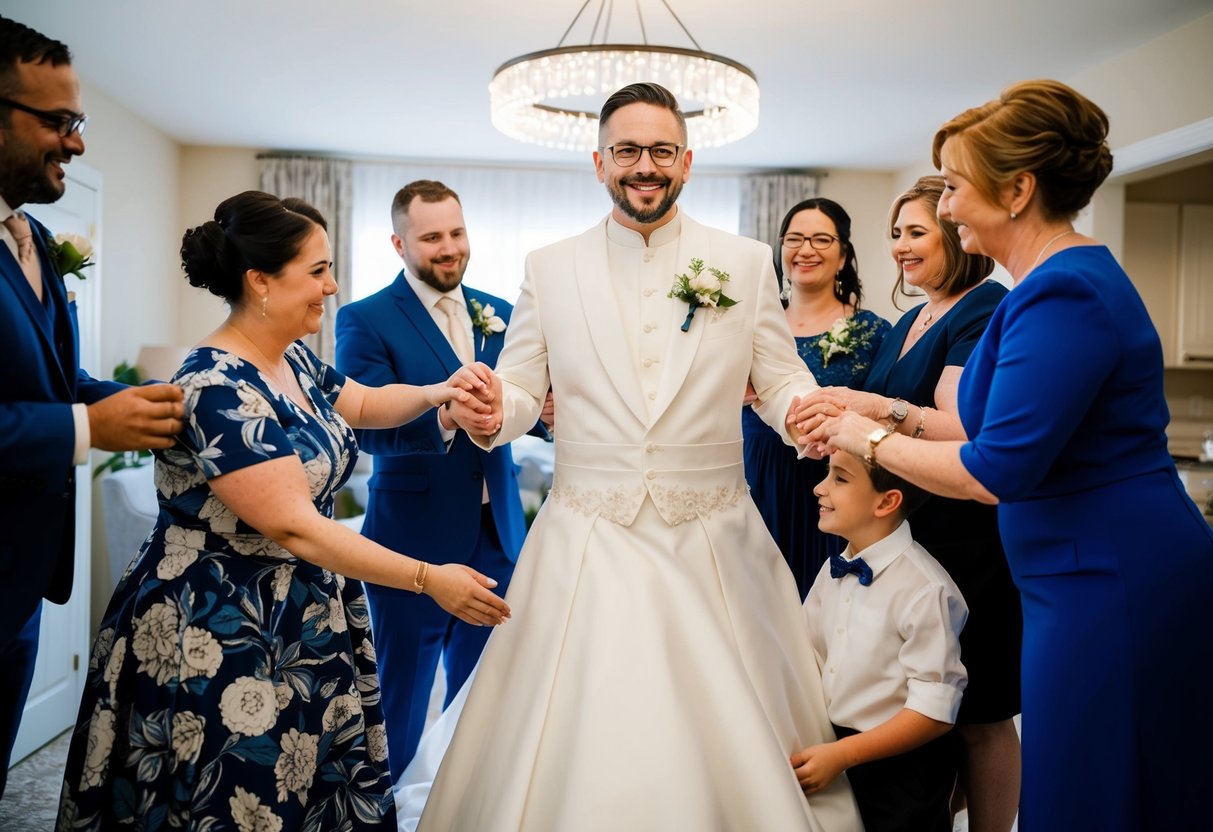
Creating an inclusive wedding means celebrating your love and commitment in a way that reflects you and your partner’s identities. This section will guide you through choosing your wedding party and selecting meaningful attire that honors everyone involved.
Choosing Your Wedding Party
When planning your wedding party, think about the roles that best fit your friends and family. Instead of sticking to traditional titles like “bridesmaid” or “groom,” consider using inclusive language.
You might have groomswomen, best women, or even ushers that align with your vision. Each person can bring their unique strengths, adding to the celebration of your special day.
Make a list of everyone you want in your wedding party. This can include close friends, family, or anyone who has supported your relationship. A “friend of the bride” or “friend of the groom” can replace classic titles while still honoring your love and commitment.
Wedding Attire and Symbolism
Your choice of wedding attire can hold great meaning. A traditional white wedding dress is common, but modern options better reflect your style. This could mean selecting suits, dresses, or outfits that are comfortable and non-binary.
If you and your partner want to look similar or complementary, think about matching colors or themes. This can create a cohesive look for the entire wedding party. This includes your friends, groomswomen, and best women.
Some couples choose attire that represents their cultural backgrounds. This can involve traditional clothes or colors that hold special significance. Remember, the goal is to celebrate love and commitment in a way that feels right to you.