
What is a Non-Binary Bridesmaid Called? Exploring Inclusive Wedding Roles
As you plan your special day, you may wonder about how to include everyone in your wedding party. For those with non-binary friends, traditional terms like “bridesmaid” might not feel right. A great alternative for a non-binary bridesmaid is “bridesmate,” which embraces inclusivity and acknowledges diverse gender identities.
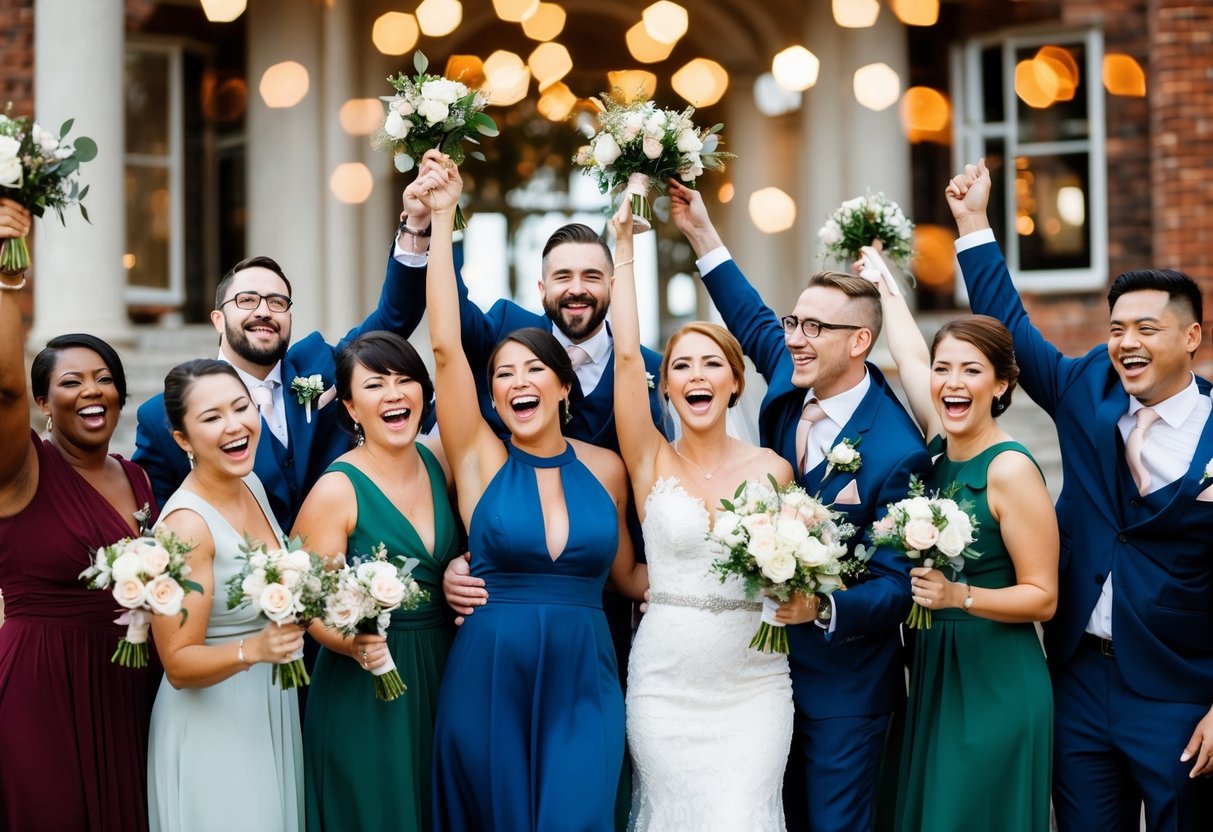
Using gender-neutral terms helps create a more welcoming atmosphere for all your guests. Instead of sticking to conventional labels, consider referring to your entire wedding party simply as the “wedding party.” This shift not only respects individual identities but also enhances the spirit of your celebration.
Incorporating inclusive language into your wedding planning shows thoughtfulness and respect for everyone involved. By adapting your language, you foster a sense of belonging and celebration that honors the unique contributions of each person by your side.
Understanding Non-Binary Terms and Identities
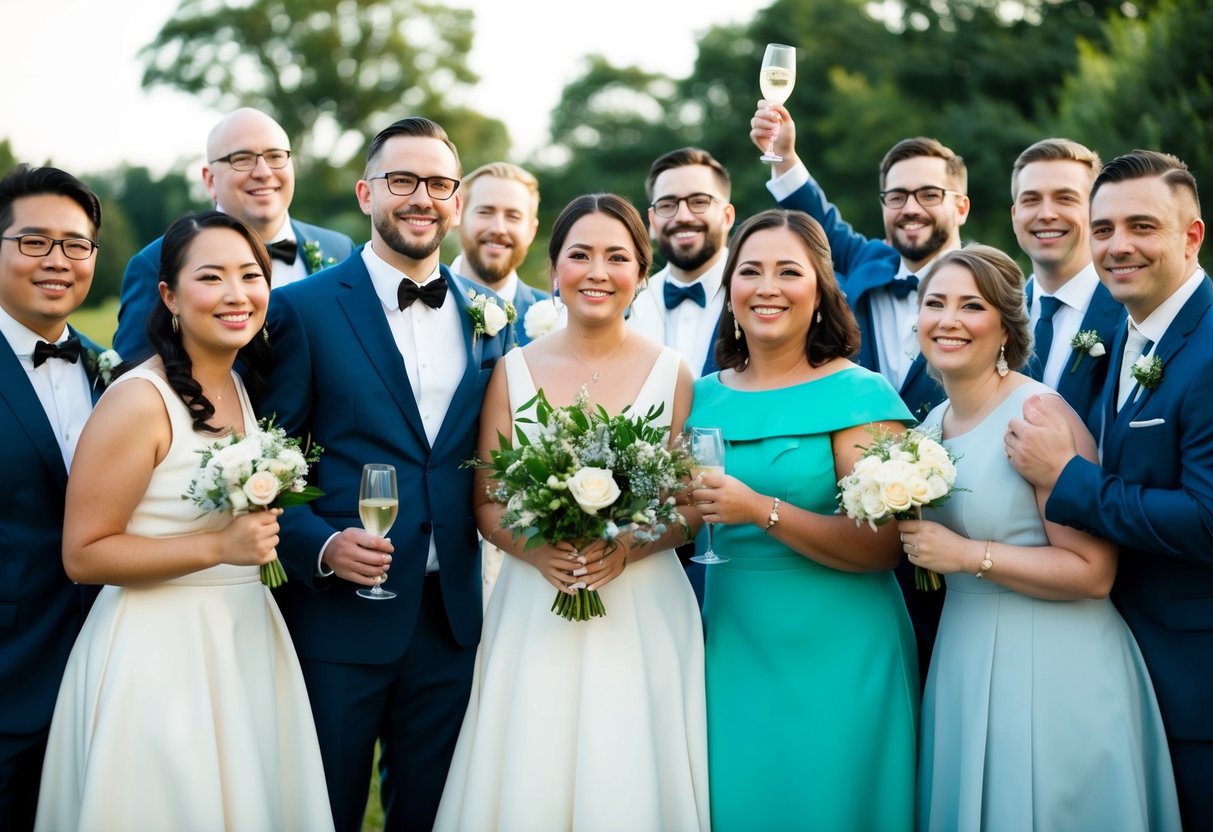
Non-binary identities play a key role in today’s wedding planning, especially for non-binary couples and their loved ones. By understanding terminology and the evolving nature of gender identities, you can foster a more inclusive environment.
Defining Non-Binary and Gender Neutrality
Non-binary refers to individuals who do not identify strictly as male or female. This term covers a diverse range of identities, including genderqueer, genderfluid, and agender.
Gender neutrality means avoiding gender-specific language or roles. In wedding planning, using terms like “bridemaid” can be limiting. Instead, consider using “bridal party member” or “honor attendant.” This small change can go a long way in making everyone feel respected. Understanding and using preferred pronouns, such as they/them, is also essential.
Gender Identity in Wedding Traditions
Traditional wedding norms often center around the roles of men and women. However, many non-binary couples choose to break these norms to reflect their identities. Inclusive wedding practices acknowledge the diversity of gender.
For example, you might opt for a gender-neutral dress code or allow all members of your party to express themselves as they wish. Incorporating non-binary identities means challenging the assumption that all weddings must follow traditional roles.
Consider using group titles that encompass everyone, rather than just leaning on the binary system.
The Importance of Inclusive Language
Using inclusive language in your wedding planning is vital for respecting non-binary and gender non-conforming individuals. Language shapes our reality, and when you use terms that reflect diverse identities, you create a welcoming atmosphere.
When discussing wedding roles, think beyond “bride” and “groom.” Use “partner” or “couple” to embrace all identities. This inclusive approach applies to invitations, speeches, and even seating arrangements.
Be aware of how language can impact someone’s feeling of belonging. It’s all about promoting acceptance within the LGBTQ+ community and beyond, helping everyone you love feel valued on your special day.
Roles and Titles in a Gender-Neutral Wedding
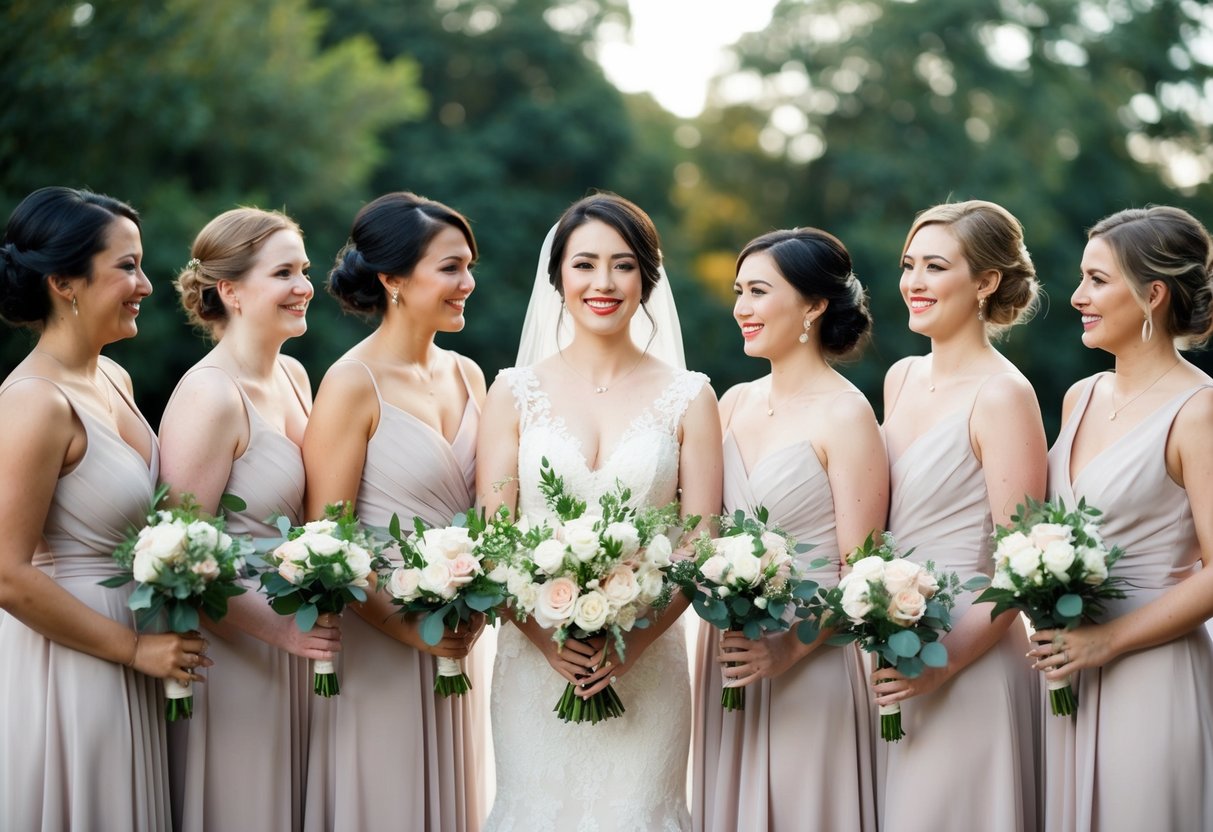
In a gender-neutral wedding, finding the right titles for your wedding party can create a more inclusive atmosphere. Here are some innovative roles and terms that can help honor diverse identities while maintaining the spirit of celebration.
Navigating Wedding Party Roles
Choosing wedding party roles can be challenging when considering gender-neutral titles. Instead of traditional labels like “bridesmaid” or “groomsman,” you might opt for terms like “wedding attendant” or “person of honor.” These options keep the focus on the support and love your attendants provide, regardless of their gender identity.
Consider also “bridesmate” or “groomsmaid.” These titles blend the idea of support with a fresh twist, making everyone feel included. You can create a list of responsibilities for each role so that each wedding party member knows what to expect.
The Emergence of Bridesmates and Groomsmates
As society evolves, new titles like “bridesmates” and “groomsmates” have gained popularity. A bridesmate can be any person who stands by you, regardless of gender, while a groomsmate can fulfill the same role for the groom. These terms encourage a sense of belonging among all participants.
By embracing these evolving titles, you normalize inclusive language. This helps everyone feel appreciated, making the day special for all. Utilizing such terms can also positively impact the ceremony, as each person’s unique contribution is acknowledged.
Honoring Diversity with Inclusive Titles
Using inclusive titles enriches your wedding experience. Titles like “best person” allow you to select someone special without being restricted by gender. “Bridesman” or “bridesmen” are great options if you wish to keep traditional elements while also being inclusive.
Make sure to check in with your wedding party about their preferences for titles. Engaging them in the conversation fosters a deeper connection and helps reinforce that everyone’s identity is respected. These careful choices can set a tone of acceptance and love throughout your celebration.
The Evolving Language of Wedding Celebrations
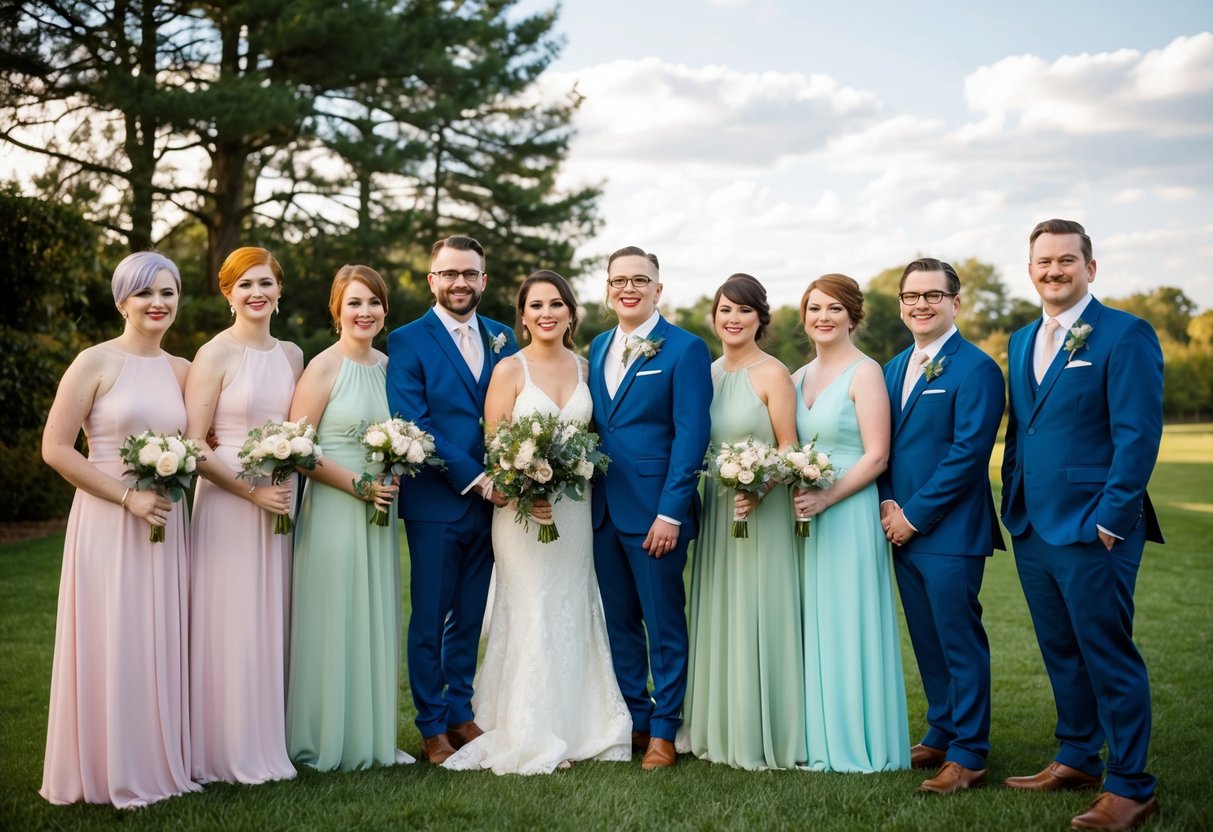
As wedding celebrations change, so does the language we use. Many couples are moving toward more inclusive terms that reflect their diverse identities. This shift helps everyone feel recognized and respected on their special day.
Contemporary Wedding Terminology for All
In today’s weddings, language plays a vital role. You might hear terms like “marrier” instead of “bride” or “groom.” This shift emphasizes unity rather than traditional roles.
Instead of “husband” or “wife,” many are choosing terms like “partner” or “spouse.” These terms highlight the relationship rather than gender.
Guests can also use “newlywed” to describe anyone who has recently married, regardless of gender. Such changes embrace the spectrum of identities and experiences.
Gender-Neutral Alternatives for Wedding Terms
Finding gender-neutral alternatives is essential. For example, instead of “bridesmaid” or “groomsman,” you can use “bridal party member” or simply “attendant.”
The term “bachelorx” is gaining popularity for those who identify outside traditional gender roles. It allows everyone to enjoy pre-wedding celebrations without feeling boxed in.
“Fiancé” and “fiancée” can be simplified to “fiancee,” allowing for a gender-neutral option. Using terms like “significant other” or “partner” can also include all couples in celebrations.
These evolving terms create a more welcoming environment at weddings, making everyone feel included and valued.
Planning a Gender-Inclusive Wedding Ceremony
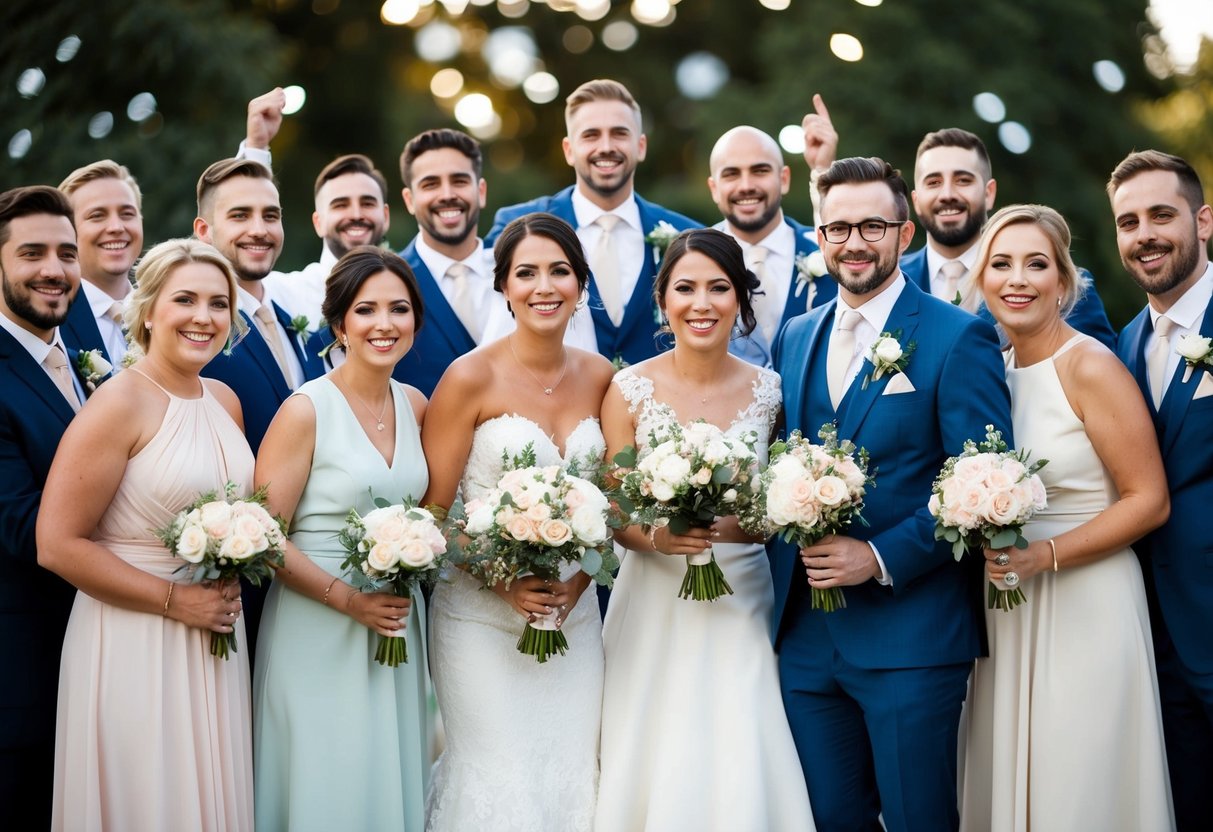
Creating a gender-inclusive wedding ceremony helps everyone feel welcome and valued. It’s essential to think about the environment and the roles of each participant. This section will address how to build an inclusive space and thoughtfully select attire and roles.
Creating an Inclusive Wedding Environment
To set the tone for your ceremony, use language that respects everyone’s identity. Instead of calling everyone “bridesmaids” or “groomsmen,” consider terms like “wedding party” or “supporters.” This helps include non-binary participants.
When planning the space, consider seating arrangements. The head table can combine all roles. Make sure the setup doesn’t conform strictly to traditional gender norms.
Also, think about decorations. Use color schemes and floral arrangements that resonate with all identities. By doing so, you foster a welcoming atmosphere for everyone. You can also include roles like a flower person or ring bearer that are open to anyone, regardless of gender.
Selecting Attire and Roles for Non-Binary Participants
Choosing attire for your wedding party is a vital step. Encourage your non-binary friends to choose outfits that express their style. A wedding gown may not be suitable for everyone, so options could include suits, dresses, or a mix.
You can create a cohesive look by suggesting a color palette for your attire. For example, everyone could wear variations of a specific color without being restricted to traditional styles. This allows more freedom in expression.
Roles can also be flexible. Instead of using “maid of honor” or “best man,” consider terms like “lead supporter” or simply use their names. Each person can carry a primary bouquet, enhancing their special role. Embrace individuality and ensure your ceremony reflects the diversity of love.