
What Is a Realistic Amount to Spend on a Wedding? Tips for Budgeting Your Big Day
Planning your wedding can be both exciting and overwhelming. With so many factors to consider, you might wonder what a realistic amount to spend on your big day is. On average, a couple might spend anywhere from $15,000 to $50,000, depending on their financial situation and personal preferences.
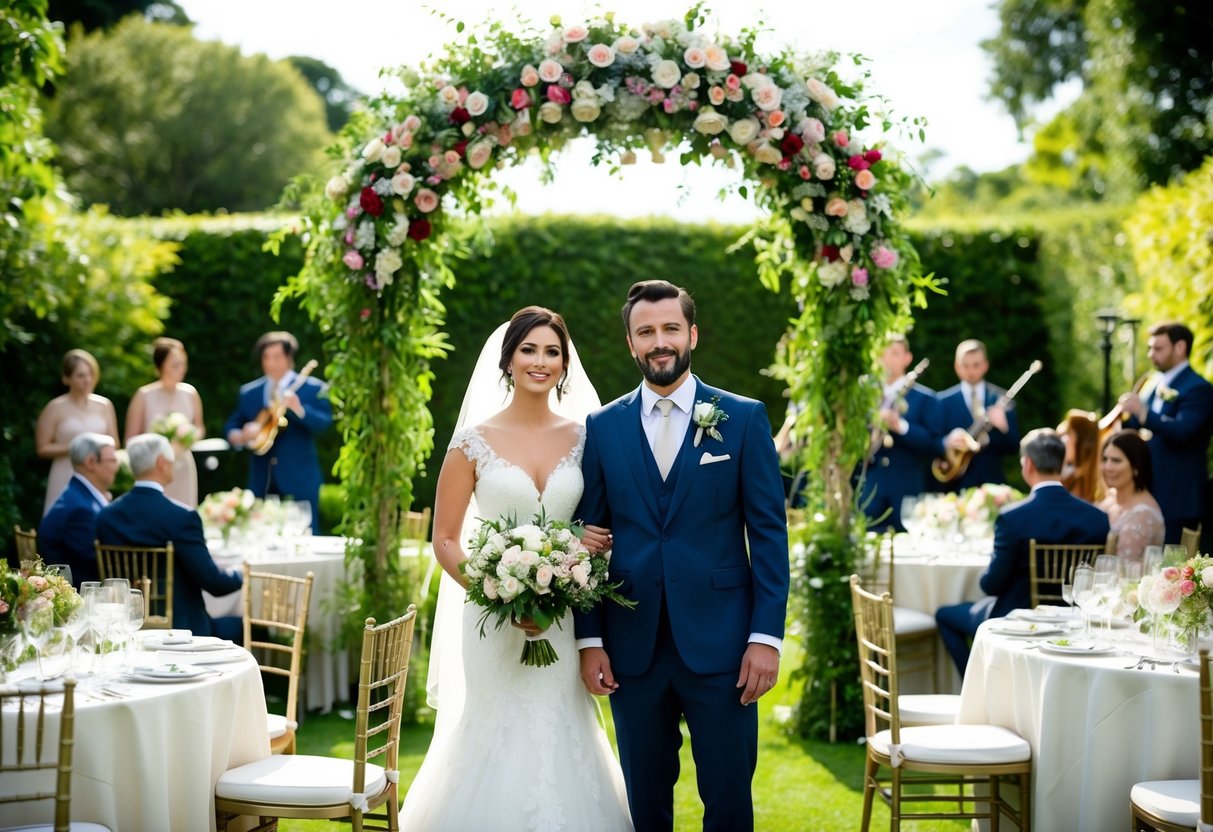
Your wedding budget should reflect your unique needs and desires. While the average wedding cost in the U.S. is around $30,000, many couples manage to have beautiful celebrations on a smaller budget.
By understanding what impacts your spending, such as venue choice and guest list size, you can create a budget that feels comfortable for you.
As you navigate this journey, remember that staying true to what you value most will help you avoid overspending. Setting a realistic wedding budget allows you to enjoy your special day without the stress of financial strain.
Understanding Wedding Costs
Planning a wedding involves balancing dreams with reality. Knowing the average costs and being aware of hidden fees can help you create a realistic budget and avoid any last-minute surprises.
Average Costs and Budgeting Basics
The average cost of a wedding in the U.S. is around $35,000. This can vary significantly based on your location and guest count. For example, a small wedding with 50 guests may cost you about $20,000, while extravagant celebrations can soar above $50,000.
When planning your budget, break down costs into categories like:
- Venue
- Catering
- Photography
- Decor
- Attire
Using a wedding budget checklist can help you track your spending. It’s smart to allocate about 50% of your budget to venue and catering.
Research average wedding costs by state to set realistic expectations. That way, you can prioritize where to spend and where to save.
Hidden Fees and Unexpected Costs
Hidden fees can catch you off guard if you’re not careful. Common examples include service charges, taxes, and gratuities that may not be included in initial quotes. For instance, many venues add on a hefty service fee, often around 20%.
You should also consider unexpected costs. These might include:
- Extra hours for the venue
- Travel costs for vendors
- Day-of coordinators
To avoid surprises, ask questions upfront. Create a list of every service and confirm what’s included in the price. A little research can help you spot hidden costs and save money along the way.
Creating Your Wedding Budget
Setting a wedding budget is an essential step in planning your big day. A realistic budget helps you make choices that align with your priorities while keeping costs in check.
Determining What’s Important
Start by discussing with your partner what matters most to both of you. List your top priorities. These may include catering costs, photography and videography, and wedding attire. Understanding what you value can shape your overall budget.
Consider how many guests you want at your wedding. The guest count directly affects costs for catering, drinks, and even favors.
If you wish to splurge on a wedding cake or floral arrangements, you may need to adjust spending in other areas. Decide if you want to allocate more for memories, like professional photos, or experiences, like travel for your guests.
Allocating Funds Effectively
Once you identify your priorities, it’s time to divide your budget. Create a simple table to outline your spending. For instance, you might allocate:
- Venue and Catering: 40%
- Photography and Videography: 15%
- Wedding Attire: 10%
- Floral Arrangements: 10%
- Cake: 5%
- Gifts for Couples and Favors: 5%
- Travel: 5%
Adjust percentages based on your values and awareness of average costs in your area. It’s smart to include a buffer for unexpected expenses. This way, your realistic budget stays manageable and enjoyable as you plan your special day.
Selecting Vendors and Venues
When planning your wedding, choosing the right vendors and venues is crucial. Understanding costs and making informed decisions can help you stay within your budget while still creating a memorable event.
Cost Comparison and Negotiation
Start by making a list of essential vendors, such as photographers, caterers, and florists. Research their average costs based on your location, as prices can vary widely. Websites like The Knot and Brides often provide valuable insights into these expenses.
Don’t hesitate to ask for detailed quotes. This allows you to compare prices effectively.
When you receive quotes, consider negotiating. Many vendors are open to adjusting pricing, especially if you are flexible with dates or services.
If you’re planning a destination wedding, be sure to factor in travel costs for vendors, which can affect your overall budget.
Quality Versus Expense
Finding the right balance between quality and cost is vital. Some vendors may offer lower prices, but you want to ensure you aren’t sacrificing quality for savings.
Check reviews and ask for real wedding photos to gauge their work.
It’s wise to prioritize certain services. If photography is important to you, consider investing more in that vendor while saving on others, like decorations.
A wedding planner can help guide these decisions and suggest reliable vendors that fit your budget. Remember, the goal is to create a beautiful event without overextending your finances.
Personalizing Your Wedding
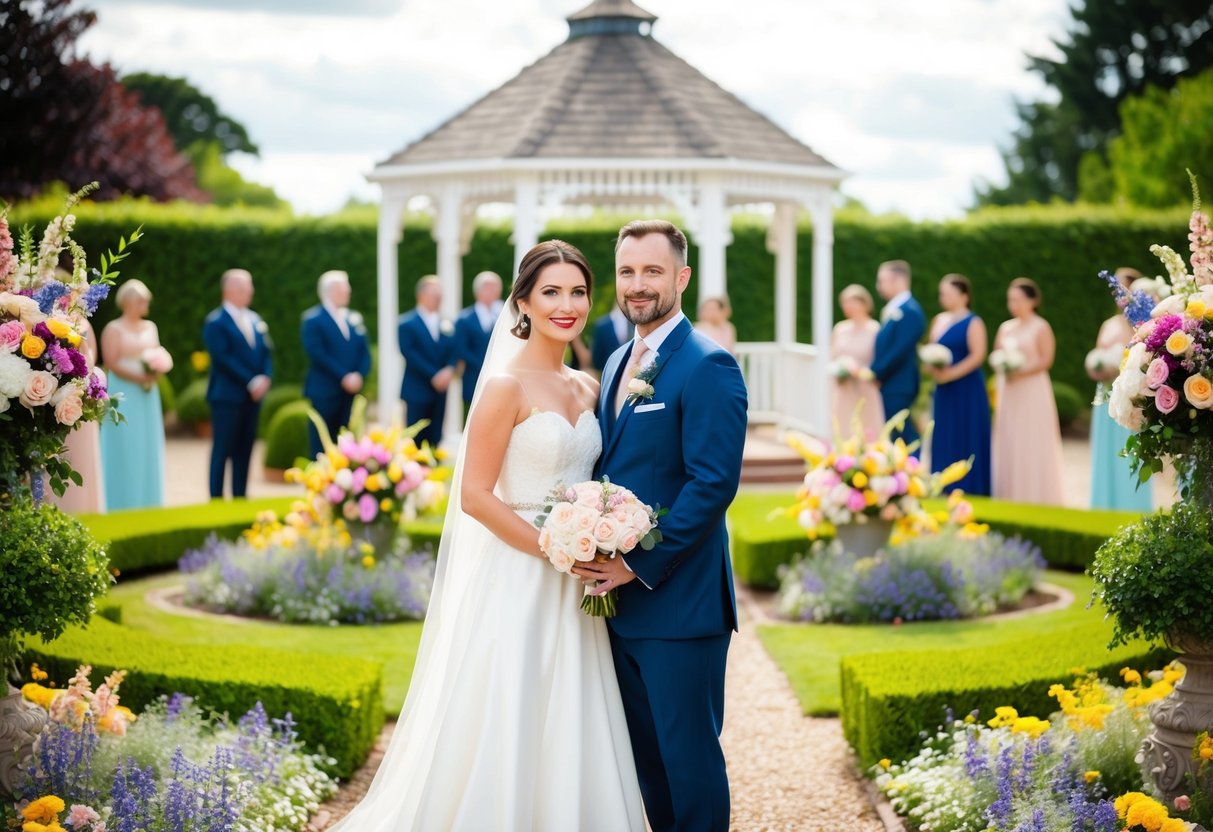
Personalizing your wedding allows you to create a day that truly reflects you and your partner. From incorporating DIY elements to handling invitations, you can make meaningful choices that resonate with your style and budget.
Embracing DIY Elements
Incorporating DIY projects can add a personal touch to your wedding while saving you money.
Consider creating your own place cards and menus. This makes your décor unique and allows you to express your creativity.
Crafting your wedding invitations and RSVP cards can also be a fun project if you enjoy arts and crafts. You can choose designs that reflect your theme. Have friends join for a crafting night—it adds to the experience!
Don’t forget about guest attire. You can suggest ideas for dress codes or themes in your invitations. Simple hair and makeup tips can be shared with your bridal party to keep things cohesive.
Handling Invitations and RSVPS
Your invitations set the tone for your wedding. Personalizing them is key. You can use unique colors and designs that represent your personalities.
Consider including a special note or fun facts about you as a couple.
When it comes to RSVP cards, make sure they are clear and easy to fill out. You should also consider digital options to streamline responses. This can be efficient and eco-friendly.
You might also send out rehearsal dinner invitations alongside your wedding invites. This helps keep all communication connected and organized.
It’s important to keep track of who can make it, so you have an accurate guest count for your big day!