
What Is an Ordained Minister UK? Understanding Roles and Responsibilities
An ordained minister in the UK is someone officially recognized to perform religious duties and ceremonies, like weddings, baptisms, and funerals. These ministers are important figures in their communities, offering spiritual guidance and support to those seeking faith-based services. Becoming an ordained minister often involves specific training and a commitment to serving the faith community.
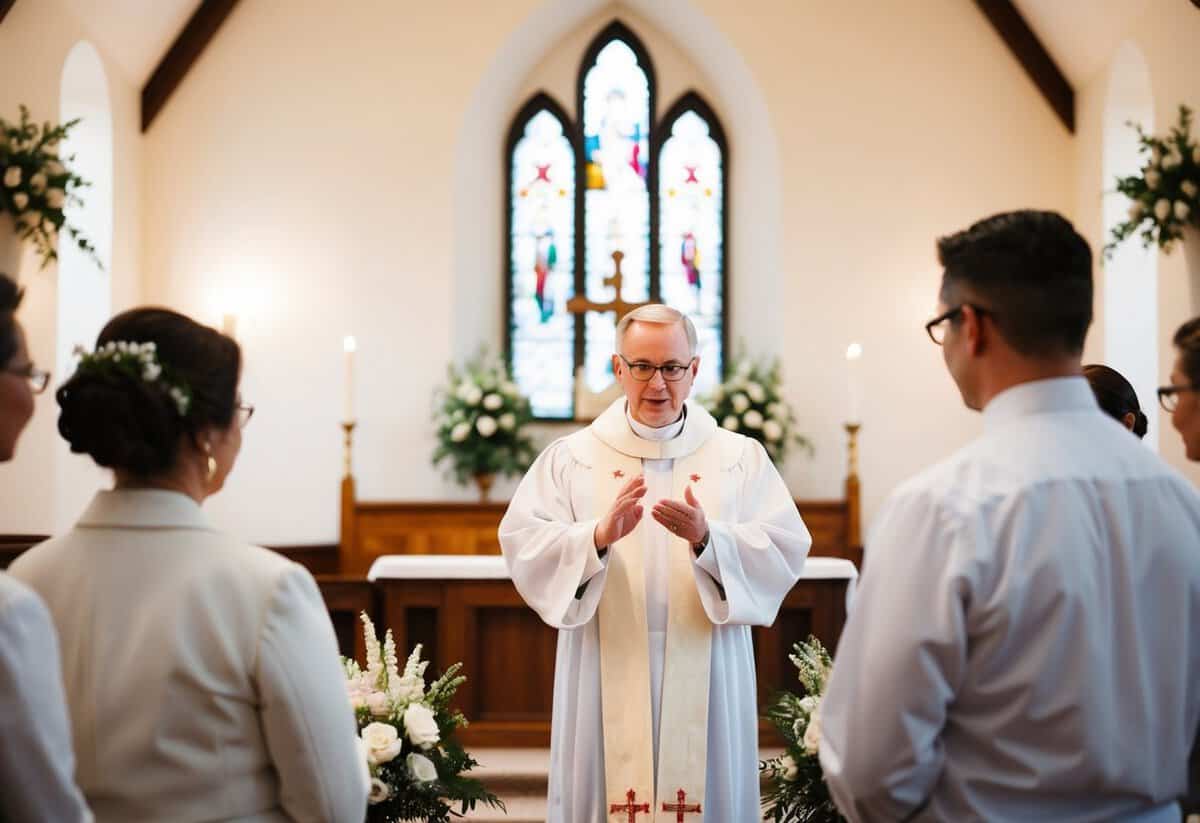
If you’re curious about the different paths to ordination, whether through traditional churches or online platforms, there are various options available. Many people find fulfillment in this role, as it allows them to positively impact the lives of others.
Exploring what it means to be an ordained minister might inspire you to take that next step in your spiritual journey.
Understanding Ordained Ministry in the UK
Ordained ministry in the UK involves a commitment to church leadership and serving your community. It includes various roles such as priests, deacons, and vicars, each with unique responsibilities. Education and training play a crucial role in preparing you for this important work.
Roles and Responsibilities of an Ordained Minister
As an ordained minister, your primary role is to serve God and your community. This includes leading worship services, providing spiritual guidance, and performing sacraments such as baptisms and weddings.
You may also take on the responsibilities of pastoral care, counseling parishioners during difficult times. In wider church leadership, your duties can extend to mission work and community outreach.
Ordained ministers often work in specific roles such as priests or chaplains, each with distinct functions. In a parish, for instance, you might manage church activities and collaborate with church members to promote spiritual growth and community involvement.
The Path to Ordination
The journey to becoming an ordained minister in the UK typically starts with a formal selection process. This process helps determine your readiness for ministry based on various criteria set by bishops and advisors.
After selection, you will undergo training through a diocese, which may include study at theological colleges. This training prepares you for the diverse challenges of ministry.
The ordination service marks the transition into your role, where you are officially recognized as either a priest or a deacon.
Continuing education is also essential, helping you develop skills and deepening your faith throughout your ministry.
The Importance of Theological Education and Training
Theological education is vital for anyone entering ordained ministry. It equips you with a strong understanding of Christian teachings and church traditions. This foundation is crucial for providing sound spiritual leadership.
Your training may include studying scripture, ethics, and church history. This education can happen in various ways, such as formal classes or community discussions.
Practical training is equally important. You often participate in internships or placements to gain real-world ministry experience. This hands-on approach prepares you to face the challenges of ministry life effectively.
By combining education and practical experience, you become a well-rounded leader ready to serve your community faithfully.
The Ordination Process and Training Pathways
Becoming an ordained minister in the UK involves several important steps and training pathways. Understanding these elements can help you navigate your journey effectively.
Different Types of Training Pathways
There are various training pathways that candidates can pursue. Residential pathways often require you to live at a theological college. This experience fosters an immersive community where you engage in learning, prayer, and worship alongside fellow students.
In contrast, non-residential pathways allow more flexibility. You might choose full-time or part-time courses that fit around your existing commitments. Regional part-time courses can be a good option if you work or have family responsibilities. Each pathway is designed to prepare you for ministry in a way that suits your lifestyle and needs.
Colleges and Institutions for Theological Education
When considering theological education, several colleges stand out. Trinity College is one of the well-known institutions offering diverse programs tailored to your path toward ordination. You’ll find various colleges that each have unique strengths and community dynamics.
While attending a college, you’ll dive deep into habits of prayer and theological studies essential for your development. Choose a college that aligns with your spiritual and educational goals, as this will play a critical role in your formation as a minister.
Roles in Religious Ceremonies and Church Life
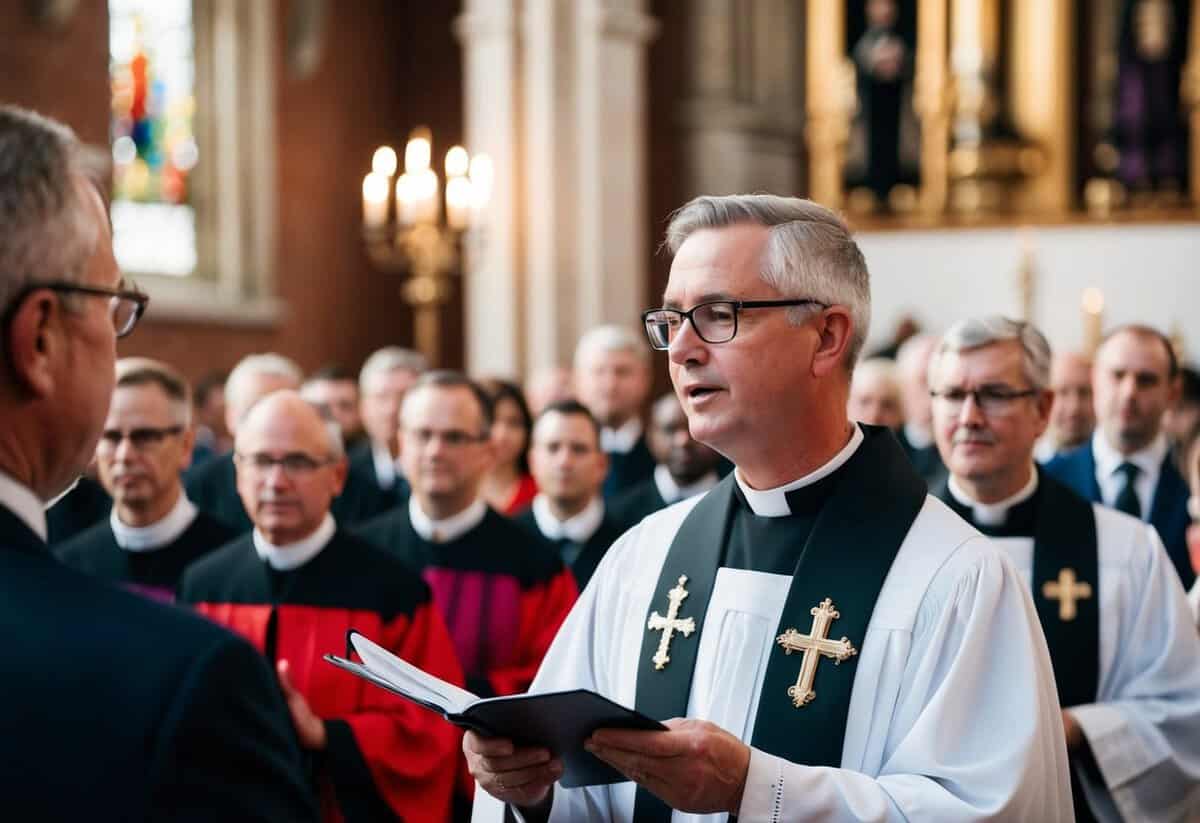
In the UK, ordained ministers play a vital role in various religious ceremonies and the daily activities of church life. They serve as leaders and spiritual guides, connecting the community with their faith through significant events.
Conducting Weddings, Baptisms, and Holy Communion
One of your key responsibilities as an ordained minister is to officiate weddings. This involves not only leading the ceremony but also preparing couples through pre-marital counseling. You guide them in understanding the meanings behind their vows and the importance of commitment.
Baptisms are another essential ceremony. You welcome new members into the church and signify their entry into the faith. This ritual can be deeply meaningful for families, as it marks a significant spiritual step.
Holy Communion is also a fundamental aspect of church services. During this ceremony, you help congregants connect with their faith through the sharing of bread and wine, symbolizing the body and blood of Christ. Each event you lead forms a strong bond within the community.
The Daily Life of a Vicar and Curate
As a vicar or curate, you don’t just lead services. You also spend time preparing sermons, visiting parishioners, and providing spiritual support.
Meeting with families, offering counseling, and addressing their spiritual needs are crucial parts of your role.
You might organize community events or Bible study classes to deepen the congregation’s understanding and connection to their faith. Administrative tasks, like managing church records and planning services, are also part of your routine.
Attending church meetings and collaborating with other leaders ensures that you remain active in your community. Whether you are involved in charity work or outreach programs, your work helps strengthen the bonds of faith and community.