
What is it called when the bride walks down the aisle? Understanding the Wedding Processional Tradition
As you plan your wedding, one of the most memorable moments will be when you walk down the aisle. This significant event is often referred to as the “processional.” The bride’s walk down the aisle is a cherished part of the wedding ceremony, marking the transition from single life to a new chapter at the altar.
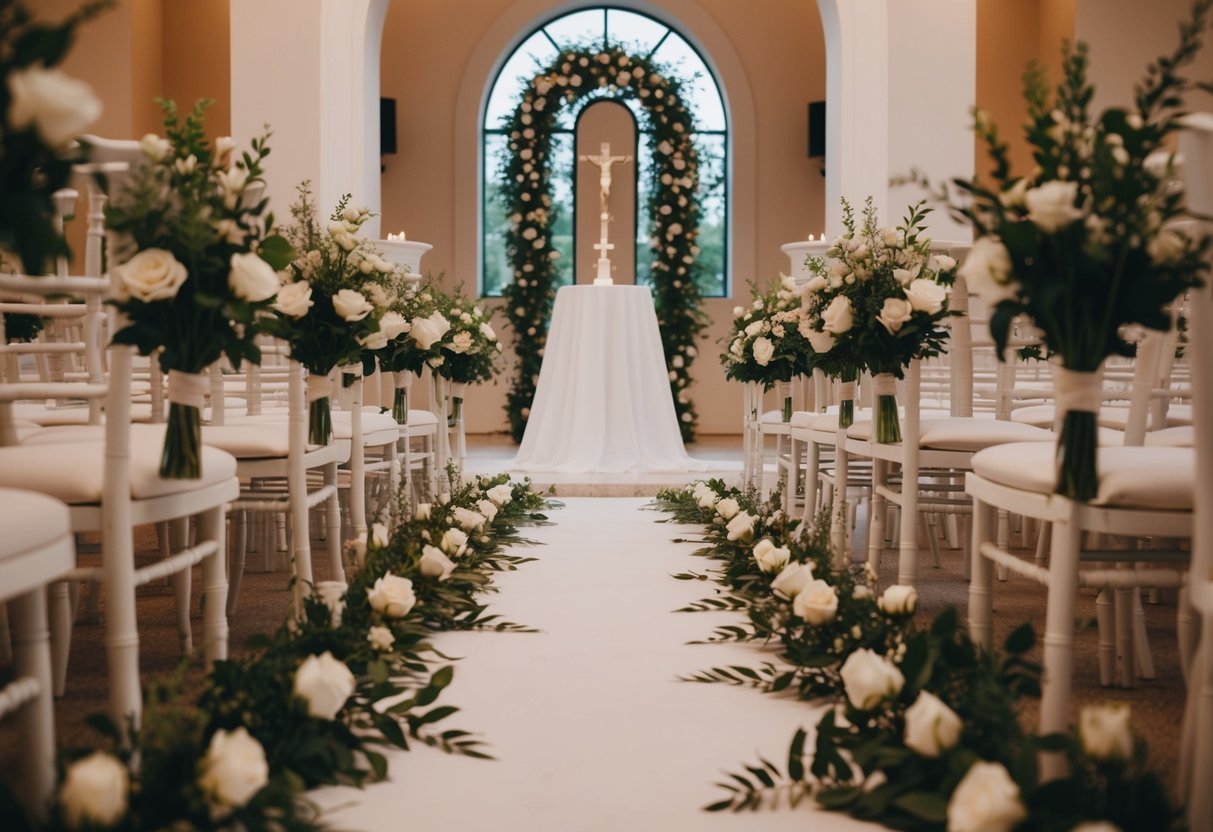
This special entrance is not just about the bride; it involves family, friends, and the entire wedding party. Each person has a role to play, helping to create a beautiful and emotional atmosphere.
As you approach the altar, all eyes will be on you, making it a moment filled with anticipation and joy.
Understanding the meaning behind the processional can make this experience even more meaningful for you. It’s a time to reflect on the love and support surrounding you as you take this important step toward your future.
The Processional and Its Significance
The processional is a key part of the wedding ceremony, marking the moment everyone stands still to focus on the couple. It includes the order in which the wedding party walks down the aisle, each playing an important role.
Roles and Order of the Wedding Party
The wedding party consists of various people, each with a specific role. Typically, the ceremony begins with the grandparents, followed by the parents of the bride and groom.
Next, come the bridesmaids and groomsmen, usually walking in pairs. The maid of honor and best man often walk separately at the end of the group.
After them, the ring bearer and flower girl follow, adding a sweet touch to the occasion.
Finally, the moment arrives when the bride walks down the aisle, usually escorted by a parent or family member. This part of the processional emphasizes the importance of family and tradition. Each participant contributes to the ceremony’s emotional significance.
Cultural Variations in the Processional
Different cultures have unique traditions regarding the wedding processional. In a Christian wedding, the order is often formal, with the bride coming last.
Jewish weddings may include specific rituals, such as the Badeken, where the groom covers the bride’s face with a veil before walking down the aisle.
In some Hindu weddings, the Baraat features the groom arriving in a joyful procession on horseback or in a car. This is quite different from a nondenominational ceremony, where couples may choose a more relaxed processional that reflects their personal style.
Understanding these variations helps you appreciate the deeper meanings behind each choice, allowing you to create a ceremony that resonates with you and your loved ones.
The Central Moment: Bride Walks Down the Aisle
The moment you walk down the aisle is a significant part of your wedding ceremony. It is filled with emotions and traditions. Several factors can enhance this experience, including who will escort you, the music chosen, and the meaning behind this special act.
Choosing the Right Escort
Deciding who will escort you down the aisle is an important choice. Traditionally, many brides are walked down by their father. This symbolizes the father’s blessing and support.
If your father can’t be there, a stepfather, brother, or a close friend can also take on this role. You might choose to walk alone, representing your independence and strength.
This choice can be empowering and personal. Think about who means the most to you as you embark on this marriage journey. The focus should be on what feels right for you.
Selecting the Processional Music
The music played as you walk down the aisle sets the tone for this moment. Many brides opt for a traditional wedding march, known for its grand feeling. Others prefer softer melodies or modern songs that speak to their hearts.
Choosing a song that resonates with you will make this moment unforgettable. Consider how the music fits your personality and relationship. Share this choice with your partner, as it reflects your shared journey together. Music enhances emotions, making this moment even more special.
Understanding the Symbolism of the Aisle Walk
Walking down the aisle carries deep meaning. It marks your transition from being single to embarking on a new life as a married person. Each step you take symbolizes your journey toward your partner and your future together.
This moment also reflects a bond between you and your family. If escorted, it can show the support of your parents as you start this new chapter. Embrace this time and recognize the importance of the aisle walk in your wedding ceremony. It is a moment to be cherished.
Ceremony Highlights Beyond the Aisle
The wedding ceremony involves several key moments that create lasting memories. From the officiant’s role to the exchange of vows, each part is essential in making your day special.
The Role of the Officiant
The officiant is a central figure in your wedding. They guide the ceremony, helping you and your partner navigate this important moment. Their words set the tone, whether it’s formal or more relaxed.
You can choose different types of officiants, such as a religious leader or a friend who gets ordained. Each brings a unique flavor to the ceremony. The officiant usually stands at the altar, welcoming guests and introducing the couple.
They may share readings or personal anecdotes, making the experience more intimate. It’s vital to have someone who connects well with both you and your partner’s families.
Vows and Ring Exchange
One of the most emotional parts of the ceremony is when you exchange vows. This moment allows you to express your love and commitment to each other.
You can write your vows or use traditional ones. Following the vows is the ring exchange. This symbolic act signifies your lifelong promise.
The rings are often blessed by the officiant before you put them on each other’s fingers. This moment is intimate and typically involves your immediate families witnessing your promises. It’s a beautiful way to highlight the love you share.
The Recessional and Its Order
After the vows and ring exchange, the recessional marks the end of the ceremony. You both walk back down the aisle together as a married couple. The mood shifts to one of joy and celebration.
Family members often follow right after, usually in a specific order. First, the groom’s parents take their seats, followed by other close family, including the bride’s family.
This process is joyful, with music playing to accompany your first steps as a married couple. The recessional leads into your next celebration, like the first dance, where you can continue to share your happiness with friends and family.