
What Is the Average Wedding Budget in the UK? Discover the Costs for Your Big Day!
Planning a wedding can be both an exciting and daunting experience. With so many details to consider, one of the most important aspects is the budget. The average wedding budget in the UK is approximately £20,700 for 2024, showing a steady increase over recent years.
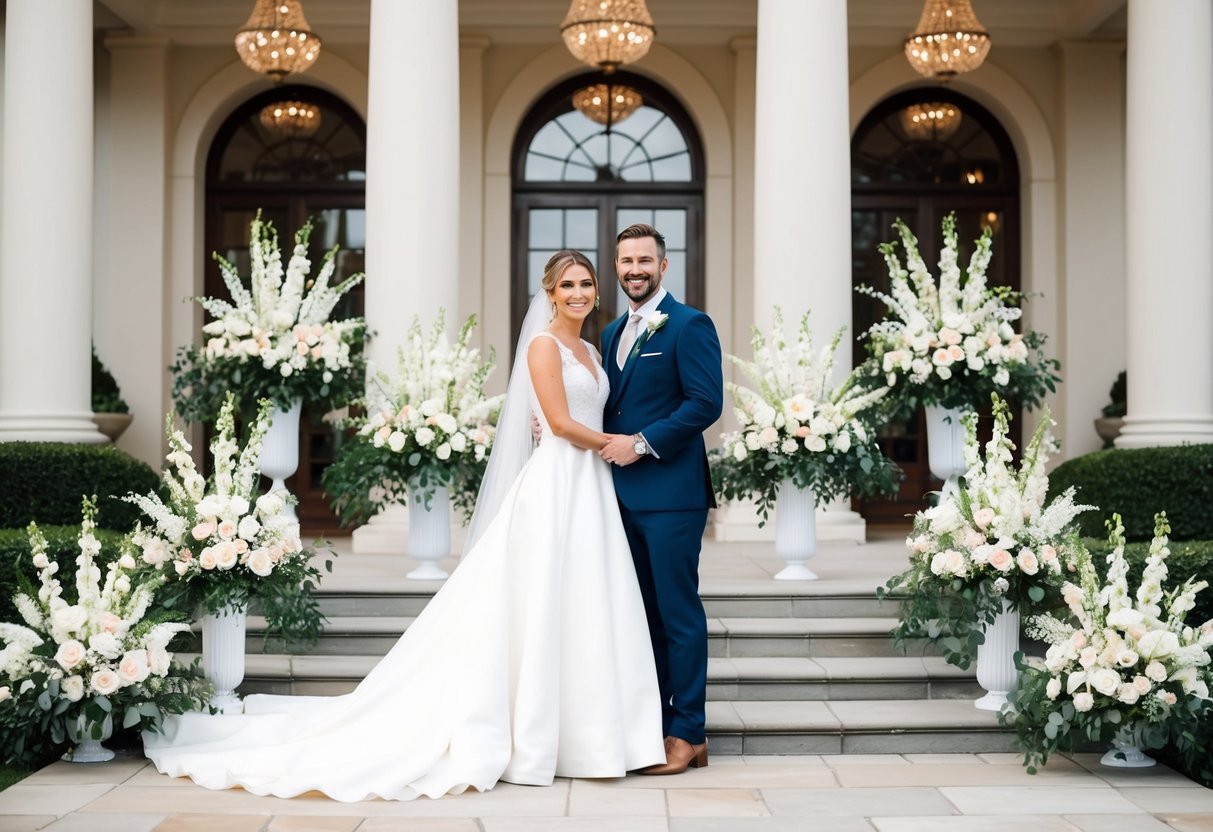
Understanding what factors contribute to this budget can help you make informed decisions. Whether you’re looking for a lavish celebration or a more intimate gathering, there are ways to tailor your spending without sacrificing the day of your dreams.
As you dive into your wedding planning, knowing the average costs for various elements will guide you in creating a realistic budget that fits your vision.
Understanding Wedding Budgets in the UK
When planning your wedding, it’s important to know the average costs and what influences those expenses. This information can help you create a realistic budget that fits your needs.
Average Wedding Costs
The average wedding in the UK costs around £20,775 in 2024. This figure includes various elements, such as the venue, catering, and decorations. Here’s a breakdown of important costs you might encounter:
- Venue: Approximately £9,877 (including catering).
- Photography: Around £1,500.
- Attire: £1,000 for the dress and suit combined.
- Flowers and Decorations: About £1,000.
These numbers can vary greatly based on your location and guest count. If you’re aiming for a budget-friendly wedding, consider venues that charge lower rates or even outdoor spaces.
Factors Influencing Wedding Costs
Several factors can affect your wedding budget. Understanding these factors can help you plan better.
- Guest Count: The more guests you invite, the higher your costs will be for food, drinks, and seating arrangements.
- Location: Weddings in bigger cities, such as London, tend to be more expensive due to higher costs of living.
- Time of Year: Peak wedding seasons, like summer, typically have higher prices for venues and services.
Additionally, the cost of living crisis has played a role in rising wedding costs. Many couples must adjust their expectations to create a wedding that fits their financial situation. This means prioritizing what’s most important to you.
Key Components of Wedding Expenses
When planning a wedding, several key expenses will shape your budget. You need to think about the venue, food, attire, decorations, and photography. Each of these elements can have a big impact on your overall spending. Here’s what you should consider.
Venue and Catering
The venue is one of the largest portions of your wedding budget. Depending on the location, expect to pay anywhere from £1,500 to £10,000 or more. Popular venues often require early booking, so plan ahead.
Catering is another major cost, often accounting for up to 29% of your budget. Meal costs can range from £30 to £100 per guest. Consider whether you want a plated dinner, buffet, or a more casual option. Don’t forget to budget for drinks and cake too!
Attire and Rings
Your attire is special. A wedding dress can cost between £1,000 to £3,000. If you’re renting, prices might start lower but add in any necessary alterations.
Engagement rings can also be pricey, with averages around £1,500. Think about your partner’s style, and don’t forget to budget for wedding bands as well, which can range from £200 to £2,000 each.
Flowers and Decor
Flowers and decor help set the mood for your wedding. Bouquets and centerpieces can range from £500 to £2,000 or more depending on your chosen flowers.
Consider going seasonal to save money. Decor, like table settings and lighting, can further enhance your theme. Simple touches can create a beautiful atmosphere without excessive spending.
Photography and Videography
Capturing your day is important. Hiring a photographer can cost between £1,000 and £2,500. Look for someone whose style matches your vision. Ask to see full weddings they’ve shot to ensure a good fit.
Videography is another investment. A videographer can add around £1,000 to £2,500 to your budget. You’ll want to see samples of their work to make sure they can capture your day as you wish.
Additional Considerations
Don’t forget about other important costs. This includes transportation for you and your guests, which can add another £200 to £800 depending on the vehicles used.
You might also want to consider entertainment options, such as a DJ or band, with prices ranging from £300 to £1,500. Lastly, budget for wedding favors, a stationery suite, and any unexpected expenses to keep your planning stress-free.
Planning Your Wedding Budget
Creating a wedding budget can feel overwhelming, but breaking it down into clear sections helps make it manageable. Understanding where your money goes and anticipating hidden costs will allow you to plan effectively.
Creating a Budget Breakdown
Start by making a wedding budget breakdown. List all the key expenses you’ll face. Common categories include the venue, catering, attire, decor, and entertainment.
Here’s a simple example:
| Category | Estimated Cost |
|---|---|
| Venue | £9,877 |
| Catering | £6,084 |
| Photography | £1,500 |
| Entertainment | £1,000 |
| Decorations | £800 |
| Clothing | £1,200 |
| Miscellaneous | £1,500 |
This structure gives you a clearer view of how much you’ll need. Using a wedding budget planner can also help you track these costs throughout your planning process.
Hidden Costs to Anticipate
While planning, don’t forget about hidden wedding costs. These can sneak up on you and throw off your budget. For instance, consider travel and accommodation for guests, wedding favors, and insurance.
You should also budget for potential service charges or gratuities for vendors, as they may not be included in the initial quotes.
Lastly, think about last-minute expenses, like alterations for your dress or tuxedo. Being prepared for these additional wedding costs will keep your budget on track.
Tips for Saving on Wedding Costs
There are many ways to save on your wedding costs without sacrificing your vision. First, consider a weekday wedding or an off-peak season date. This can significantly lower venue fees.
Buying decorations and supplies in bulk can also help cut costs. Additionally, you could DIY some aspects of your wedding, like invitations or centerpieces.
Don’t hesitate to negotiate with UK wedding suppliers. Many are open to discussing discounts or package deals. Lastly, consider using a wedding budget planner to keep track of all your expenses easily. Small changes can lead to big savings.
Finalizing the Details
As you get closer to your wedding day, it’s crucial to focus on the finer details. This includes securing your vendors, understanding your guest numbers, and considering seasonal factors that can influence your plans.
Securing Vendors and Services
Finding the right vendors is key to bringing your wedding vision to life. Start by researching and reaching out to local suppliers for your essential needs. These may include catering, photography, and entertainment.
When selecting vendors, be sure to ask about their experience with weddings like yours. It’s also a good idea to read reviews and request references. Don’t forget about smaller details like wedding stationery, wedding favours, and the wedding cake.
Consider creating a checklist to keep track of what you’ve booked. Many couples find success in gathering quotes and comparing packages. This ensures you’re getting the best value without compromising quality.
The Importance of Guest Numbers
Your guest list plays a big role in many aspects of your wedding planning. Knowing how many people will attend helps you choose the right venue and manage your budget effectively.
Start by drafting an initial list of guests. Be prepared for changes, as not everyone may be able to attend. This can impact what you spend on catering and wedding stationery, as well as the size of your venue.
Consider the type of atmosphere you want to create. A smaller gathering can feel more intimate, while a larger guest list can add to the energy. Think about how many people you can accommodate comfortably.
Seasonal Considerations
The time of year can greatly influence your wedding style and budget. For instance, winter weddings can be charming but may require a wedding marquee for outdoor events.
If you’re planning a summer wedding, explore outdoor venues that allow for lovely garden settings.
Each season offers unique opportunities for décor and themes.
Be mindful of costs related to peak season versus off-peak times. Prices for venues, catering, and even transport can vary.
You might find better deals in the off-peak months while still achieving a beautiful celebration.