
What is the Cheapest Way to Get Legally Married in the UK? A Simple Guide for Couples
If you’re wondering about the cheapest way to get legally married in the UK, you’re not alone. Many couples are looking for budget-friendly options that keep the focus on love rather than expenses. The most economical way to get married is to have a simple civil ceremony at your local registry office. This straightforward process typically requires minimal paperwork and can be done without any extravagant extras.

Getting married doesn’t have to cost a fortune. By following some easy steps, you can obtain your marriage certificate without unnecessary stress.
From booking your appointment to choosing witnesses, this guide will help you navigate the legal marriage process with ease. Whether you want an intimate celebration or just need that legal confirmation, you’ll find the options to fit your needs.
Understanding the Legal Requirements to Get Married in the UK

Getting married in the UK involves meeting specific legal requirements. This includes understanding eligibility criteria and the necessary documentation.
Eligibility and Documentation
To get married in the UK, you must be at least 16 years old. If you’re under 18, you will need parental consent. You should also check the rules in Scotland, as they may differ slightly from those in England, Wales, and Northern Ireland.
You will need to provide documentation, which often includes proof of your name, age, nationality, and address. Acceptable forms of proof can be your passport, a birth certificate, or an official letter with your address on it. If you are a foreign national, you may need an entry visa and additional paperwork.
For those who have previously been married or in a civil partnership, it is essential to show proof of your marital status. This can include a divorce decree or a death certificate of your former partner. If you identify as a transgender person, a gender recognition certificate may be necessary.
Giving Notice at the Register Office
Before you can get married, you must give notice at your local register office. This notice needs to be done at least 28 days before your wedding. The registrar will need to see your documentation during this appointment.
When you give notice, you will fill out a notice of marriage form. This form includes information about you, your partner, and where you plan to get married. If you are not a British citizen, additional details may be required.
Make sure the details on your documents match the information you provide on the notice. After giving notice, the registrar will issue a marriage schedule. This schedule is important because it is what you will present at your ceremony to make your marriage official.
Choosing Your Wedding Venue
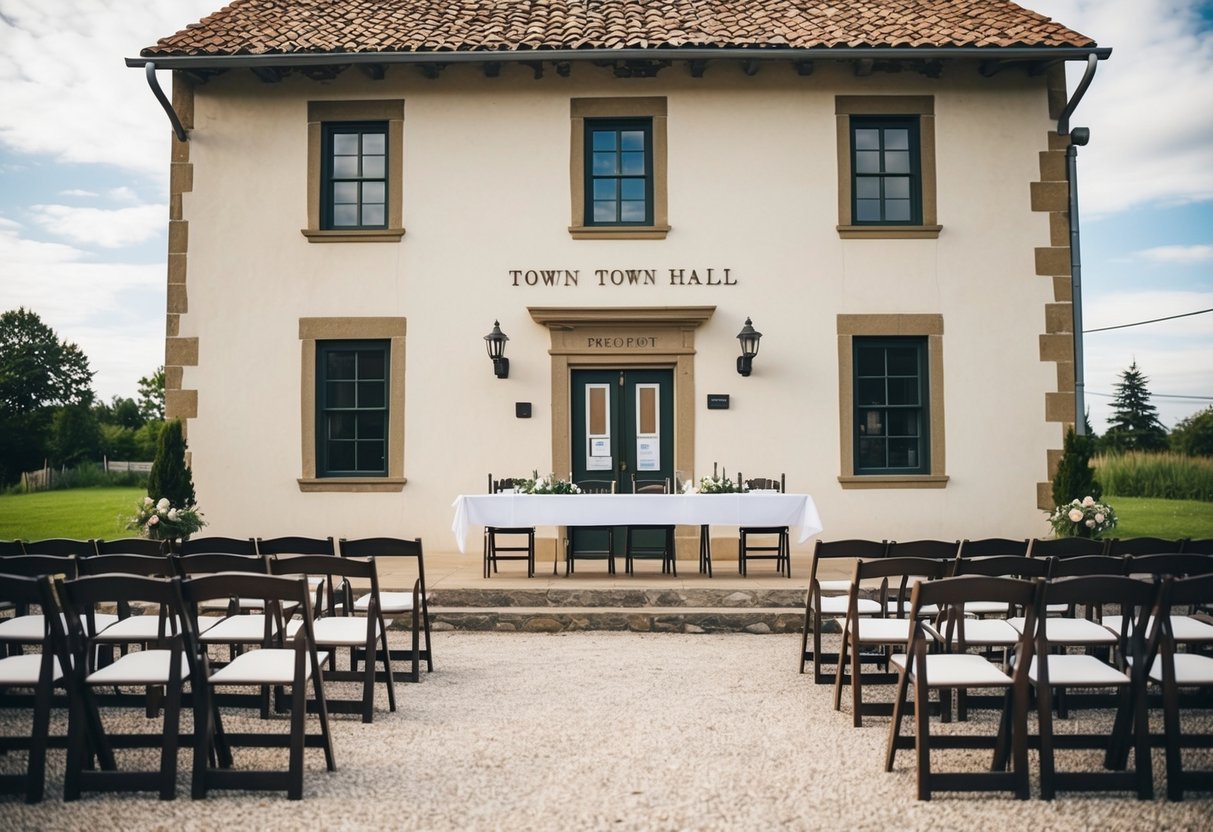
Selecting the right venue for your wedding is crucial. It affects your budget, guest experience, and overall atmosphere. You have various options, from traditional to unconventional settings, and each has its own benefits.
Official Venues vs. Religious Settings
When it comes to legally getting married, you can choose between official venues and religious settings. Approved venues include registry offices, hotels, and licensed outdoor spaces. They offer a civil ceremony, which is straightforward and often less expensive.
On the flip side, if you prefer a religious ceremony, venues such as churches, including the Church of England or Church in Wales, are available. Booking these often requires you to meet specific religious conditions, which might include attending services. Consider what feels right for you when deciding between these options.
Unconventional and Outdoor Venues
Unconventional venues are a fantastic way to save money and create a memorable experience. Think about village halls, pubs, or even campsites. These locations can provide a charming and informal atmosphere that suits a more relaxed wedding day.
Outdoor venues, like gardens or parks, allow you to embrace nature while saving on decoration costs. Just be sure to have a backup plan in case of bad weather. Always check if these places are licensed for civil ceremonies before booking to ensure your wedding is legal.
Hosting a Wedding Abroad
Consider hosting your wedding abroad for a unique experience and potential savings. Popular destinations often offer all-inclusive packages that cover the ceremony, reception, and accommodations. This can help keep your wedding costs lower than if hosted in the UK.
Popular choices include beach weddings or castles in scenic locations. Just be sure to research the legal requirements for getting married outside the UK, as they vary by country. You may need to provide documentation or go through local procedures, so plan ahead to avoid any last-minute surprises.
Cost-Effective Strategies for Getting Married

Getting married doesn’t have to break the bank. With careful planning and smart choices, you can have a meaningful ceremony without spending a fortune. Focus on optimizing your budget, considering low-cost options, and saving on other expenses.
Optimizing Your Budget
Start by setting a clear wedding budget. Determine the total amount you can spend and break it down into categories like the venue, attire, and photography. Knowing where your money will go helps you prioritize what matters most.
Consider reducing guest lists to lower costs. Fewer guests mean smaller venues and less food. Look for free or low-cost venues, like parks or community halls, which may be perfect for a registry office ceremony.
Lastly, be open to DIY options. From decorations to invitations, making things yourself can save you a lot. This approach allows you to personalize your wedding while staying within your budget.
Low-Cost Ceremony Options
Choosing a simple registry office ceremony can significantly reduce your costs. Many registry offices offer basic package options that include the ceremony and required documentation for a reasonable fee. For instance, a straightforward wedding can cost as little as £200.
Consider weekdays or outside of peak wedding season for lower fees. Venues are often less busy and may offer discounts, making it easier to secure a date. Remember to check local guidelines and necessary payments for the marriage license or civil partnership registration, as these can vary.
If you want to save money on attire, consider renting a wedding dress instead of purchasing one. This option can dramatically cut costs without sacrificing style.
Saving on Additional Expenses
Photography can be one of the largest expenses. To save money, think about hiring a photographer who is just starting out or ask friends with good cameras to take pictures. You can also consider having a small photo booth for fun memories.
When it comes to wedding planners, consider opting for a partial planner who can help with just a few essentials. This approach can reduce hours billed while still ensuring your day runs smoothly.
Additionally, look into potluck-style receptions or simpler menus. This can cut catering costs while involving your friends and family in a fun way. Budgeting carefully and being resourceful can lead to a beautiful celebration without overspending.
Understanding Marriage Recognition in the UK

In the UK, it’s important to know how marriage is legally recognized. This affects your rights and how your relationship is viewed, especially for couples in diverse situations, including same-sex partnerships. Here’s what you need to know.
Legal Recognition and Rights
When you marry in the UK, your marriage is recognized as a legal union. This gives you and your partner certain rights and protections. For example, you’ll have rights related to inheritance, taxation, and decision-making in healthcare situations.
A legal marriage is different from other forms of partnership, like cohabitation. Having a legal marriage can provide peace of mind, as it offers protections under the law. This is essential for foreign nationals; you’ll need to follow specific immigration laws to ensure your marriage is valid for visa purposes.
To get married, you’re required to obtain a marriage license. This process involves giving notice at your local registry office. Both parties must provide proof of identity and residence.
Marriage and Civil Partnerships for Same-Sex Couples
In the UK, same-sex couples can choose between marriage and civil partnerships. Both options provide legal recognition and rights similar to those for opposite-sex couples.
A civil partnership offers a legal status without the traditional marriage elements. If you prefer a wedding ceremony, you can opt for a same-sex wedding. Both avenues give rights in areas like inheritance and health decisions.
For same-sex couples from outside the UK, it’s crucial to comply with local laws where you intend to marry. This ensures your marriage is legally recognized when you return. Whether you choose a civil partnership or marriage, knowing the legal frameworks assists in securing your rights as a couple.