
What is the Classical Song the Bride Walks Down the Aisle To? Discover the Perfect Wedding Processional Tune!
As you plan your wedding ceremony, one of the most beautiful moments is when you walk down the aisle. The classical song commonly chosen for this special moment is the “Bridal Chorus,” also known as “Here Comes The Bride.” This iconic piece is not only traditional but also sets a tone of elegance and emotion for your big day.
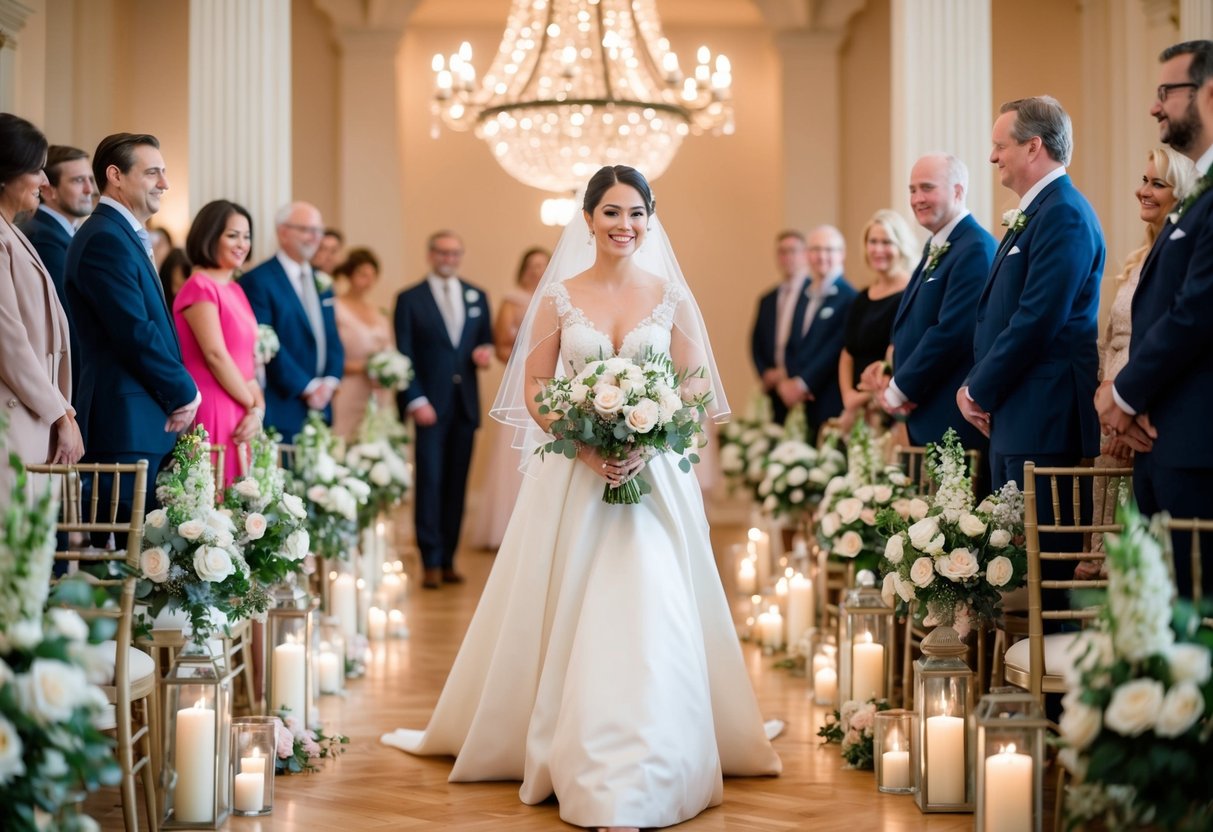
Many couples consider the choice of processional music to be deeply significant. It reflects your style and adds a personal touch to the ceremony. While the “Bridal Chorus” is a popular choice, there are other classical pieces like Pachelbel’s “Canon in D Major” that you might find captivating. These selections have graced countless weddings and remain timeless favorites.
Your wedding is a celebration of love and commitment, and the music you choose for your walk down the aisle enhances that feeling. The right song can make the moment even more memorable, creating a lasting impression for you and your guests.
Historical Significance of Wedding Marches
Wedding marches have a rich history and play an important role in wedding ceremonies. These musical pieces not only set the tone for the occasion but also connect you to age-old traditions that have shaped modern weddings.
Origins of Processional Music
The use of music during weddings dates back centuries. Early traditions often included simple tunes played as the bride walked down the aisle.
One significant piece is “Here Comes the Bride,” from Richard Wagner’s opera Lohengrin. This song has become a staple in wedding ceremonies since the 19th century.
The choice of processional music can reflect cultural and personal values, making it a crucial part of the ceremony.
Wagner’s romantic compositions give a feeling of grandeur that many couples seek. Another notable piece is Johann Pachelbel’s Canon in D. This piece creates a beautiful and serene atmosphere, often played as the bridal party walks in.
Classical Composers and Their Impact
Classical composers have greatly influenced wedding music. Pachelbel’s Canon in D became popular for its gentle, flowing melody. It is often chosen for its emotional depth and elegance, making it a favorite during ceremonies.
Wagner’s work also affects how couples view wedding music. His pieces evoke strong feelings and add a dramatic flair. Many couples gravitate towards Wagner’s music for the processional because it feels celebratory.
These compositions have stood the test of time, appearing in countless weddings worldwide. The choice of music for your special day connects you to the past while creating a memorable experience for your guests.
Most Popular Classical Pieces for the Aisle
When choosing music for your wedding aisle, classical pieces offer elegance and timeless beauty. This section explores some of the most beloved tunes from the Baroque and Romantic eras, as well as modern interpretations of classic melodies.
Elegant Choices From the Baroque and Romantic Eras
One of the most famous pieces is “Canon in D” by Johann Pachelbel. Its flowing melodies create a serene atmosphere as you walk down the aisle. This piece remains a top choice because of its beautiful harmonies and uplifting feel.
Another classic is the “Bridal Chorus” from Wagner’s Lohengrin, often associated with the phrase “Here Comes the Bride.” Its grand sound makes it an ideal choice for the grand moment when you enter.
Additionally, “Ave Maria”, particularly the version by Schubert, adds a touching element during the ceremony’s emotional peak. It brings a sense of reverence and beauty that many couples cherish.
Modern Takes on Classic Melodies
A contemporary favorite is “A Thousand Years” by Christina Perri. This song blends modern and classical elements, making it a heartfelt choice for many brides. Its romantic lyrics resonate deeply, enhancing the aisle experience.
Another lovely option is the “Wedding March” by Mendelssohn, known for creating a joyful ambiance. This piece is frequently played at weddings and signifies a new beginning.
You might also consider “Canon in D Major” arranged for different instruments. Various interpretations can add a unique touch while keeping the essence of the original intact.
With these selections, you can find the perfect music that matches your style and sentiment on your special day.
Choosing the Right Song for Your Ceremony
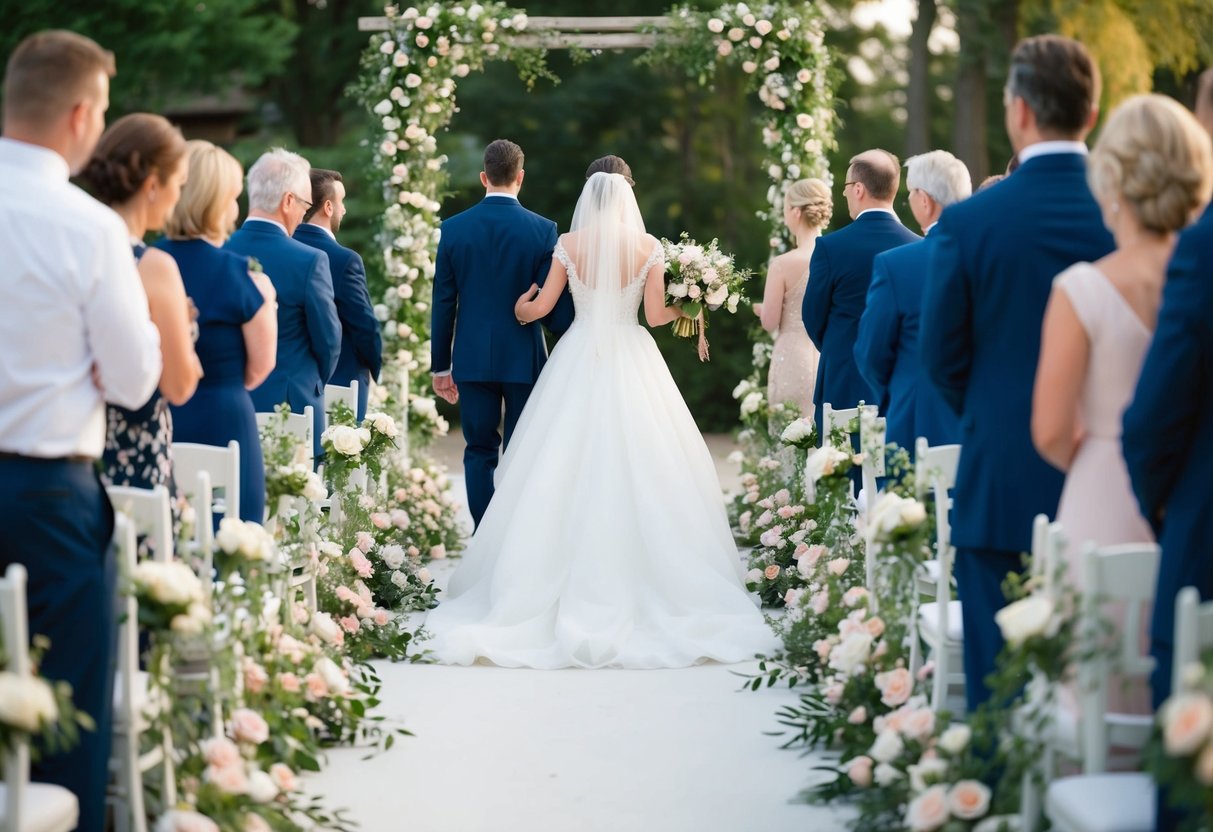
Selecting the right song for your wedding processional sets the tone for your ceremony. It’s all about creating an intimate feel that resonates with you and your partner. Here are some key factors to consider.
Personalizing the Wedding Processional
When choosing a processional song, think about what reflects your personality as a couple. You might want to choose a classic piece or something that holds special meaning for you.
Consider using a beautiful classical piece like “Ave Maria” or a more modern rock song that speaks to your heart.
You can even mix genres for a unique touch. What matters is that the song feels authentic to your relationship. Take your time to listen to various options. This will help you find a song that captures your emotions perfectly.
Consultation with Wedding Musicians
Working with wedding musicians can be very helpful in choosing the right song. They can provide insight into which pieces work best for the ceremony.
Ask them about their experiences with wedding songs and processional music. A professional can guide you on arrangements and the overall feel of the song in a live setting.
Don’t hesitate to share your preferences. They can come up with recommendations based on your taste and the atmosphere you want to create.
Remember, your wedding music should be a reflection of you as a couple, so lean on the expertise of your musicians to make it memorable.
Alternative Classical Options and Arrangements
When looking for classical music for your wedding, many beautiful variations exist beyond the traditional selections. You can enhance your ceremony with instrumental versions of popular songs or explore some lesser-known classical pieces that can create a unique atmosphere.
Incorporating Instrumental Versions of Popular Songs
Using instrumental versions of popular songs can personalize your ceremony while keeping a classical feel. Consider tracks like Clair de Lune by Debussy or Vivaldi’s The Four Seasons reimagined for strings. These pieces can be found in arrangements that include piano or string quartet.
Some popular songs, such as A Thousand Years or Canon in D by Pachelbel, are often rearranged for string ensembles. These versions maintain the emotional weight of the originals while giving them a classical twist.
Another option is to feature Air on the G String from Bach’s Orchestral Suite No. 3. This piece’s serene melody can beautifully accompany your walk down the aisle, creating a touching moment for you and your guests.
Lesser-Known Classical Gems
Exploring lesser-known classical pieces allows for a fresh take on wedding music.
One lovely choice is the Flower Duet by Delibes. Its enchanting duet between soprano and mezzo-soprano creates a joyful ambiance.
Consider the Arrival of the Queen of Sheba by Handel, which adds a lively energy to your entrance. This piece exudes elegance and excitement, perfect for celebrating your special day.
Another great option is the Largo from Xerxes, also by Handel. Its smooth, flowing melody can evoke deep emotions without being familiar to every guest.
Max Richter’s contemporary compositions may also offer unique arrangements that blend classical sounds with modern elements. His work often captures a sense of reflection and beauty, making it ideal for a wedding setting.