
What is the Correct Order of a Wedding Ceremony? A Simple Guide for Couples
Planning a wedding comes with many details to consider, and one of the most important is the order of the ceremony. Understanding the correct sequence can help ensure everything flows smoothly on your special day. The typical wedding ceremony order begins with seating guests, followed by the processional, where the couple and their wedding party walk down the aisle.
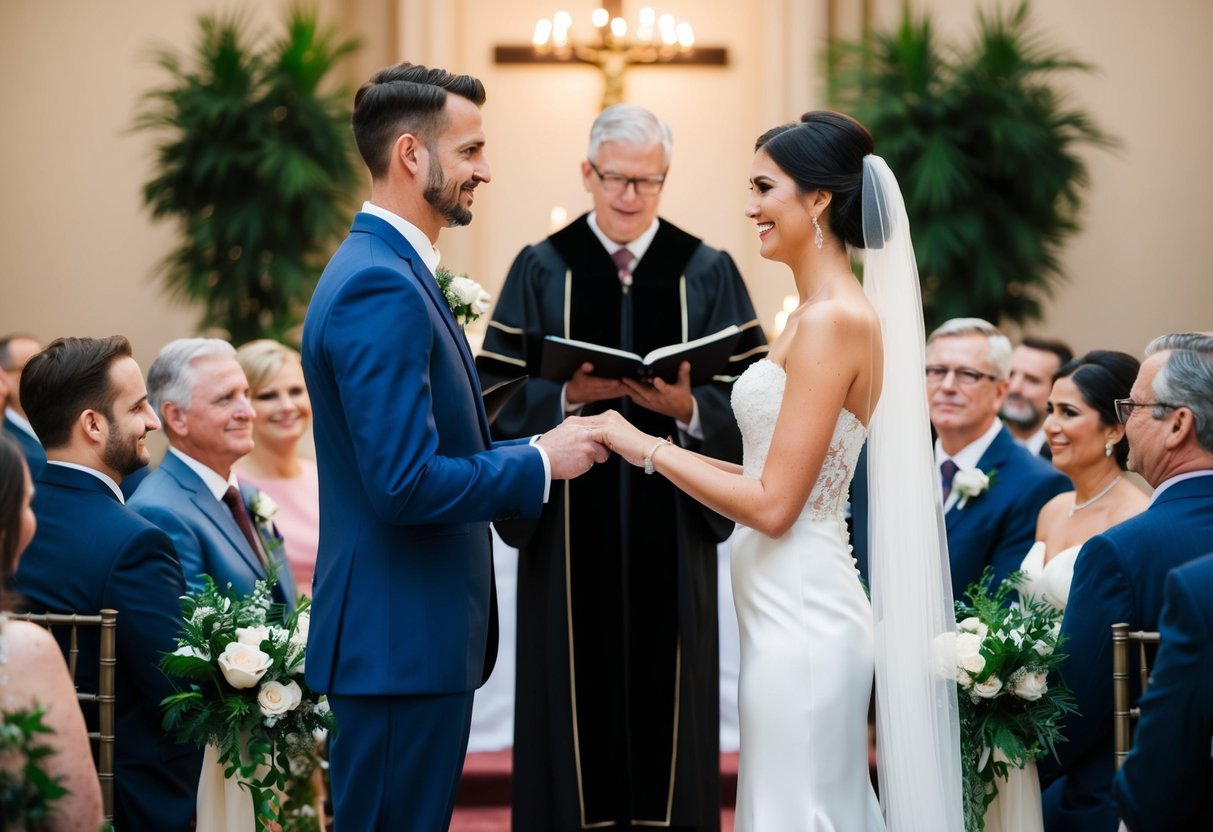
From there, you will have key elements like the exchange of vows and rings, and finally, the pronouncement of marriage. By knowing the proper order, you can focus on what truly matters—celebrating your love with family and friends. This guide will walk you through the ceremony step by step, making sure you feel confident and prepared.
Pre-Ceremony Preparations
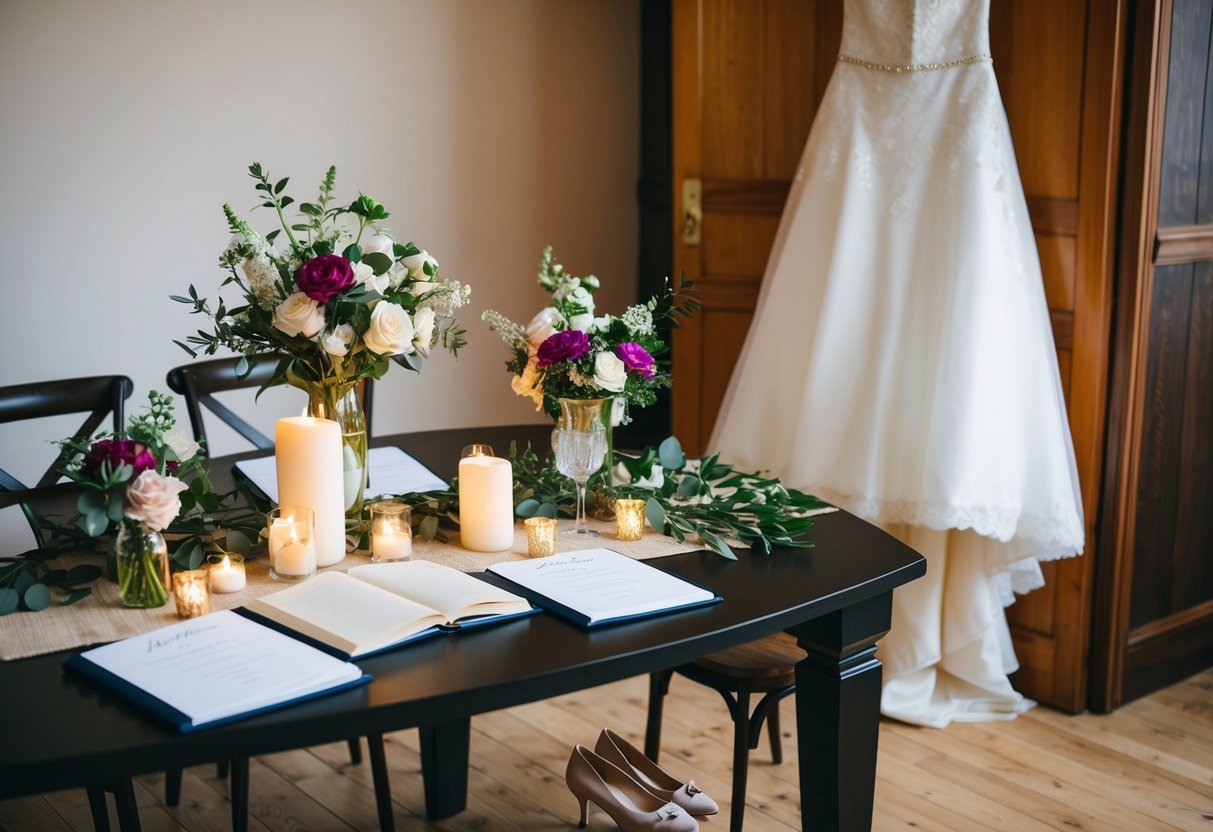
Before the wedding ceremony begins, several key activities help create a joyful atmosphere. You will want to ensure that everything is ready for a seamless experience, from the roles of your wedding party to the music that sets the tone.
Setting the Stage
First, think about the physical setting. If you’re working with a wedding planner, they can help arrange the seating, decorations, and any necessary setup.
Consider adding elements like floral arrangements, which can enhance your venue’s beauty. If you have a flower girl, she can play a role in this aspect by scattering petals along the aisle.
Ceremony music is important too. A prelude of soft music can welcome guests and create a lovely mood. Make sure the musicians or sound system are ready to go before guests arrive.
Roles and Responsibilities
It’s crucial to establish clear roles for everyone involved. Your wedding party, including bridesmaids and groomsmen, will support you and help with various tasks.
Assign specific duties to each member to keep everything on track. For example, the best man might hold the rings for the ring bearer, while bridesmaids can assist the flower girl, ensuring she feels confident and knows her part.
For the processional, ensure that everyone knows the order they will enter. This coordination can prevent any confusion and make the ceremony flow smoothly. Having a wedding planner can help you manage these roles effectively, ensuring that everyone feels comfortable and excited on your special day.
Ceremony Structure
A wedding ceremony has a specific order that creates a memorable experience. It’s important to understand each part of the ceremony structure, from the processional to the heartfelt vows exchanged between the couple. This helps set the tone for the celebration.
The Processional Order
The ceremony begins with the processional. This is where everyone walks down the aisle. Typically, the wedding party enters in a set order. First, the grandparents, parents, and then the bridal party follow.
The maid of honor and best man are usually last before the bride. You may want to choose meaningful music that reflects your style. As the bride enters, this moment often captures everyone’s attention. It’s a great way to begin your ceremony.
Welcoming Guests
After the processional, the officiant welcomes guests. This is an important part of the ceremony. The officiant’s welcome and opening remarks help set a warm and inviting atmosphere.
Here, the officiant may share a short story about the couple or express gratitude for everyone attending. It’s a good time to explain the ceremony’s significance. These welcoming words create a sense of togetherness and joy among the guests.
The Heart of the Ceremony
The heart of the wedding ceremony includes several key elements. This part features readings, the exchange of vows, ring exchange, and any unity ceremony.
During the readings, you can choose poems or quotes that resonate with you. Then, the couple exchanges vows, sharing promises with each other.
The ring exchange symbolizes your commitment and love. If you include a unity ceremony, like handfasting, this highlights your bond. Each of these elements is essential for expressing love and commitment, making your ceremony unique and memorable.
Personal Touches
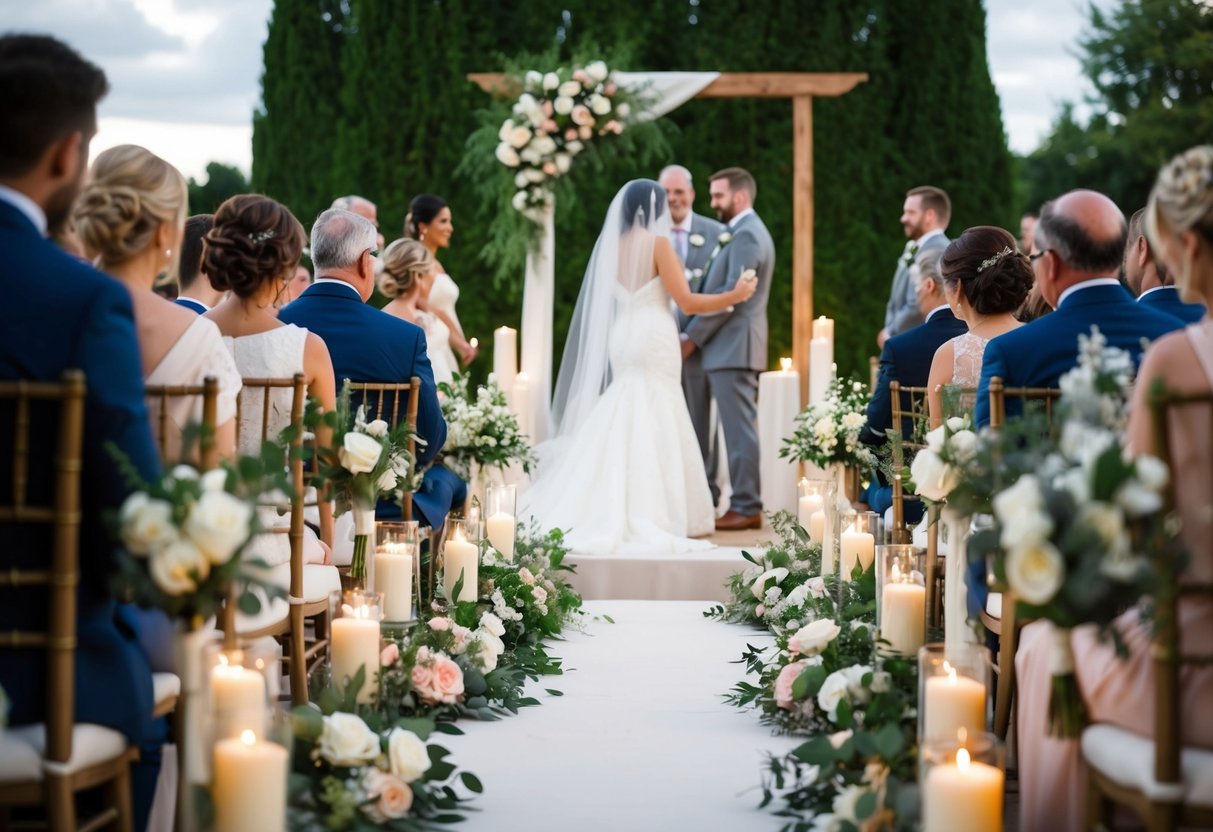
Adding personal touches to your wedding ceremony can make the day even more special. You can include customs and traditions that reflect your backgrounds. Additionally, creating memorable experiences can help you and your guests feel connected.
Customs and Traditions
Consider weaving your cultural customs into the ceremony. For a Jewish wedding, you might include a chuppah for the couple to stand under. You can also have a ketubah, a beautiful contract outlining your vows to each other. In a Hindu wedding, rituals like the baraat and shagun make the ceremony vibrant and meaningful.
For Christian weddings, traditions such as the Lord’s Prayer or specific readings can be included. If you’re going for a more personalized touch, you can combine several elements from different cultures, making your ceremony unique to you and your partner.
Creating Lasting Memories
Creating lasting memories can be as simple as writing your own wedding vows. This personal touch allows you to express your feelings authentically. Alternatively, consider incorporating a special ritual, like a sand ceremony, where you blend colored sand to symbolize your union.
Sharing meaningful readings or including family members in performances can enhance the experience too. You might include a reading from a favorite poem or a song that is special to both of you. This approach helps to connect the ceremony to your love story, making it unforgettable for everyone involved.
Concluding the Ceremony
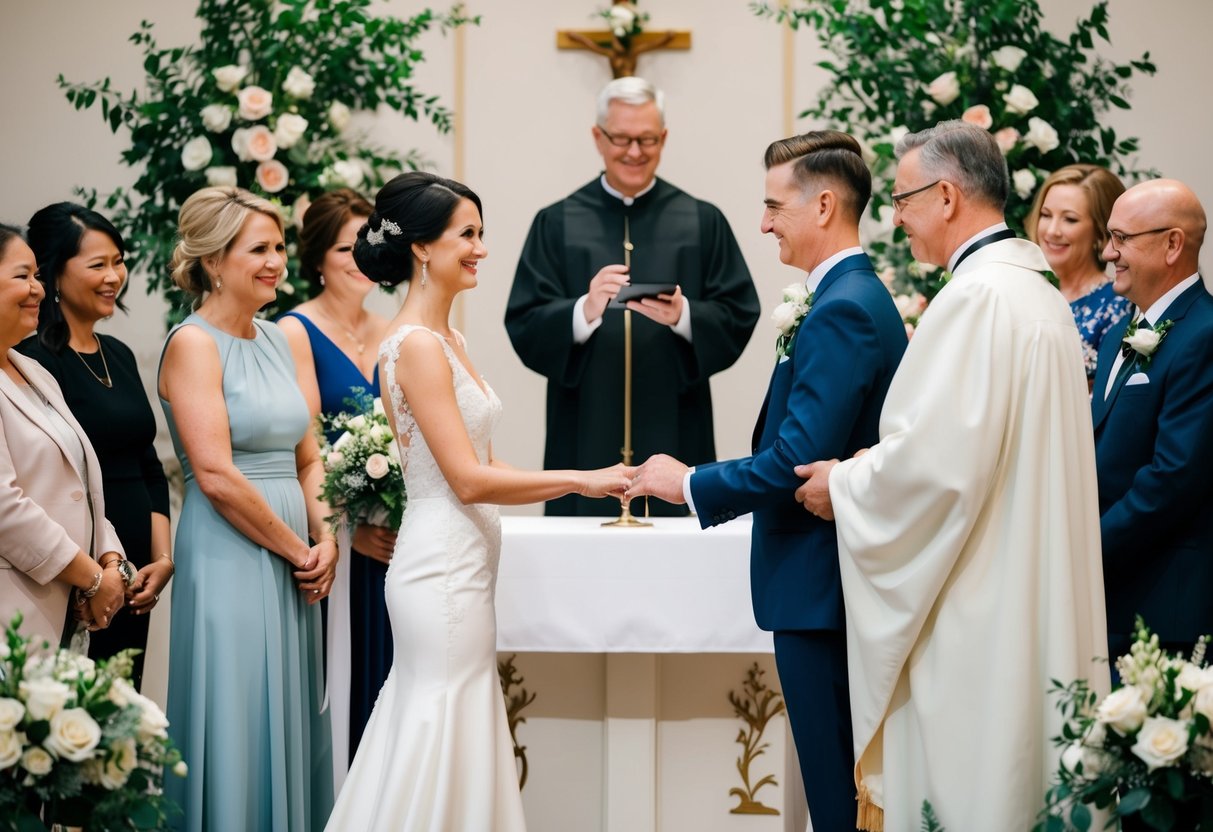
As your wedding ceremony approaches its end, you will experience two significant moments: sealing your union and making a festive exit. These moments highlight the love you’ve shared and celebrate the start of your married life.
Sealing the Union
Sealing the union typically involves a pronouncement of marriage. The wedding officiant will formally declare you married, marking a significant point in your ceremony. Before this, you may have participated in a declaration of intent, where you express your commitment to each other.
Following this, there’s often an exchange of rings. This symbolizes your love and promises. If your ceremony has specific traditions, such as the breaking of the glass in Jewish weddings, this will also take place here. The officiant may share a final blessing, wishing you both love and joy.
Your first kiss as a married couple is an important moment, capturing the essence of your commitment. This kiss not only unites you but also celebrates your new status in front of your family and friends.
The Festive Exit
Once the ceremony concludes, it’s time for the recessional. You, along with your wedding party, will exit the ceremony space in a joyful manner. The order of the recessional can vary. Typically, the couple leads, followed by the bridal party.
As you exit, guests might shower you with flower petals or rice to symbolize prosperity and fertility. In a Christian wedding ceremony, there could be a musical selection to accompany your exit, adding to the festive atmosphere.
In more traditional ceremonies, you might witness a communion or a special prayer to acknowledge the significance of the day. Regardless of the style, your exit is a celebration of love and the start of your journey together. Enjoy this moment as you step into your new life as a married couple!