
What is the Decline Rate for Destination Weddings? Understanding Guest Attendance Issues
When planning a destination wedding, you need to understand the decline rate of your guests. Many couples dream of a beautiful wedding by the beach or in a quaint town, but the decline rate for destination weddings can be significantly higher than for local events. Out-of-town guests often decline at a rate ranging from 30% to 40%. This means that if you’re inviting friends and family from afar, you might need to prepare for a good number of them not being able to make it.
The cost of travel and accommodations is often the main reason guests decline these invitations. It’s important to keep this in mind as you create your guest list and budget. Knowing the attendance rate can help you plan better for your big day, ensuring you have the right support and celebration you desire.
In this article, you’ll discover more about the reasons behind these decline rates and tips to encourage attendance from your loved ones. With this knowledge, you can make informed decisions while planning your dream destination wedding.
Understanding Destination Wedding Trends
Destination weddings are becoming increasingly popular, and several trends contribute to this growth. You’ll find that factors like location, social media, and guest attendance significantly influence how couples choose their wedding destination. Let’s look at what drives this trend and review some key statistics to give you a clearer picture.
Factors Influencing Destination Wedding Popularity
Several important factors lead couples to choose destination weddings. First, couples often seek unique and memorable locations. From beautiful beaches to charming towns, the choice of venue can make a wedding special.
Another factor is budget. Destination weddings can sometimes save money. The average cost of a destination wedding can be around $6,550, compared to $30,000 for a traditional wedding in the U.S. This helps couples enjoy a beautiful setting without breaking the bank.
Social media also plays a big role. Platforms like Instagram and Pinterest inspire couples with stunning visuals of other weddings. Popular destinations, such as Mexico, the Caribbean, and Hawaii, are often showcased, appealing to engaged couples looking for their dream wedding spot.
Current Destination Wedding Statistics
Understanding some current statistics can help you plan better. On average, 30-40% of invited guests may not attend your destination wedding. This decline rate is important for managing expectations during your planning.
The destination wedding industry is seeing growth. Analysts predict a 13.7% growth rate from 2024 to 2034, followed by a slight decline in the second half of that period. With more couples choosing to tie the knot away from home, this trend is likely to continue.
The average number of guests at destination weddings can vary. Many couples may invite fewer guests to reduce costs or personalize their experience. This focus on smaller celebrations often leads to an intimate atmosphere that many couples desire.
Planning for a Destination Wedding
Planning a destination wedding involves several important steps to ensure your special day goes smoothly. From creating the perfect guest list to budgeting for travel expenses, each detail requires careful consideration.
Creating the Perfect Guest List
Start by determining how many guests you want to invite. Keep in mind that destination weddings often lead to a smaller guest list due to travel costs.
You may want to prioritize close family and friends who can make the trip. Consider sending save-the-date cards well in advance. This gives guests time to adjust their plans. You might also want to have a backup list in case some guests can’t attend.
With a tight guest list, you can create a more intimate atmosphere. Just remember to communicate the details clearly in your wedding invitations.
Selecting the Ideal Location
Choosing the right location is key to a successful destination wedding. Popular choices include sunny spots like Florida, California, and exotic locations in the Caribbean or Mexico.
Think about what type of scenery you want. Do you prefer a beach setting or a mountain backdrop?
Research venues that can accommodate your vision and guest size. Some places offer wedding planners to help make arrangements easier. Check for any travel restrictions or seasonal weather conditions that may affect your plans.
Budgeting for Travel and Accommodation
Budgeting is essential when planning a destination wedding. Start by considering travel expenses for guests. Research group rates for flights to help cut costs.
Next, think about accommodation options. Look for nearby hotels or rental properties. It’s often helpful to block rooms for guests at a discounted price.
Make sure to include these costs in your overall wedding budget. Don’t forget to account for activities for your guests between the wedding events. Providing a fun itinerary can help everyone enjoy their time together.
Navigating Guest Logistics
Planning a destination wedding involves careful attention to guest logistics. You’ll want to manage RSVPs effectively and be mindful of personal circumstances that may affect attendance. Being clear and organized will help your guests feel supported and informed.
Managing RSVPs and Attendance Expectations
Start by creating a well-defined wedding guest list. This will help you keep track of invited guests and their responses. Use a simple spreadsheet or an RSVP app to collect replies in one place.
Set a deadline for RSVPs to ensure you can finalize details early. Send reminders for anyone who hasn’t responded by the deadline.
Expect that, on average, around 30-40% of guests may decline due to travel costs and timing. Communicate openly about travel logistics and accommodations. This transparency helps guests feel more comfortable and leads to better attendance.
Accommodating Personal Circumstances
Remember that personal circumstances can impact whether guests can attend your wedding. Some may have financial constraints or family obligations that prevent them from joining.
To help, consider offering information about budget-friendly accommodations and nearby attractions. Providing a list of recommended hotels, along with possible group discounts, can make it easier for guests.
Additionally, share information about eco-friendly weddings, if beneficial to your guests. Highlight the efforts you’re making to ensure a sustainable event, which may encourage attendance from like-minded friends and family.
The Decline of Destination Weddings
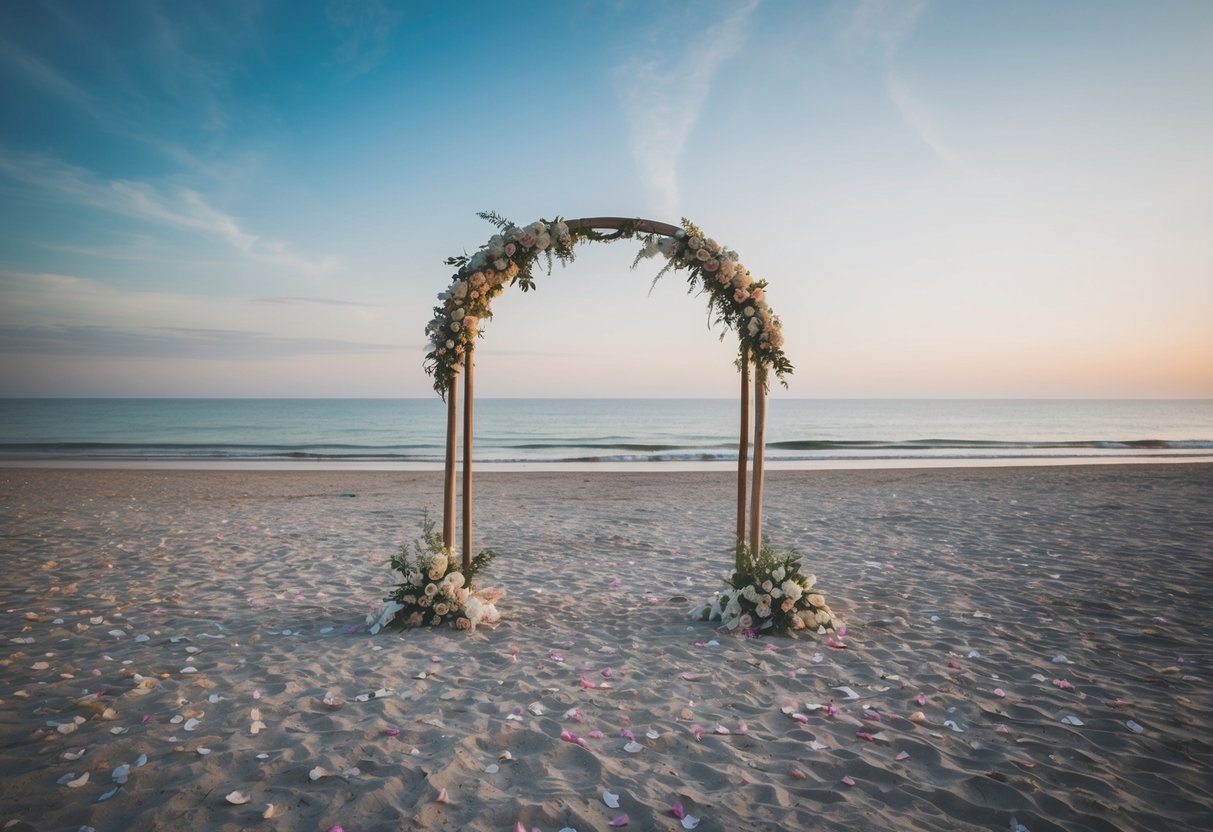
When planning a wedding, you may notice a shift in how many guests can attend destination weddings compared to local ones. Understanding the reasons for this decline and comparing it to local wedding attendance can help you plan better.
Reasons Behind the Declining Rate
Several factors affect the attendance rate for destination weddings. Travel costs can be a major concern for guests. Flights, hotels, and local activities add up fast. Many guests simply cannot afford the trip, especially if it requires taking time off work.
Another reason is distance. If your wedding is far away, some friends and family may skip it. They might not want to travel long hours or deal with unfamiliar places. Additionally, some people might be unable to take time away from their responsibilities or have prior commitments.
Lastly, popular dates can influence attendance. If your wedding falls on a holiday or during peak travel seasons, many guests might be busy with other plans. Make sure to consider these factors when planning your big day.
Comparing Destination and Local Weddings
The attendance rate for destination weddings tends to be lower than for local weddings. On average, about 35% of destination wedding guests attend. In fact, local weddings generally see attendance rates of 60-75%.
This difference can be quite significant. For many couples, local weddings are easier for guests to attend. They do not require expensive travel or accommodation arrangements.
Moreover, inviting guests for a local wedding often means fewer decline responses. While you can expect around 10-20% of invited guests to decline, destination weddings can see 30-40% declines. This can be challenging when planning, and you may want to invite more guests than your ideal number to ensure a fuller celebration.