
What Is the Difference Between a Destination Wedding and a Traditional Wedding? A Simple Guide for Couples
Destination weddings and traditional weddings each offer unique experiences for couples. The main difference lies in the location and overall atmosphere; destination weddings take place in a far-off location, while traditional weddings are usually held close to home in familiar settings. This distinction can greatly affect everything from planning to the overall feel of the event.
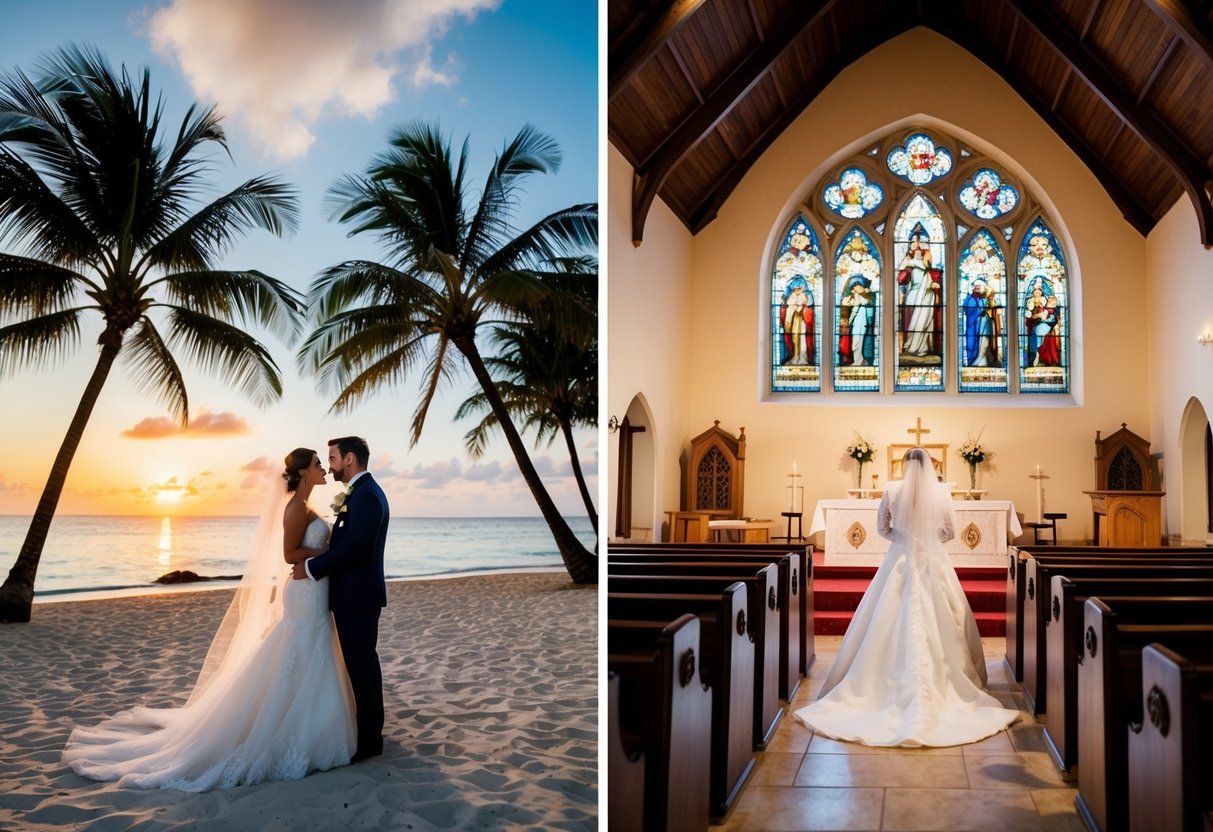
When you think of a traditional wedding, you might picture a church service or a large reception hall filled with friends and family. In contrast, a destination wedding often features scenic backdrops, such as beaches or historic venues. This type of wedding can provide a more intimate setting, as it typically involves a smaller guest list.
Understanding these differences can help you decide which option suits you best. Whether you prefer the comfort of home or the adventure of travel, both types of weddings celebrate love in meaningful ways.
Defining Traditional and Destination Weddings
When planning your wedding, understanding the differences between a traditional and a destination wedding can help you make the right choice for your special day. Each type has unique features that reflect cultural customs and personal preferences.
Cultural and Family Traditions
Traditional weddings often incorporate specific cultural and family traditions. These can include rituals passed down through generations, such as specific ceremonies that hold deep meaning for you and your family.
For instance, some couples might choose to have a formal ceremony in a place of worship, where family members play significant roles. This could involve readings, blessings, or other customs that connect you to your heritage. Many traditional weddings also feature elements like flower girls, ring bearers, and unity ceremonies.
In contrast, destination weddings offer a more relaxed approach. While you can certainly include traditions, these weddings often focus on the experience over formal customs. For example, you might choose a beach wedding that emphasizes relaxation and the enjoyment of a beautiful setting with your closest friends and family.
Ceremony and Reception Venues
The venue plays a crucial role in distinguishing between traditional and destination weddings. Traditional weddings usually take place in familiar spaces like banquet halls, gardens, or churches. These venues provide a sense of comfort and connection to your community and family.
On the other hand, destination weddings often take place in exotic locations. Think beach weddings, historic castles, or scenic mountain resorts. These venues not only serve as a backdrop but also create lasting memories for you and your guests.
Choosing a ceremony venue can also affect your reception style. A traditional banquet hall might support a sit-down dinner, while a beach wedding might lead to a more casual gathering with a sunset view. Your venue choice can set the tone for your celebration, shaping how you and your guests experience the day.
Planning and Budget Considerations
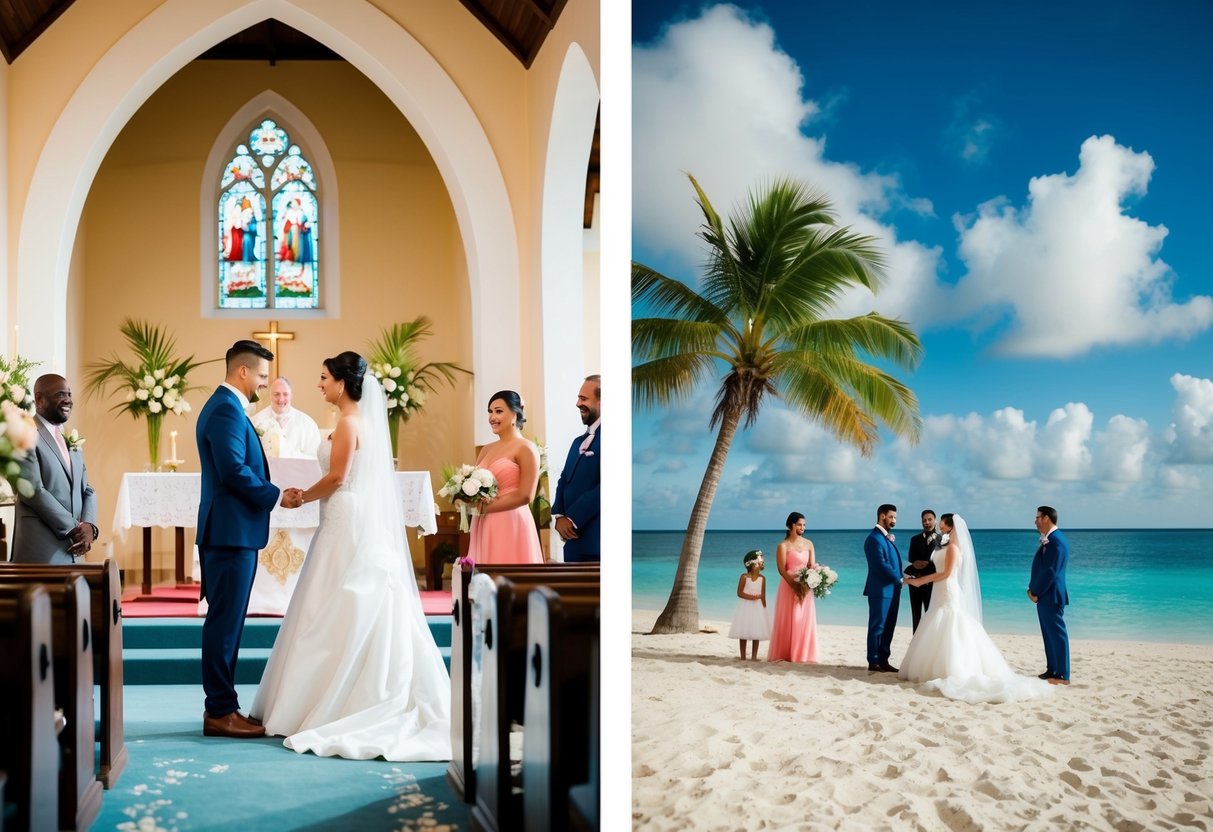
When planning your wedding, whether traditional or destination, you need to think about the planning process and overall costs. Each option has unique factors that can affect your budget and the logistics involved.
The Wedding Planning Process
Planning a destination wedding often involves different steps compared to a traditional one. You’ll usually start by choosing the location, which sets the tone and atmosphere. After that, you might need to coordinate with an all-inclusive resort or hire a wedding planner familiar with local vendors.
Keep in mind, travel logistics can add complexity. You will want to consider accommodations for guests and activities for them to enjoy while they’re there. This requires balancing your vision with practical details to create a successful experience for everyone.
Comparing Wedding Costs
When comparing costs, a destination wedding can sometimes be more affordable. The average cost of a traditional wedding is around $33,900, but many find that with smart planning, destination weddings can come in lower.
Key factors include the venue, guest list size, and included services. For instance, an all-inclusive package might help streamline your wedding budget.
Don’t forget to factor in travel costs for your guests. While you may save on certain aspects, you want to be fair about how it impacts their wallets. In the end, being aware of all expenses helps ensure you stay on track financially.
The Guest Experience
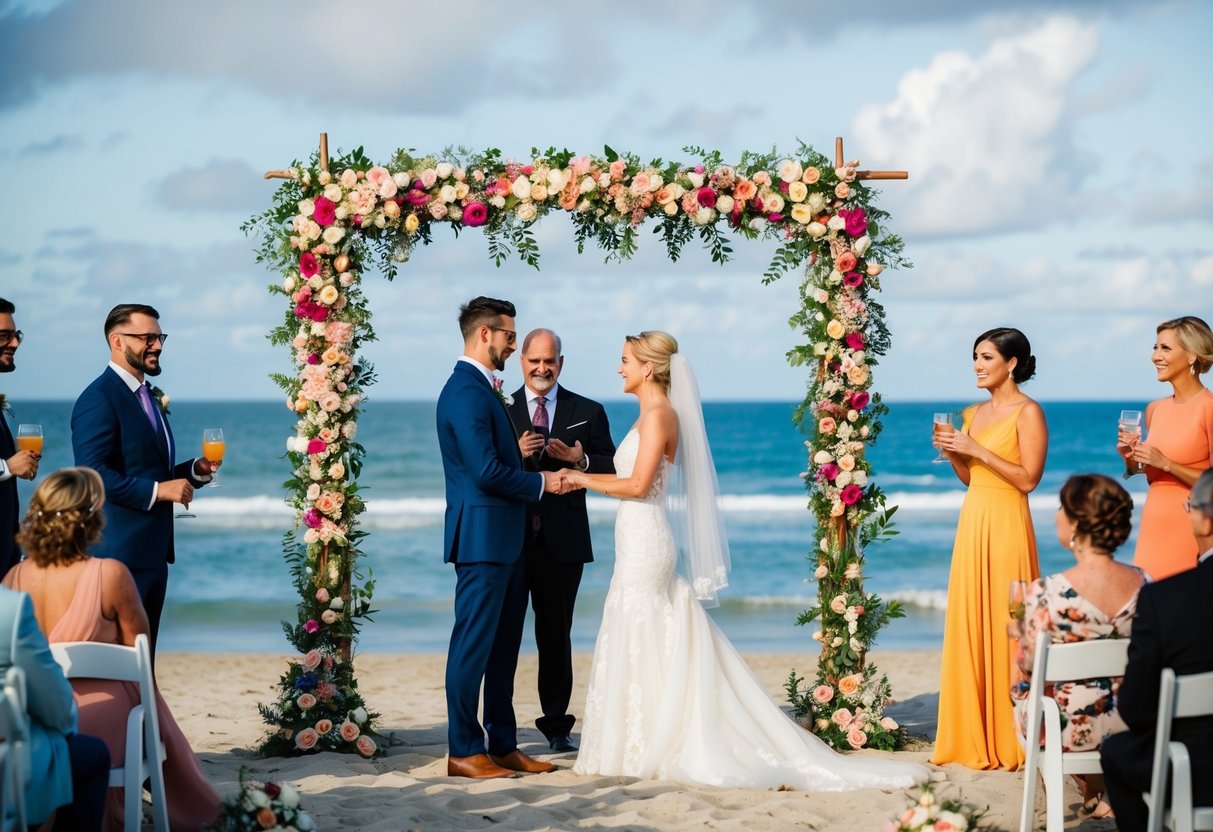
When planning your wedding, the guest experience is vital. It shapes how friends and family feel during your big day. Here’s how destination and traditional weddings differ in this area.
Guest List and Accessibility
With a traditional wedding, you usually have the chance to invite a larger guest list. This includes family, friends, and even acquaintances you may want to celebrate with. You get the opportunity for a grand party atmosphere.
On the other hand, destination weddings often lead to a smaller, more intimate gathering. You might only invite close family and friends who can travel. This can create deeper connections and shared memories among your guests.
Accessibility is also a factor. A traditional venue is typically easier for more guests to reach compared to a distant location. Consider how far the location is and whether your loved ones can attend.
Unique Experiences for Attendees
Destination weddings often provide unique experiences that set them apart. Imagine exchanging vows on a sandy beach or in a beautiful garden. Your guests can enjoy breathtaking views that make the event memorable.
In addition, these weddings allow for fun group activities. You can organize excursions or dining experiences for everyone. This adds to the sense of community and bonding among guests.
With thoughtful touches like personalized party favors or an open bar, your guests will feel valued. These details can make the day enjoyable and unforgettable, creating lasting memories.
Legalities and Logistical Elements
When planning your wedding, understanding the legal requirements and arranging travel can be crucial. These elements can differ greatly between a destination wedding and a traditional wedding.
Understanding Legal Requirements
For a destination wedding, legal requirements can vary by location. Some countries or states have specific rules about marrying there. This may include residency stipulations or needing to file paperwork ahead of time.
You might need to provide documents like birth certificates and identification. If you choose a symbolic ceremony, you can skip some legal steps. This option still allows you to enjoy the wedding experience without getting tied up in red tape.
Check with local authorities or your wedding planner for the exact needs. You can also look into destination wedding packages that handle these details for you.
Location and Travel Arrangements
Location plays a big role in your wedding plans. Make sure the venue aligns with your vision, whether you dream of a beachside ceremony or a mountain backdrop.
Travel costs can add up quickly, so consider the convenience for your guests. Flights, hotels, and transportation to your venue are all factors to consider. You might want to provide information on nearby accommodations or offer group rates to keep costs manageable.
Many venues offer packages that include lodging and activities. This can make planning easier for you and your guests. When selecting a location, think about accessibility and amenities as well.