
What is the Difference Between a Wedding Planner and a Wedding Organizer? A Friendly Guide to Their Roles
When planning your big day, you need to know the roles of those who can help you along the way. You may have heard the terms “wedding planner” and “wedding organizer” used interchangeably, but they actually refer to different types of support for your wedding. A wedding planner manages the entire planning process and helps create a cohesive vision, while a wedding organizer focuses on logistics and coordination on the wedding day itself.
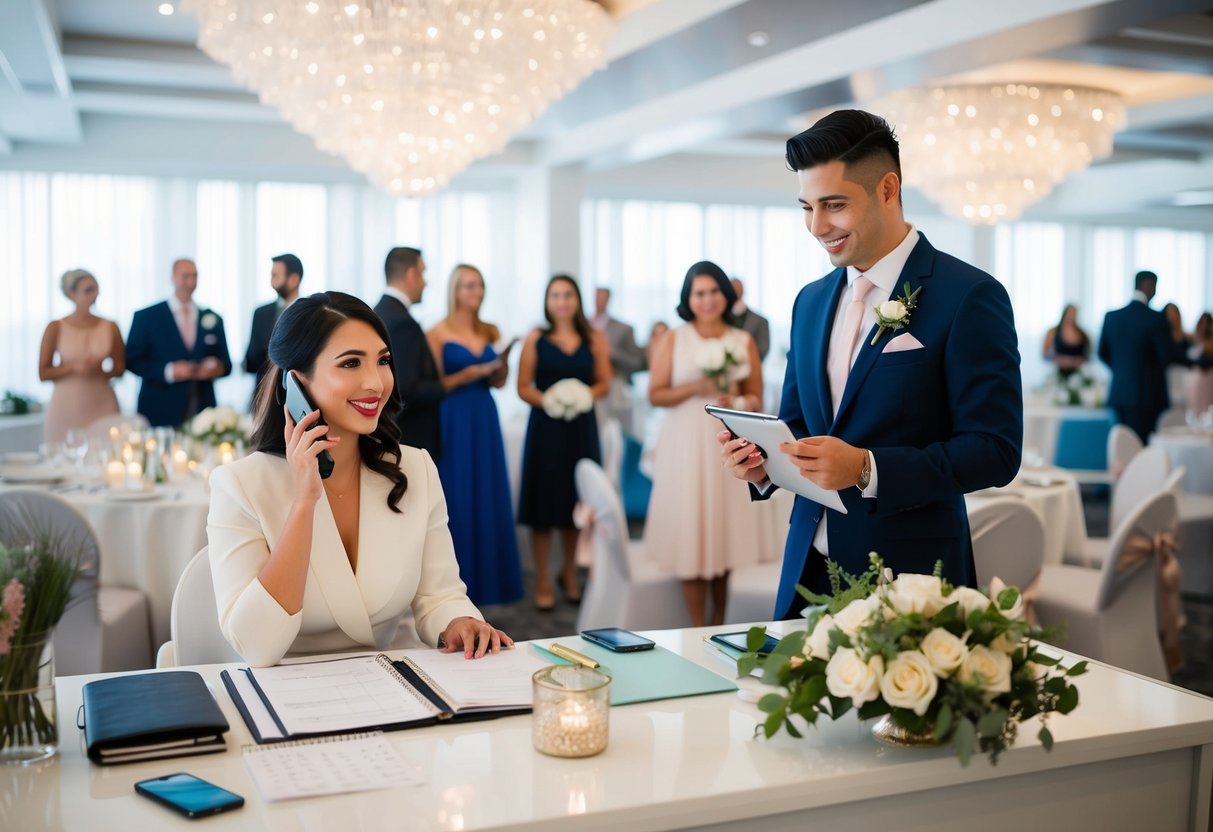
Understanding these differences can make a significant impact on how your wedding unfolds. As you navigate the planning journey, knowing who to turn to for creative ideas and who to rely on for day-of logistics will help you feel more organized and less stressed. This way, you can enjoy each moment leading up to your celebration without worrying about the details.
Ready to learn more about what each role entails and how to choose the right help for your special day? Let’s dive into the specifics and discover which support suits you best!
Understanding the Roles
When planning your wedding, it’s important to know the differences between a wedding planner and a wedding organizer. Each plays a unique role to help make your big day special and stress-free. Here’s a closer look at what each role entails.
Role of a Wedding Planner
A wedding planner is your partner throughout the entire wedding planning process. They help with everything from budgeting and vendor selection to design and the flow of the event. This full-service planner takes the time to understand your vision and preferences.
Some of the key responsibilities include:
- Creating timelines: They develop a detailed schedule for all wedding-related events.
- Vendor coordination: Planners communicate with all vendors to ensure smooth operations.
- Problem-solving: If any issues arise, they manage and resolve them quickly.
By choosing a wedding planner, you gain peace of mind knowing that a professional is overseeing all intricate details.
Role of a Wedding Organizer
A wedding organizer, often called a wedding coordinator, focuses primarily on the logistics of the wedding day itself. Their responsibilities are crucial for ensuring everything runs smoothly on the big day.
Key duties include:
- Day-of management: They manage the timeline and coordinate with vendors on the wedding day.
- Setup and breakdown: Organizers oversee the setup and ensure everything is in place before guests arrive.
- Handling emergencies: If unexpected issues arise, they are trained to handle them efficiently.
While planners guide you throughout the planning phase, organizers are the ones coordinating your vision on the day of the event.
Pre-Wedding Preparations
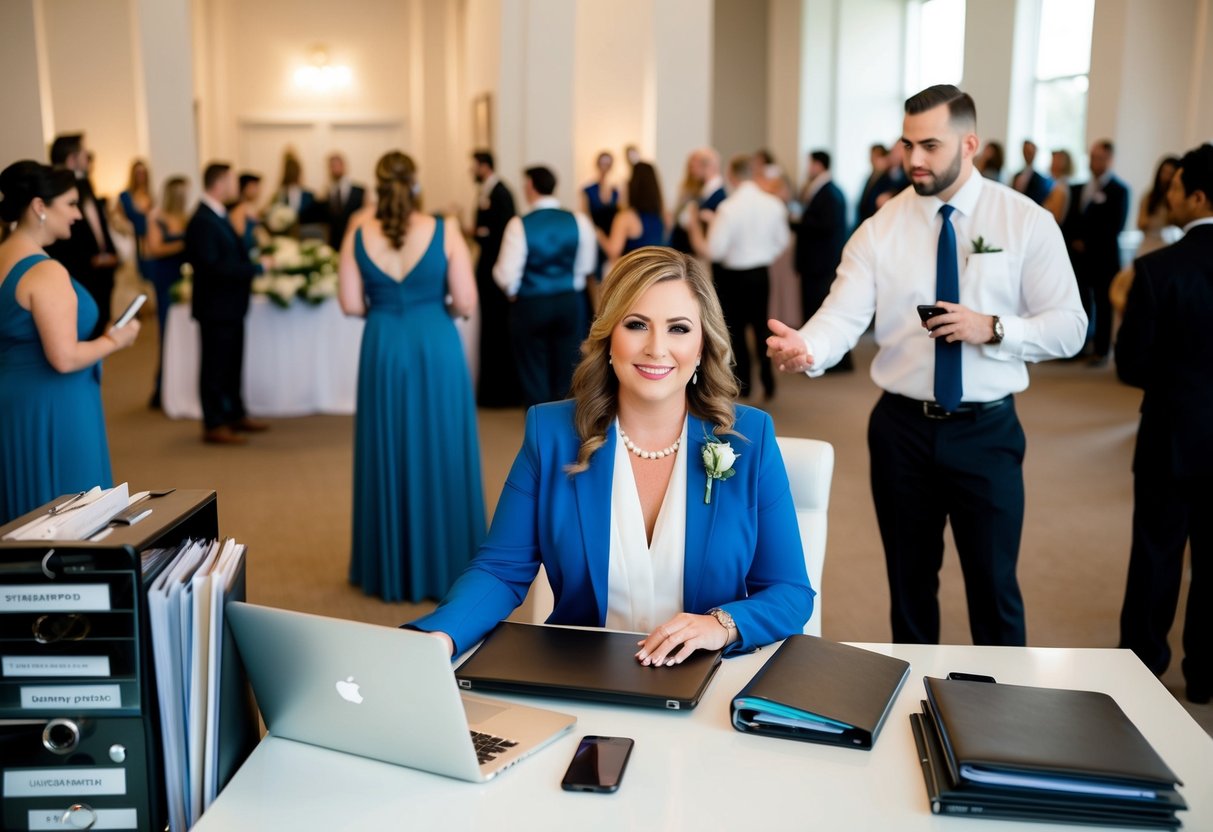
Pre-wedding preparations are key to a smooth wedding experience. These steps ensure you are organized and ready for your big day.
Timeline and Schedule Management
Creating a detailed timeline is essential for successful wedding planning. Start by mapping out important dates like booking venues, sending invitations, and scheduling vendor meetings.
Consider using a checklist to keep track of these tasks. This helps reduce stress as your wedding day approaches.
A well-structured timeline will guide you through each phase of your wedding preparation. Incorporating buffer times for unexpected delays can save you from last-minute chaos.
Communicate your timeline with your vendors to ensure everyone is on the same page. This teamwork will help make your day run smoothly.
Budgeting and Vendor Selection
Budget management plays a critical role in wedding planning. Begin by setting a budget that covers all essential aspects, such as the venue, catering, and entertainment.
Next, research different types of wedding vendors to find those who meet your needs. Create a list of potential vendors for each category—caterers, photographers, and florists.
Ask for referrals from friends or family who have planned weddings. This can make your vendor selection process easier and more reliable.
Don’t forget to read reviews and compare pricing to find the best deals without sacrificing quality. Being informed about your choices helps you stick to your budget while also ensuring you get the best vendors for your special day.
Wedding Day Execution
On your wedding day, successful execution is crucial. This involves closely coordinating vendors and guests and ensuring everything goes according to the timeline you’ve set.
Coordinating Vendors and Guests
Your wedding organizer plays a key role in coordinating vendors and guests. As the day unfolds, they communicate with all vendors, including caterers, photographers, and decorators.
They ensure each vendor arrives on time and knows where to be. For instance, if the photographer needs to capture a moment, your organizer will make sure they’re ready.
They also manage guest count, directing them to their seats and ensuring everyone is accounted for during the ceremony and reception. This coordination keeps things flowing smoothly, minimizing any potential stress for you and your partner.
Troubleshooting and Timeline Execution
Troubleshooting is another vital aspect of wedding day execution. Unexpected issues can arise, like bad weather or a late vendor.
Your organizer will be prepared to handle these situations quickly. For example, they might have a backup plan for an outdoor ceremony in case of rain.
Timeline management is equally important. Your organizer will follow the day-of timeline, making sure events occur as planned.
They’ll watch the clock, ensuring the ceremony starts on time and that guests are ready for each new activity. By staying on top of these details, they help you enjoy your special day without worrying about the little things.
Additional Considerations
When planning your wedding, two important aspects you should think about are your wedding vision and theme, and how you’ll handle invitations and seating. These elements play a significant role in the overall flow and feel of your big day.
Wedding Vision and Theme
Your wedding vision guides every decision you make. Start by considering the theme you want for your day. Do you want a rustic vibe or a formal setting? Your choice affects everything from the venue to the floral design.
Think about how your theme will reflect your personality as a couple. Once you have a clear vision, communicate it to your wedding planner. They’ll help you coordinate with vendors like photographers, caterers, and decorators to ensure that everything aligns with your design concept.
Also, explore how your theme can enhance the atmosphere. Consider using colors, décor, and even the type of stationery for invitations that match your overall vision.
Invitations and Seating
Invitations are often the first glimpse guests get of your wedding. They should reflect your wedding theme and set the tone for the day. Choose stationery that matches your design concept, using colors and styles aligned with your theme.
After you send out the invitations, focus on the seating arrangement. Creating a seating chart helps guests feel comfortable and ensures that everyone is where they need to be. Consider etiquette when making decisions about who sits next to whom.
You should balance family dynamics and friendships for a pleasant experience. A well-planned seating chart can make a significant difference. It also keeps everything organized and running smoothly on your wedding day.