
What Is the Engagement Ring Rule? Everything You Need to Know
Many people may have heard of the so-called engagement ring rule. The engagement ring rule suggests that a ring should cost about two months’ salary, but this guideline is not a strict requirement. In reality, how much you spend should reflect your personal situation and relationship, making the ring a true symbol of love rather than a financial burden.
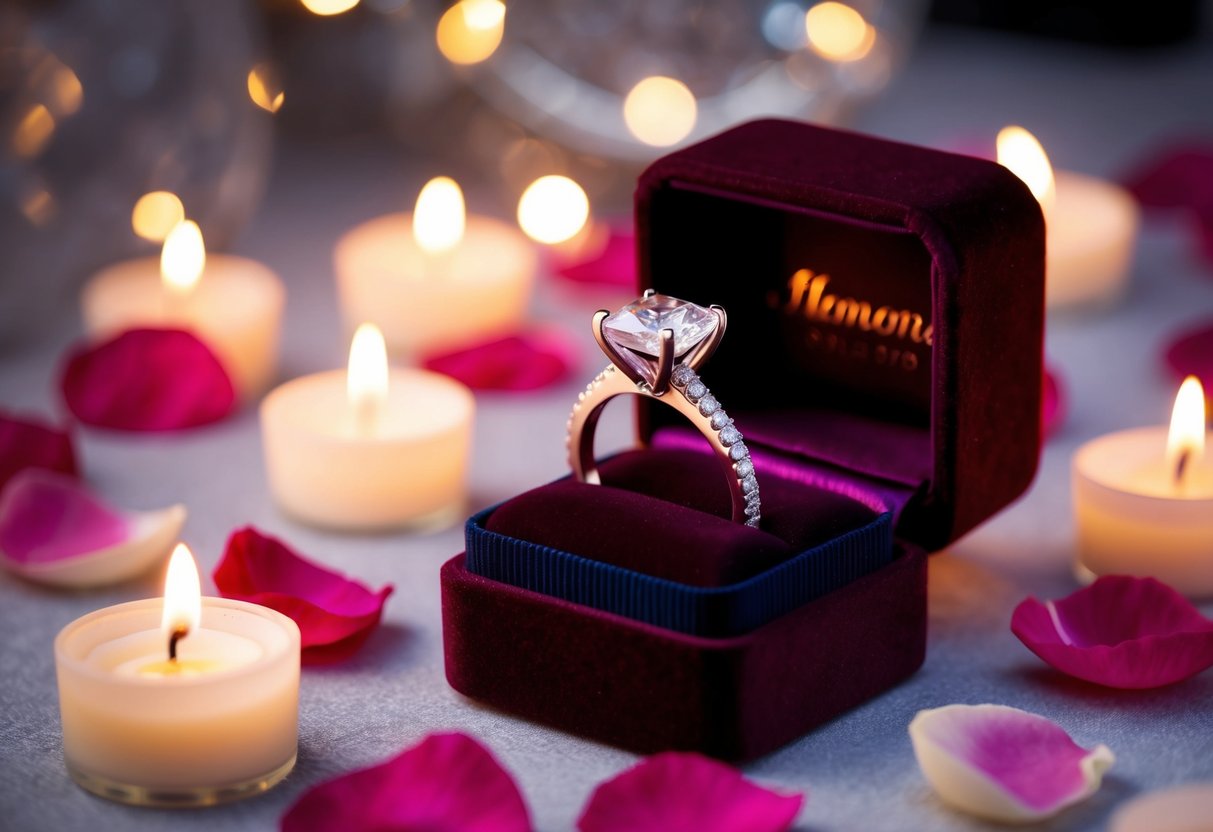
The engagement ring rule suggests that a ring should cost about two months’ salary, but this guideline is not a strict requirement. In reality, how much you spend should reflect your personal situation and relationship, making the ring a true symbol of love rather than a financial burden.
You might be surprised to learn that these rules are often more tradition than necessity. As engagement rings evolve, so do the expectations surrounding them. Many couples today are choosing to break away from traditional guidelines, focusing instead on what feels right for them and their journey together.
Understanding the engagement ring rule can help you navigate this important purchase. By knowing your options, you can find a ring that represents your unique bond without feeling limited by outdated ideas.
Historical Context and Significance
Engagement rings have a rich history that reflects cultural values and personal commitments. Understanding this history helps you appreciate the role these rings play in relationships today. Here, we explore the evolution of the engagement ring and its significance as a symbol of love.
Evolution of the Engagement Ring
The engagement ring has transformed throughout history. In ancient times, people used simple materials like twigs and braided reeds. Over time, rings made of gold and platinum became popular. By the 1400s, diamonds were first introduced into engagement rings, marking a significant change in style.
During the 1940s, diamond rings gained popularity due to clever marketing campaigns, such as De Beers’ slogan “a diamond is forever.” Other gemstones, such as sapphire and emerald, have also been chosen for their beauty and meaning. The selection process for these rings has become more personalized, allowing couples to express their unique love stories.
Engagement Ring as a Symbol of Commitment
Engagement rings serve as powerful symbols of love and commitment. They represent a promise between partners to share their lives together. Traditionally, a ring worn on the fourth finger of the left hand was thought to connect directly to the heart through the “vena amoris,” or vein of love.
These rings often carry personal meaning, reflecting your style and values. The choice of gemstone and metal can symbolize different traits: diamonds for strength, sapphires for loyalty, and emeralds for hope. By selecting a ring that resonates with you and your partner, you create a cherished reminder of your commitment.
Understanding Engagement Ring Etiquette
Engagement ring etiquette is important to ensure a smooth and respectful experience as you prepare to propose. This includes considerations about who ultimately proposes, when the best moment is to pop the question, and whether to choose a public or private setting.
Who Should Propose?
Traditionally, the man proposes with the engagement ring, but times are changing. Many couples now embrace a more modern approach. In a joint proposal, both partners can agree on the significance of the moment together. If you and your partner have discussed engagement, feel free to break traditions and decide who will take the lead in proposing. This shows growth in your relationship and mutual respect.
Choosing the Right Moment
Timing can make a proposal unforgettable. Consider moments that hold special meaning for both of you, such as anniversaries or first dates. A significant event or milestone might also enhance the emotional impact. Pay attention to your partner’s mood and preferences. If they prefer quieter, intimate settings, plan accordingly. Making it personal will make the moment feel even more special.
Public vs Private Proposals
When it comes to proposals, choosing between public and private moments is a key decision. Some people love the idea of a grand public proposal, where friends and family can witness the joy. This can make for an exciting memory. On the other hand, others may feel more comfortable with a private proposal, focusing solely on the two of you. Think about your partner’s personality and preferences to ensure it reflects their style and the essence of your relationship.
Selecting the Perfect Ring
Choosing an engagement ring is a special experience. You want something that represents your love and fits your partner’s style. Here are important factors that can help guide you in making this choice.
Diamonds and Alternative Gemstones
When selecting a ring, diamonds often come to mind. Their timeless appeal makes them a popular choice for engagement rings. However, alternative gemstones like sapphires, emeralds, and rubies can also create stunning options.
Sapphires are known for their deep blue color but also come in various shades. Emeralds offer a rich green hue that stands out beautifully. If you want something unique, consider moissanite or topaz. These stones can be more affordable while still providing sparkle.
Colored gemstones allow for personal expression and can reflect your partner’s personality. Don’t forget to think about lab-grown diamonds. They offer the same beauty as natural diamonds but are often less expensive.
The Four Cs: Cut, Color, Clarity, and Carat Weight
Understanding the Four Cs is crucial for choosing a diamond or gemstone.
- Cut affects how light interacts with the stone. A well-cut diamond will sparkle beautifully.
- Color refers to the hue of the diamond. A colorless diamond is often the most valuable, but many prefer the warm tones of yellow or brown diamonds.
- Clarity indicates how many blemishes or inclusions are present. A clearer stone is typically worth more.
- Carat weight measures the size of the diamond or gemstone. Remember, a larger stone doesn’t always mean a better choice; quality matters too.
Taking the time to learn these factors will help you make an informed decision while shopping.
Contemporary Designs and Materials
Today’s engagement rings come in various contemporary designs and materials. You can go for a classic white gold or platinum band, or choose something more unique like rose gold. Each metal has its own look and feel.
Consider modern designs that feature asymmetry or mixed metals. These rings can stand out and give a fresh twist to the traditional engagement ring style. Many couples also explore rings with intricate settings that allow the stone to shine.
Don’t forget about the setting style. Whether you prefer a solitaire or a halo setting, each style can change how the ring looks and feels.
Non-Diamond Options and Trends
Non-diamond engagement rings are becoming increasingly popular. Many people choose colored gemstones as non-traditional choices. Morganite and cubic zirconia provide beautiful, eye-catching alternatives.
Trendy options include rings with a mix of different gemstones or a unique design. Some even try multi-stone rings that represent different qualities. This choice can symbolize your relationship’s growth.
When considering trends, always think about your partner’s style. What do they love? A non-diamond ring can be just as meaningful, as it reflects their individuality.
Navigating Financial Considerations
When it comes to buying an engagement ring, financial decisions play a big role. You want to balance your emotions with your budget. Understanding how to set a budget, find ways to save, and consider the investment value of your ring can help you make a smart choice.
Determining Your Budget
Start by assessing your finances. Look at your income, expenses, and savings. Decide how much you can spend without putting too much strain on your budget. Many people follow the traditional rule of spending two to three months of their salary, but this is just a guideline.
Consider factors like your current financial goals, other expenses, and how much love and commitment you want to symbolize with your ring. Prioritize what matters most to you in an engagement ring. Set a budget that feels comfortable while allowing you to choose the perfect symbol for your relationship.
Exploring Cost-Saving Options
There are many ways to save money while shopping for an engagement ring. Explore options like lab-grown diamonds, which can offer similar beauty at a lower price compared to natural diamonds.
You can also consider different types of metals for the band. For instance, silver is usually more affordable than gold or platinum. Additionally, buying a smaller diamond can still look stunning, especially when set beautifully. Consider shopping during sales or at local jewelers to find the best deals.
Don’t forget to ask about warranties or protection plans. Sometimes, these can save you money down the line. Smart shopping means you can find an engagement ring that fits your vision without breaking the bank.
Investment Value of Engagement Rings
Engagement rings can be more than just symbols of love; they can also be investments. Certain styles and materials hold their value over time, especially if you purchase a quality piece.
Diamonds and high-end metals like platinum often have lasting value. A well-crafted ring may even appreciate as time goes on.
Research trends in the jewelry market. Look into how specific brands or styles perform over time.
You might also want to consider how the ring fits into your overall plans, including future wedding bands. A cohesive look with both rings can enhance your investment value while keeping everything stylish.
Choosing wisely means you can enjoy your ring and feel confident in its value.