
What is the Golden Rule for Engagement Ring Prices? A Simple Guide to Budgeting Wisely
Buying an engagement ring is an exciting step in your journey. Many people wonder what the golden rule for engagement ring prices is. The most common guideline suggests you should spend at least three months’ salary on the ring. This rule has been around for decades and helps set a budget that feels right for many couples.
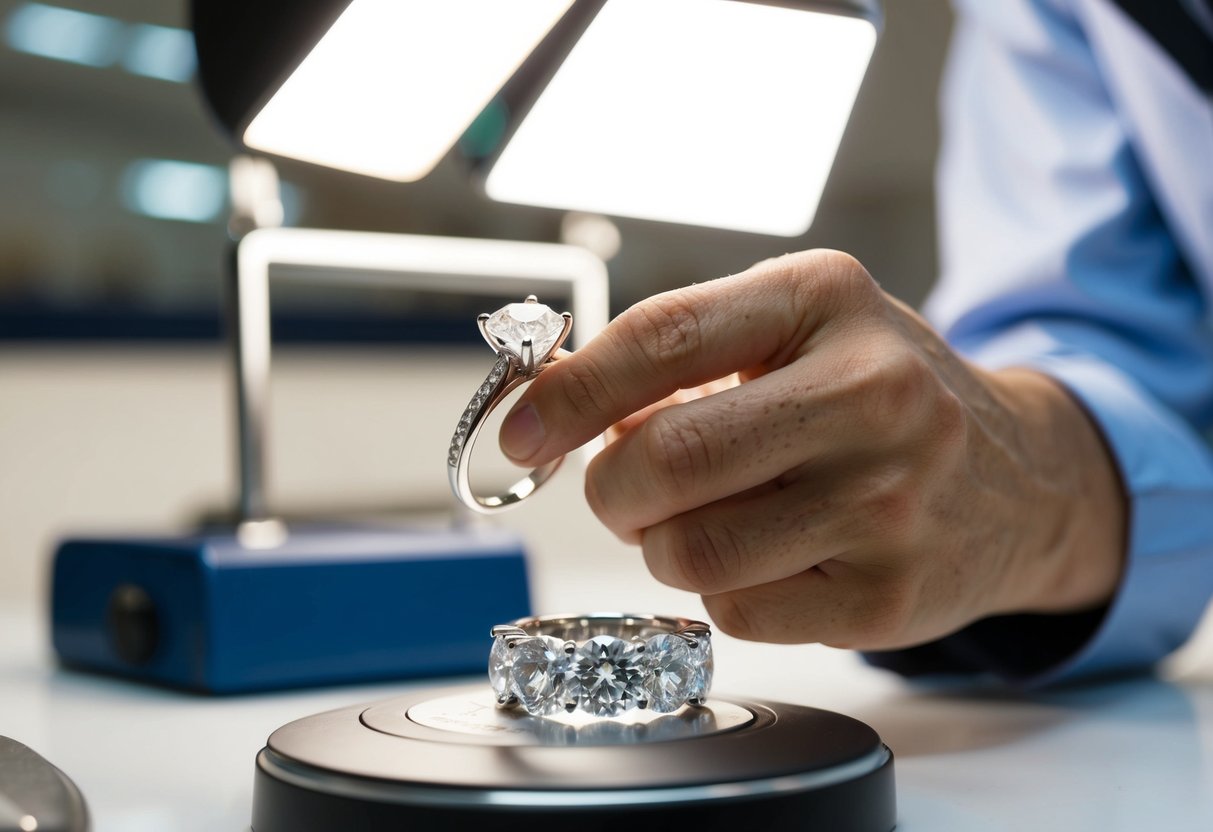
While the three-month salary rule is a popular starting point, remember that your budget should fit your personal situation. Engagement ring prices can vary widely based on factors like the size of the stone, the ring’s style, and the materials used. Understanding these elements can help you make a more informed decision as you shop.
As you navigate the world of engagement rings, know that the best choice is one that reflects your love and commitment, not just a number. Whether you’re looking for a simple design or something more extravagant, finding a ring that resonates with you will always be the most important factor.
Understanding Engagement Ring Pricing
Engagement ring prices can be complex, influenced by various factors unique to each ring. You’ll want to consider aspects like diamond quality, carat weight, and the style of the ring to make an informed choice.
Factors Affecting Engagement Ring Cost
Several key factors dictate the price of engagement rings. The main ones include the type of gemstone, quality of materials, and brand reputation. Diamonds typically cost more than other stones, but quality can vary widely.
You should also think about the craftsmanship behind the ring. Handmade rings may cost more than machine-made options. Choosing a designer brand can increase the price due to added prestige. Understanding these factors will help you set a realistic budget and find a ring that reflects your and your partner’s tastes.
Carat Weight and Diamond Quality
Carat weight greatly influences the price of engagement rings. A higher carat weight means a larger diamond, which usually costs more. However, keep in mind that people often look for a balance between size and quality.
Diamond quality is determined by the Four Cs: Cut, Color, Clarity, and Carat. A well-cut diamond can reflect light beautifully, while color and clarity affect its look. Choosing a slightly smaller diamond with higher quality can sometimes be a smarter investment.
Ring Setting and Style
The ring setting impacts both the design and cost of the engagement ring. Popular settings like solitaire, halo, or pave can vary significantly in price. A halo setting uses smaller stones to enhance the center diamond’s appearance, often increasing the overall cost.
Your personal style should guide your choice. Vintage, modern, or classic settings will each carry different price points. Consider how the setting complements the diamond while fitting your and your partner’s tastes. This thoughtful approach helps you find a ring that is both beautiful and meaningful.
Budgeting for the Ring
When deciding on a budget for an engagement ring, it’s crucial to consider different guidelines that help you find the right price. Understanding these rules can ease the decision-making process and ensure you stay within your financial limits.
The Two-Month Rule Explained
The two-month rule is a common guideline for budgeting an engagement ring. It suggests that you should spend the equivalent of two months’ salary on the ring. For example, if you earn $4,000 a month, your budget would be around $8,000.
While this rule provides a starting point, remember that personal financial situations vary. Factors such as savings, expenses, and lifestyle choices should also influence your decision.
Some couples prefer to adjust this rule based on their specific finances. It’s important to feel comfortable with your choice and avoid stretching your budget too thin.
Determining Your Engagement Ring Budget
Setting your engagement ring budget involves more than following a general rule. Begin by evaluating your monthly income and expenses. This will give you a clear view of what you can afford.
Next, consider factors like:
- Future expenses: Factor in upcoming costs like a wedding or moving.
- Current savings: Use your savings as a cushion, but don’t deplete it entirely.
- Value and quality: Decide if you prioritize a larger stone or higher quality.
Also, research the average engagement ring costs. Reports suggest that many people spend around $6,100 recently. Use this number as a guideline, but remember that the best budget is one that feels right for you.
Making the Purchase
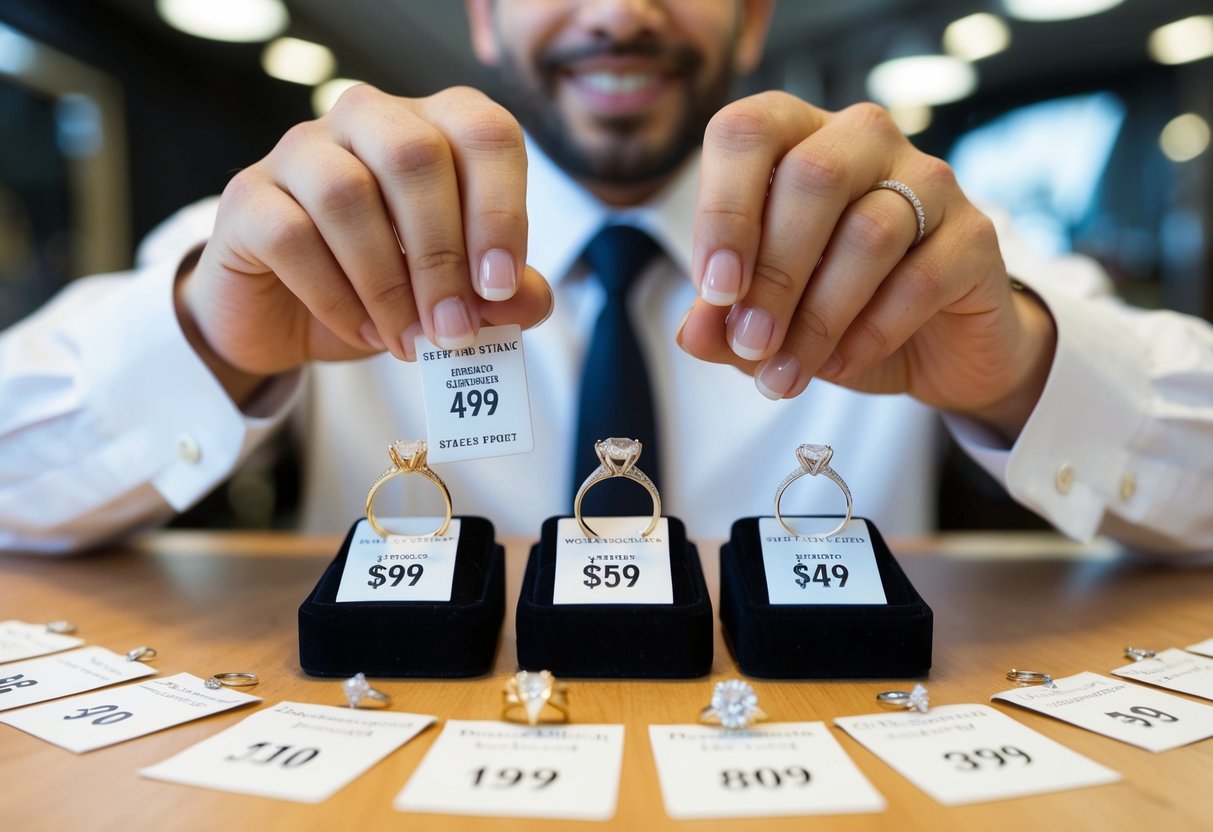
When you are ready to buy an engagement ring, choosing the right vendor and considering your options can make a big difference. Here are some important things to think about.
Choosing the Right Vendor
Finding a trustworthy vendor is key to buying an engagement ring. Consider established names like James Allen and Blue Nile. They offer a wide selection of quality engagement rings and lab-grown diamonds at various price points.
Check customer reviews and ratings before making a decision. This will help you understand other buyers’ experiences. Don’t forget to inquire about their return policies. You want to feel confident that you can make a change if needed.
Look for vendors that provide certification for their diamonds. A certified diamond usually has a higher quality assurance, giving you peace of mind about your purchase.
Considering Alternative Options
Think about whether you want a natural diamond or a lab-grown diamond. Lab-grown diamonds can be more affordable, sometimes costing 20-40% less than their natural counterparts. This is a smart way to stretch your budget further.
You might also want to explore vintage or second-hand rings. Often, these can be unique and beautiful, plus they carry history. Local jewelers or online marketplaces can have great finds.
Set a budget that feels comfortable for you. Remember, the average diamond engagement ring cost is around $6,000, but it’s okay to spend less or more depending on your financial situation. Prioritize what matters most to you in your purchase.
Practical Tips and Advice
Finding the perfect engagement ring involves making smart choices about cost and quality while ensuring it fits well. Here are some important tips to guide you.
Balancing Cost and Quality
When buying an engagement ring, you might feel torn between cost and quality. A good rule of thumb is to remember that the quality of the ring often matters more than the size or carat weight.
Consider setting a budget first. Many suggest spending two to three months’ salary, but it’s essential to be realistic about your finances. Look for rings that offer high-quality materials while still being within your price range.
Focus on the diamond’s cut, clarity, and color—these factors greatly influence how beautiful it looks. A smaller diamond with excellent cut quality will sparkle more than a larger diamond of lower quality. Check different retailers for the best prices and consider purchasing online to save costs.
Understanding Ring Size and Resizing
Getting the right ring size is crucial. You want the ring to fit comfortably without being too tight or too loose.
To ensure a good fit, secretly borrow one of her existing rings and have it measured.
If you’re unsure about the size, remember that resizing a ring is possible, but it can be more expensive, and some designs can’t be resized easily. For example, resizing could change the look of a ring that has a full band or intricate details.
Having the right ring size from the start will save you time and stress. Consider planning for a resizing session if you choose a design you think might need adjustments later.
Always ask about resizing policies when you shop for the ring; some jewelers offer free services within a certain timeframe.