
What is the Name of the Wedding Song Here Comes the Bride? Discover Its Meaning and History
When you think of weddings, the tune “Here Comes the Bride” often comes to mind. The formal name of this beloved wedding song is the “Bridal Chorus,” composed by Richard Wagner for his opera Lohengrin in 1850. This piece has become a staple in wedding ceremonies around the world, marking the moment when the bride walks down the aisle.
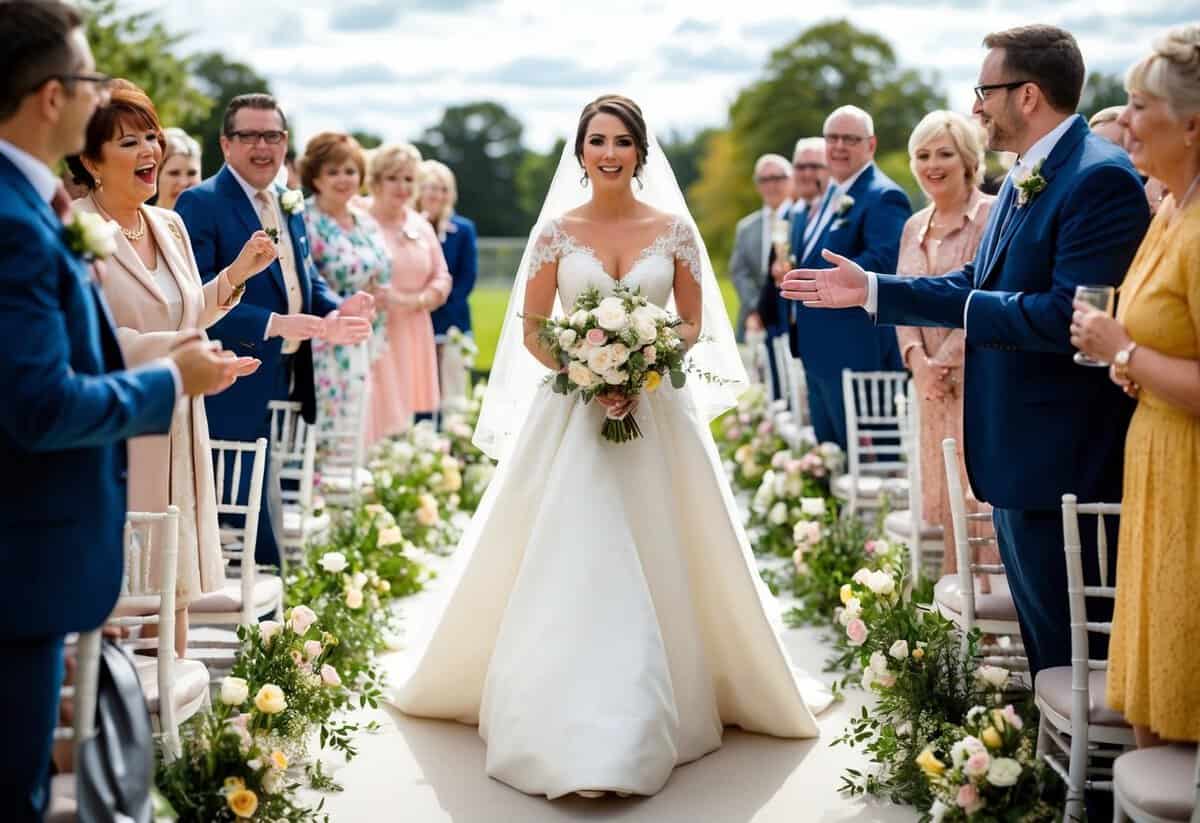
The “Bridal Chorus” represents more than just music; it embodies a tradition that many couples cherish. When you hear those notes play, you can feel the excitement and joy that accompanies this significant life event. As you explore its history and meaning, you’ll discover why this song has remained a favorite choice for generations of brides and grooms.
Origins and Composer
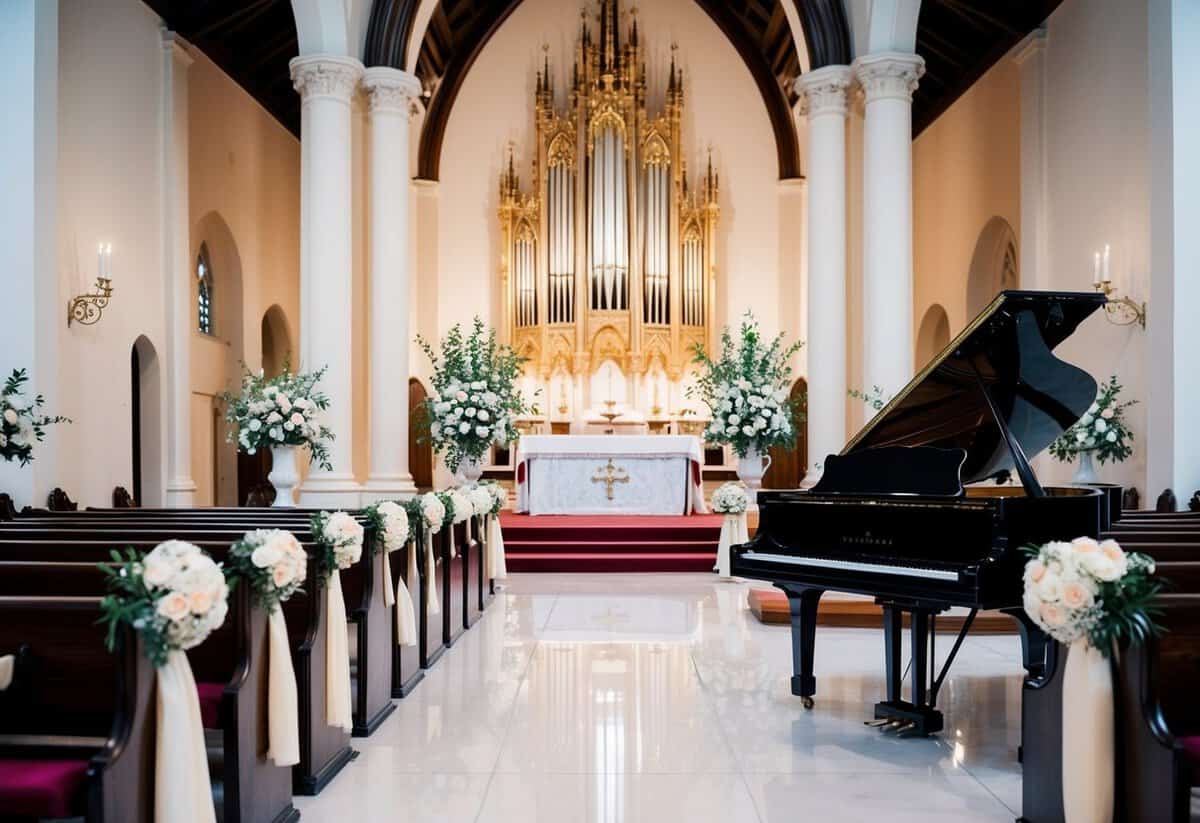
The wedding song commonly known as “Here Comes the Bride” has a rich history rooted in opera. This section discusses the key composer and the opera that features this iconic piece, revealing how it became a staple in wedding ceremonies.
The Influence of Richard Wagner
Richard Wagner, a prominent German composer, played a crucial role in shaping wedding music with his famous piece, “Bridal Chorus.” Wagner created this composition for his opera Lohengrin in 1850. His works were known for their powerful emotional depth and orchestral richness.
Wagner’s influence extends beyond just this one piece. His operatic style made “Bridal Chorus” stand out as a significant moment in musical history. Today, you might hear this piece as you enter a wedding venue, decades after it was first composed. Its frequent use at weddings shows just how deeply Wagner’s music has permeated cultural traditions.
Lohengrin and ‘Bridal Chorus’
The “Bridal Chorus,” or “Treulich Geführt” in German, serves as an essential part of the opera Lohengrin. The opera debuted in Weimar and quickly gained popularity across Europe. This captivating march accompanies the bride’s entrance, signifying purity and joy.
Many believe that the dramatic nature of Lohengrin adds to the emotional impact of the piece. As the bride walks down the aisle, the music evokes feelings of hope and new beginnings. This moment is why the piece continues to be a favorite choice for weddings today, often referred to simply as the “Bridal March.”
Cultural Significance
The song commonly known as “Here Comes the Bride” holds deep cultural meaning in the context of weddings. Its adoption by influential figures and its widespread use in wedding ceremonies have made it a classic choice.
Adoption by Queen Victoria
Queen Victoria played a crucial role in popularizing the “Bridal Chorus” from Richard Wagner’s opera Lohengrin. In 1840, she selected this piece for her wedding to Prince Frederick William of Prussia.
This choice set a trend, encouraging others to embrace the idea of a musical processional. The song became a symbol of romance and tradition. Many brides began wearing white wedding dresses inspired by Victoria’s gown, further linking the song to wedding customs.
Popularity in Wedding Ceremonies
Over time, “Here Comes the Bride” became a staple in wedding ceremonies around the world. With its melodious charm, it perfectly captures the excitement of a bride’s entrance.
You’ll often hear it played as the bride walks down the aisle, creating a magical moment. This tradition is aligned with the theme of love and unity, reinforcing the significance of the ceremony. The song’s use has allowed it to remain a beloved choice for countless couples celebrating their special day.
Musical Elements and Performance
The music played during weddings is an important aspect of the ceremony. It sets the mood and creates a memorable experience for everyone involved. Let’s explore the role of “Here Comes the Bride” and some alternatives you can consider.
Role in Modern Ceremonies
“Here Comes the Bride,” officially known as the Bridal Chorus, is a traditional choice for the processional. It typically marks the moment when the bride walks down the aisle, signaling significant emotion and anticipation.
During modern ceremonies, this piece is often played by live musicians or through recorded tracks. The arrangement might include instruments such as piano, strings, or even a full orchestra for more grandeur.
Many couples choose this song because it connects to cultural traditions. Choral processional performances add a rich layer, as groups sing harmoniously, enhancing the emotional weight of the moment.
Alternatives and Variations
If you’re looking for alternatives to “Here Comes the Bride,” many contemporary options exist. Songs like “A Thousand Years” by Christina Perri or “Canon in D” by Johann Pachelbel are popular choices that provide a modern twist.
Some couples personalize their processional with significant songs from their relationship. You can also explore instrumental versions of popular pop songs, which can create a unique atmosphere.
Remember, the key is to select music that resonates with you and your partner. Mixing traditional with contemporary can make your ceremony feel special and personal while keeping the spirit of the occasion alive.
Relevance to Wedding Parties
In many wedding ceremonies, music plays a vital role in setting the mood and marking important moments. The choice of song can reflect personal beliefs, traditions, and cultural values. Understanding the significance of these musical pieces will enhance your wedding experience.
The Wedding March Tradition
The “Wedding March,” famously composed by Felix Mendelssohn for A Midsummer Night’s Dream, is a popular choice for wedding processions. Traditionally, this piece signals the bride’s entrance and captivates everyone present.
Couples often remember this moment forever, as the music creates a sense of unity. Wedding parties may walk down the aisle accompanied by this iconic melody, enhancing the ceremony’s emotional impact. Many brides and grooms find that this choice solidifies their connection to time-honored customs while remaining unique to their style.
Interfaith and Cultural Considerations
For Jewish couples, certain wedding customs may influence song selection. You might consider incorporating traditional Jewish melodies. These songs celebrate your heritage and symbolize unity.
In interfaith weddings, blending musical traditions can create a beautiful experience for both families. You could combine pieces such as “Here Comes the Bride” with culturally significant songs, honoring the two backgrounds. This not only ensures everyone feels included but also highlights the love that brings everyone together on this special day.