
What is the Opposite of Destination Wedding? Exploring Local Celebration Options
When planning a wedding, many couples think about destination weddings in beautiful locations away from home. But have you ever wondered what the opposite of a destination wedding is? A traditional wedding is typically held close to home, where you and your loved ones can gather without the added stress of travel.

Choosing a local venue means you can celebrate with friends and family without everyone needing to book flights or hotels. This option often allows for a more intimate gathering and can be more budget-friendly, as it cuts down on travel expenses for guests.
Exploring this topic will help you understand the benefits of traditional weddings and why they may suit you better than a destination wedding. From ease of planning to the comfort of familiar settings, there’s a lot to consider.
Exploring Traditional Weddings
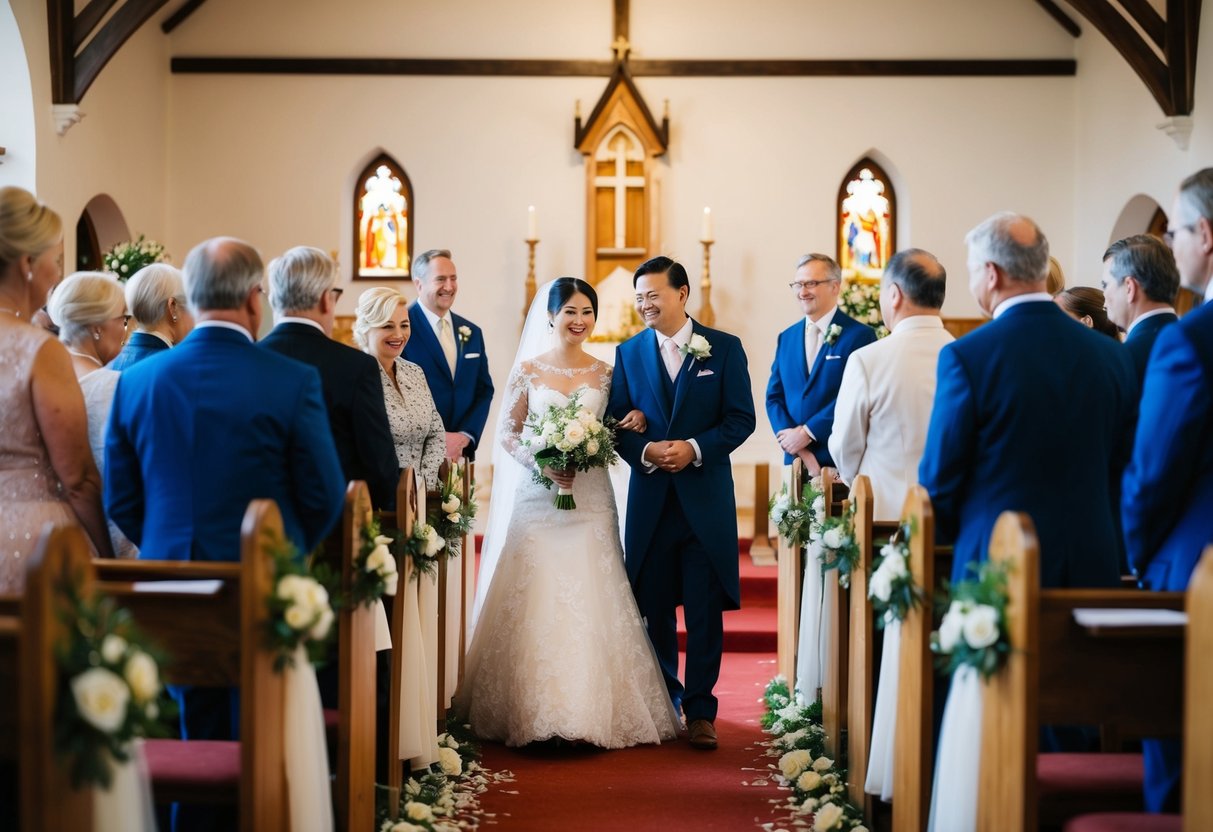
Traditional weddings offer a special experience rooted in local customs and family connections. You’ll find that these celebrations focus on familiar settings, personal touches, and the joy of gathering with loved ones.
The Heart of Local Celebrations
When you imagine a traditional wedding, think of a cozy gathering in a venue that feels like home. This type of wedding centers around community and family.
You’ll likely choose a venue that holds meaning for you, whether it’s a local church, family backyard, or favorite park. This setting enhances the warmth of the ceremony.
The guest list for a traditional wedding usually includes close family and friends, creating an intimate atmosphere. It’s wonderful to celebrate milestones with those who know your story.
Navigating Wedding Planning
Planning a traditional wedding can be both exciting and straightforward. Since you’re staying local, you may have easier access to vendors. This could include local caterers, florists, and decorators.
You can personalize these services to fit your style and budget. Be sure to meet vendors in person to get a feel for their work.
Using a checklist can help you stay organized. Your list might cover a marriage license, catering, decorations, and more. A little planning goes a long way in keeping the stress low.
Understanding the Costs
Costs for a traditional wedding can vary widely. While it might seem expensive, staying local can help save money.
You may avoid extra travel and lodging expenses that come with destination weddings. Plus, you can compare prices from local vendors easily.
Think about the major expense areas: venue rental, catering, decorations, and wedding photos. Breaking these down can help you keep track of spending.
Decide what parts of the wedding are most important to you, so you can allocate your budget wisely.
Honoring Customs and Traditions
A traditional wedding often includes specific customs that reflect your culture or family background. These traditions can add depth and meaning to your ceremony.
For example, you might include ceremonial readings or special dances. These personal touches can make the event memorable.
Consider how to weave your own customs with those of your partner’s background. This can create a unique blend that honors both families.
Lastly, be sure to communicate with your guests about the customs. This helps everyone understand the significance and feel included in the celebration.
Advantages and Disadvantages of Traditional Weddings
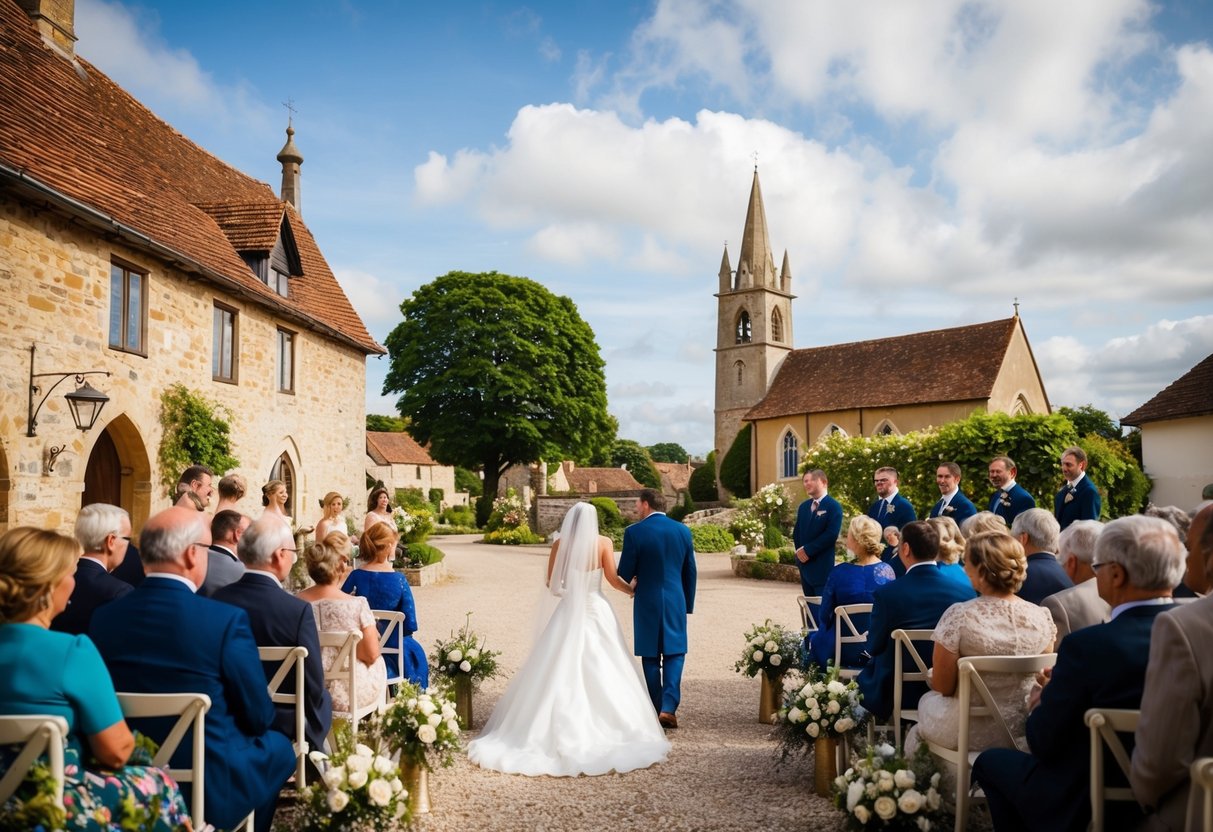
Traditional weddings come with a mix of benefits and challenges. Understanding these factors can help you make the best decision for your special day.
Weighing the Pros and Cons
One of the major advantages of a traditional wedding is familiarity. Most guests are used to this style, making it easy for everyone to enjoy. You get the chance to celebrate family traditions, which can make the day feel even more special.
However, traditional weddings can also feel rigid. They may lack the flexibility that destination weddings offer. Additionally, organizing a large event may involve more complications, such as managing a bigger guest list and coordinating with various vendors.
Consider these pros and cons to find what truly aligns with your vision for your wedding day.
Cost-Effective Tips
Traditional weddings can sometimes be more budget-friendly than destination weddings. To save money, focus on your guest list. A smaller group can reduce costs for food and venue. You can also look for local vendors instead of traveling for services.
Think about seasonal timing as well. Many venues offer discounts during off-peak seasons. Additionally, DIY elements, like invitations or favors, can be a great way to save while adding a personal touch.
Being smart about planning can help you enjoy the benefits of a traditional wedding without breaking the bank.
Comparative Insights
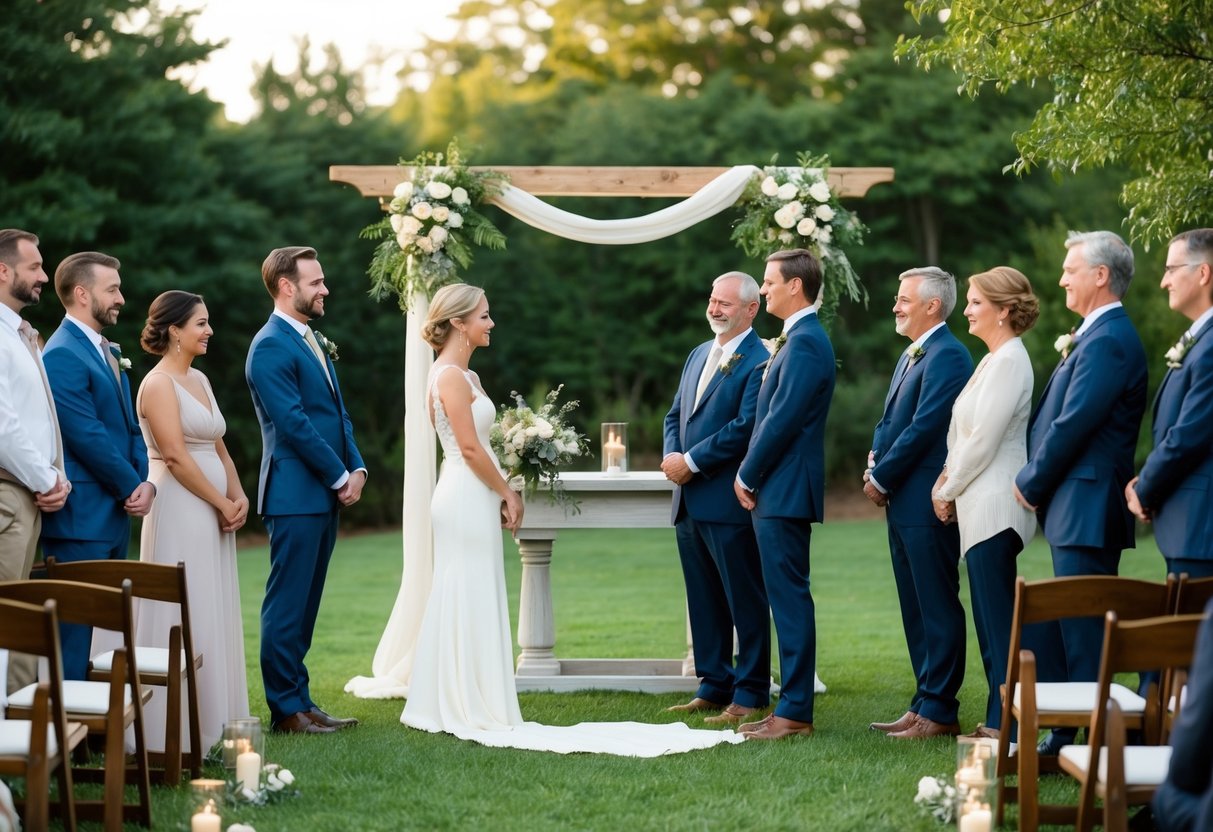
When considering wedding styles, you’ll find important differences between destination weddings and traditional weddings. Each option offers unique experiences and perspectives on costs, guest participation, and personal significance.
Destination vs. Traditional Weddings
A destination wedding typically occurs in a unique location, like a beach or a foreign land. This setting offers a beautiful backdrop and a memorable experience. You can combine the wedding with a mini vacation for your guests, turning your big day into a fun getaway.
In contrast, traditional weddings take place closer to home, often in places familiar to friends and family. This can make planning simpler and less stressful. You might also find that travel costs for your guests are significantly lower. Overall, destination weddings often attract fewer guests, but those attending may share a stronger sense of adventure.
Celebrating Close to Home
Choosing a traditional wedding means celebrating with loved ones in a comfortable environment. You can easily coordinate your event with a local wedding planner who knows the area’s venues. Sending out save-the-date notices will be more straightforward.
With traditional weddings, the sense of community is stronger, as friends and family can easily attend. This option allows for a more personalized celebration, where your nearest and dearest can fully engage in your special day. You won’t need to worry about travel plans or arrangements, making it a less stressful choice.
The Guest Experience
For destination weddings, guests often experience a unique atmosphere and the excitement of traveling. It becomes a fun trip for them combined with your special day. However, keep in mind that not everyone may be able to afford the travel costs, which could limit your guest list.
On the other hand, traditional weddings provide a more accessible option for your loved ones. They eliminate travel hassles and allow guests to focus entirely on celebrating with you. You can create an inviting atmosphere, enhancing the sense of love and connection. Ultimately, the choice affects how you and your guests enjoy this important milestone. Making Your Decision
Start by considering where you want to hold your wedding. If you prefer a local venue, explore options near home. Look for venues that offer all-inclusive wedding packages. These packages often cover everything from catering to decoration, simplifying your planning.
Think about potential language barriers if you consider a destination wedding. Make sure you are comfortable communicating with local vendors. If you decide on a destination, investigate the specifics of destination wedding planning. Understand travel logistics and guest accommodations.
Ultimately, your choice should reflect what feels right for you and your partner. It’s important to consider your budget and the kind of experience you want to create for everyone involved.