
What is the Shortest Amount of Time to Plan a Wedding? Tips for a Quick and Stress-Free Celebration
Planning a wedding can feel overwhelming, especially when time is not on your side. Many couples wonder how long it really takes to organize their special day. You can plan a wedding in as little as three weeks, but the average time needed is around 15 months. The timeline often depends on the type of wedding you envision and how quickly you can make key decisions.
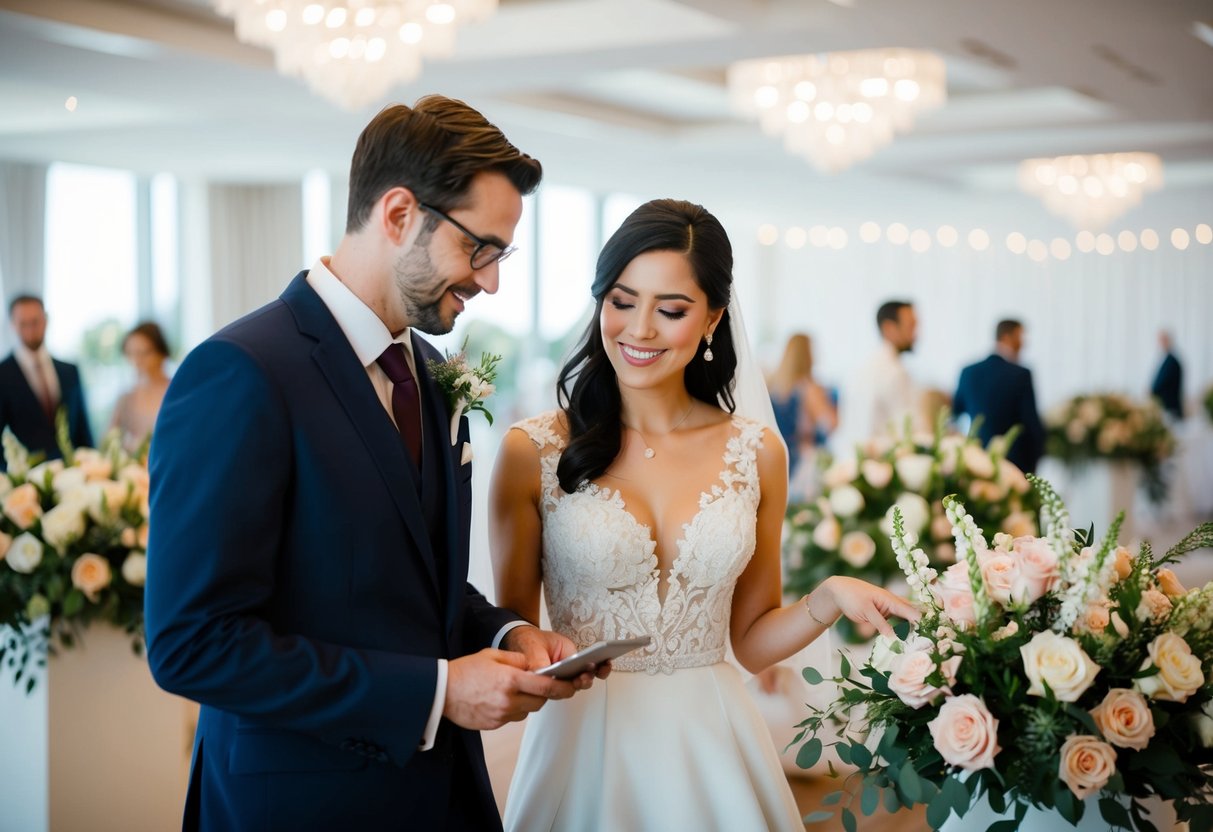
If you’re facing a last-minute wedding, you might find that simplicity is key. Whether it’s a courthouse ceremony or an intimate gathering, the core elements can often be arranged quickly. Understanding what you need and prioritizing those details can help you pull everything together efficiently, even with tight deadlines.
With the right approach, you can make your wedding day a reality, no matter how short the time frame. The excitement of planning a wedding shouldn’t be dampened by stress. Instead, embrace the challenge and let your creativity shine!
Understanding the Wedding Planning Timeline
Planning a wedding can feel overwhelming, especially when time is tight. Knowing how to navigate your wedding planning timeline can make the process smoother. Here’s what you need to consider.
Deciding on the Wedding Date
Choosing your wedding date is the first step in the planning process. Consider factors like the season, venue availability, and your guests’ schedules. Popular wedding seasons, such as spring and fall, may require you to book well in advance.
Once you’ve picked a date, you can send out save-the-dates. This is especially important if you have guests who need to travel. Make sure the date aligns with your engagement period for a well-rounded planning experience.
Establishing a Realistic Timeline
Next, establish a realistic timeline. This depends on how much time you have until the wedding. You may have only a few weeks or several months.
If you’re short on time, prioritize your tasks. Make a wedding checklist that highlights key elements like booking a venue, hiring vendors, and choosing attire. Breaking everything down into smaller tasks can help you manage your time effectively and reduce stress.
Key Milestones in Wedding Planning
Identify key milestones in your wedding planning. Start with the major tasks like booking your venue. This is often the first item on the checklist because it sets the stage for everything else.
Next, consider hiring vendors such as a photographer, florist, and caterer. Aim to complete these arrangements about six to nine months before the wedding. Don’t forget to finalize your guest list early. This will help you with seating arrangements and saving money on invitations.
Creating a timeline with these milestones can keep you on track. Use a calendar or planner to mark important dates for tasks like sending invitations and scheduling rehearsals. This way, you’ll stay organized and ready for your big day!
Essential Elements of Wedding Planning

Planning your wedding involves several key tasks that you cannot overlook. From creating a guest list to selecting the right venue, each step is vital to ensure your big day goes smoothly. Here’s a closer look at these essential elements.
Crafting a Guest List and Invitations
Creating a guest list is one of the first tasks you should tackle. Begin by listing everyone you want to invite. Think about family, friends, and colleagues. It helps to prioritize your guests, especially if you’re facing venue or budget constraints.
Next, focus on invitations. Choose designs that reflect your wedding theme. Discuss wording that feels personal and inviting. Sending out invitations at least six to eight weeks before the wedding ensures guests have plenty of time to RSVP. You can use online services for easy tracking and management of responses.
Selection of Wedding Venue and Vendors
Choosing a wedding venue is crucial. Consider the size, location, and availability that align with your date. Popular venues can book up quickly, especially for weekend weddings, so it’s wise to secure your spot early.
Once the venue is set, think about your vendors. You’ll need to book essential services like catering, photography, and entertainment. Research their past work and read reviews. Schedule meetings to discuss your vision and ensure they fit into your wedding planning process.
Wedding Attire and Rings Selection
Finding the perfect wedding dress can be exciting yet challenging. Start shopping early to give yourself ample time for fittings and alterations. Think about styles that make you feel good and fit your wedding’s vibe.
Don’t forget about wedding rings! Visit jewelers early on to explore options. You want wedding bands that match your style and budget. Consider personalizing the rings to make them even more special. Enjoy this process; it’s all about creating lasting memories.
Budgeting and Planning
Planning a wedding within a short time frame requires careful budgeting and strategic decision-making. You’ll need to assess your finances, decide whether to hire a wedding planner, and explore ways to save costs while still having a memorable event.
Creating and Managing the Budget
Start by creating a clear budget. List all potential expenses, including venue, catering, attire, and decorations. Be sure to track each cost closely as you make decisions.
Consider using a spreadsheet or budgeting app to stay organized. This helps you see where your money goes and make adjustments as needed.
Factor in any contributions from family or friends. Knowing who will help and how much will guide your decisions.
Explore different wedding packages to compare costs. Sometimes, venues offer all-in-one packages that can save you money and make planning easier.
Hiring a Wedding Planner vs. DIY
Deciding whether to hire a wedding planner or handle everything yourself is key. A wedding planner can save you time and stress, especially if you’re short on time. They have connections with vendors and can negotiate better deals for you.
If you prefer a DIY approach, be ready to delegate tasks to friends or family. This ensures everything runs smoothly without overwhelming yourself. Make a list of roles for each person to keep things organized.
Consider weekday weddings as a more cost-effective option. Venues may offer discounts for non-traditional dates, allowing you to stretch your budget further, even with a planner’s help.
Cost-Saving Tips for Nuptials
Finding cost-saving strategies can make a big difference in your wedding budget. First, consider a smaller guest list. Reducing the number of attendees can significantly lower catering and venue costs.
DIY decorations can also help. Use personal touches like homemade centerpieces or family heirlooms. Collaborating with talented friends can enhance your decor without spending too much.
Think about destination weddings if you’re open to travel. They often come with built-in vacation elements, and some venues offer all-inclusive deals that can save money.
Finally, shop around for vendors. Compare prices and read reviews to ensure you’re getting the best value for your money.
Final Preparations and Day-Of Details
As your wedding day approaches, it’s time to focus on the final preparations and what needs to happen on the big day. Managing these details can make your day run smoothly and ensure you enjoy every moment.
The Last Month Countdown
In the last month, you’ll want to tackle some key tasks. Start by confirming your marriage license. Make sure you know the local requirements and set a date to pick it up.
Next, reach out to your officiant to finalize the ceremony details. Discuss any personal vows or special readings. Don’t forget to talk to your wedding party to confirm their roles and attire.
Plan your rehearsal dinner to ensure everyone is prepared. Finally, check in with your vendor team. Confirm times and details for the wedding ceremony, especially for your wedding gown fitting. This is also a great time to use wedding planning apps to keep everything organized.
Managing the Big Day
On the big day, you need to pay attention to detail. Begin with a checklist to keep yourself organized.
Make sure to have a schedule for hair, makeup, and when you’ll need to leave for the venue.
Ensure the wedding party knows the timeline. Assign someone to help gather everyone for photos. Remember to take breaks to avoid decision fatigue.
Keep a small kit with essentials like safety pins, makeup for touch-ups, and snacks for energy.
Also, be sure to enjoy your bachelorette party without stressing about the next day. This will help you relax and focus on what truly matters—celebrating your love.