
What is the Taboo Color for Wedding Guests? Understanding Unwritten Rules
When attending a wedding, you should choose your outfit carefully. The taboo color for wedding guests is white, as it is traditionally reserved for the bride. Wearing white can unintentionally take attention away from her special day.
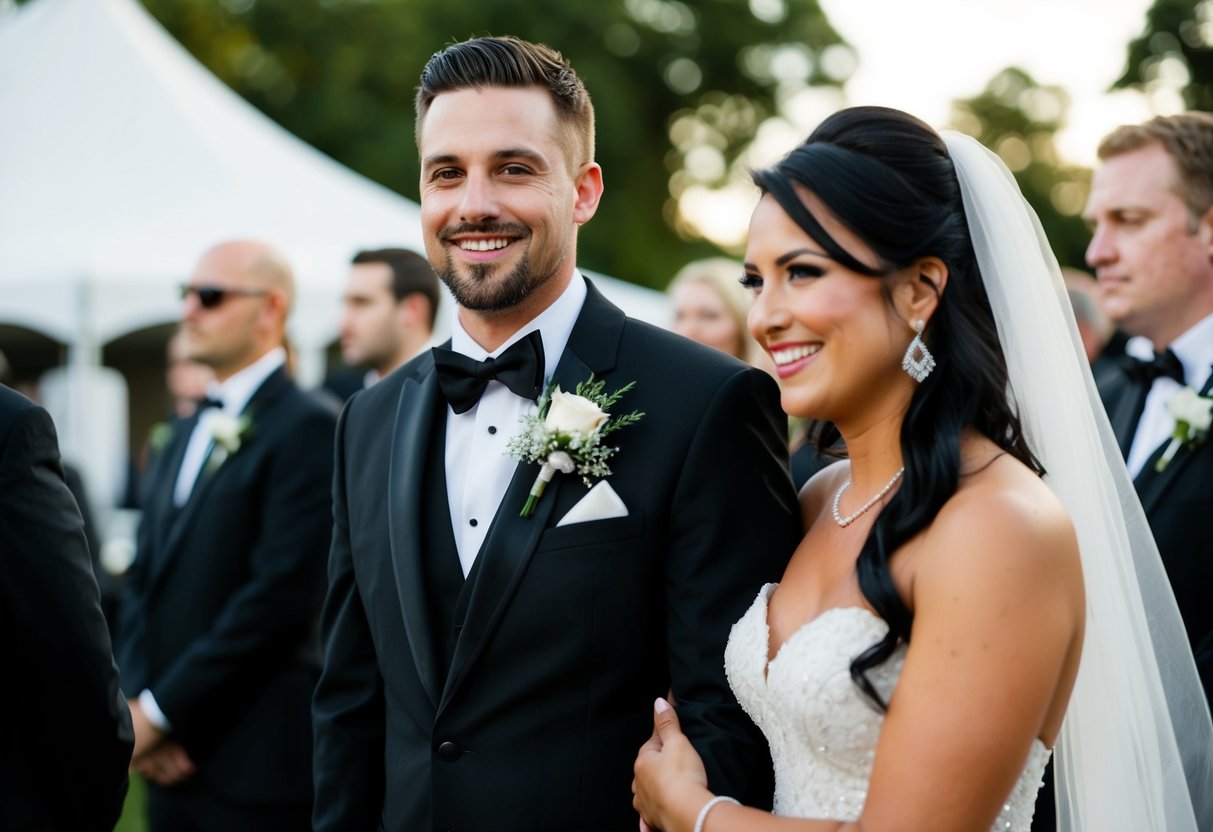
In recent years, some colors that were once considered inappropriate, like black, have become more acceptable. Still, you should be aware of the couple’s cultural background and any specific guidelines they may have provided.
Choosing the right color can show respect for the couple’s celebration, making your presence even more meaningful. Let’s explore the colors to avoid and the reasons behind these choices at weddings.
Understanding Wedding Attire Etiquette
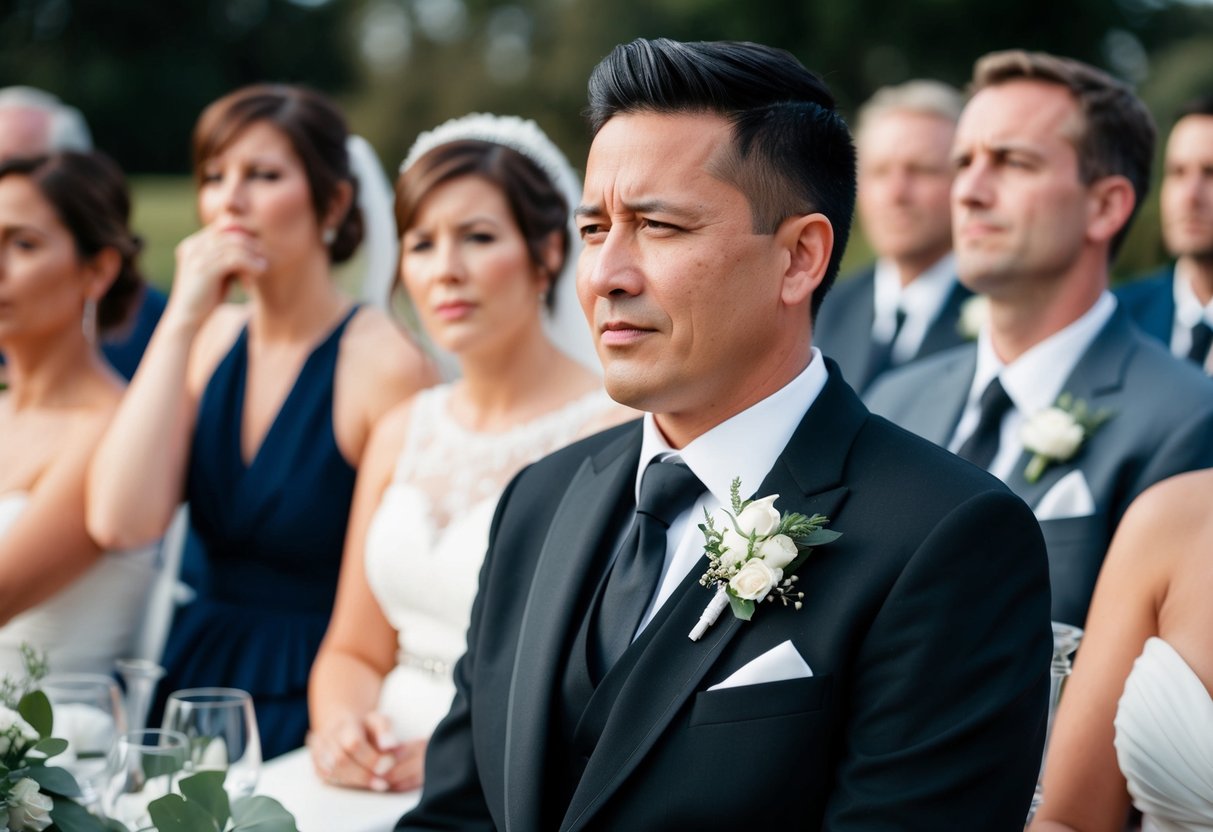
When attending a wedding, it’s important to be aware of the dress code. Your attire should match the formality of the event. Check the wedding invitation for clues.
Here are some common dress codes:
- Formal Attire: Think evening gowns and tuxedos. This is usually for elegant weddings.
- Semi-Formal: A nice cocktail dress or a suit works well here. It’s dressy, but not overly formal.
Respecting the couple’s wishes is key. If the invitation states a specific dress code, follow it. This shows your thoughtfulness and respect.
Colors can also matter. Certain hues may not be appropriate. For example, white is often reserved for the bride. It’s best to avoid it unless specified otherwise.
Make sure to RSVP on time. This helps the couple plan their big day. Your prompt response also shows your excitement and commitment to attend.
By choosing appropriate attire, you contribute to the wedding’s atmosphere. Your thoughtful outfit choice helps everyone enjoy the celebration together. Remember, your goal is to feel comfortable and look respectful.
Colors to Avoid as a Wedding Guest
When choosing what to wear to a wedding, some colors are best left in the closet. Understanding which shades to avoid can help you respect the couple’s special day and ensure you don’t accidentally steal the spotlight.
White and its Variants
Wearing white to a wedding is a well-known taboo. This color is traditionally reserved for the bride. Avoid not just pure white, but also shades like ivory, champagne, cream, and off-white. These colors can draw attention away from the bride, which is something no guest wants to do.
If you’re unsure about a particular shade, it’s best to skip anything that resembles white. This also includes fabrics with a shiny finish that might give off a white appearance under certain lighting. Overall, when it comes to weddings, avoid wearing white at all costs to keep the focus on the couple.
Black and its Implications
While black has become a more accepted choice for wedding attire, it still carries certain implications. Traditionally associated with mourning, wearing black can sometimes come off as inappropriate for a joyful occasion. Some people feel that black attire may not suit the celebratory atmosphere of a wedding.
If you choose to wear black, think about how you pair it with other colors or accessories to lighten the look. For example, pairing a black dress with bright accessories can shift the tone to something more festive. Always consider the wedding’s theme and the couple’s preferences before opting for this color.
Bright and Loud Colors
In contrast to more muted tones, bright and loud colors can often be distracting. Neon colors, like hot pink or electric blue, may take attention away from the couple. It’s vital to maintain a balance and choose a color palette that feels respectful.
Consider softer alternatives instead, while still adding a pop of color. Pastels or earthy tones can fit well without overwhelming the scene. You want to look nice and stand out in a good way, not overshadow the celebration. So, think carefully and plan your outfit wisely!
Cultural Significance of Wedding Colors
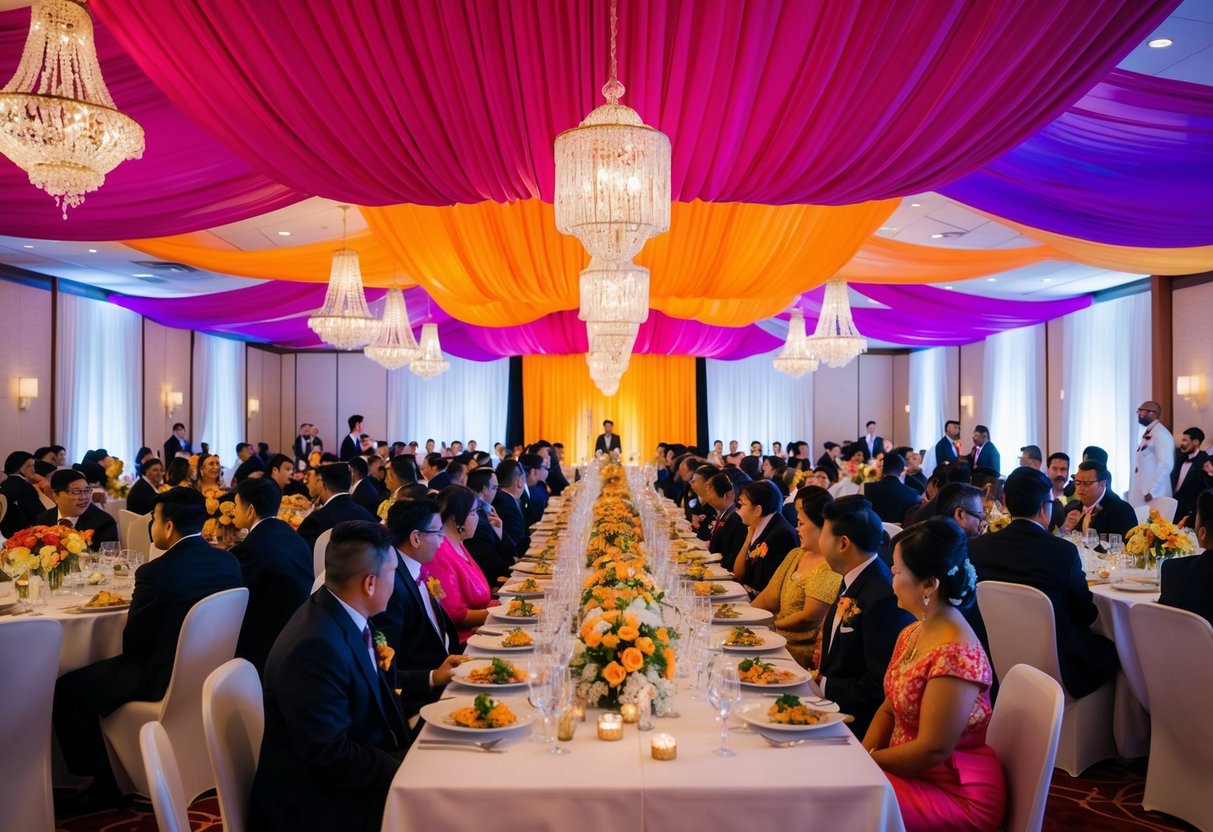
Colors play an important role in weddings around the world. Each color can carry different meanings based on culture and tradition.
Red is a powerful color in many cultures. It often symbolizes love, happiness, and good fortune. In some Asian cultures, red is also a traditional color for weddings.
Burgundy adds a touch of elegance. It represents strength and passion. This deeper shade can be a great choice for evening weddings or formal events.
Gold is another color full of meaning. It symbolizes wealth, prosperity, and success. Many couples use gold accents to highlight their decor and outfits.
Shades of blue can represent calmness and peace. Lighter blues are often associated with trust and loyalty. Darker blues can convey professionalism and sophistication. These variations offer many options for guests and couples alike.
Pastel colors, especially soft pastels, are gentle and romantic. They are commonly chosen for spring weddings, reflecting the beauty of nature. These colors create a light and airy atmosphere.
Darker colors bring a sense of drama. They can make a bold statement when used carefully in wedding attire.
Seasonal and Venue Considerations for Dress Color
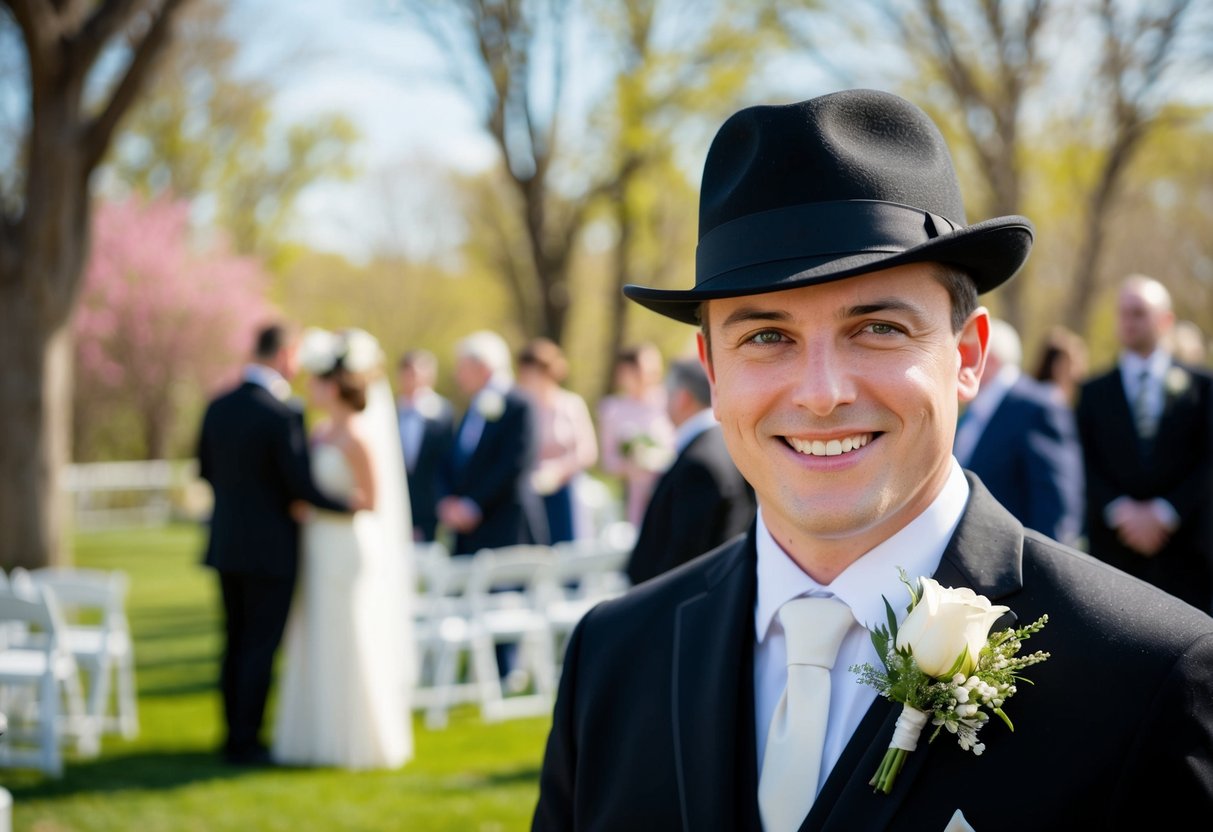
Choosing the right color for your outfit at a wedding involves considering the season and venue. This can help ensure you respect the couple’s wishes while fitting in with the overall vibe. Let’s explore some specific color choices based on these factors.
Pastels for Spring and Summer
Spring and summer weddings often use soft colors. Pastels like blush pink, baby blue, and lavender fit perfectly with the bright, open feel of these seasons.
These colors make for a light and airy look. They also represent freshness and new beginnings.
When attending daytime weddings, opt for pastel shades that are not too bright. This choice respects the bride’s special moment and adds to the overall theme of joy and celebration.
Keep in mind that some venues, like gardens, accentuate pastel colors beautifully, making them a popular choice.
Rich Tones for Fall and Winter
In contrast, fall and winter weddings call for rich tones. Deep burgundy, navy blue, and emerald green are excellent choices. These colors reflect the warmth and richness of the seasons.
Choose colors that convey coziness and elegance. Darker hues are often seen as more formal, which suits many indoor venues.
When dressing for an evening event, rich colors can make a dramatic statement. They also show respect for the couple’s celebration during less traditional times.
Wearing these tones fits well with seasonal themes, making your choice both stylish and thoughtful.
Color Choices for Daytime vs. Evening Events
Daytime weddings usually prefer lighter colors and softer fabrics. Pastels or light floral patterns work well, respecting the cheerful atmosphere.
On the other hand, evening weddings allow for more flexibility. Here, darker colors provide a sophisticated look. Midnight blue or classic black are popular and show up beautifully in lower lighting.
Bright colors may clash with formal settings, so be cautious with them. Also, avoid denim unless the couple specified a casual dress code.
Always consider the couple’s style and preferences to choose the right color.