
What Music Did Kate Middleton Walk Down the Aisle To? Discover the Beautiful Choice for Her Royal Wedding
When Kate Middleton walked down the aisle at her royal wedding to Prince William, the music played was not just a simple choice. She chose the beautiful piece “I Was Glad When They Said Unto Me,” composed by Sir Charles Hubert Hastings Parry. This song set a grand and emotional tone for the ceremony held at Westminster Abbey, enhancing the significance of the moment.
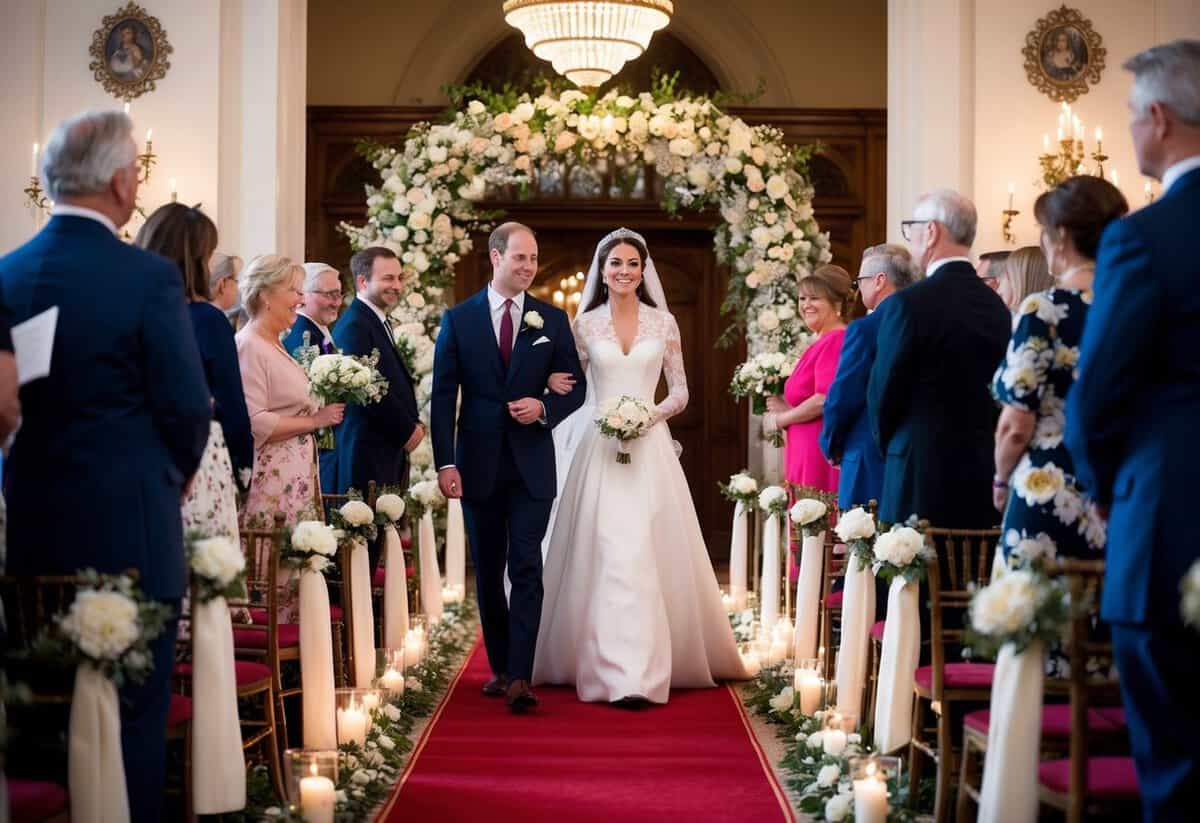
The music played during such significant events often carries deep meaning. It reflects the couple’s personality and the love shared between them.
As you read on, you’ll discover more about the song’s history and why it perfectly suited such an iconic royal wedding.
The choice of music at weddings, especially royal ones, captivates the imagination. You may find yourself drawn into the elegance of the day as you explore how Kate Middleton’s song perfectly complemented her walk down the aisle.
The Significance of Music in Royal Weddings
Music plays a vital role in royal weddings, enriching the ceremony and celebrating traditions. Its choices often reflect both historical importance and cultural values tied to the British monarchy.
Historical Traditions and the British Monarchy
In royal weddings, music often has deep historical roots. For instance, hymns and anthems are typically chosen to honor the British monarchy’s legacy.
You might recall that Kate Middleton walked down the aisle to “I Was Glad.” This hymn is traditionally used in significant royal events and carries a sense of grandeur.
Music selections at these ceremonies often echo past royal weddings, connecting the present to the past. This continuity adds an emotional layer, reminding attendees of the rich heritage they are part of.
Cultural Impact of Royal Wedding Ceremonies
The music in royal weddings also shapes public perception and cultural significance. When a bride walks down the aisle, the chosen song resonates with viewers both present at the ceremony and those watching on television.
Songs during these weddings can unite people through shared experiences. For example, many people connect with the emotional weight of hymns sung during the ceremony.
Royal weddings also inspire musicians and composers, leading to new works that reflect these monumental occasions. This cultural exchange enhances the celebration and keeps the spirit of royal traditions alive for future generations.
Kate Middleton’s Processional Music
When Kate Middleton walked down the aisle on April 29, 2011, the music choice reflected both tradition and personal significance. The selected piece, composed by Sir Charles Hubert Hastings Parry, adds a majestic touch to a historic occasion.
Sir Charles Hubert Hastings Parry’s ‘I Was Glad’
The processional song, “I Was Glad,” is a well-known choral work. It was composed by Sir Charles Hubert Hastings Parry in 1902. This hymn is often associated with British ceremonies due to its grand sound and regal feel.
The music is based on Psalm 122, which expresses joy and the beauty of coming together. This joyful piece was fitting for a royal wedding, highlighting the importance of unity and celebration. It has a rich history of being performed at significant occasions, making it a timeless choice for Kate.
Symbolism Behind the Chosen Hymn
The choice of “I Was Glad” goes beyond mere tradition. It symbolizes the joy of new beginnings and the coming together of two families. This hymn evokes feelings of hope and happiness, which are central themes for a wedding.
Its links to Royal ceremonies, including Coranation events, illuminate its significance. By choosing this hymn, Kate reflected her values of tradition and elegance. The music complemented her wedding theme, making it an essential part of the ceremony that many guests and viewers remember fondly.
The Ceremony at Westminster Abbey
You’re about to learn more about the beautiful ceremony that took place at Westminster Abbey, where Kate Middleton walked down the aisle. This historic venue deepens the meaning of the event, and the music played during the service added to its emotional weight.
Historic Venue and Its Connection to the Royal Family
Westminster Abbey is not just a stunning building; it has a rich royal history. It has been the site of numerous royal weddings, including the ceremonies of Queen Elizabeth II and Prince William’s great-great-grandfather, King George V.
In 1902, the abbey hosted the coronation of Edward VII, making it a place of great significance. When Kate Middleton, the Duchess of Cambridge, arrived for her wedding to Prince William, she walked on the same grounds where many royals have stood before her, creating a strong sense of tradition and legacy.
The Role of Music in Evoking Emotion and Grandeur
Music played a key role in the ceremony, enhancing the atmosphere as Kate made her grand entrance. The processional featured the piece “I Was Glad,” composed by Sir Charles Hubert Hastings Parry. This piece connects to the royal family’s history and is known for its emotional depth.
As the notes filled the abbey, guests felt a mix of anticipation and reverence. The music not only celebrated the marriage but also linked Kate and William’s union to the broader history of the monarchy, underscoring the significance of their vows on such a grand stage.