
What Side Do Ladies Wear Flowers at a Wedding? A Guide to Bridal Floral Placement
When attending a wedding, you might wonder about the proper way to wear your flowers. Ladies typically wear their flowers on the right side, with the stems pointing down toward their shoulders. This little detail is a part of wedding flower etiquette that helps differentiate between the wedding party members.
Knowing this can help you feel more confident and stylish on this special day.
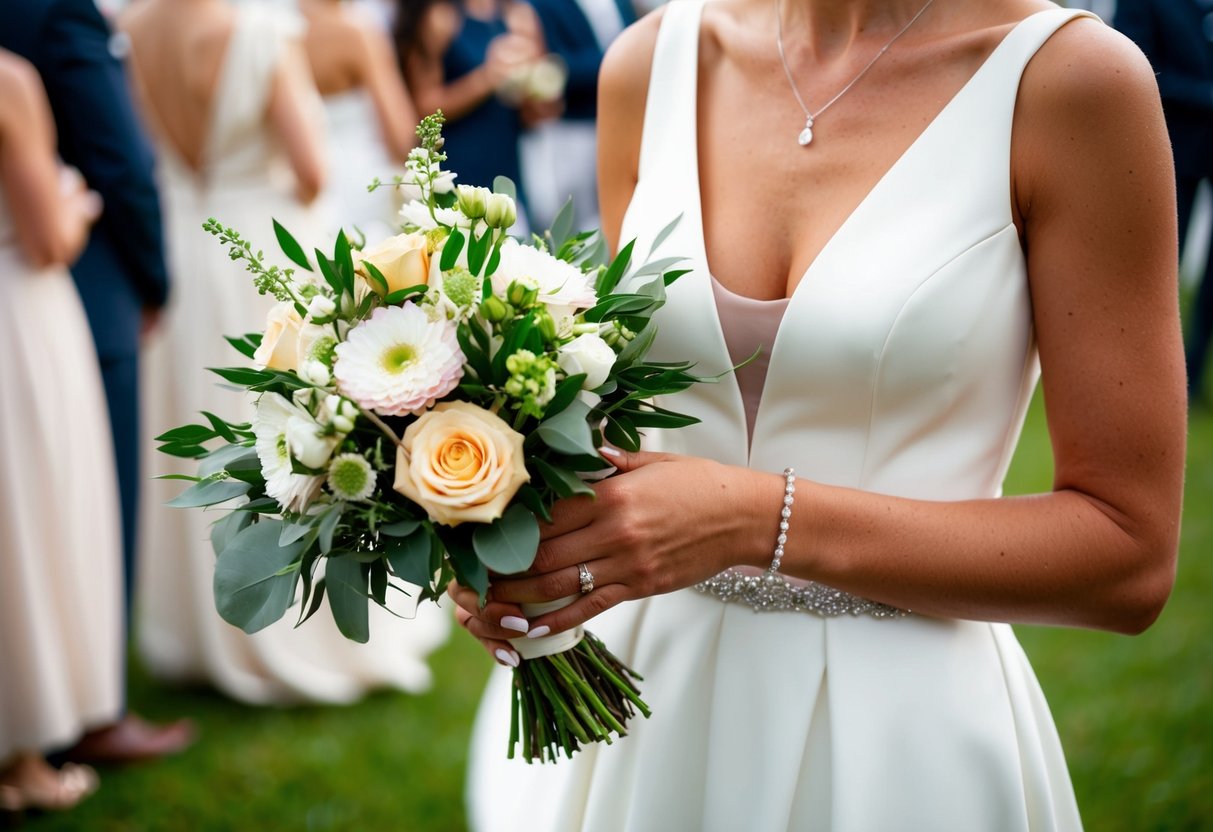
Understanding where to place your flowers is important not just for fashion, but also for tradition. Flowers can add a beautiful touch to your outfit, making you feel more connected to the celebration.
By following these guidelines, you can honor the wedding day traditions while still expressing your personal style.
As you prepare for the wedding day, remember that flowers are more than just a decorative detail. They symbolize joy and love, adding to the vibrant atmosphere of the occasion. By knowing where to wear your flowers, you contribute to the overall look and feel of the wedding party.
The Tradition of Wearing Flowers
Wearing flowers at weddings has a long history and adds a special touch to the ceremony. Understanding the significance of corsages and boutonnieres can enhance your appreciation of this lovely custom.
Historical Significance
Historically, flowers have symbolized love, purity, and new beginnings. Ancient Romans used flowers as part of wedding ceremonies to bring luck. In many cultures, brides would wear floral crowns or bouquets to represent fertility and happiness.
As time passed, different floral arrangements developed. The boutonniere for men and the corsage for women became staples. The flower girl often carries petals or small bouquets, symbolizing innocence. This tradition connects generations as families continue to honor these customs during wedding celebrations.
Corsage and Boutonniere Basics
A corsage is typically worn by ladies on their right side, with flowers positioned to point down. This style allows for a graceful look and sees flowers often arranged in intricate designs. A corsage might consist of a few blossoms, such as roses or orchids, reflecting personal taste.
On the other hand, a boutonniere is traditionally worn by men on the left side, straight above the heart. It’s usually a single flower, such as a rose or carnation, providing a polished appearance. The buttonhole style keeps the flower secure. Children in the wedding party, like ring bearers, may also have miniature versions, adding charm to the event.
Wearing personal flowers creates a unified and elegant look for everyone involved.
Floral Accessories for the Wedding Party
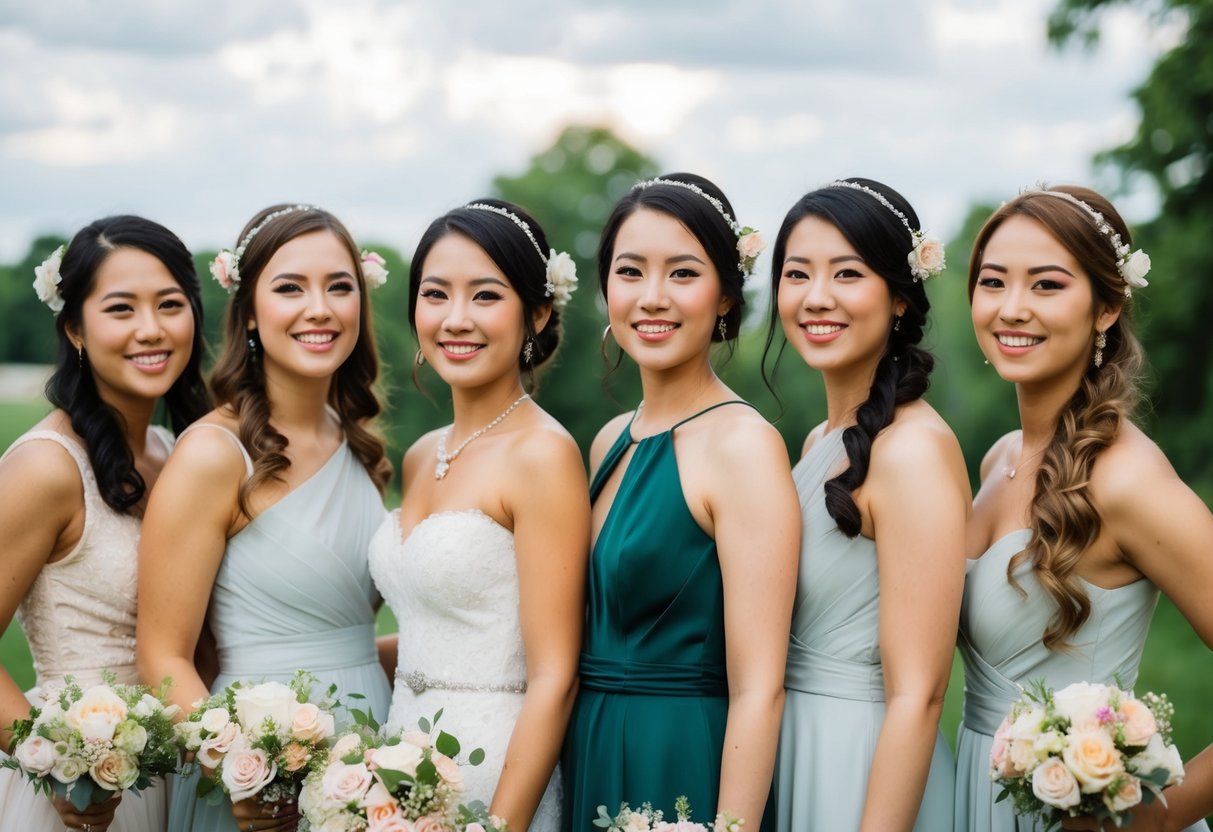
Floral accessories add beauty and elegance to any wedding. Knowing what each member of the wedding party wears will help you create a cohesive look while honoring each person’s role.
Bridesmaids and Groomsmen
Bridesmaids typically wear coordinating floral accessories. Often, they have small bouquets that match the overall theme. These arrangements can be made with the same flowers used in the bride’s bouquet.
On the other hand, groomsmen wear boutonnieres. These are usually placed on the left lapel of their suits. Common flowers for boutonnieres include a single bloom like a rose or a small cluster. You can use ribbon or lace to add a stylish touch.
Remember, both bridesmaids and groomsmen should have designs that complement each other, reinforcing the wedding’s color scheme and theme.
Mothers and Fathers
For the mothers of the bride and groom, the floral accessories are often more elaborate. They can wear corsages on their left sides, usually pinned to their dresses. Corsages can be made from one large flower or several smaller ones together. Adding elements like lace or ribbon can enhance the look.
Fathers typically wear a boutonniere as well, just like the groomsmen. It should match or complement the flowers chosen for the mothers’ corsages. Keeping this uniform helps create a polished appearance on both sides of the family.
Flower Girls and Ring Bearers
Flower girls often carry small flower baskets filled with petals or a small bouquet that matches the bridal theme. Their floral accessories should feel light and playful. Consider using smaller blooms to suit their size.
Ring bearers can have a little boutonniere or a ribbon that ties into the wedding colors. Instead of flowers, some opt for a simple decoration like a magnate or pin that symbolizes their role in the ceremony. These subtle touches can make them feel special on the big day.
Choosing the Right Flowers
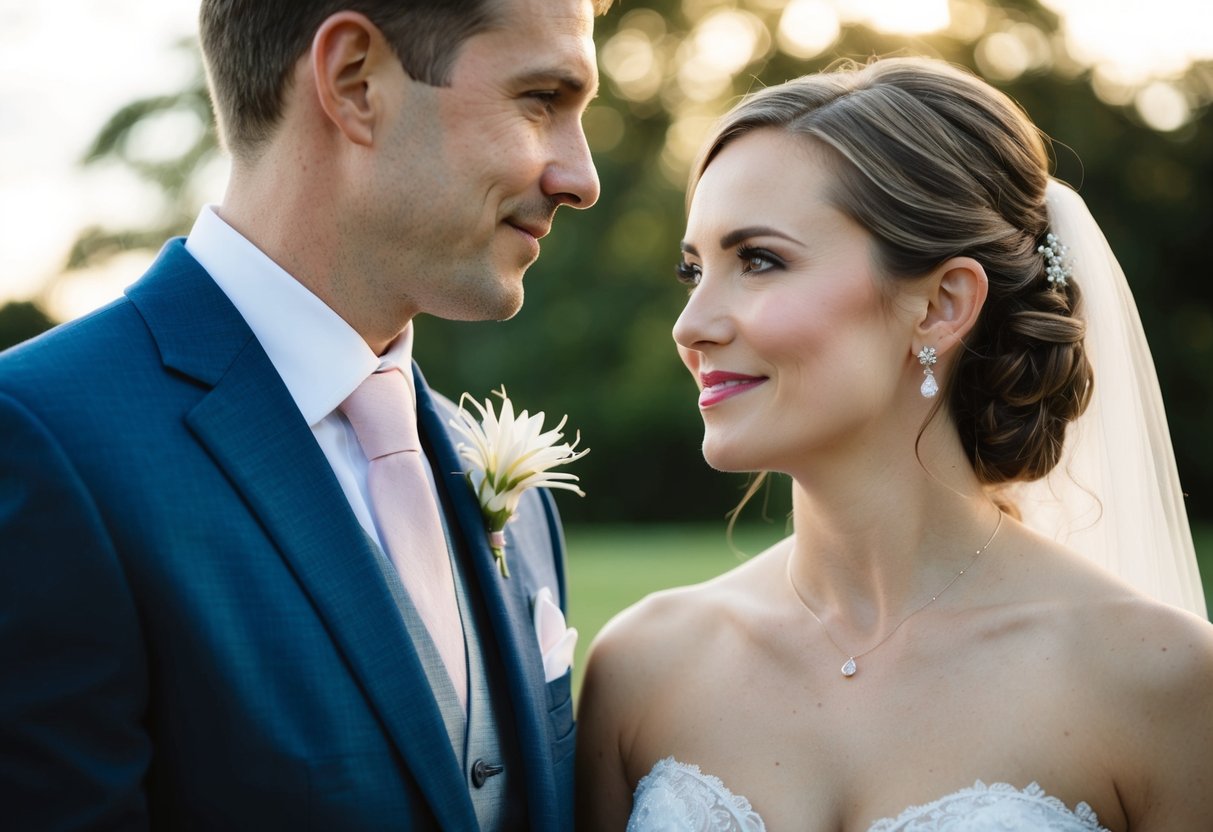
Selecting the perfect flowers for a wedding can enhance the overall aesthetic. You want blooms that fit the occasion and your personal style. Understanding which flowers work best for corsages and buttonholes will help you make an informed choice.
Popular Corsage and Boutonniere Flowers
When choosing flowers for ladies’ corsages and men’s boutonnières, some options stand out. Roses are a classic choice known for their elegance. You can find them in various colors to match your wedding theme. Carnations are also popular due to their long-lasting nature and wide range of colors.
Orchids bring a touch of sophistication and are perfect for a modern look. Button holes often feature smaller versions of these blooms. For something extra special, consider adding hair flowers or a flower crown made of these same blooms for a cohesive style.
Matching Flowers to the Wedding Theme
Your flower choices should tie into the overall wedding styling. If you’re going for a rustic theme, opt for wildflowers or carnations for a charming look. For a garden wedding, consider fresh roses or orchids that celebrate nature.
If your wedding has a more formal vibe, sleek and elegant flowers work best. Think about using calla lilies or even tulle wraps to enhance your corsage. Remember to consider the colors, shapes, and scents that match your vision so everything feels harmonious.
Customizing for Personal Style
You can personalize your corsage or boutonnière to showcase your unique style. Don’t hesitate to mix flower types, like pairing vibrant roses with softer orchids.
Consider the modern wrist corsage, which offers comfort and style. You might also add personal touches, like a charm or ribbon in your wedding colors. This little detail makes a big difference and assures your flowers reflect your personality on your special day.
Proper Placement and Etiquette
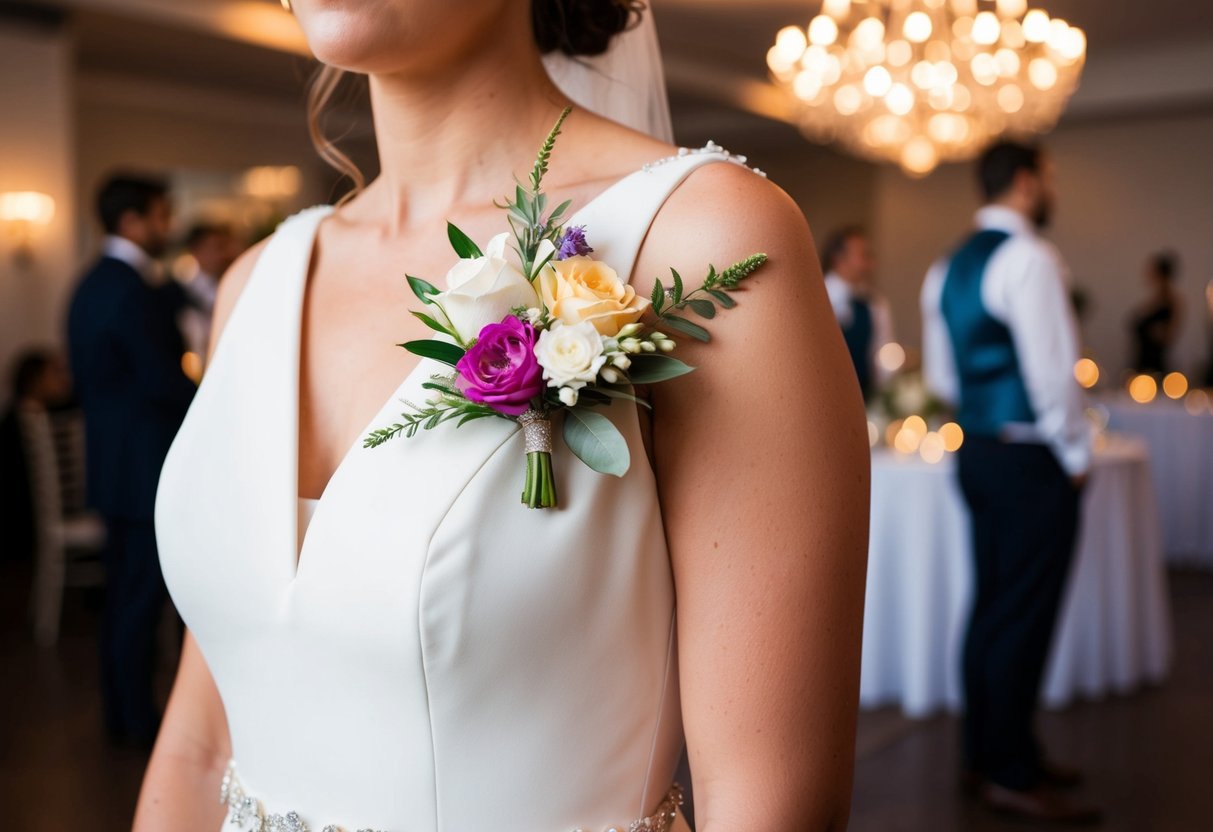
When it comes to wearing flowers at a wedding, understanding the proper placement and etiquette is essential. This ensures that you look your best and honor the traditions surrounding flower placement.
Corsages for Ladies
Ladies typically wear corsages on the right side of their dress or outfit. The flowers should have the stems pointing down, with the blooms prominently displayed. It is common for the mother of the bride and the mother of the groom to wear corsages too. These may be more elaborate and can consist of multiple flowers.
When considering a corsage, think about the overall look and feel of the wedding. If the wedding has a specific theme or color scheme, choose flowers that match that aesthetic. For Jewish weddings, it’s common to see larger corsages as a display of honor. Remember, the corsage should enhance your outfit, not overpower it.
Boutonnieres for Gentlemen
Gentlemen usually wear a boutonnière on the left lapel of their jacket. The boutonnière is typically a single flower or a small cluster that is pinned directly to the fabric. For formal occasions, it should be placed just above the heart, about four inches below the shoulder.
Most grooms and groomsmen will have matching boutonnieres, which helps unify the group’s appearance. It’s essential to ensure that the boutonnière is fresh and securely pinned to avoid any mishaps during the event. In Hindu weddings, grooms often wear a more festive version with vibrant colors that reflect the celebration.
Special Considerations by Culture
Cultural traditions can influence how flowers are worn at weddings. For instance, Jewish weddings often have the mothers wear lavish corsages to symbolize their important role. In contrast, Hindu weddings might incorporate bold, colorful flowers and unique arrangements that add a vibrant touch to the celebrations.
It’s a good idea to consult with your wedding planner for guidance on cultural norms and practices that might apply. This ensures you feel comfortable and respectful of the traditions in play while making your floral choices.