
What Time Should a Wedding Breakfast Start? A Guide to Perfect Timing for Your Big Day
Deciding when to start your wedding breakfast can significantly impact the flow of your special day. A typical wedding breakfast should start around 5 PM, but the exact timing can vary based on your ceremony and reception plans. This key moment is more than just a meal; it sets the tone for the evening ahead.
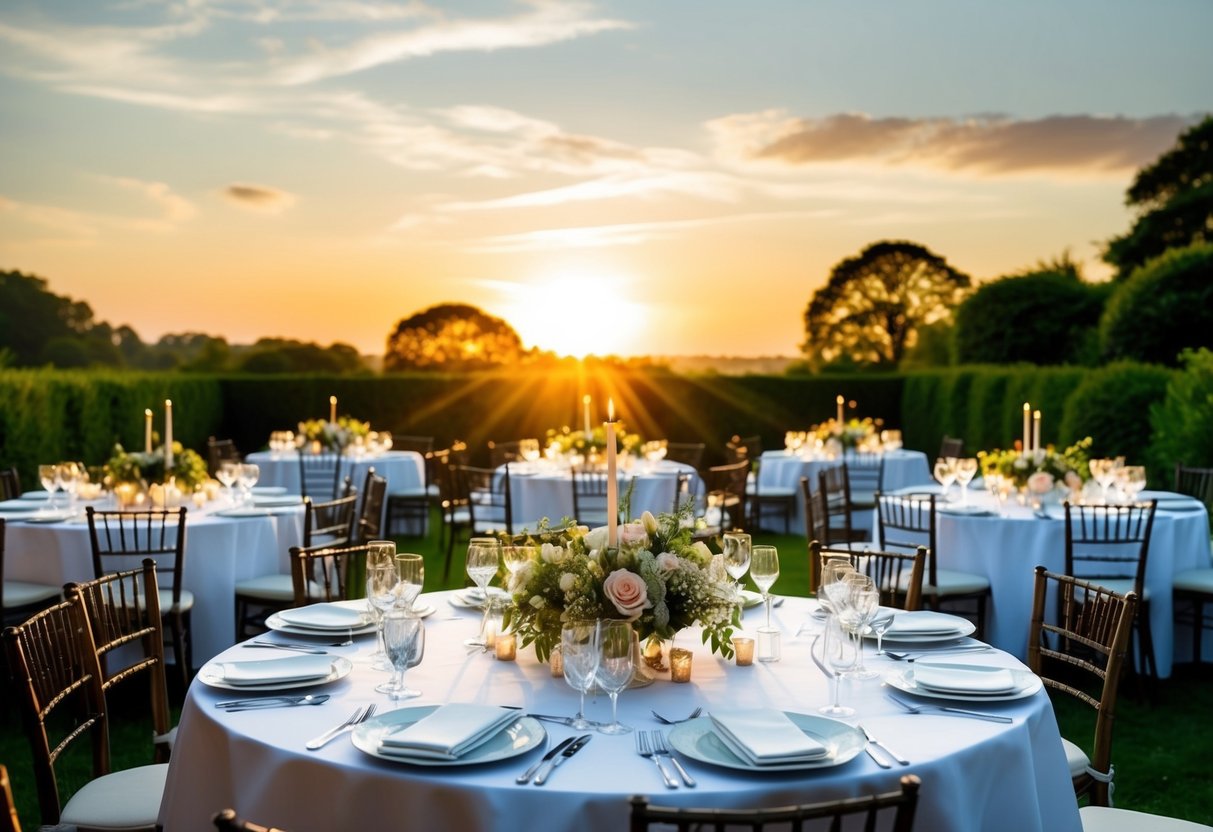
Think about your guests and how they will experience the day. You want everyone to feel relaxed and enjoy the festivities. Starting the breakfast too late may lead to a rushed evening, while starting it too early could disrupt the excitement of your ceremony and photographs.
By carefully planning the start time, you can ensure a wonderful atmosphere for your wedding celebration.
Planning Your Wedding Day Timeline
Creating a wedding day timeline is essential for a smooth and enjoyable experience. By carefully planning the start time of your wedding breakfast and setting the scene, you can ensure everything flows seamlessly.
Setting the Scene for Your Special Day
To set the scene, consider the atmosphere you want for your wedding. This involves more than just the venue; it also includes the timing of events and how they connect.
For example, think about the type of decor and lighting you wish to use.
You might want to have a cozy, intimate feeling, or a lively celebration. The choice of flowers, table settings, and music will help create your desired vibe. Ensure you choose a location that aligns with your vision.
As you map out your wedding day timeline, remember to factor in the time needed for hair, makeup, and photography. These elements are key to achieving the scene you envision.
Deciding on a Wedding Start Time
Deciding on the start time for your wedding breakfast is crucial. A common practice is to schedule the breakfast about one to two hours after the ceremony ends. This allows for time to take photos and for guests to mingle. If you’re having a late ceremony, like at 3 PM, a wedding breakfast around 5 PM works well.
Also, think about the preferences of your guests. Early risers might enjoy a brunch-style breakfast, while evening weddings can have a more formal dinner. Your choices should reflect your style and your guests’ comfort.
Ceremony to Celebration: The Transition
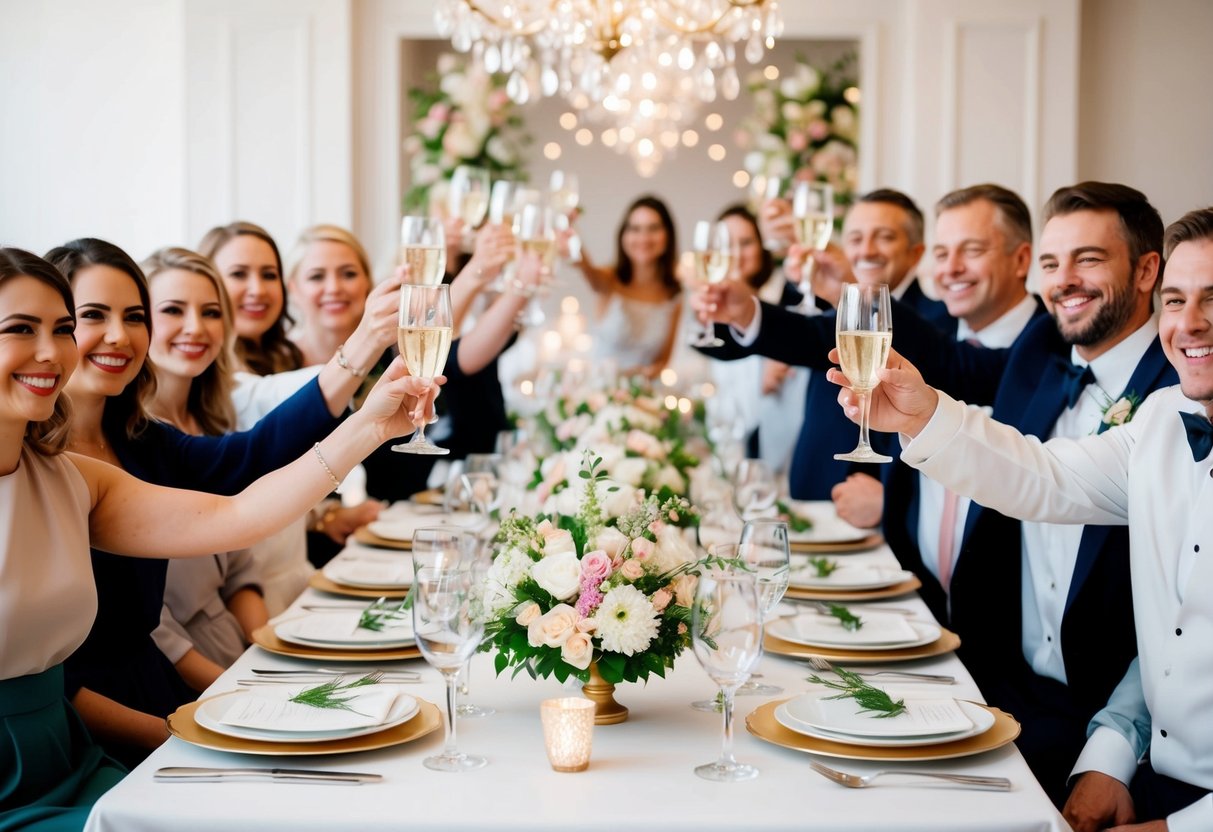
After exchanging vows, you shift from the ceremony to the celebration. This transition is crucial for setting the tone of your wedding day. You’ll want to consider how to make this smooth and enjoyable for your guests as you move to the next part of your special day.
The Ceremony: Exchanging Vows
During the wedding ceremony, you share heartfelt vows with your partner. This moment is deeply personal, marking the beginning of your life together. Guests are often captivated, so it’s essential to keep the timing in mind. Aim for your ceremony to last about 20 to 30 minutes.
Once you say “I do,” your loved ones will be filled with joy. Make sure to plan for some moments for them to absorb the emotion. This is often when photographers capture those precious candid shots. The ceremony sets the mood for the rest of the day, so ensuring it runs smoothly is key.
From Ceremony to Reception: What Happens Next?
After the ceremony, transition smoothly into the drinks reception, often called the cocktail hour. This is when guests can mingle and enjoy light refreshments. It’s a great way for everyone to relax before the formalities of the wedding reception.
During this time, consider serving a mix of drinks and appetizers. Think about adding a signature cocktail that reflects your style. This time also allows you and your partner to take photos with guests, creating lasting memories.
Finally, as you and your guests wrap up the drinks reception, it’s time for the wedding breakfast. This is usually your first meal as a married couple and offers a chance for speeches and toasts. Keeping your guests engaged during this transition sets a positive tone for the rest of your celebration.
Key Wedding Reception Events
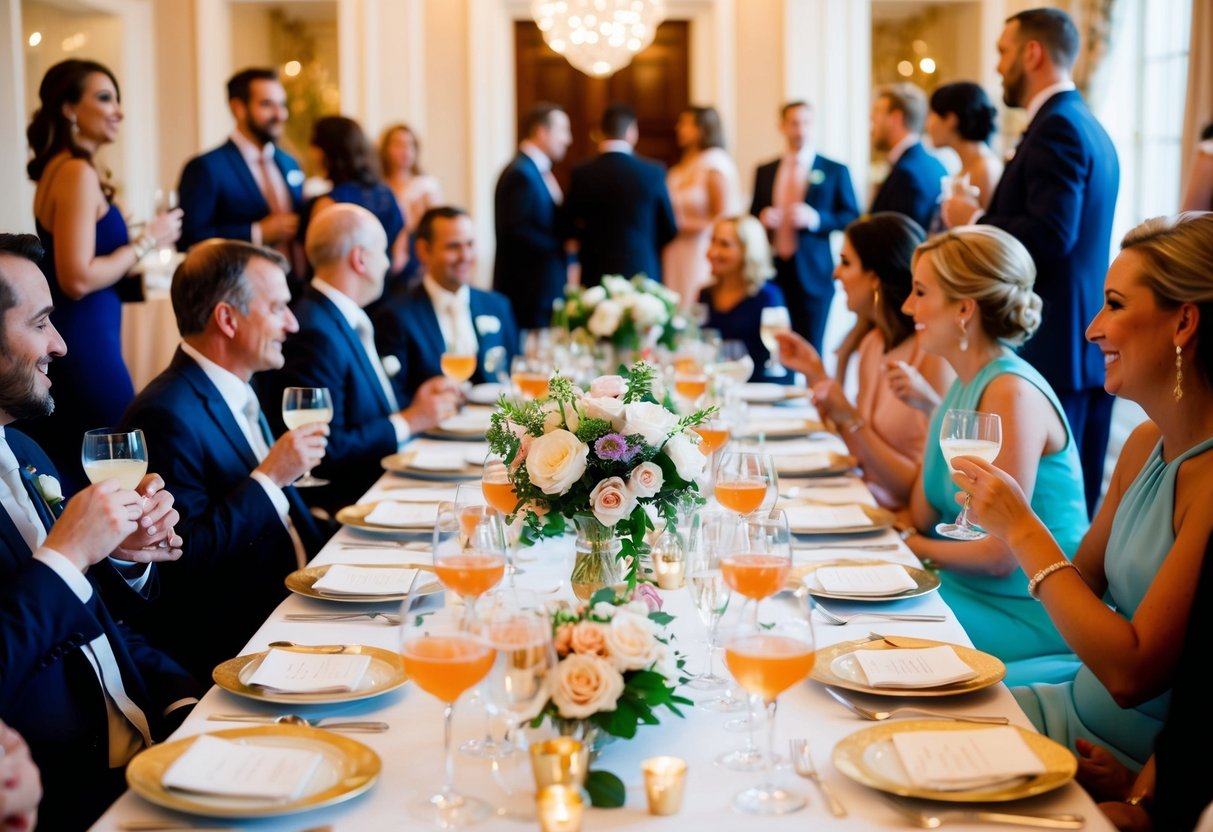
As you plan your wedding reception, certain events stand out as highlights. These moments are not just traditions; they’re opportunities to create cherished memories with your guests.
Cutting the Cake and First Dance
The cutting of the cake typically occurs after dinner. It’s a symbolic act that represents the couple’s first shared task as a married pair. You should consider planning this around the same time as your first dance to create a seamless flow.
Timing Tip: Aim for about 30 minutes after the meal ends to gather everyone for these key moments.
The first dance is a special moment for you as a couple. Choose a song that resonates with your relationship. This dance sets the tone for the evening, signaling the start of celebrations.
Afterward, invite the wedding party to join you on the dance floor. This can create a joyful atmosphere and encourage guests to join in.
Portraits and Party: Capturing Memories
After the formal events, securing some couple portraits is a great idea. These photos allow you to capture the magic of your day. Schedule this time either just before the reception begins or just after the meal.
Pro Tip: Allow around 30-45 minutes for portraits, so you don’t feel rushed.
Then, the party begins! A lively atmosphere encourages dancing and mingling. Create a wedding reception timeline to transition smoothly from one event to the next.
Include traditional dances like the father-daughter dance and some fun group activities. This keeps energy high and ensures everyone feels included as the night rolls into the after-party.
Deciphering the Wedding Breakfast Timeline
Planning the timing for your wedding breakfast is key to a smooth day. The wedding breakfast usually follows the ceremony and can set the tone for the rest of the event.
For a traditional wedding, the breakfast often starts around 5 PM. This allows guests enough time to transition from the ceremony to the reception.
If you’re hosting a brunch wedding, consider starting your meal earlier, around 11 AM. It’s perfect for a relaxed vibe and offers a fun twist!
For an evening wedding, the breakfast might begin around 6 PM or 7 PM. This often fits well after an afternoon ceremony, giving guests time to mingle.
Here’s a simple timeline for your wedding breakfast:
| Time | Event |
|---|---|
| 2:00 PM | Ceremony ends |
| 3:00 PM | Cocktail hour starts |
| 5:00 PM | Wedding breakfast served (traditional) |
| 6:30 PM | Toasts and speeches |
| 7:30 PM | Dancing begins |
You should also share details about the start time with your guests on the invitations. This helps everyone plan their travel and enjoy the day without stress.
Knowing your timeline ensures a memorable experience during your wedding breakfast!