
What Time Should a Wedding Rehearsal Start? Tips for Perfect Timing
When planning your wedding, timing is everything. Knowing when to start your wedding rehearsal can help ensure that everything flows smoothly.
Most wedding rehearsals typically start around 5:30 p.m. the evening before the wedding. This timing allows everyone to get comfortable with the ceremony details and get ready for the dinner that usually follows.
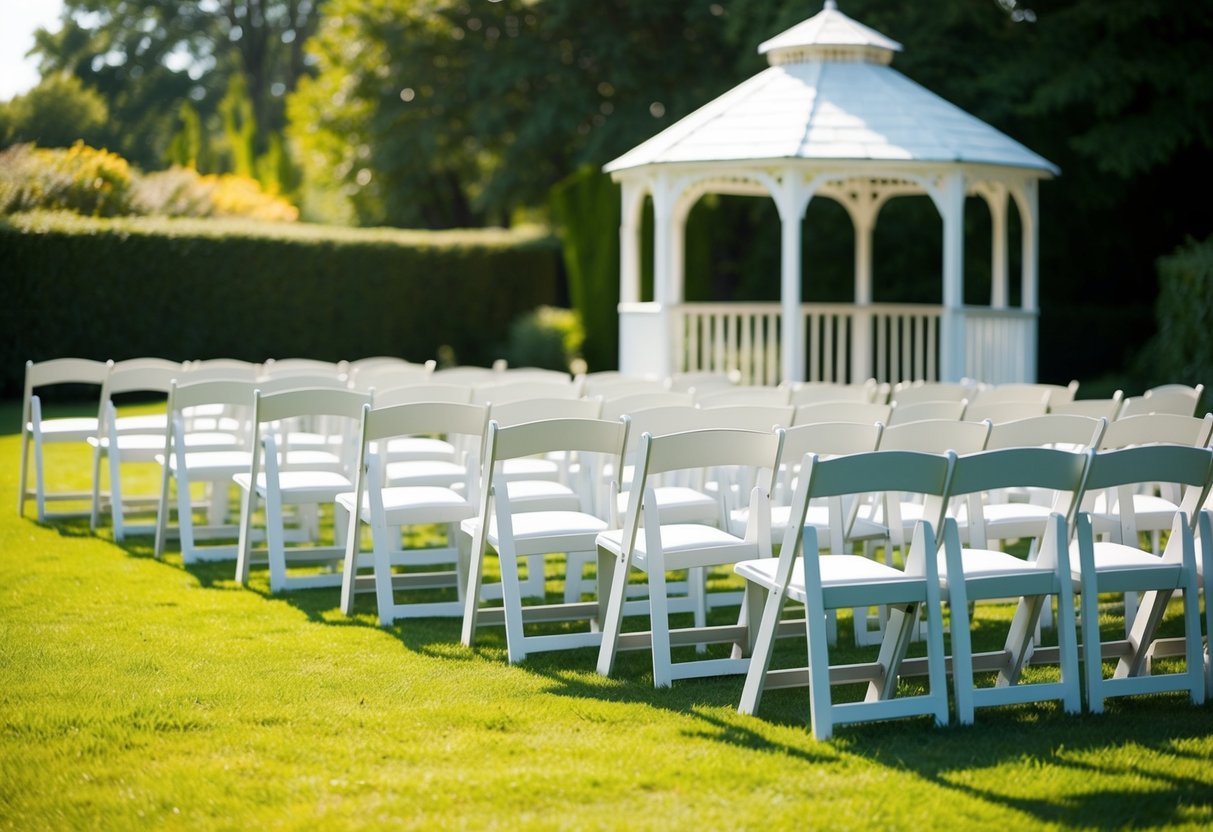
You might wonder why the timing is so important. Starting the rehearsal earlier in the evening gives your wedding party and family enough time to practice without feeling rushed. It also allows everyone to enjoy a relaxed meal together afterward, creating a chance to bond before the big day.
By thinking ahead about the rehearsal time, you can set the right tone for your wedding weekend. A well-timed rehearsal not only calms nerves but also ensures that everyone knows their role when it matters most.
Determining the Ideal Start Time

Choosing the right start time for your wedding rehearsal is crucial. You want to ensure everything flows smoothly, allowing enough time for practice and preparation before the big day.
Two key factors to consider are the wedding day schedule and the logistics of travel to the venue.
Considering the Wedding Day Schedule
Think about the timing of your wedding day events. Most ceremonies begin in the afternoon or early evening. A typical rehearsal often takes place around 5:30 p.m., so you can wrap up around dinner time. This gives everyone a chance to relax and enjoy the rehearsal dinner afterward.
Planning your rehearsal a day before the wedding helps everyone stay focused. Make sure to check the specific timing of your ceremony rehearsal. This way, you can practice efficiently and feel prepared for the actual event.
Factoring in Travel Time and Location
You should also consider travel time to the wedding venue. This includes time for everyone in your party, such as the officiant and family members.
If your venue is far or requires some navigation, plan for any potential delays.
It’s smart to account for about 30 minutes to an hour of travel time. This way, everyone arrives calm and ready. Ensure that those involved are aware of the start time and location to avoid any last-minute confusion.
Who Should Attend the Rehearsal
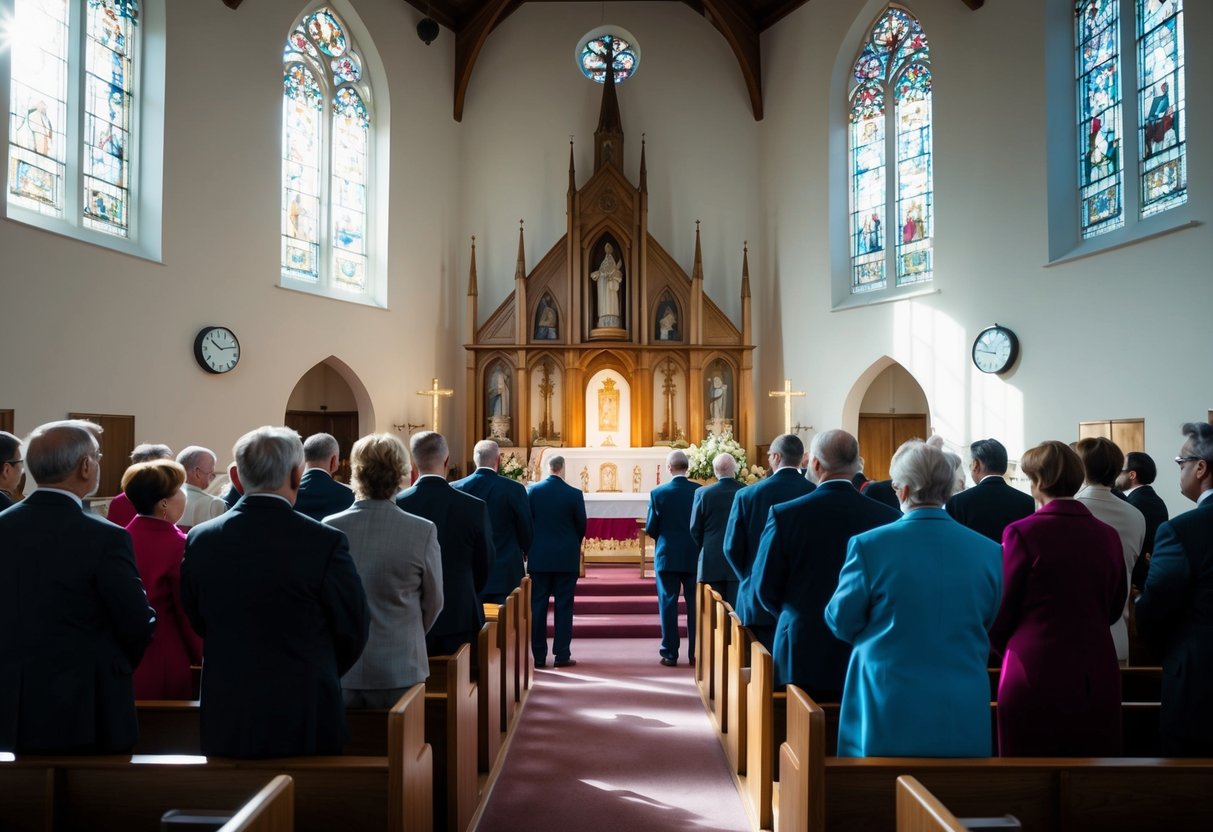
A wedding rehearsal is a key moment to prepare for the big day. It allows everyone involved to know their roles and understand the flow of the ceremony. Here’s who should be there.
Roles and Responsibilities
Wedding Party: Your wedding party includes the maid of honor, groomsmen, and any other attendants. They play key roles in the ceremony, so it’s important that they attend to learn their tasks.
Officiant: The officiant leads the ceremony. They need to be present to go over the flow and make sure everything runs smoothly on the day.
Family Members: Family members, especially parents and siblings, often have special roles. Their attendance helps everyone feel included and informed.
Child Attendants: If you have a flower girl or ring bearer, it’s essential they attend. This helps them practice their parts and feel comfortable.
Wedding Planner: If you have a wedding planner, they should be there to ensure everything goes as planned. Their presence helps coordinate details and timing.
Make sure to communicate with everyone about the rehearsal time and location.
Rehearsal Dinner Details
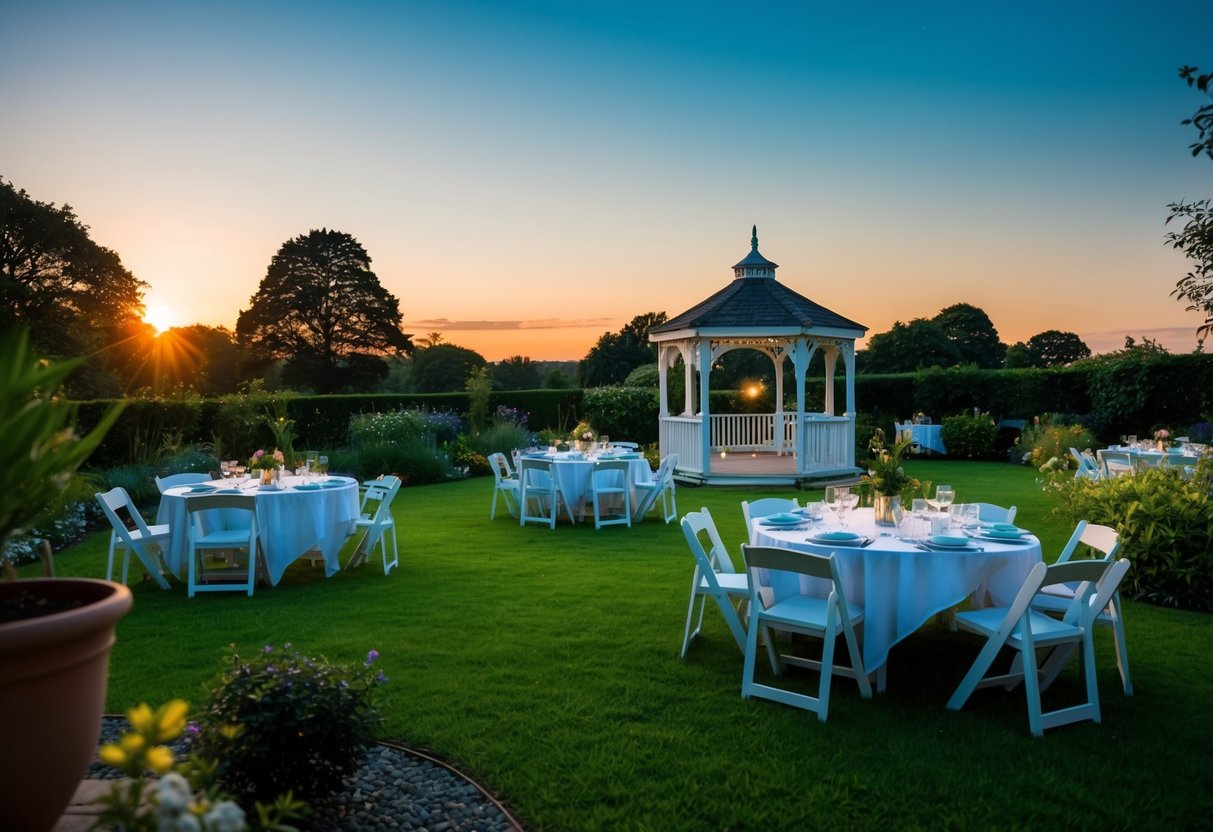
The rehearsal dinner is a special event, giving you a chance to gather with family and close friends before the big day. Planning the venue, organizing the evening’s events, and sending out invitations are crucial steps for a memorable dinner.
Choosing the Rehearsal Dinner Venue
Selecting the right venue sets the tone for your rehearsal dinner. Consider a location that reflects your personality as a couple. It could be a cozy restaurant, a family home, or even a scenic outdoor space.
Check the venue’s capacity to accommodate your entire guest list. This might include immediate family and your wedding party. Be mindful of any dietary restrictions when choosing the menu. Think about accessibility for all guests as well.
Remember to visit the venue beforehand to visualize the setup. This will help you plan how you want the evening to flow.
Organizing the Evening’s Events
Creating a schedule for the evening ensures everything runs smoothly. Start with mingling time when guests can catch up before sitting down to eat.
Set aside 60-90 minutes for the meal so everyone can enjoy their food and each other’s company.
After dinner, you might want to include speeches. This is a great time for parents or friends to share their thoughts. Consider incorporating a slideshow of memories to add a personal touch.
It’s important to give everyone a heads-up about these planned events. Sharing the schedule helps guests know what to expect.
Sending Out Invitations
Start by creating your rehearsal dinner guest list. This list often includes the wedding party and immediate family. If the budget allows, you may want to invite out-of-town guests too.
Choose a simple and elegant design for your rehearsal dinner invitations. Clearly include the date, time, location, and any additional details.
Send out the invitations at least 3-4 weeks before the event. This gives everyone time to RSVP and make arrangements. Follow up with a reminder as the date gets closer to ensure maximum attendance.
The Rehearsal Itself
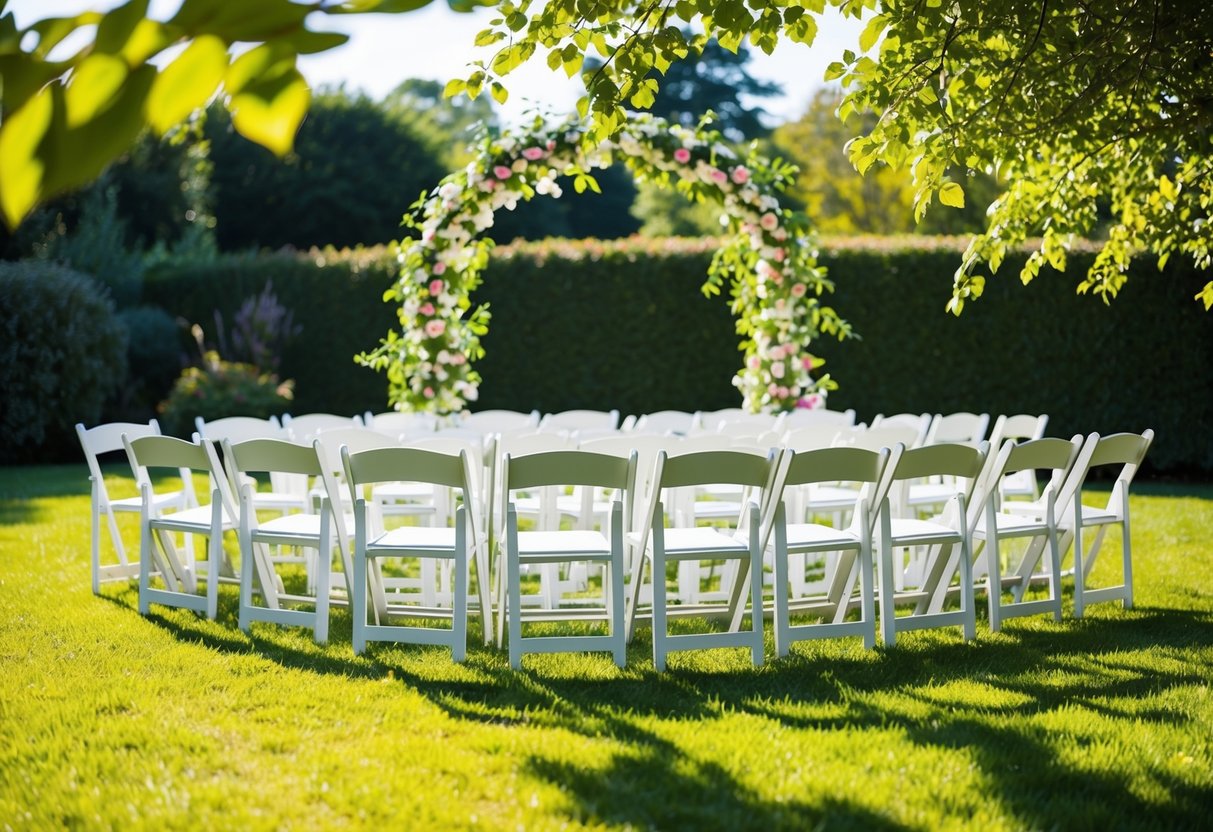
Having a solid rehearsal is key for a smooth wedding day. This time lets you practice important ceremony parts and ensures everyone knows their roles and timing.
Running Through the Ceremony
During the rehearsal, you will run through the entire ceremony. This includes going over key ceremony elements like vows, readings, and music cues.
Start by gathering everyone involved, from the officiant to the wedding party. Make sure to walk through each part in order. This helps everyone see where they should be.
Keep things moving to stay on schedule, aiming for around 30 to 45 minutes for the rehearsal. Don’t rush, though; it’s important to make everyone feel comfortable.
Perfecting the Processional and Recessional
The processional and recessional are significant moments that set the tone for your wedding. Use this time to practice the order in which your wedding party will enter and exit.
Make sure each person knows when to walk. Discuss the processional order clearly, so everyone understands their position. You want it to feel natural and well-timed.
For the recessional, practice how you want to exit together. Decide on any special moments, like a kiss or a wave, as you leave. This sets a joyful mood as you exit with your partner.
Last-Minute Tips and Reminders
Before the rehearsal ends, make sure you review key points. Consider having a wedding rehearsal checklist to keep things organized.
Remind everyone to wear comfortable shoes, especially if they’ll be walking on grass or uneven ground.
Also, encourage your wedding party to ask questions. Addressing concerns now can save you stress on the big day. Don’t forget to give everyone their roles, so they feel confident and ready.