
When Should Wedding Invitations Be Mailed Out? Your Guide to Timing for a Perfect Celebration
Knowing when to mail out your wedding invitations is crucial for a smooth planning process. You should send your official wedding invitations 6-8 weeks before your wedding date. This timeline gives your guests enough time to RSVP and make their travel plans.
If you want to be extra considerate, it’s wise to send save-the-dates around 4-6 months ahead of the wedding. This is especially helpful for guests who may need to arrange for time off work or book travel. Since the average engagement length is about 16 months, planning your invitation timeline can help avoid any last-minute stress.
Wedding etiquette suggests that early communication ensures everyone can attend your special day. Knowing these key timelines allows you to focus on celebrating your love while your guests prepare to join you.
Determining the Timeline for Mailing Invitations
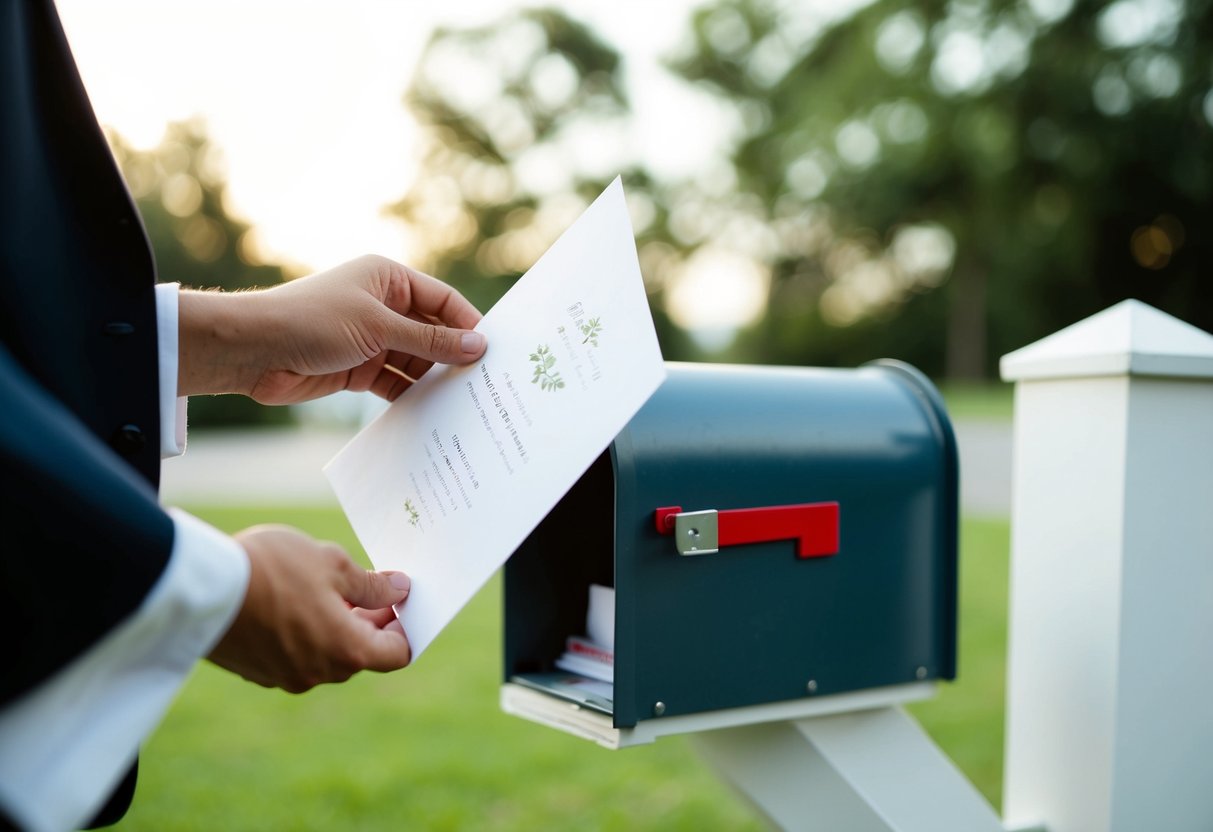
Choosing the right time to mail your wedding invitations is crucial. It helps ensure your guests have enough notice to make their plans. There are some traditional timelines and specific factors that can affect your decision.
Traditional Timeline and Etiquette
Typically, the best time to send wedding invitations is about 6 to 8 weeks before your wedding day. This gives guests ample time to RSVP. If you are having a destination wedding, consider sending invitations earlier, between 3 to 4 months in advance. This allows out-of-town guests to arrange travel and accommodations.
Before your wedding invitations, don’t forget save-the-date cards. These should generally go out 6 to 12 months prior. If you’re also having an engagement party, those invitations can be sent out earlier, about 1-2 months in advance. Lastly, for events like a rehearsal dinner, invitations should be sent 2-3 weeks prior, just to keep everything smooth and organized.
Factors Affecting Invitation Timing
Several factors can influence when you should send your invitations. The first is your guest list. If your guest list includes many out-of-town attendees, mailing invitations earlier is wise. This will help them make travel arrangements and increase the chances of a higher RSVP rate.
The season can also impact your timeline. For weddings during popular holidays, aim to send invitations even earlier due to busy schedules. Additionally, if you’re planning any special activities or events leading up to the wedding, consider those when determining your invitation timeline.
Designing the Perfect Wedding Invitation Suite
Creating a wedding invitation suite is a fun and important part of your wedding planning. It sets the tone for your event and informs your guests about what to expect. Let’s dive into the key aspects of designing your perfect suite.
Choosing the Invitation Design
When selecting your invitation design, start with your wedding theme. Are you going for a classic, modern, rustic, or beachy vibe? Your invitations should reflect this style. Think about color, font, and images that match the atmosphere you want to create.
Consider using bold colors or pastel tones depending on your season. For fonts, choose one that is easy to read but also stylish. Don’t forget to include essential information. The date, time, and location should be clear. Incorporating a personal touch, like a favorite quote or motif, makes your invitation unique.
Assembling the Suite Components
Your wedding invitation suite typically includes more than just the main invite. Include save the dates, RSVP cards, and additional details about your wedding day. Each component adds a layer of information for your guests.
When assembling your suite, use a cohesive design. Everything from the envelope to the RSVP card should feel like part of one package. Make sure to proofread all the details carefully. Mistakes can be an eyesore and might confuse your guests. Ordering extra invites is also smart, so you have a few on hand in case of mistakes.
Electronic Versus Paper Invitations
Deciding between digital invites and paper ones can be tricky. Digital invites are eco-friendly and can be sent quickly. They allow for easy tracking of RSVPs too.
On the other hand, paper invitations give a tangible feel. They can be more elegant and memorable. You can use unique embellishments and textures, like foil or embossing, to make them stand out.
Think about your guest list and their preferences. Some may appreciate the convenience of digital, while others might prefer traditional paper invites. Your choice should align with the style of your wedding and your vision.
Managing RSVPs and Guest Considerations
When planning your wedding, managing RSVPs and considering your guests’ needs are essential. You want to ensure everyone feels welcomed and prepared for your big day. This section covers how to set deadlines, accommodate out-of-town guests, and integrate your wedding website for increased convenience.
Setting the RSVP Deadline
Setting a clear RSVP deadline is important for your planning. Aim to request RSVPs at least 2-4 weeks before your wedding. This timeframe allows you to finalize the guest list and make necessary arrangements, like seating and catering.
Include the RSVP date on your invitation alongside other details. You can also mention it on your save-the-date cards for added notice. Make it easy for guests to respond with options like a phone number or email address.
Handling Out-of-Town and International Guests
If you have out-of-town or international guests, consider these individuals in your planning. Send invitations earlier, ideally around 3 months before your wedding. This allows them time to make travel arrangements and book accommodations.
To help, include travel tips or links to local hotels in your invitations. You might also consider reserving a block of hotel rooms to simplify the booking process for your guests. This way, they can stay close, making their experience smoother and more enjoyable.
Integrating the Wedding Website
Your wedding website is a great tool for managing guest information. You can include all the details about your wedding, from the schedule to the venue. Make sure to have a dedicated RSVP section where guests can respond in one click.
Also, adding tabs for accommodations and travel arrangements can ease the planning for out-of-town guests. You might list recommended hotels and local attractions to help them make the most of their visit. By making your website user-friendly, you encourage more timely responses and ensure all guests have the information they need.
Finalizing Details Before the Wedding Day
As you get closer to your wedding day, it’s important to finalize key details that will help everything run smoothly. This includes organizing seating arrangements and planning for any last communication with your guests.
Seating Arrangements and Venue Planning
Creating a seating chart is one of the most important tasks before your special day. You want to make sure everyone is comfortable and enjoys the day. Consider using your guest list to group people who know each other.
When planning, keep your wedding venue layout in mind. The size and shape of tables can impact how you place guests. Make adjustments if needed to accommodate any last-minute changes.
It’s a good idea to consult with your wedding planner about any venue-specific concerns. This way, you can ensure that all details align with your vision.
Sending Thank-You Notes and Final Reminders
As your wedding day approaches, you should think about sending out thank-you notes for gifts and support you’ve received. This is not just etiquette; it shows appreciation to your loved ones.
You should also communicate final details with your guests. Consider sending a friendly reminder about the wedding date. Include any important specifics like timing and dress codes.
If you’re using a formal invitation, make sure it has all the relevant details. An etiquette expert can help if you’re unsure about what to include. Keep all communication warm and upbeat to match the excitement of the occasion.