
When Should You Make Your Wedding Guest List? Tips for Planning the Perfect Celebration
Creating your wedding guest list is a key part of wedding planning that shouldn’t be overlooked. You should start making your wedding guest list as soon as you set a date and secure a venue. This way, you can determine how many people can be accommodated and who should be on your invite list for the celebration.

It’s important to think about your key relationships and the people who matter most to you. Starting early allows you to be thoughtful about who to invite and helps avoid last-minute stress.
Keeping the list updated as you make decisions will also make your planning process smoother.
As you go through this process, remember that your guest list sets the tone for your entire celebration. Paying attention to this step can lead to a much more enjoyable and meaningful wedding day.
Determining Your Wedding Guest List Size
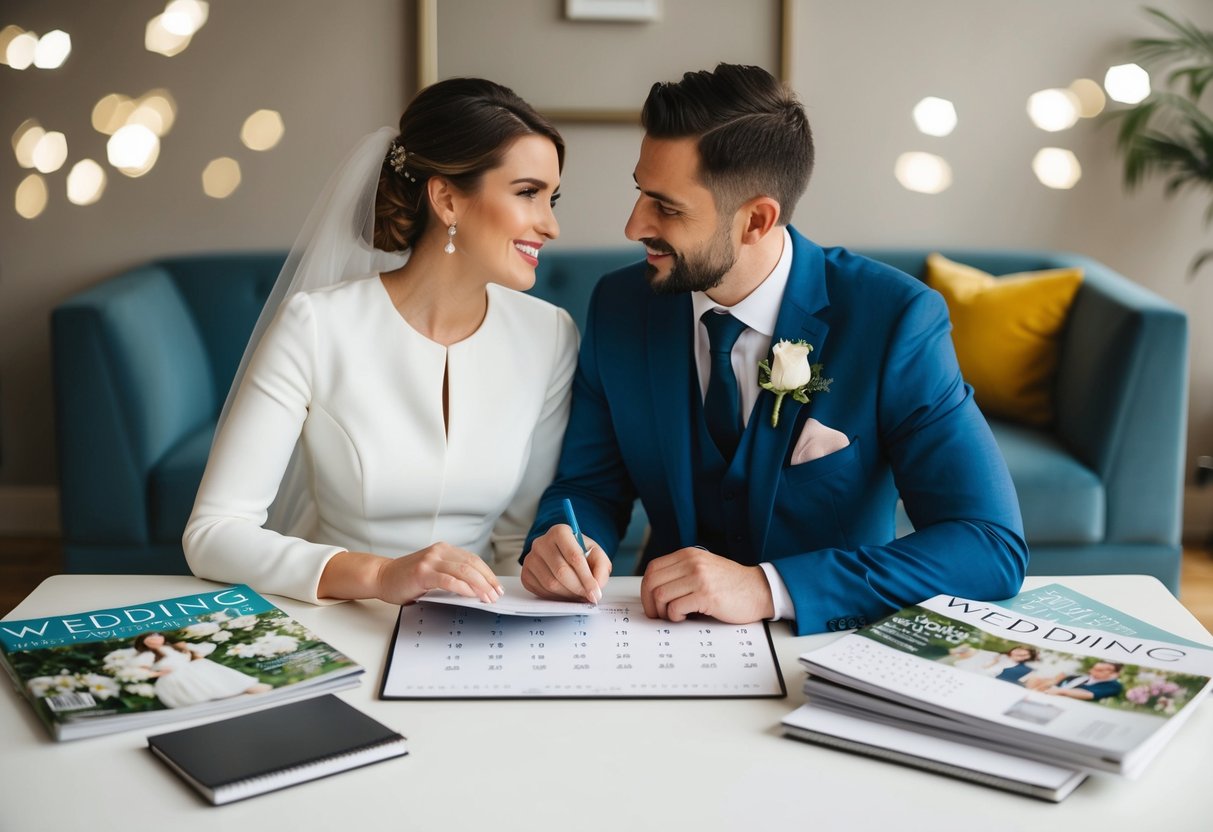
Creating a wedding guest list can feel overwhelming, but focusing on your budget and venue capacity can help simplify the process. Understanding these factors will guide you toward making the right choices for your special day.
Assessing Your Budget
Your budget plays a significant role in deciding how many guests you can invite. First, consider the total amount you are willing to spend. This will affect not just the venue costs but also food, drinks, and other expenses.
Think about the average cost per guest. For example, if your budget allows for $150 per guest and you have a total budget of $15,000, you can invite about 100 guests. Make a list of essential people to include, like closest family and friends.
Also, be aware of hidden costs, such as extra charges for larger groups. This will help you keep your guest count realistic.
Considering Venue Capacity
The size of your venue is crucial in determining guest count. Each venue has a maximum capacity that must be respected for safety and comfort.
Research different venues and their specific limits. Many places can accommodate both small and larger gatherings.
When you visit potential wedding venues, ask about their capacity, including any restrictions based on layout or seating arrangements.
Also, consider your wedding style. An intimate ceremony may feel cramped in a large space, while a grand ballroom might feel empty with too few guests. Align your guest list size with the venue to ensure the day feels just right.
Categorizing Your Guest List
Creating a guest list requires careful thought. By categorizing your guests, you’ll ensure that your special day feels right for you and your partner. Organizing your list into specific groups helps manage the number of people and maintain meaningful connections.
Prioritizing Immediate and Extended Family
Start with your immediate family. These are the people who have been there every step of the way, like parents and siblings. Their support matters greatly, so they should be at the top of your list.
Next, consider your extended family. Include grandparents, aunts, uncles, and cousins who play important roles in your life.
While you want to invite those you’re close to, be mindful not to feel obligated to invite distant relatives. It’s okay to set boundaries here for your intimate gathering.
Deciding on Friends and Colleagues
When it comes to friends, think about those who have had a significant impact on your life. Focus on close friends who share meaningful connections with you.
It’s a good idea to avoid inviting acquaintances or friends you rarely see, as this can stretch your guest list unnecessarily.
For colleagues, choose those who have supported you or whom you work closely with. If you have friendly connections at work, consider extending an invitation. However, don’t feel pressure to invite everyone from your workplace; keep it to those who matter most to you.
Managing Plus-Ones and Children
Plus-ones can be a tricky aspect. If your guests are in serious relationships, it’s nice to let them bring their partner. However, be clear on who qualifies for a plus-one to keep the list manageable.
When it comes to children, decide early on if you want to invite them or not.
If your family and friends have kids who are meaningful to you, include them. If you prefer an adult-only ceremony, kindly state that in your invitations.
Balancing these choices helps create the right atmosphere for your celebration.
Timing and Communication

Planning your wedding guest list involves careful timing and clear communication. It’s important to keep your guests informed while ensuring you stick to deadlines for save-the-dates and invitations.
Sending Save the Dates and Invitations
Once you have a finalized guest list, it’s time to send out your save-the-dates. Aim to send these about 6 to 8 months before your wedding date, especially if it’s a destination wedding. This gives your guests ample time to plan.
When sending invitations, do so 8 to 12 weeks before the wedding. Keep in mind that some guests may need to make travel arrangements.
Make your invitations clear about your wedding date and location. Including an RSVP card or link will help track responses easily.
Tracking RSVPs and Confirming Final Counts
After sending invitations, tracking RSVPs is essential. Set a deadline for responses, typically 2 to 4 weeks before the wedding date. This allows adequate time to confirm your final guest count with the venue and caterer.
You can keep a spreadsheet to monitor who has replied.
Follow up with guests who haven’t responded a week after the RSVP deadline. This proactive approach ensures you have an accurate final count, which is crucial for seating arrangements and catering.
Special Considerations
When planning your wedding guest list, special circumstances can affect your decisions. Consider how a destination wedding, a desire for a small celebration, and guest list etiquette play key roles in your choices.
Planning a Destination Wedding
Planning a destination wedding requires thoughtful guest list management. Since travel can be a factor, send out save-the-dates as early as possible. This gives your guests time to plan.
Think about potential hotel accommodations and travel options. If your guests struggle with costs, be ready to adjust your list accordingly. You might prioritize close family and friends.
Remember to include essential details in your invitations, like travel information and event timelines.
Opting for Intimacy: Elope or Smaller Celebrations
If you choose to elope or host a smaller wedding, your guest list will reflect that intimacy. Determine how many people really matter to you at this moment. You might decide to include only your closest family and friends.
In smaller gatherings, every guest might play a significant role. This allows for personalized experiences. If you still want to celebrate with others, consider a casual gathering later, like a rehearsal dinner or a post-wedding party.
Understanding Guest List Etiquette
Navigating wedding guest list etiquette helps ensure that your special day is smooth. Start by deciding if you will offer plus-ones. Guests in serious relationships generally appreciate this option. Remember, if you invite one partner, you should invite the other, even if you don’t know them well.
Additionally, be mindful of your “B-list” guests. These are people you want to invite if others can’t attend.
Lastly, use full names when sending invitations to avoid confusion. It’s a simple act that shows respect and helps with proper seating arrangements. Keep the list organized and review it regularly as you finalize your plans.