
Where Do Bridesmaids Sit at a Wedding Ceremony in the UK? A Guide to Seating Arrangements
When planning a UK wedding, you might wonder about the role of bridesmaids during the ceremony. In the UK, bridesmaids traditionally sit during the ceremony. They usually sit in the front row alongside the bride’s family. This choice contrasts with American customs, where bridesmaids typically stand beside the bride throughout the service.
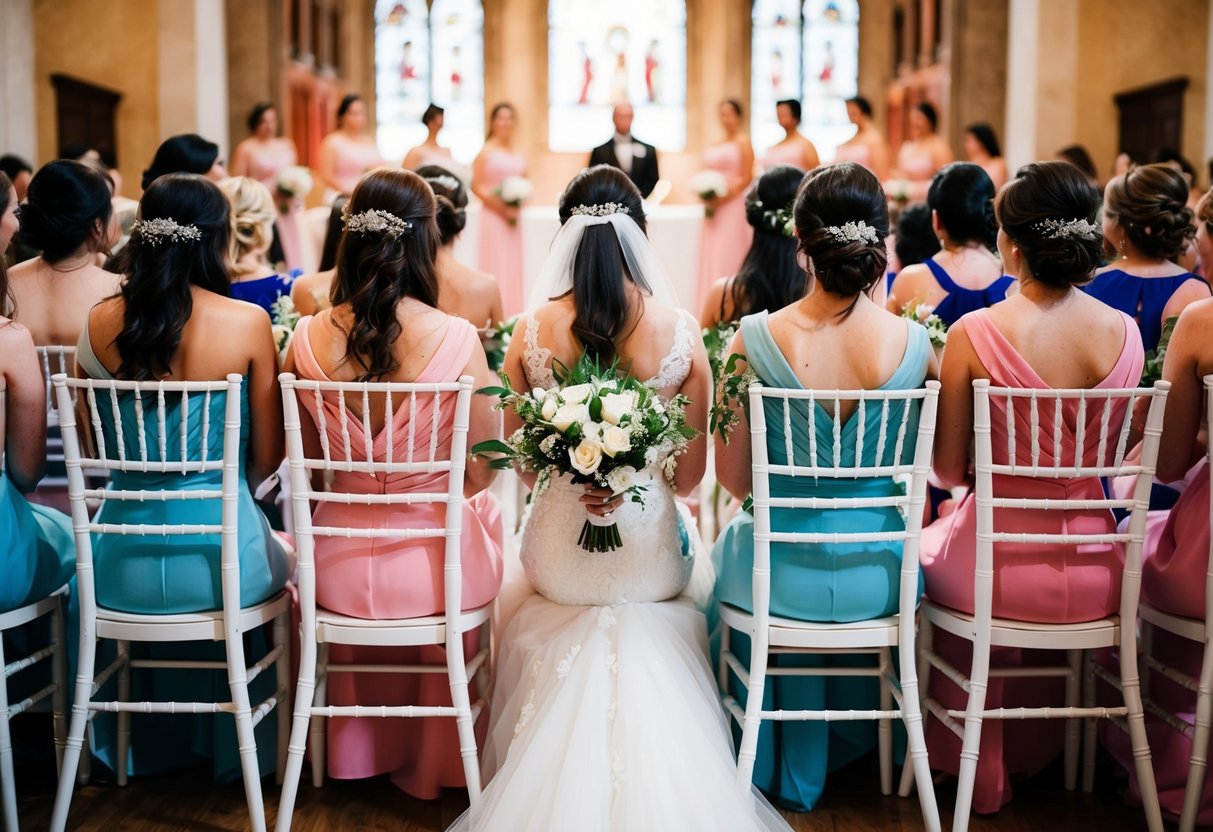
Understanding this tradition can help you shape the perfect ceremony that reflects your style. The seating arrangement not only highlights the importance of the bridal party but also keeps the focus on the couple as they exchange vows. As you think about your wedding day, consider how the placement of your bridesmaids can enhance the atmosphere of your ceremony.
The Role of the Bridesmaids and Groomsmen
Bridesmaids and groomsmen play important roles in your wedding. They provide support, assist with planning, and help make your day special. Let’s explore their specific responsibilities and how they contribute to the celebration.
Responsibilities of the Bridesmaids
Bridesmaids are there to support you emotionally and help with wedding planning. They join you during dress fittings, assist in organizing bridal showers, and help with various tasks leading up to the wedding.
On the big day, they help you get ready, ensuring everything runs smoothly. They may also help manage your bouquet during the ceremony and ensure you feel calm and relaxed.
Bridesmaids wear matching dresses, which symbolize your bond with them. Having friends by your side creates a joyful atmosphere that adds to the celebratory mood.
Duties of the Groomsmen
Groomsmen have key tasks that are crucial for the groom. They assist with planning the bachelor party and help coordinate logistics on the wedding day.
Groomsmen stand by the groom during the ceremony, offering support and encouragement. They may also help with tasks such as making sure the rings are safe and handling any last-minute issues that arise.
In addition to their duties, groomsmen also play an essential role in creating a fun and relaxed environment. They are there to celebrate and ensure the groom is at ease.
The Maid of Honour and Best Man
The Maid of Honour and Best Man hold special statuses within the bridal party. The Maid of Honour helps coordinate the bridesmaids, ensures everyone is ready, and attends to you throughout the day.
The Best Man has similar responsibilities for the groomsmen. He helps the groom stay organized, prepares for the reception speech, and may play a key role in managing any unexpected situations.
Both roles involve deep emotional support as well. They are often your closest friends or family members, ready to stand by you during this important time. Their commitment to your happiness makes your wedding day even more memorable.
Wedding Ceremony Structure
Understanding the wedding ceremony structure can help you plan your special day. The order of events and seating arrangements are key elements to consider for a smooth and meaningful ceremony.
The Processional Order
The processional order is how everyone walks down the aisle at the start of the ceremony. Typically, it begins with the ushers, followed by the flower girl and page boys.
Next, the mother of the bride walks down, often escorted by her son. The spotlight then shifts to the bride, who traditionally walks in last, usually with her father. The officiant awaits at the altar.
It’s essential to communicate this order with your wedding party beforehand. This ensures that everyone knows their role and timing, helping make the processional smooth and joyful.
Seating Arrangements at the Ceremony
Seating arrangements are important for creating a welcoming atmosphere during the ceremony. In the UK, bridesmaids usually sit in the front row on the left side if they are seated.
For assigned seating, it’s considerate to plan for divorced parents. You might seat them on opposite sides to avoid discomfort.
For a non-religious wedding ceremony, the seating can be more flexible. You can opt for a circle or intimate arrangement around the altar, promoting a communal feel.
Assigning seats also applies to guests, ensuring they sit where they feel most comfortable.
Cultural and Religious Variations
Cultural and religious traditions can greatly influence your ceremony structure. For example, in Christian weddings, bridesmaids usually stand beside the couple throughout the ceremony, providing support.
In contrast, during Jewish weddings, the bridesmaids may also stand, but the ceremony often includes a chuppah, under which the couple stands.
These cultural elements add layers of meaning to the event. Understanding these differences can help you decide what aligns best with your beliefs and preferences for your big day.
Dressing for the Occasion
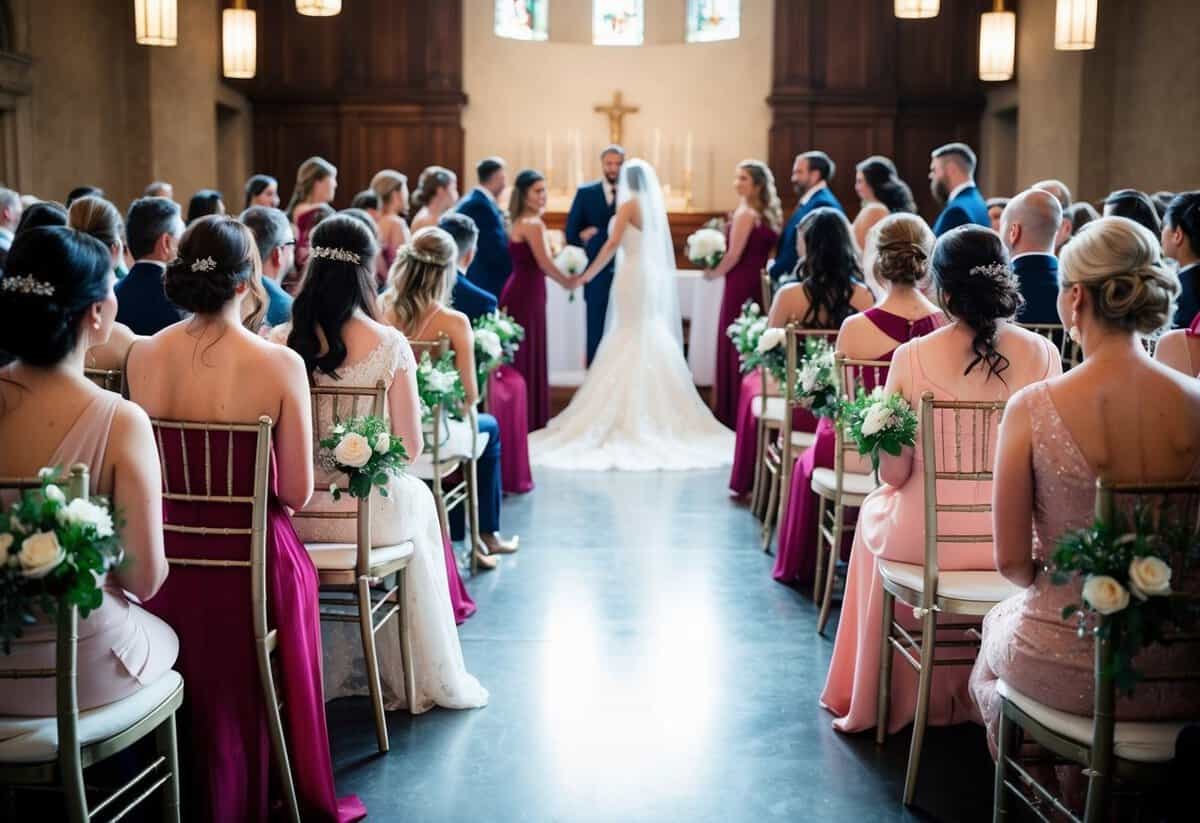
Choosing the right outfits for your bridal party is essential for creating the perfect wedding atmosphere. The attire should reflect your wedding style and be comfortable for everyone involved. Let’s explore the important aspects of selecting bridesmaids dresses and groomsmen attire.
Selecting Bridesmaids Dresses
When it comes to bridesmaid dresses, consider the overall theme of your wedding. Think about colors that complement your bouquet and venue. You can opt for matching dresses or different styles within the same color range.
Don’t forget about comfort! Look for affordable bridesmaid dresses that allow your friends to enjoy the day without fuss. Fabrics like chiffon or satin can be both stylish and comfortable.
Also, take into account each bridesmaid’s body type and personal style. Give them a little say in the selection process to ensure they feel confident and beautiful.
Groomsmen Attire
For groomsmen, coordinating their attire with the bridesmaids is crucial. Decide whether you want them in traditional suits or something more casual, depending on your wedding style.
Classic colors like navy, gray, or black are always safe bets. If you’re going for a more relaxed vibe, consider lighter shades or patterned shirts.
Make sure to choose attire that fits well. Comfortable groomsmen can help keep the mood light throughout the ceremony. Don’t forget about accessories like ties or pocket squares that can tie the whole look together beautifully!
Reception and Post-Ceremony Festivities
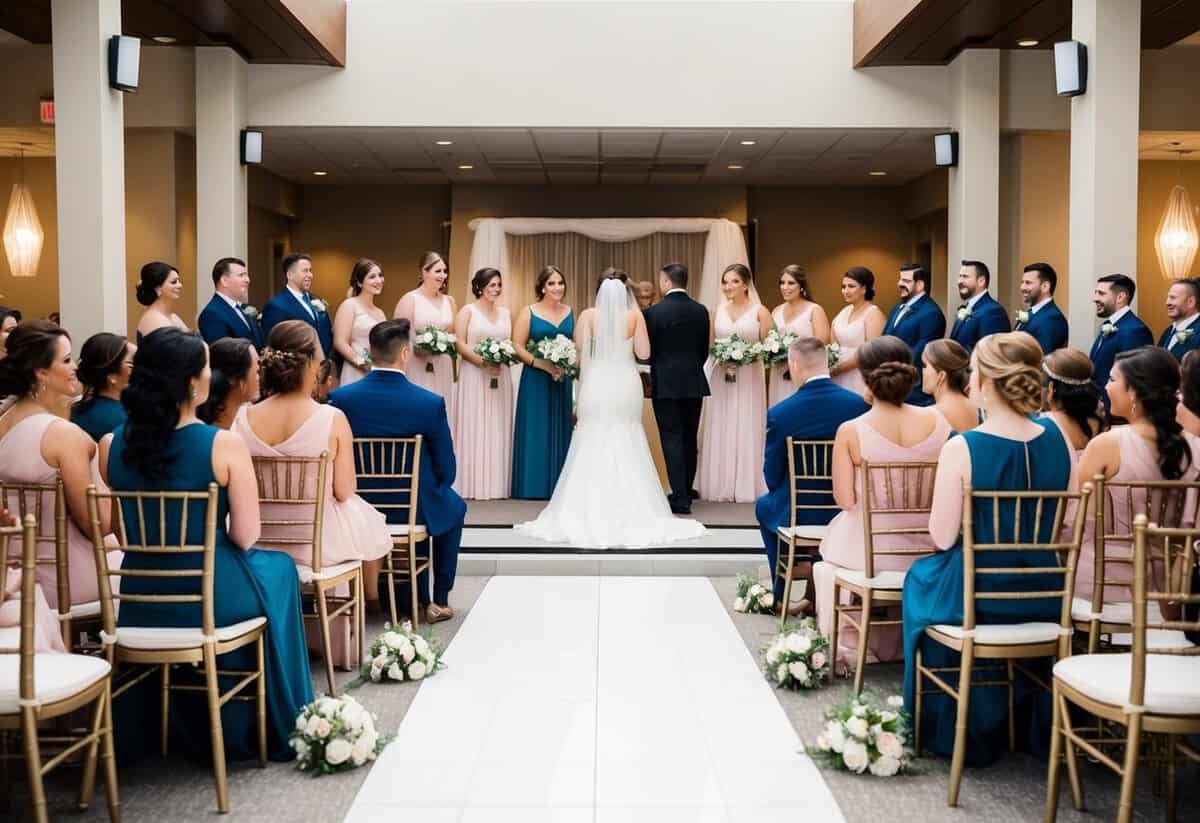
After the wedding ceremony, the reception is where the celebration truly begins. This is a special time for the newlyweds and their guests to enjoy food, drinks, and heartfelt moments together. Key elements include the grand entrance, seating arrangements, and traditional speeches.
The Grand Entrance
The grand entrance marks the start of the reception. It’s your moment to shine as a couple. Traditionally, the bride and groom enter together, often after the wedding party.
You might choose to have music play that reflects your personality. Some couples also include fun dance moves or special elements like confetti or sparklers. This sets a lively tone for the celebration and gets everyone excited for the evening ahead.
Seating at the Reception
Creating an effective seating arrangement is vital for enjoying your wedding reception. Typically, the bride and groom will sit at the head table, also called the top table. This table is often set apart from the guests and features the wedding party.
In the UK, it’s common for the table to include parents and close family. Consider your guests’ relationships and dynamics while planning this. You can use place cards to guide guests to their seats, helping everyone feel included and comfortable.
Speeches and Traditional Moments
Speeches are an essential part of the wedding reception. They usually include heartfelt toasts and fun stories about the couple. The best man, maid of honor, and sometimes family members will often speak.
Traditionally, the groom’s father speaks first, welcoming guests. You’ll want to keep speeches light and positive to maintain the joyful atmosphere. Encourage your speakers to practice beforehand. This helps keep their speeches concise and engaging, creating memorable moments and fostering connections among everyone present.