
Where Do I Start Organising My Wedding? A Step-by-Step Guide for New Couples
Planning your wedding can feel overwhelming, but starting with a clear plan can make the process enjoyable. Begin by outlining a basic wedding planning guide that includes your vision, budget, and guest list. This will help you set the tone for your big day and keep everything organized.

Consider how long it typically takes to plan a wedding. Most couples find that a year gives them ample time to book vendors and finalize details. This timeline can also help you prioritize tasks and ensure you don’t miss any important steps along the way.
As you navigate your planning journey, remember to communicate openly with your partner and make decisions together. This will not only strengthen your relationship but also help create a wedding that reflects both of your styles and preferences.
Setting the Foundations
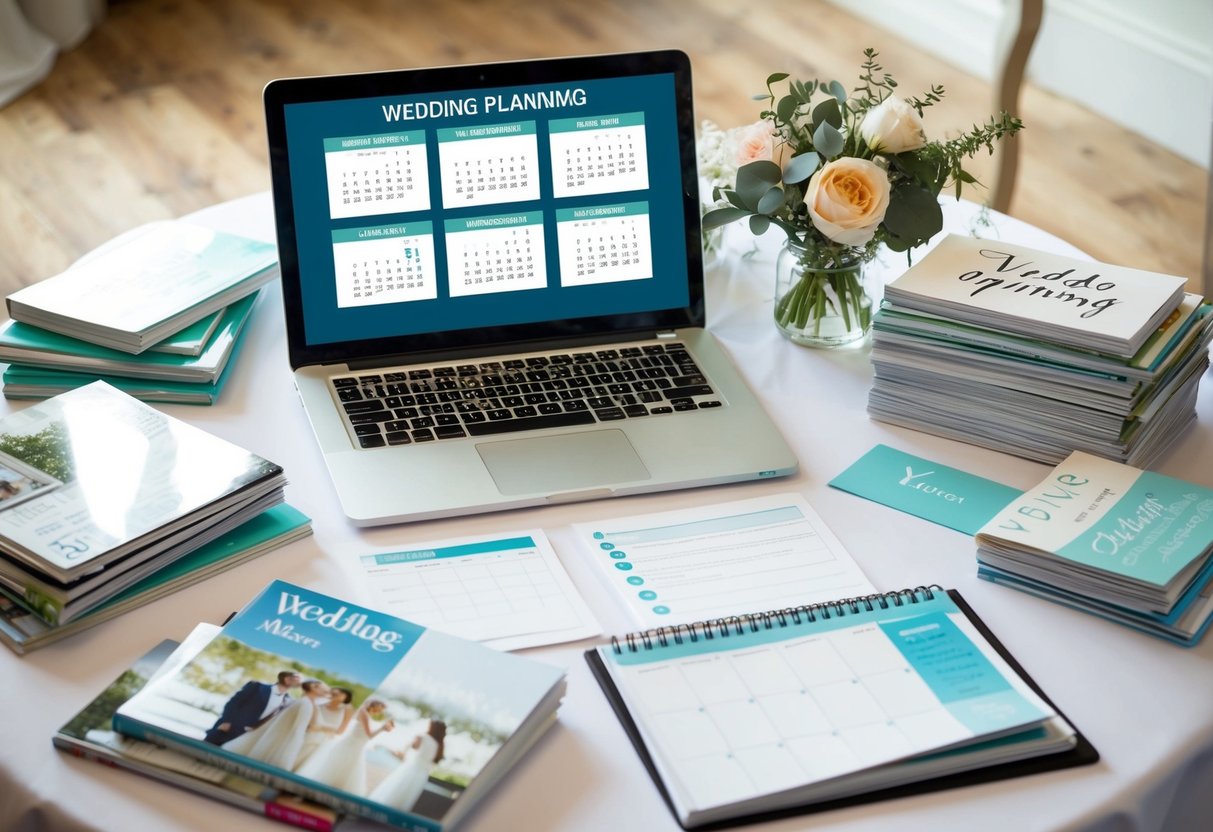
Starting your wedding planning can feel like a big task, but laying a strong foundation makes the process smoother. Focus on key elements like choosing your wedding date, setting a budget, envisioning your style, and creating your guest list. These steps will guide you on your journey to your dream wedding.
Choosing Your Wedding Date
The first step in your wedding planning is to pick the perfect date. Think about what season resonates with you and your soon-to-be spouse. Do you imagine a spring wedding with blooming flowers or a cozy winter celebration?
Consider important dates such as your engagement anniversary or family birthdays. Check your calendar for any holidays that might affect availability. Ask family and close friends when they can attend too.
Once you have a few options, visit your dream venue‘s website or contact them for availability. Choosing a date early allows you to move forward confidently. Remember, flexibility helps if your first choice isn’t available.
Determining Your Wedding Budget
Next, it’s time to tackle your wedding budget. It’s important to be realistic about how much you can spend. Start by discussing your budget with your partner and any family members who may contribute.
Make a list of the essential elements, like the venue, food, and dress. Prioritize these items in order of importance. This way, you can allocate your funds where they matter most.
Consider a budget breakdown. For example, you might allocate:
- Venue: 40%
- Catering: 30%
- Attire: 10%
- Decor: 10%
- Miscellaneous: 10%
This strategy helps guide your spending and keeps you on track.
Envisioning Your Wedding Style and Theme
Now it’s time for some fun—creating your wedding vision! Think about what style or theme reflects both of your personalities. Do you picture rustic and cozy, or modern and sleek?
Selecting a color palette is a fantastic way to start. Choose colors that make you and your partner happy. These colors will influence everything, from the flowers to the table settings.
Consider creating a mood board online or on paper. Collect images that inspire you and encapsulate your dream wedding. This visual representation helps you communicate your vision to vendors, making your dream venue a reality.
Creating Your Guest List
With your date, budget, and theme in place, it’s time to create your guest list. Start by listing everyone you want to invite. Consider family, friends, and significant others.
Categorizing your guests makes things easier. Divide them into groups such as:
- Must-Haves: Immediate family and closest friends.
- Would-Like to Invite: Extended family and friends.
- Just in Case: Work colleagues or distant acquaintances.
Keep your budget in mind while finalizing your list. More guests mean higher costs, which may affect other areas of your wedding planning. Prioritize those who truly matter, and don’t hesitate to discuss it with your partner.
Getting Organized

Getting organized is key to a smooth wedding planning process. You’ll want to keep track of your tasks, choose the right venue, create a wedding website, and hire essential vendors. Here’s how to get started on each aspect.
The Wedding Planning Checklist
Creating a wedding planning checklist is a great first step. This list will help you keep everything in order. Start by breaking down your tasks into categories. Here’s a simple outline:
- Budget: Set your budget early to avoid surprises.
- Guest List: Make a list of everyone you want to invite.
- Timeline: Set dates for tasks like booking vendors and sending invitations.
Keep this checklist handy. Regularly update it as you complete tasks. This way, you will always know what’s next on your list. Utilizing a tool or app can make managing your checklist even easier.
Selecting Your Dream Venue
Choosing the perfect wedding venue can be exciting but also overwhelming. Start by deciding on a style. Do you want something rustic, elegant, or modern?
Consider the following factors:
- Capacity: Make sure the venue fits your guest list comfortably.
- Location: Think about where your guests will come from. A convenient location can be a big plus.
- Availability: Ensure the venue is available on your preferred date.
If possible, visit multiple venues to compare them. Take notes on what you like and dislike. This will help you make the best choice for your special day.
Building Your Wedding Website
A wedding website is a fantastic way to keep your guests informed. It can contain essential details like venue information, dates, and gift registries. Start with a user-friendly platform that allows easy customization.
Include sections like:
- Event Details: Provide all necessary information about the ceremony and reception.
- RSVP Option: Allow guests to confirm their attendance online.
- Registry Links: Share where guests can find your gift registry.
Make the design reflect your wedding theme. This adds a personal touch and helps guests feel more connected to your celebration.
Hiring Essential Vendors
Hiring the right vendors is crucial for a successful wedding. Each vendor plays a specific role in making your day memorable. Start by prioritizing which vendors you need first.
Important vendors often include:
- Caterer: Research caterers that fit your budget and cuisine preferences.
- Photographer: Look for someone whose style matches your vision.
- Wedding Planner: If you need help, consider hiring a wedding planner to coordinate logistics.
Don’t forget to read reviews and ask for recommendations. After narrowing down your options, schedule meetings to discuss your vision. This ensures everyone is on the same page and ready to bring your dream to life.
Detailing the Day

Planning your wedding requires careful attention to detail. You will need to think about your invitations, attire, the ceremony, and the timeline. Each choice matters in creating your perfect day.
Designing Invitations and Stationery
Start by crafting your wedding invitations. These pieces set the tone for your big day. Choose a style that reflects your theme, whether it’s elegant, rustic, or modern.
Include essential details like the date, time, and venue. Consider using save the date cards if your wedding is far away. Don’t forget to add RSVP details to help plan your guest list.
For stationery, think about matching items like programs, menus, and thank-you cards. Consistency in design ties everything together and adds a polished touch.
Choosing Wedding Attire and Accessories
Selecting your wedding attire is one of the most exciting parts of the planning process. Begin with the wedding gown. Look for styles that enhance your figure and match your wedding theme.
Don’t forget about accessories like veils, shoes, and jewelry. They can elevate your look significantly.
For the groom, consider the style and color of the suit. Accessories, such as ties or cufflinks, should also reflect the overall style of the wedding.
Lastly, think about wedding rings. They are a symbol of your love and commitment. Choose bands that complement each other.
Planning the Ceremony and Reception
The heart of your wedding day is the ceremony and reception. First, define the type of ceremony you want—religious, civil, or symbolic. This decision affects the venue and officiant.
Consider the guest size when planning both parts. An intimate ceremony works well in smaller spaces, while a larger venue accommodates more guests for the reception.
Determine how you want to celebrate. Will you include personal vows, readings, or special music? For the reception, think about the style of dining: plated meals, buffets, or family-style service can all create different vibes.
Coordinating the Timeline of Events
Creating a clear wedding day timeline is crucial for a smooth experience. Start by listing key events: the ceremony, cocktail hour, dinner, and dancing.
Allocate time for each segment. For instance, allow 30 minutes to an hour for the ceremony and at least an hour for cocktails.
Communicate this timeline to all vendors involved, like the photographer and catering staff. A well-coordinated schedule ensures everything flows seamlessly.
Lastly, designate someone to help manage the timeline on the day. Having a trusted friend or family member can ease stress and keep everything on track.
Final Touches

As you approach your wedding day, it’s time to focus on the final details that will make your big day smooth and memorable. This involves handling legalities, guest accommodations, and preparations for events related to your wedding.
Securing Marriage License and Legalities
Start by checking the requirements for obtaining your marriage license in your state or country. Most places require both partners to be present when applying. Gather necessary documents like identification and proof of residency.
Don’t forget to consider wedding insurance. This can protect you against unforeseen events like cancellation or vendor issues. It’s an extra step that brings peace of mind, allowing you to enjoy your day without added stress.
Arranging Accommodations for Guests
It’s thoughtful to help your guests find comfortable places to stay. Contact local hotels to arrange room blocks at a discounted rate. This makes it easier for guests to book accommodations together.
Share information about the hotels on your wedding website or with your invites. Consider including a list of nearby attractions for those who may want to explore during their stay.
Preparing for Wedding Events
As your wedding day approaches, make sure to coordinate details for all events. These include engagement photos, rehearsal dinners, and the ceremony itself. Create a timeline to keep everything on track.
Communicate dress codes clearly to your bridal party and guests. Whether it’s casual or formal, everyone should know what to wear. This helps avoid confusion and ensures everyone looks their best.
Planning for these final touches helps create a seamless wedding experience. With thoughtful arrangements, you can focus more on enjoying your special day with loved ones.