
Where Do Parents and Grandparents Sit at Wedding? A Guide to Seating Arrangements
At weddings, seating arrangements can feel tricky, especially when figuring out where parents and grandparents should sit. Typically, the bride’s parents sit on the left side and the groom’s parents on the right during the ceremony. At the reception, they often have their own tables near the couple. This setup helps honor both families while making sure everyone feels included.
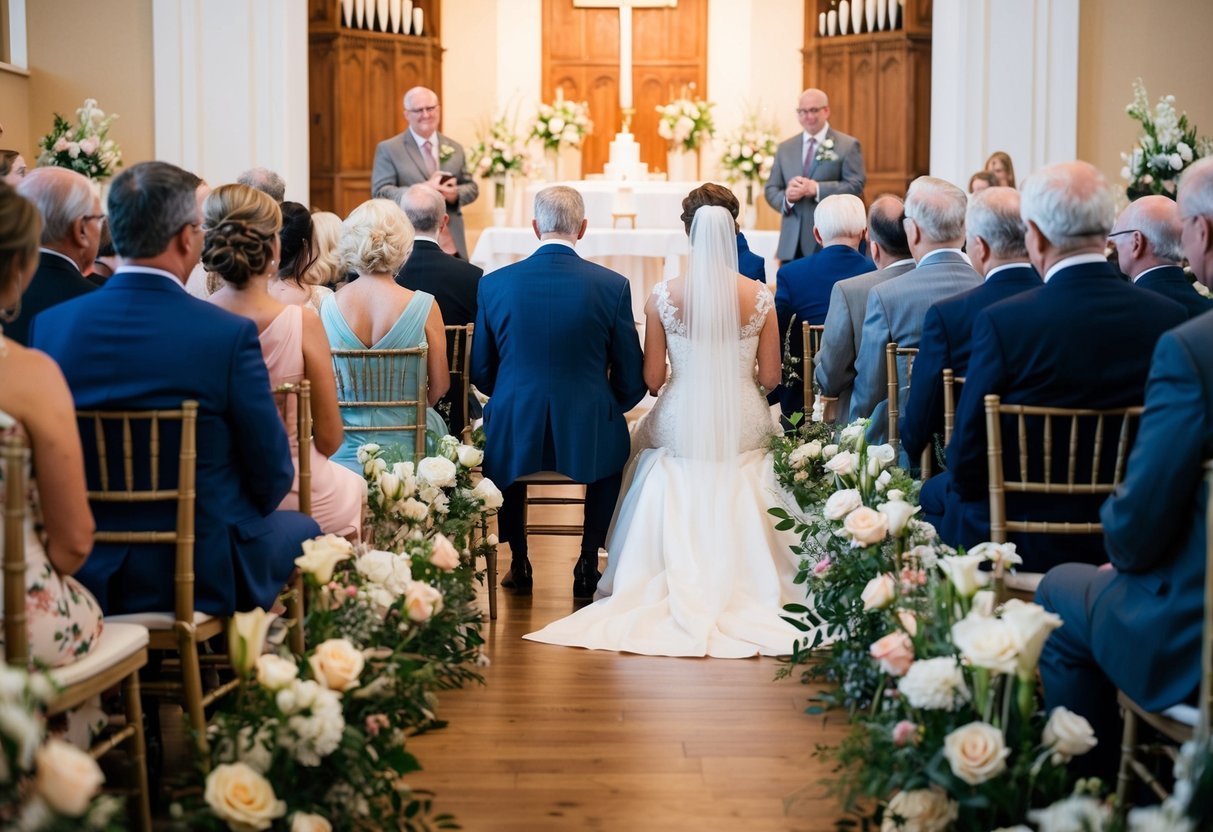
When it comes to grandparents, they usually take priority. They might be seated near the front during the ceremony, reflecting their important role in your life. Creating a thoughtful seating arrangement for your immediate family can really set a warm tone for the day, so consider merging tables for both sets of parents and grandparents if that feels right.
Balancing family dynamics can also be essential. If there are divorced parents, seating each parent at separate tables with their close family and friends is a good strategy. Thoughtful seating assignments keep everyone comfortable and create a joyful atmosphere for you and your loved ones.
Ceremony Seating Basics
When planning the seating for your wedding ceremony, you want to ensure that key family members, like parents and grandparents, are in the best spots. This section covers the processional order and essential elements for your seating chart.
Processional Order
The processional order is how everyone walks down the aisle at your wedding. Typically, this begins with the flower girl and ring bearer. After them, the bridesmaids and groomsmen follow.
Next, the maid of honor and best man make their way to the altar. Finally, the parents are seated. Usually, the bride’s parents sit on the left, while the groom’s parents sit on the right. This order helps create a clear flow during the ceremony.
Seating Chart Essentials
Creating a seating chart for your ceremony involves careful planning and etiquette. You’ll want to include immediate family members in front rows, ensuring they have the best views.
Parents should be your top priority. Traditionally, married parents are seated together. If divorced, you should seat them with consideration to the dynamics of your family. This can include different rows or sides, depending on comfort levels.
Including a seating plan can ease any confusion for your guests, making the ceremony flow smoothly. Don’t forget to customize the seating based on your guest list and their relationships.
Where Grandparents Sit
Seating grandparents at the wedding ceremony is an important part of the arrangement. Generally, grandparents are given special seating, ideally in the front row or close to the couple.
If both sets of grandparents are present, start by seating the groom’s grandparents first, followed by the bride’s. This ensures everyone feels included and honored. If space permits, you can seat grandparents near the parents for better visibility and comfort during the ceremony.
Making sure they are well positioned is a lovely way to acknowledge their importance on your special day.
Reception Seating Considerations
Planning the seating for a wedding reception is an important task. You want to make sure that parents, grandparents, and guests feel comfortable and included. Here’s how to arrange the seating effectively.
Head Table Layout
The head table is often the focal point of the reception. It typically includes the bride and groom alongside members of the bridal party. You might choose to have parents seated at this table as well, creating a warm and welcoming atmosphere.
To position everyone correctly, consider a long rectangular table or a semicircle. This layout allows for easy conversation and visibility for guests. Use place cards to eliminate confusion and ensure everyone knows where to sit.
Family and Honored Guests Table
Next to the head table, you can set up a family table. This table usually includes parents, grandparents, and other close relatives. Families should sit together to promote connection and foster conversation during the event.
Make sure grandparents have a comfortable spot, as this allows them to enjoy the celebration fully. You can place them at the family table or close to the head table. It’s important to make them feel included and honored during the reception.
Additional Seating Arrangements
For the rest of your guests, you can create a mix of tables. Consider having a singles table for unaccompanied guests. This gives them a chance to mingle and meet new people.
You can also use a round table layout for larger groups. This arrangement encourages conversation among guests, making the reception more enjoyable. Just be sure to plan your seating assignments carefully to avoid any awkward situations and to keep your guests happy.
Special Circumstances
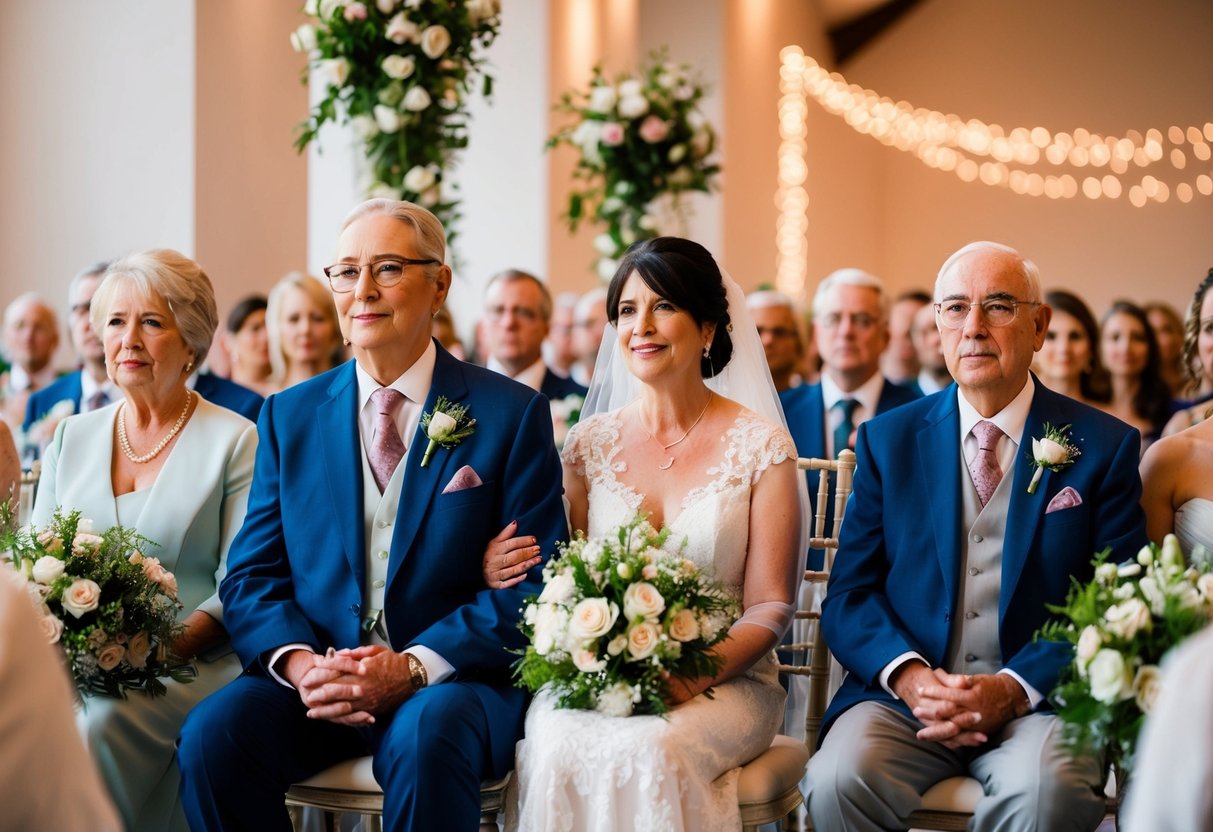
When planning seating for parents and grandparents at a wedding, special situations arise that require thoughtful consideration. Understanding how to handle these will ensure everyone feels comfortable and respected.
Seating Divorced Parents
Seating divorced parents can be tricky, but it’s important to navigate it with care. You might want to ask both parents how they feel about the arrangements. Aim to keep them comfortable while avoiding any tension.
Consider creating separate tables for each parent with their close family and friends. This allows for a supportive environment. You can place the tables within sight of each other but not right next to one another. This way, everyone can enjoy the festivities.
If either parent has a new partner, discuss where they would prefer to sit. Open communication can help make everyone feel included and reduce stress on your special day.
Seating with an Event Planner
Working with a wedding planner can simplify your seating arrangements. They have experience handling various situations, including seating divorced parents or managing complex family dynamics.
Provide your planner with details about your family structure. This includes who gets along and any special requests—like wanting to sit near or away from certain individuals.
They can offer solutions tailored to your needs. An event planner can create a seating chart that minimizes awkwardness while maximizing comfort. Your planner will assist in communicating to guests any specific seating etiquette, ensuring everyone knows where to go and feel welcomed.
Before the Big Day
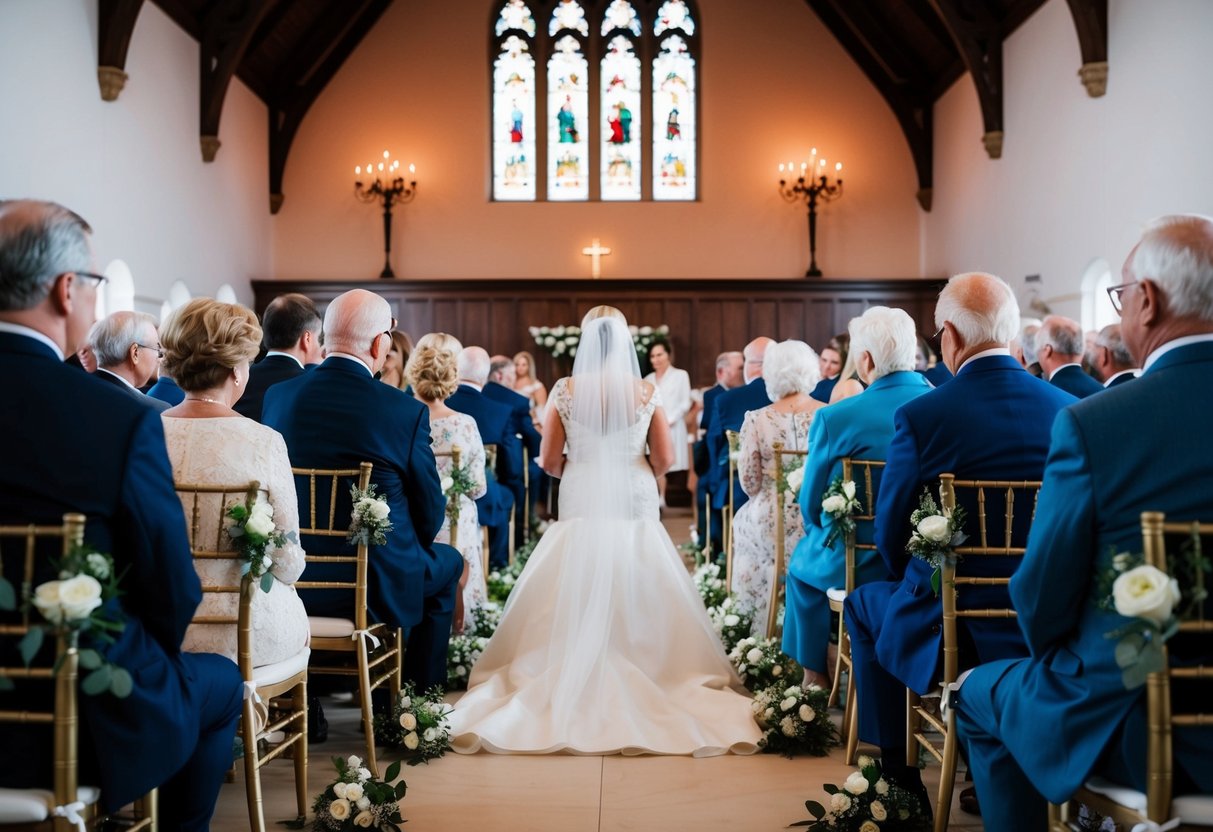
Planning your wedding involves careful thought, especially when it comes to seating arrangements. Knowing where parents and grandparents will sit can help ensure everyone feels included and comfortable during the celebrations. Here’s how to tackle this before the big day.
Rehearsal Dinner Planning
The rehearsal dinner is an important opportunity for family and friends to relax before the wedding. It’s typically held after the wedding rehearsal and allows for a chance to discuss seating arrangements.
Discuss with your wedding planner and officiant about how grandparents and parents should be seated during this event. Consider having them at a prominent table to honor their role in your lives.
This dinner can also be a great time to finalize who will be sitting where during the reception. Keep communication open to address any concerns or preferences.
Finalizing the Seating Plan
Creating a seating chart is a key step in your wedding planning. Start by listing your guests, making sure to include parents and grandparents prominently.
Organize people based on their relationships and comfort levels to avoid any awkwardness.
You can create a family table for parents and grandparents, ensuring they sit near the wedding couple. If space permits, you can even reserve adjacent tables for close family members.
Once your seating arrangements are set, share them with your wedding planner to help with logistics on the big day. This coordination can alleviate stress and keep everything organized as the celebration unfolds.