
Which Mother Walks Down the Aisle First? Understanding Wedding Traditions
When planning a wedding, many details come into play. One common question is about the order of the mothers in the processional. Traditionally, the groom’s mother walks down the aisle first, followed by the bride’s mother. This order is a meaningful way to honor both families during the wedding ceremony.
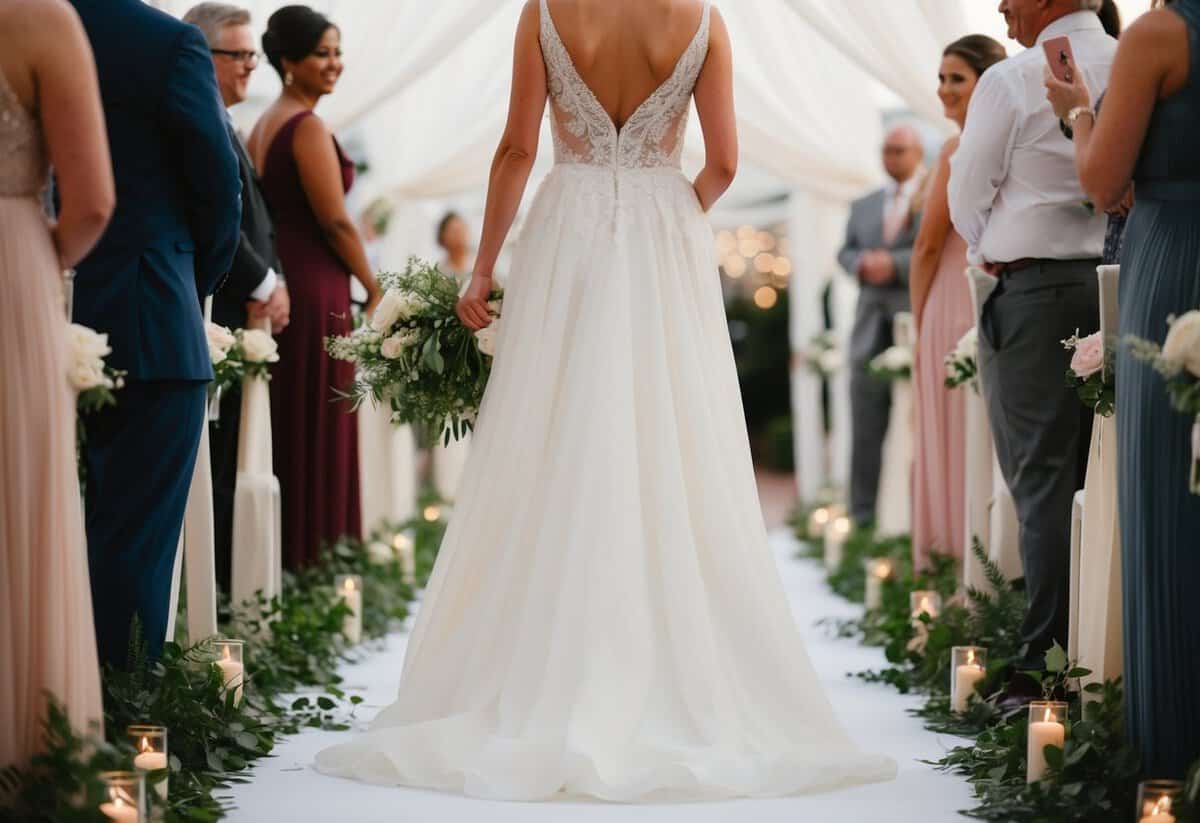
Understanding the ceremony order can help set the tone for the day. Whether you follow the traditional route or choose a modern wedding processional order, knowing who walks when makes preparations easier. Couples often find ways to personalize this important moment to reflect their unique story.
As you consider the wedding ceremony details, remember that this is your special day. Feel free to modify established norms to suit your preferences and make the moment memorable for everyone involved.
The Role of Family in the Procession
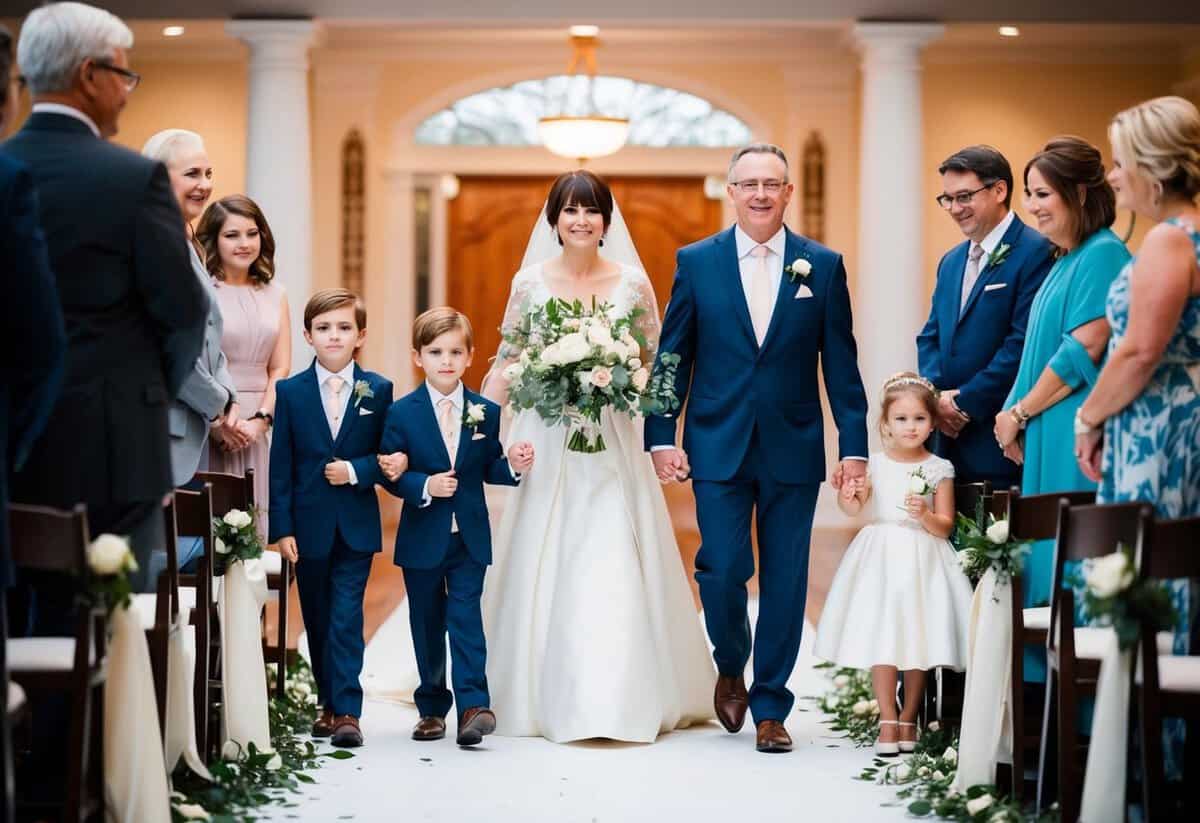
Family plays a vital part in the wedding processional. The sequence in which family members walk down the aisle holds deep meaning. It celebrates the union of two families and honors their roles in your life.
Importance of Parents in the Ceremony
The parents of both the bride and groom are fundamental to the processional. Traditionally, the groom’s mother walks down the aisle first, symbolizing the groom’s side of the family. Following her, the bride’s mother typically makes her entrance.
This order honors both families, showcasing their support and love for the couple. The father of the bride often escorts her down the aisle later, making that moment special. This structure highlights the respect and bond between families as they come together for your big day.
Grandparents’ Place in the Procession
Grandparents hold a cherished place in the procession. They are usually seated first, representing the family’s history and connection. Their presence is a reminder of love and tradition that can enhance the ceremony.
Often, the grandparents walk down the aisle before the parents. This approach honors their role in the family lineage and recognizes their contributions to your lives. Including them in the ceremony can add warmth and significance to the event. Your grandparents’ joy in this moment is truly unforgettable.
Wedding Processional Order
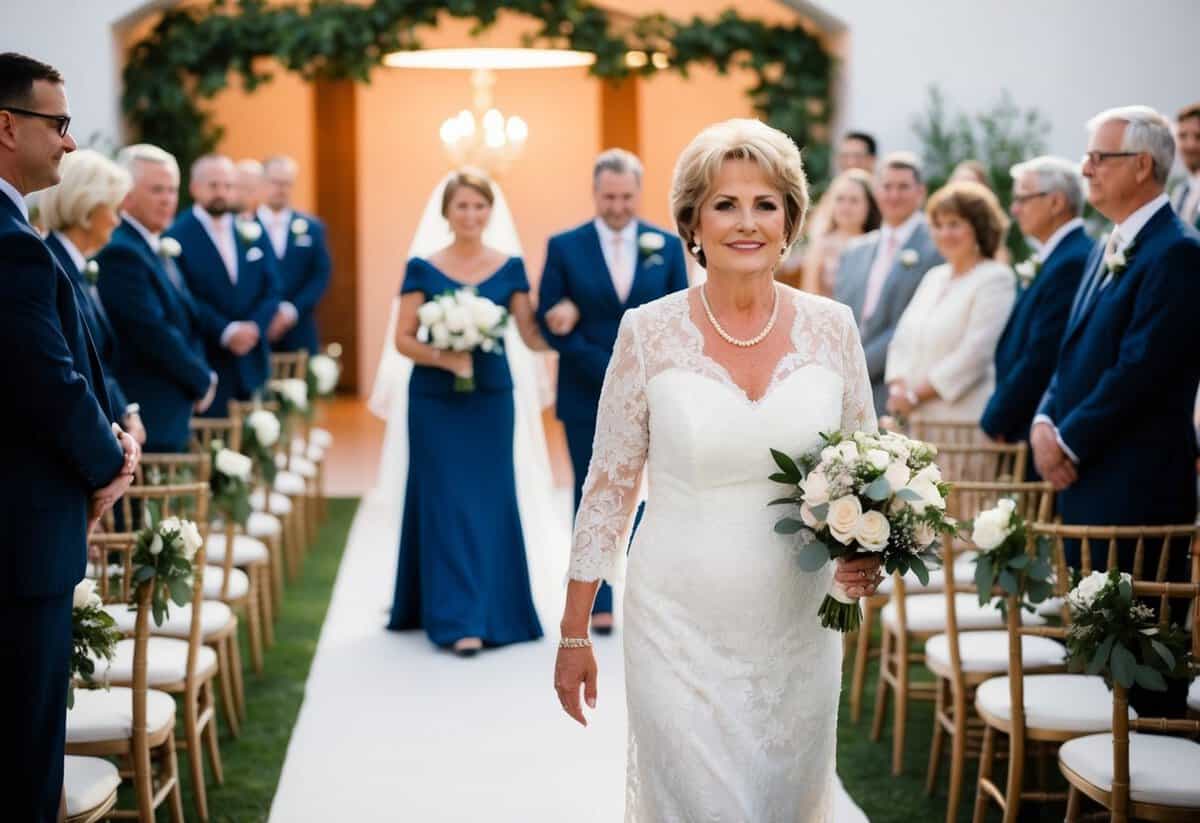
When planning your wedding, understanding the order of the processional can help ensure a smooth ceremony. This section covers traditional and modern approaches, different cultural variations, and a detailed guide to the ceremony procession.
Traditional Versus Modern Approaches
In a traditional wedding processional, the order is often quite strict. Usually, the groom’s mother walks down the aisle first, followed by the groom, best man, and then the wedding party. The bride traditionally enters last, escorted by her father. This format is common in Christian ceremonies.
Modern weddings might be more flexible. Couples often choose to personalize the order to reflect family dynamics or cultural influences. For example, some couples may have both sets of parents enter together or might want a friend to escort the bride. This approach allows for a more inclusive atmosphere.
Different Cultural Wedding Processional Orders
Cultural traditions play a significant role in determining who walks down the aisle first. Here are a few examples:
-
Jewish Wedding Processional Order: In Jewish ceremonies, the order varies. The groom’s parents walk down first, followed by the bride’s parents. The bride typically enters last, often to the tune of traditional music.
-
Hindu Wedding Processional Order: In Hindu weddings, the groom often enters first in a grand procession called the “baraat,” followed by the bride. The couple usually walks together after the initial entrances.
-
Nondenominational Wedding Processional Order: This can vary widely. You can choose your order, whether that’s having family members walk together or mixing in friends and children.
Detailed Ceremony Processional Guide
Here’s a quick guide to a typical processional order:
- Grandparents: Often start the procession.
- Parents: The groom’s mother walks first, followed by the bride’s mother.
- Ushers: They may lead guests to their seats.
- Wedding Party: The best man, bridesmaids, and groomsmen next.
- Flower Girl and Ring Bearer: Usually follow the wedding party.
- Bride and Father: The bride comes last, often creating a memorable moment as all eyes turn to her.
You might find a printable wedding processional order template helpful. It can guide you in organizing the sequence for your big day. Personalizing each detail ensures that your ceremony reflects your story.
Highlighting Key Participants
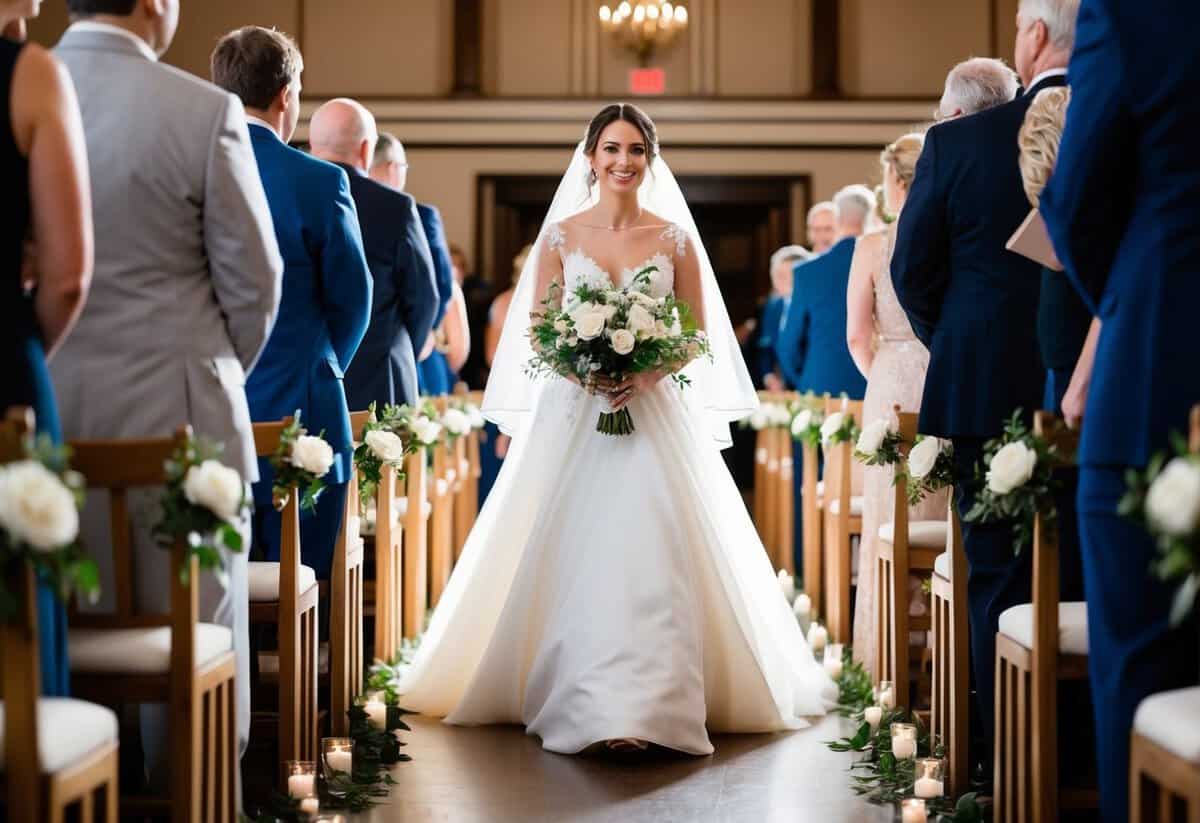
Weddings feature many important roles that contribute to the ceremony’s flow. Understanding who walks where and when can help you plan a smooth event.
Bridal Party Dynamics
Your bridal party plays a significant role in the wedding. The bride and her maid of honor often lead the group. Following her, the bridesmaids walk down the aisle, adding beauty and support.
On the groom’s side, he is usually accompanied by the best man and groomsmen. Together, they enhance the ceremony’s atmosphere.
The bride’s mother and groom’s parents play vital roles too. The mother of the bride typically walks down the aisle right before her daughter, symbolizing her support and blessing.
Children’s Roles: Flower Girl and Ring Bearer
Children can add a charming touch to your ceremony. The flower girl often walks down the aisle first, scattering flower petals along the way. This act symbolizes beauty and innocence, capturing everyone’s attention.
Next comes the ring bearer, who carries the wedding rings safely. They may walk alone or be accompanied by a page boy. While these roles are small, they bring significant joy and cuteness to your ceremony, creating lasting memories for you and your guests.
Notable Traditions and Emotional Highlights
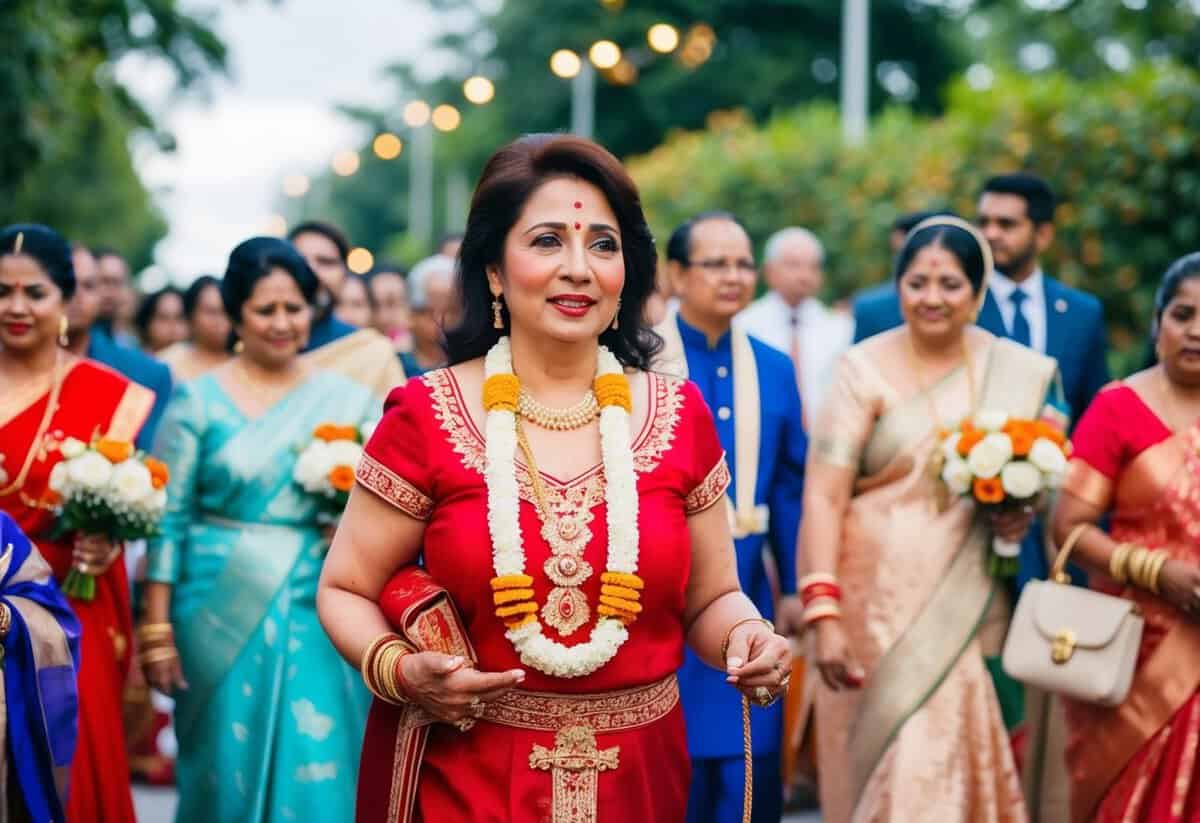
Weddings are filled with traditions and emotional moments. Understanding these aspects can deepen your appreciation of the ceremony. Here are some notable elements that often play significant roles during the procession.
Chuppah and Other Cultural Significance
In many Jewish weddings, the chuppah is a central symbol. It represents the couple’s new home together. This canopy is often held up by family or friends, adding a special touch to the ceremony.
In Hindu weddings, there are different customs, such as the Saat Phere, where the couple circles a sacred fire. Each circle represents an essential vow.
Both traditions emphasize community support and familial bonds. This creates a deeply emotional atmosphere as loved ones witness the union. It’s important to consider the cultural significance of these elements when planning your own ceremony.
Memorable Moments During the Procession
The order of events in a wedding is more than just a checklist. Each step carries emotional weight. The mother of the bride often walks down the aisle first, followed by the bride herself. This moment is special, bringing feelings of pride mixed with nostalgia.
As the music plays, it sets the tone for each arrival. Prelude music usually calms nerves and helps guests feel the occasion’s significance.
During this time, many share loving glances or tears of joy, making it memorable. The recessional is another highlight. This marks the couple’s new journey as partners. These moments are cherished and help shape the overall experience of the wedding.