
Which Mother Walks Down the Aisle First? Exploring Wedding Traditions
Deciding who walks down the aisle first can be a meaningful part of planning your wedding ceremony. Traditionally, the groom’s mother walks down the aisle before the bride’s mother. This order highlights the importance of both families while setting the tone for the wedding processional.
In modern weddings, you have the freedom to personalize the ceremony order. Whether you decide to follow tradition or create a new path, it’s important to think about what feels right for you and your families.
Many couples now include both mothers together or even have family members walk down in a different order that reflects their unique story.
As you prepare for your special day, understanding these options can help you create a processional that honors your loved ones. The ceremony is a celebration of love, and the way you choose to walk down the aisle should reflect that joy.
The Importance of Processional Order
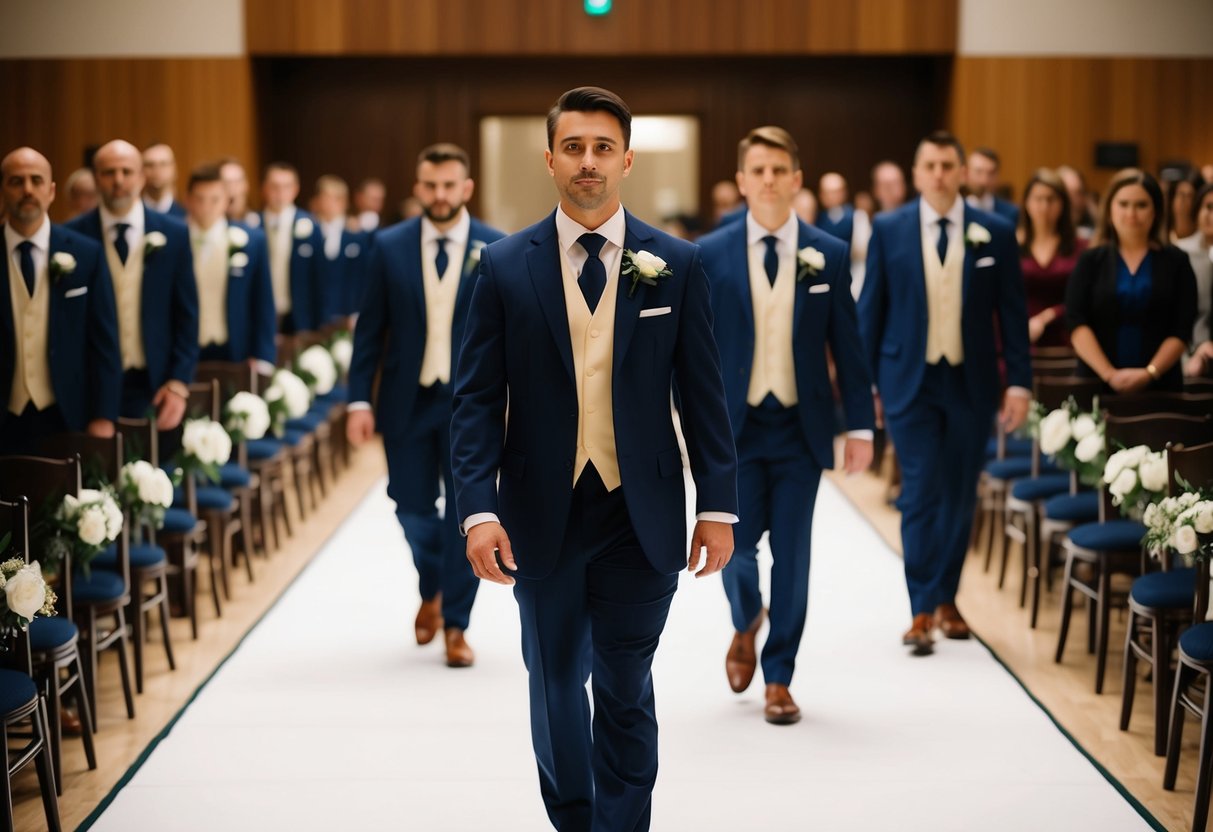
The order in which family members walk down the aisle during a wedding ceremony is important. It sets the tone for the event and honors family traditions. Knowing the processional order can help you avoid confusion and ensure everyone feels included.
Traditional vs. Modern Perspectives
In a traditional wedding ceremony, the groom’s mother usually walks down the aisle first, often followed by the bride’s mother. This order respects the groom’s family and highlights their role in the ceremony.
In modern weddings, couples sometimes change this order based on personal preference or family dynamics. Some might opt for a more inclusive approach, allowing both mothers to walk together. This shift reflects changing values and can make the ceremony feel more personal.
Implications for Family and Guests
The processional order affects how family members feel on the big day. When you follow traditional norms, it can bring a sense of respect and familiarity for older guests.
On the other hand, a modern approach may resonate with younger guests and create a more relaxed atmosphere. It encourages family unity and can highlight important relationships.
Roles of Key Participants
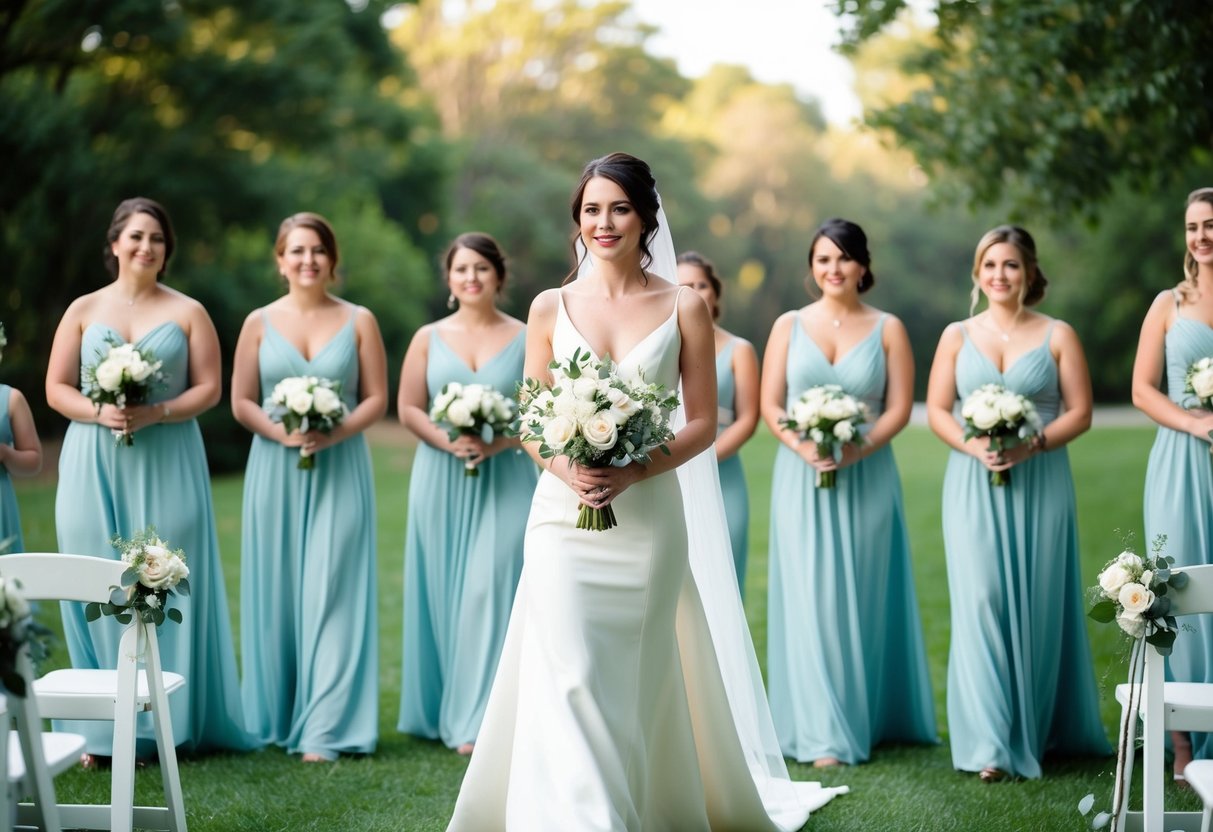
In a wedding ceremony, several key participants play important roles in the processional. Each person’s entrance helps to create a meaningful atmosphere as the celebration unfolds. Understanding who walks down the aisle and when can help you plan a memorable event.
Bride and Father of the Bride
The bride’s entrance is one of the most anticipated moments of the ceremony. Typically, she walks down the aisle with her father, symbolizing a significant transition in her life.
This moment highlights the bond between them, as the father gives his daughter away.
As they walk, the focus is often on the bride’s appearance and emotions. It is a time filled with joy, pride, and sometimes tears. The groom and guests turn to witness this beautiful moment. The bride’s entrance sets the tone for the rest of the ceremony, making it emotional and memorable for everyone involved.
Mother of the Bride
The mother of the bride has a vital role in the processional. Traditionally, she walks down the aisle right after the groom’s mother. Her entrance symbolizes her support for the bride and her family’s involvement in the ceremony.
During the processional, she can be escorted by an usher or the groom. This moment is not just about walking; it’s also about showcasing love and support as her daughter steps into a new chapter. The mother’s presence signifies the importance of family and the celebration of love and unity.
Mother of the Groom
The mother of the groom typically walks down first in the processional, usually right after the grandparents. Her role is to represent the groom’s side of the family and show support for her son as he marries.
She may walk alone or be escorted by her son, emphasizing their close bond. The mother of the groom helps set the mood by greeting guests and being involved in the ceremony. This moment shows the blending of two families and the importance of both parents in this significant occasion.
Officiant’s Entrance
The officiant is another key player in the processional. They typically walk down the aisle at the start of the ceremony, signaling that the event is about to begin.
This moment helps gather attention and creates a sense of anticipation among guests.
As the officiant takes their place at the altar, it sets the stage for the couple’s vows and declarations. The officiant serves as the guiding force throughout the ceremony, ensuring that everything runs smoothly. Their entrance marks the official start of the wedding celebrations, laying the foundation for the moments to come.
Specific Ceremony Traditions
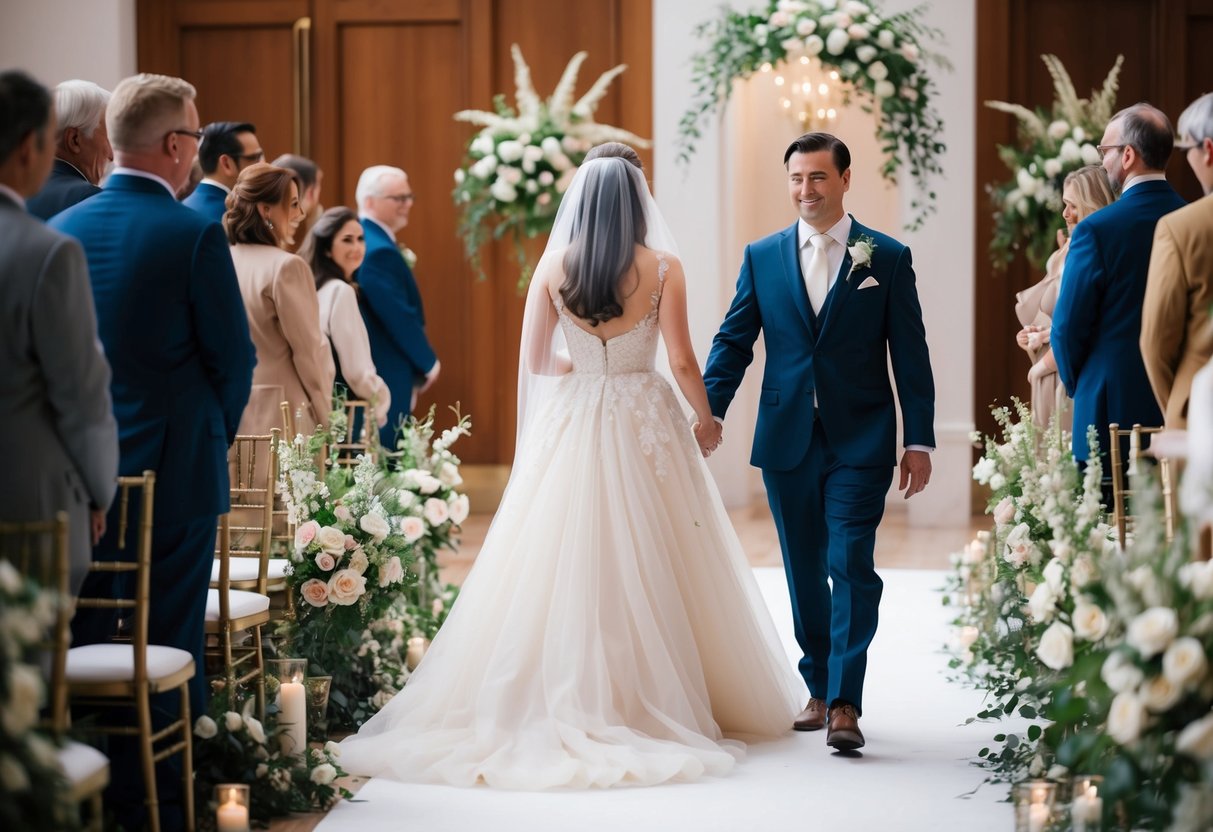
Different wedding ceremonies around the world have unique processes for who walks down the aisle first. Understanding these traditions can help you decide how to incorporate them into your special day.
Christian Wedding Processes
In many Christian weddings, the bride’s mother is traditionally the first to walk down the aisle. She is usually escorted by an usher or family member.
Following her, the groom’s parents come down together. After them, the bridesmaids and groomsmen make their way to the altar. This order not only honors the parents but also sets the stage for the bride’s big entrance at the end, where she typically walks in with her father.
Jewish Wedding Processes
In Jewish weddings, the order of procession often includes both sets of parents walking down the aisle before the bride.
The groom walks with his parents first. Then, the bride’s parents accompany her. Often, the couple stands under a chuppah, which symbolizes the home they will build together. This processional honors family ties and tradition, highlighting the importance of community and support in the marriage.
Hindu Wedding Processes
Hindu weddings have rich traditions when it comes to the aisle processional. Often, the groom arrives first with his parents and family in a lively procession called a baraat.
After the groom, the bride follows, usually escorted by her mother and father. This tradition emphasizes the couple’s families uniting and showcases their cultural heritage. The bride often wears vibrant colors and intricate designs, making the moment visually stunning.
Nondenominational Processes
Nondenominational weddings offer flexibility in procession order. Couples can decide who walks first based on personal preference rather than strict tradition.
Some may choose to have both mothers walk together, or even include siblings or close friends. The lack of set rules allows you to create a more personalized and meaningful experience. This approach often reflects the couple’s values and commitment to their unique journey.
Creating Your Processional Order
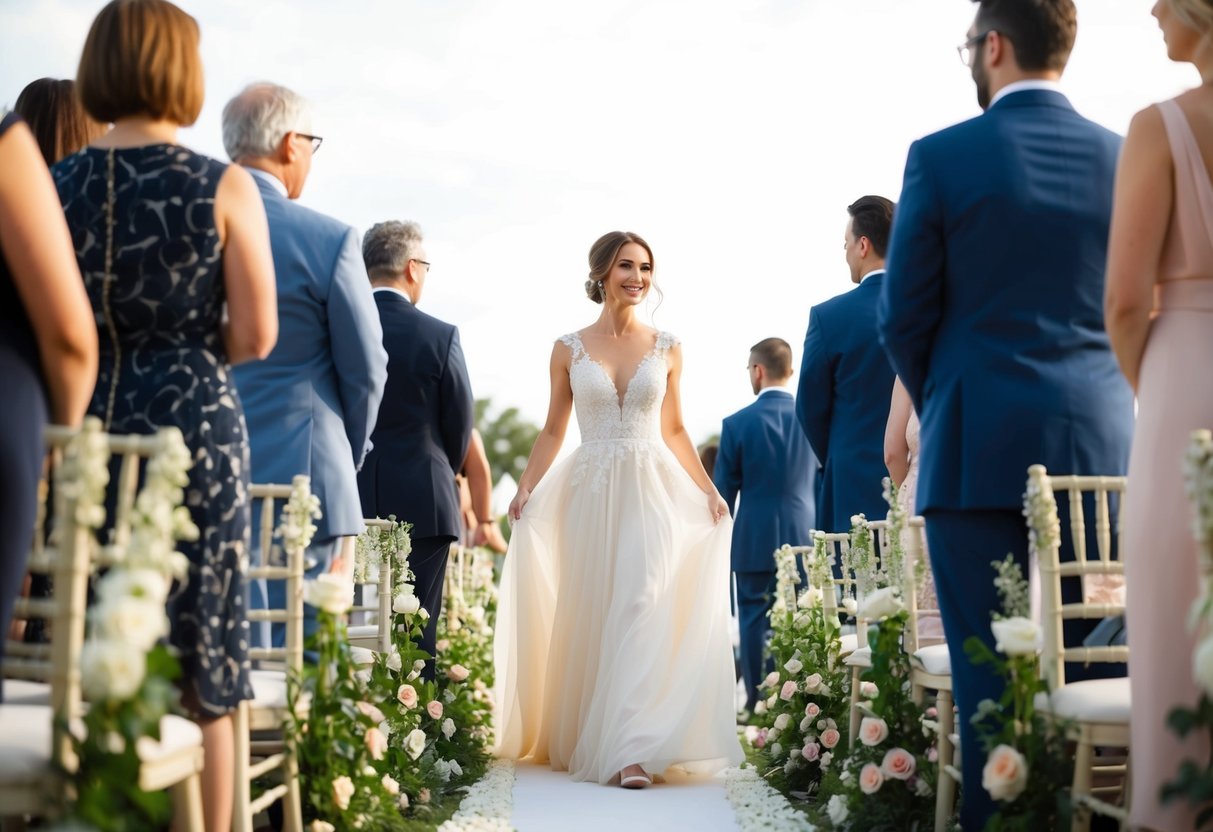
Deciding who walks down the aisle and in what order is a big part of planning your wedding. This choice shapes the moment’s meaning and can add to the emotional atmosphere of the ceremony.
Determining the Right Order for You
Start by thinking about which family members you’d like to feature prominently in your processional.
A common tradition is for the groom’s parents to walk first, followed by the bride’s parents. This honors both sides equally.
Next, consider the bridal party. Typically, the best man and maid of honor walk down later, often right before the bride. You might also want to include special roles for siblings or close friends.
Remember that this is your day. Feel free to mix traditions with personal touches. You can even let LGBTQ+ relationships shape the order if desired. Laying out a clear plan can help create those emotional moments you will cherish.
Utilizing a Printable Template
You can simplify your planning by using a printable wedding processional order template. These templates often provide a clear format to fill in names and roles. This can make the process less overwhelming.
List all relevant participants, such as family members and friends, especially those you want in the wedding party.
This organized approach lets you visualize the flow of your ceremony. It also helps ensure no important family members are overlooked.
Keep this template handy as a reference in the days leading up to your wedding. With this tool, you will feel more prepared to walk down the aisle without worry.