
Which Side Do the Brides’ Family Sit? A Guide to Wedding Seating Arrangements
When it comes to wedding seating arrangements, a common question arises: the bride’s family typically sits on the left side of the aisle. This tradition helps to create a clear visual distinction between the two families and adds to the ceremony’s balance. Understanding this setup can ease any confusion for guests and family alike.
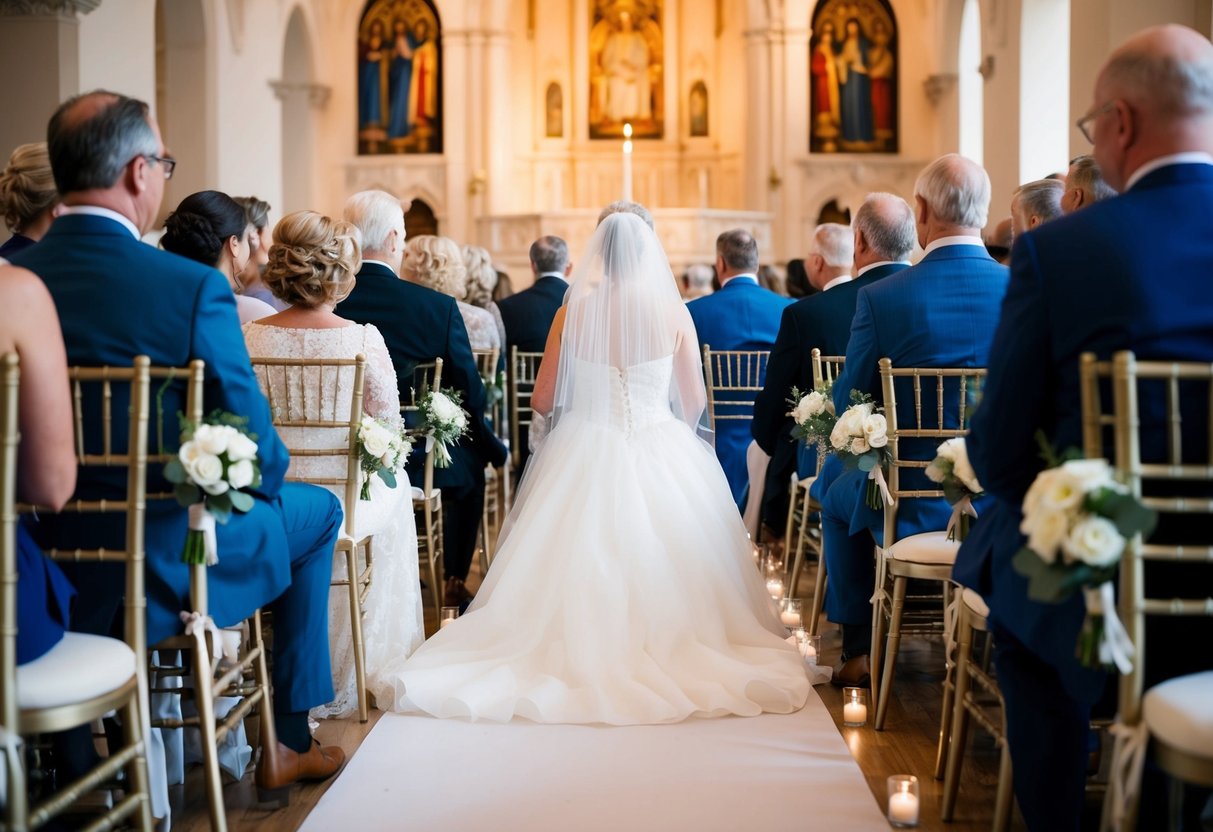
Traditionally, the groom’s family occupies the right side. This seating arrangement has been followed in many cultures, helping guests know where to sit. Understanding these customs can enhance your experience. It’s a simple detail that contributes to the overall harmony of the event.
Understanding Wedding Ceremony Seating Basics
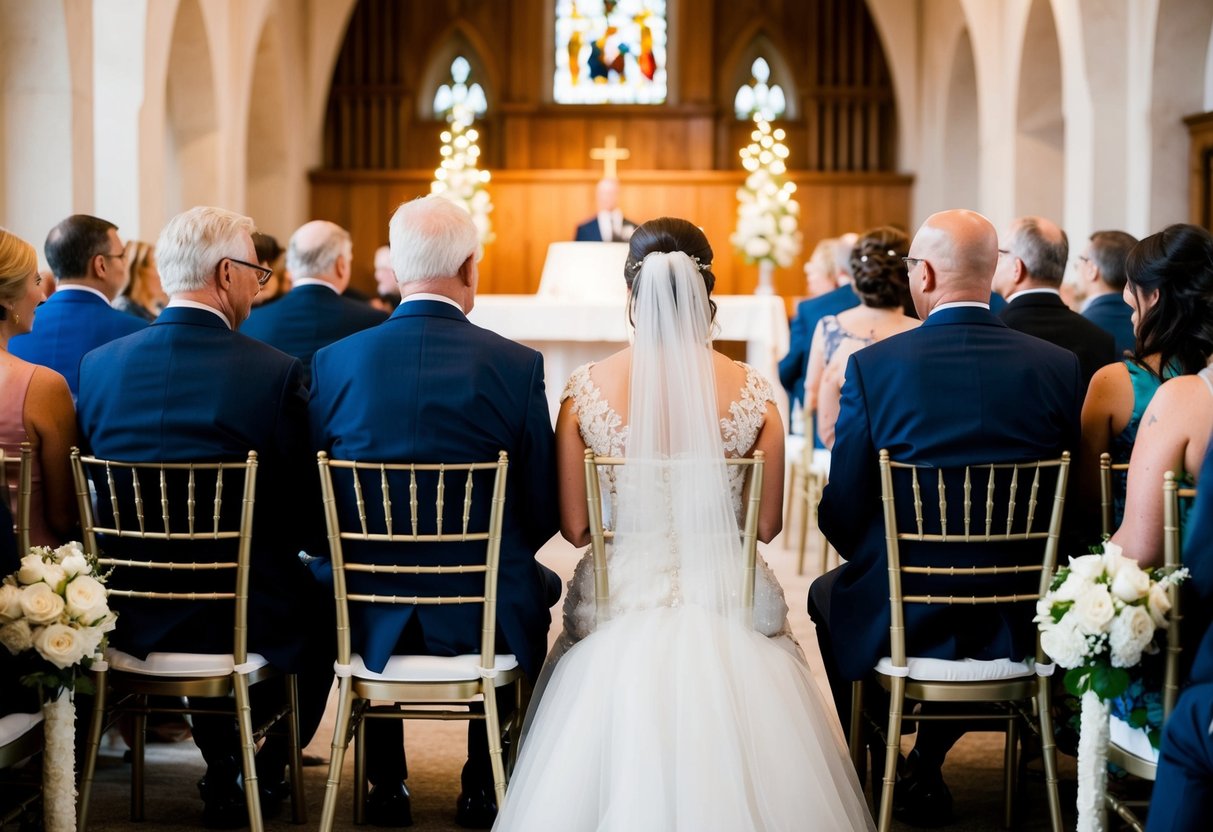
Knowing how to arrange seating for a wedding ceremony is essential for a smooth experience. The seating typically reflects family dynamics and wedding traditions. You may want to consider the roles of ushers as they can help guide guests to their assigned seats.
Determining Seating Sides
At many weddings, the bride’s family sits on the left side of the aisle, while the groom’s family sits on the right. This arrangement is rooted in tradition and symbolizes support for each family.
In Christian ceremonies, this setup is quite common. For Jewish weddings, things can be a bit different. For instance, guests might not sit by sides but rather in separate sections for men and women.
You should also communicate your seating preferences to your guests. Sending out clear invitations can help avoid confusion. Some couples create a seating chart to guide guests. Doing this can make everyone feel more welcome and relaxed.
Roles of Ushers in Seating
Ushers play a vital role in the wedding ceremony. Their main job is to greet guests as they arrive. They also guide them to their designated seats according to the seating arrangement.
It’s helpful for ushers to know the layout of the venue well. This allows them to direct guests quickly and avoid bottlenecks near the entrance.
Make sure to provide ushers with a list of family dynamics or special seating needs. This can include guests who need assistance or those who should sit together.
By preparing your ushers in advance, you ensure a seamless experience for everyone involved. This way, you can focus on enjoying the ceremony!
Seating Arrangements in Different Cultures
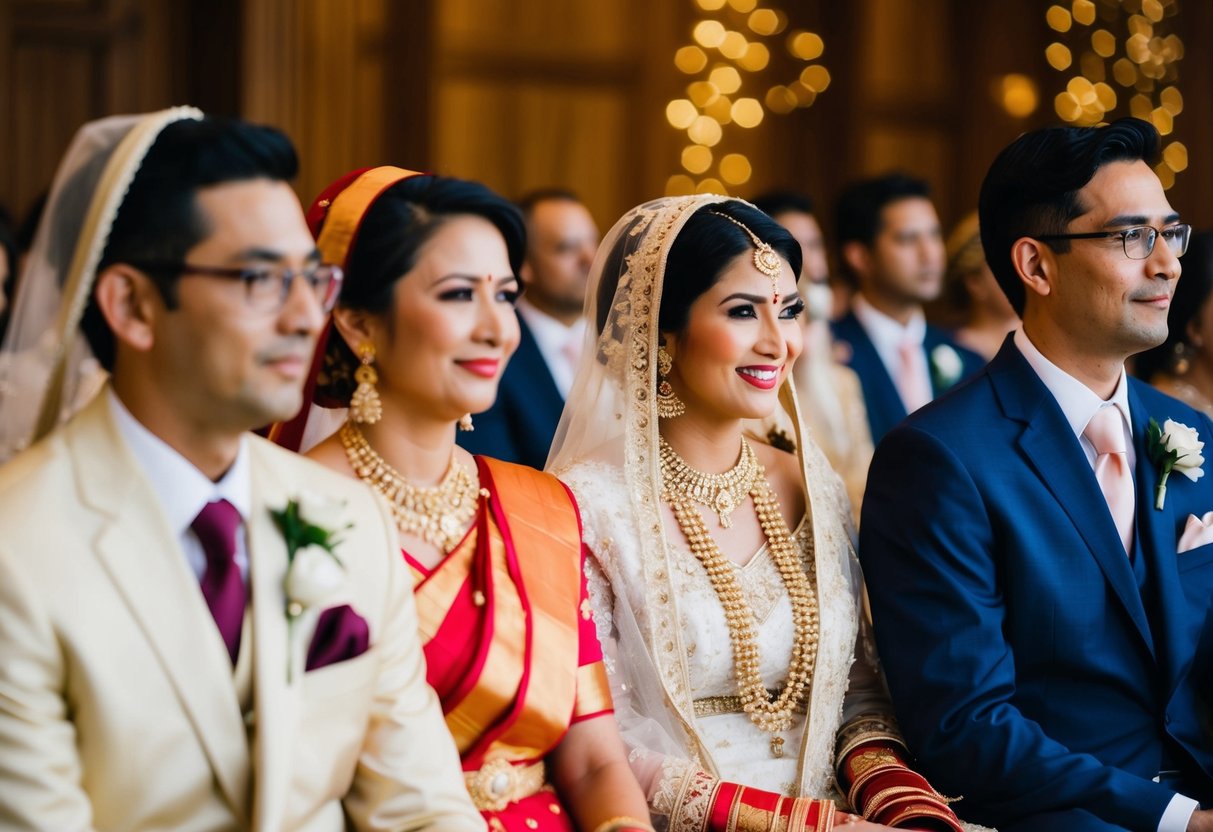
Seating arrangements at weddings vary by culture and can convey important traditions. Understanding these customs helps you respect the differences in practices during ceremonies.
Christian Wedding Seating Etiquette
In traditional Christian weddings, seating is typically organized to distinguish between the bride’s and groom’s families. The bride’s side usually sits on the left when facing the altar, while the groom’s side occupies the right.
This arrangement fosters a visual balance during the ceremony. Close family members, such as parents and grandparents, are given priority seating. Friends often sit behind them. It’s also common for the bridal party to be positioned near the altar, adding to the sense of unity for the bride’s family.
If you want to incorporate personal touches, consider adding special seating for important guests, like a grandparent or close friend. This can help emphasize the importance of family in your celebration.
Jewish Wedding Seating Customs
Jewish wedding seating customs vary based on the type of ceremony. Generally, at Jewish weddings, the groom’s side sits on the left and the bride’s side on the right when facing the altar. This setup creates two distinct sides, highlighting family ties.
In Orthodox Jewish weddings, seating works differently. Guests are not separated by sides; instead, men and women typically sit separately throughout both the ceremony and reception. This tradition is rooted in religious customs, emphasizing respect and adherence to faith.
If you’re attending a Jewish wedding, knowing these specifics makes your presence more respectful and informed. Always check with the couple or their families about any adjustments to the seating plan based on their traditions.
Adapting Seating for Same-Sex Marriage Ceremonies
Same-sex marriage ceremonies often adopt seating arrangements that reflect the couple’s unique style and personal relationships. In this case, there might not be strict guidelines about which side each family sits on.
You may choose to have both families sit together, promoting unity. Alternatively, you can assign seats based on relationships, allowing friends and family to be seated where they feel most comfortable.
Including traditional elements can enhance the ceremony, but personalizing the seating can create a more inclusive atmosphere. As always, clear communication with your guests about seating expectations can lead to a more harmonious event.
Seating During the Wedding Reception
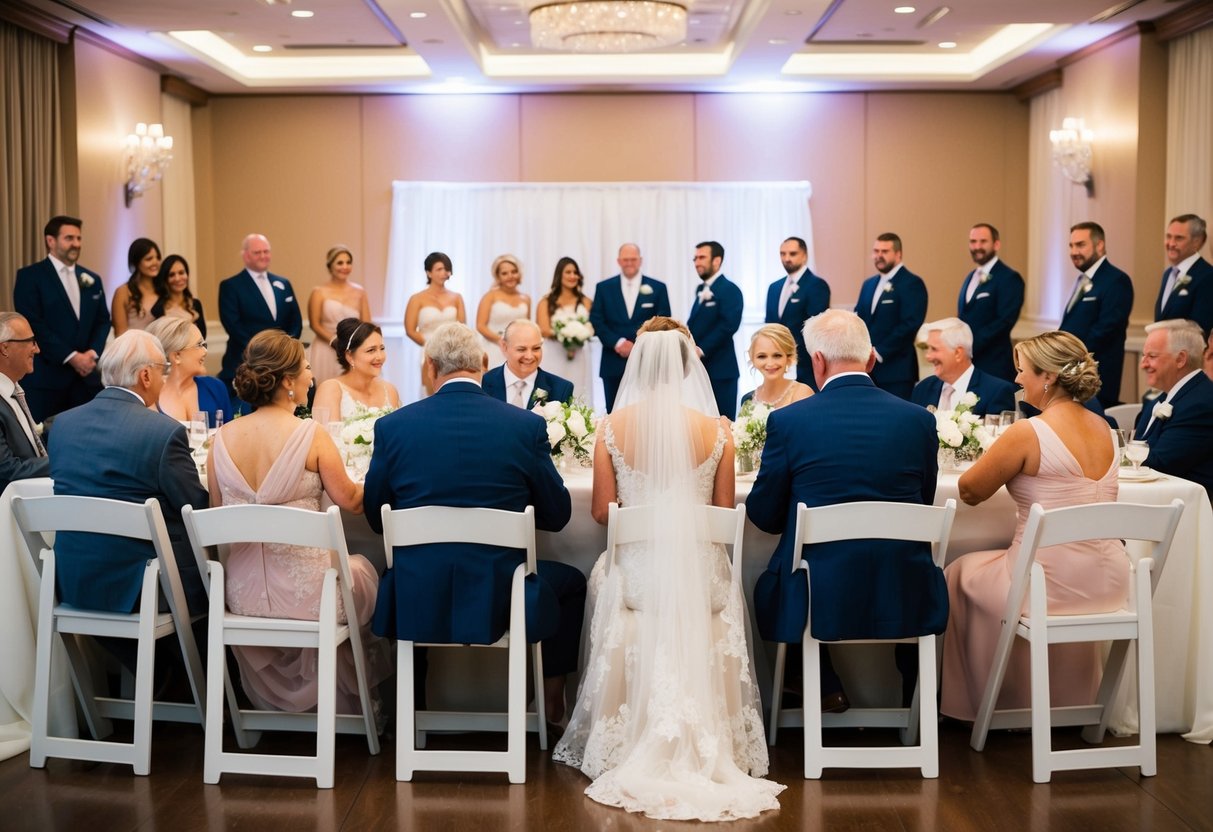
At the wedding reception, seating arrangements play a big role in the flow of the event. You’ll want to ensure that family and friends are seated to encourage conversation and connection. Understanding options for head tables and sweetheart tables can enhance the experience for you and your guests.
Head Table Arrangement
The head table is traditionally where you and your wedding party sit. This table is often located at the front of the reception area, allowing for a great view of the celebration.
You might choose to have the following arrangement:
- You and your partner
- Bridesmaids and groomsmen
- Parents or close family members
This setup can help acknowledge those who are closest to you during the ceremony. Make sure to arrange the seating so that it encourages interaction, allowing everyone to feel included in your special day.
Sweetheart or Bridal Table Options
If you prefer a more intimate setting, a sweetheart table could be the perfect choice. This is a small table just for you and your partner, often placed in a way that allows you to see everyone while enjoying a private moment together.
- Personalized décor can enhance this table, making it a special focal point.
- Seating for family nearby can keep them connected while still giving you a cozy space.
Whether you choose a head table or a sweetheart table, think about what will make you both feel comfortable and celebrated at your reception. Your seating choices will help set the tone for a joyful celebration.
Roles and Responsibilities of the Wedding Party
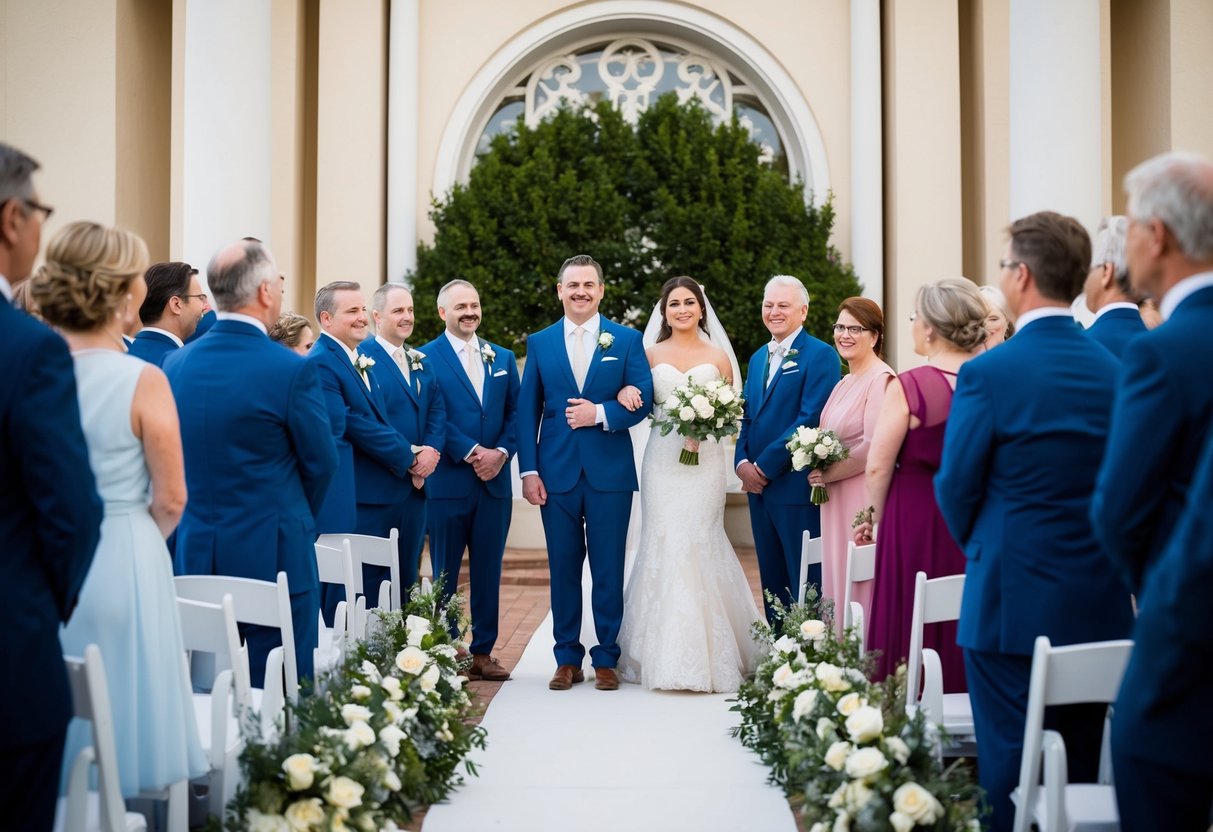
The wedding party plays a significant role in ensuring the day goes smoothly. Each member has specific duties that help support the couple throughout the planning and on the big day.
Duties of the Best Man and Maid of Honor
The Best Man and Maid of Honor have essential tasks. The Best Man often helps with organizing the bachelor party, and keeps the groom calm. He might also hold the rings during the ceremony and give a toast at the reception.
The Maid of Honor has similar responsibilities. She helps the bride with planning and may organize the bridal shower. During the ceremony, she may adjust the bride’s veil and hold her bouquet. Both roles require strong communication and teamwork, especially during rehearsal and when addressing final details. For same-sex couples, these roles can be adapted and assigned to friends or family members, ensuring everyone feels included.
Importance of Rehearsal for Seating
Rehearsing the ceremony is crucial for smooth seating arrangements. This practice helps everyone understand their roles, ensuring the day unfolds without a hitch.
You can outline where family members will sit, especially when dealing with unique family dynamics.
During the rehearsal, all wedding party members should know where they will stand and how guests will be seated. This helps avoid confusion on the wedding day.
It’s a great chance for you to clarify expectations and address any questions. Having a plan in place creates a relaxed atmosphere, allowing everyone to enjoy your special day.
Planning ahead will make the ceremony flow effortlessly. Taking the time to rehearse ensures that both sides of the family can celebrate together harmoniously.