
Who Are Normally the Ushers at a Wedding? Understanding Their Roles and Responsibilities
When planning a wedding, you’re likely focused on many details, but one key role you won’t want to overlook is the usher. Ushers typically are friends or family of the couple, often around the same age as the groom. They play an important part in ensuring your big day runs smoothly, from seating guests to helping with any last-minute needs.

Choosing the right ushers can help set the tone for your wedding. These individuals are often seen as informal helpers who add a personal touch to your ceremony. With their friendly demeanor, they can make guests feel welcome and comfortable as they arrive.
Understanding who usually takes on the usher role can help you decide who would fit best for your wedding. Whether it’s the groom’s buddies or relatives, selecting ushers who reflect your style and values can enhance the spirit of your celebration.
Understanding the Role of Ushers in Weddings
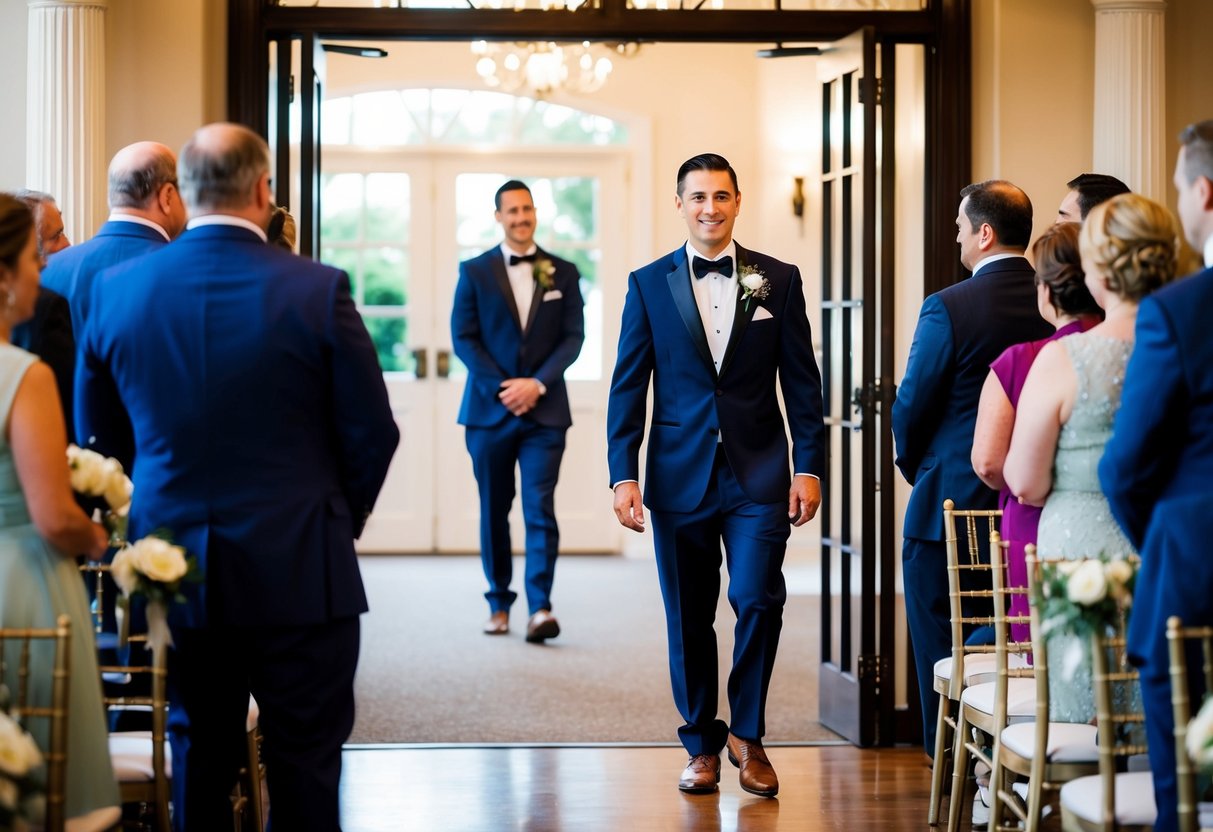
Ushers play a key part in weddings, ensuring everything runs smoothly. Their duties help create a welcoming atmosphere for guests and support the couple on their special day.
What Is an Usher?
An usher is typically a close friend or family member of the groom. Being chosen as an usher is an honor, as it means you are entrusted with important responsibilities. Your role is less prominent than that of the best man but still critical to the wedding’s success. Ushers can be male, female, or a mix, depending on the couple’s preferences. The groom usually selects ushers based on their relationship and maturity, ensuring that they are capable of carrying out their duties.
Duties of an Usher
As an usher, you have several key responsibilities. First, you will greet guests at the entrance and help them find their seats. This task is important in creating a warm welcome.
You’ll also provide programs or any additional information guests might need.
During the ceremony, you assist in ensuring that everything stays organized. This includes guiding attendees, especially during the processional and recessional. You might also direct guests to the reception area afterward.
Being attentive to guests’ needs is vital. If anyone requires assistance or has questions, your role allows you to help them feel comfortable.
Planning and Coordination
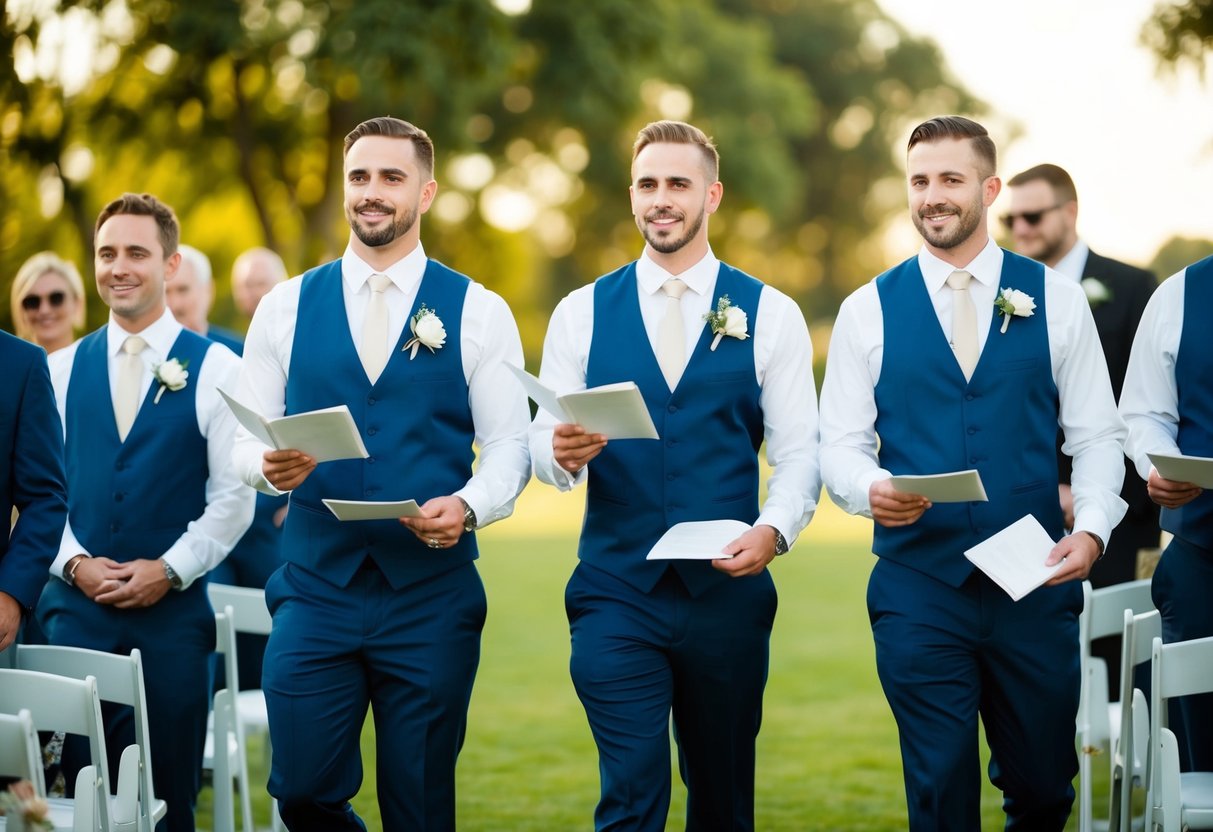
Proper planning and coordination are essential for having successful ushers at your wedding. This involves selecting the right people, training them, and ensuring smooth communication throughout the event. Here’s how to approach these key areas.
Selecting Ushers
Choosing ushers is an important step in your wedding planning. Typically, you want to select a few close friends or family members.
General guidelines:
- Number of Ushers: Most couples choose between 2 to 6 ushers, depending on the guest list size.
- Friendship and Affinity: Select people who can work well together and have a good rapport.
- Responsibilities: Explain their tasks clearly, which may include seating guests and distributing programs.
Considering these factors helps you create a comfortable atmosphere for everyone on your special day.
Usher Training
Once you have selected your ushers, it’s time for some training. This step ensures they know what to do leading up to and during the ceremony.
Training can include:
- Reviewing Responsibilities: Have a meeting to discuss their duties, like greeting guests.
- Understanding the Venue: Familiarize ushers with the layout, including where to direct guests for seating.
- Dress Code: Ensure they know how to dress appropriately, matching the wedding’s formality.
Even a brief training session can make a big difference in how smoothly things run.
Communication and Ceremony Logistics
Effective communication is crucial for your ushers to perform well. Establishing clear lines of interaction helps everything run smoothly.
Key points to focus on:
- Regular Check-ins: Ensure ushers stay in touch with each other and wedding planners throughout the day.
- Logistics Planning: Discuss event timing, including when to start seating and coordinating with the officiant.
- Problem-solving: Let ushers know whom to approach if issues arise, such as guest questions or delays.
Preparation in these areas ensures your ceremony proceeds without a hitch.
Executing Usher Duties on the Wedding Day
As an usher, your role is crucial in creating a warm and organized atmosphere during the wedding. You will greet and seat guests while also managing special situations that might arise throughout the day. Here’s what you need to focus on.
Greeting and Seating Guests
When guests arrive, a warm greeting makes a great first impression. As an usher, stand at the entrance with a smile. A simple “Welcome!” or “We’re so glad you’re here!” sets a friendly tone.
Check the guest list to ensure everyone is accounted for. Offer to help guests find their way. If they need guidance, leading them to their seats will help things flow smoothly.
Seating guests often involves managing reserved seating. If there are specific seats set aside for family or special guests, politely guide everyone accordingly. This creates a respectful environment honoring the couple’s wishes.
Make sure to escort elderly family members and grandparents to their seats for added comfort. Your attention to detail enhances the experience for all.
Handling Special Roles and Situations
Sometimes, unique situations arise on the wedding day. You may need to handle late arrivals, for instance. If guests arrive after the ceremony has started, quietly guide them to designated areas where they can wait until a suitable time to join.
Be attentive to guests who may have special needs. Assisting those with mobility issues or other requirements helps them enjoy the day too. Always stay flexible and ready to help.
You might also need to escort guests who are unfamiliar with the venue to restrooms or other areas. Creating a positive experience not only helps the couple but also makes everyone feel welcome and included.
Alternatives and Modern Usher Roles
Traditionally, ushers at weddings are usually male, but modern weddings welcome diverse roles. You might find female ushers and new responsibilities that fit the couple’s style.
Female Ushers and Usherettes
In today’s weddings, female ushers, also known as usherettes, are becoming common. They can be friends or family of the couple, bringing a personal touch. Their role is just as important as their male counterparts.
These usherettes can help with various tasks. They might help guests find their seats, distribute ceremony programs, or assist with the gift table. Having both male and female ushers allows for a more inclusive atmosphere, making everyone feel welcomed.
Innovative Usher Responsibilities
Modern ushers often take on additional tasks beyond their traditional roles. They may help with parking coordination to ensure guests can find a spot easily. This extra help adds to a smooth experience for everyone.
You might also find ushers handling the coat check, making the ceremony more comfortable. Some couples even ask ushers to distribute programs and provide information about the schedule. By expanding their duties, ushers contribute more to the event, enhancing guest experience and ease.