
Who Cannot Be a Witness at a Wedding? Understanding Legal and Personal Restrictions
When planning your wedding, you might wonder about the role of witnesses in the ceremony. Not everyone can serve as a witness for your marriage license. Certain individuals are excluded from this important role, making it essential to know the requirements before the big day.
Typically, witnesses must be at least 18 years old, but there are restrictions based on legal capacity. For example, people who are not mentally competent or those who are involved in the marriage in any way, such as the officiant, cannot be witnesses. Understanding who cannot fulfill this role can help ensure your wedding proceeds smoothly and your marriage certificate is valid.
Choosing the right witnesses is crucial, as they will sign the marriage license, confirming that your wedding ceremony took place. Make sure to select adults who understand their role and are truly there to support you on your special day.
Eligibility Requirements for Witnesses

When selecting witnesses for a wedding, it’s crucial to know the specific eligibility requirements. This ensures a smooth ceremony and that the marriage is legally recognized. Below are key factors to keep in mind regarding who can serve as a witness.
Age Requirement
Most states require witnesses to be at least 18 years old. This age limit ensures that the witness has the legal capacity to understand the responsibilities they are assuming. Some states may allow younger witnesses, but often require parental permission.
If you’re considering a younger witness, check your state’s laws. It’s essential to clarify this before your wedding day. Having adults as witnesses can simplify the process.
Witness Signature
Witnesses must sign the marriage license for the union to be legally binding. This signature confirms that they were present during the ceremony and can attest to its authenticity.
In many states, the witness needs to write their name clearly and may also need to provide contact information. Make sure your witnesses know to bring a valid form of ID, as some states might require it to verify their identity.
Number of Witnesses Required
The number of required witnesses varies by state. Here’s a quick look at some options:
- No witnesses needed: States like Hawaii and Vermont do not require any witnesses.
- One witness: States such as Iowa only need one witness over the age of 18.
- Two witnesses: In states like Texas, two witnesses are needed to validate the marriage.
It’s crucial to know your state’s specific requirements ahead of time. Clarifying this can help avoid any last-minute surprises on your wedding day.
Roles and Responsibilities of a Witness
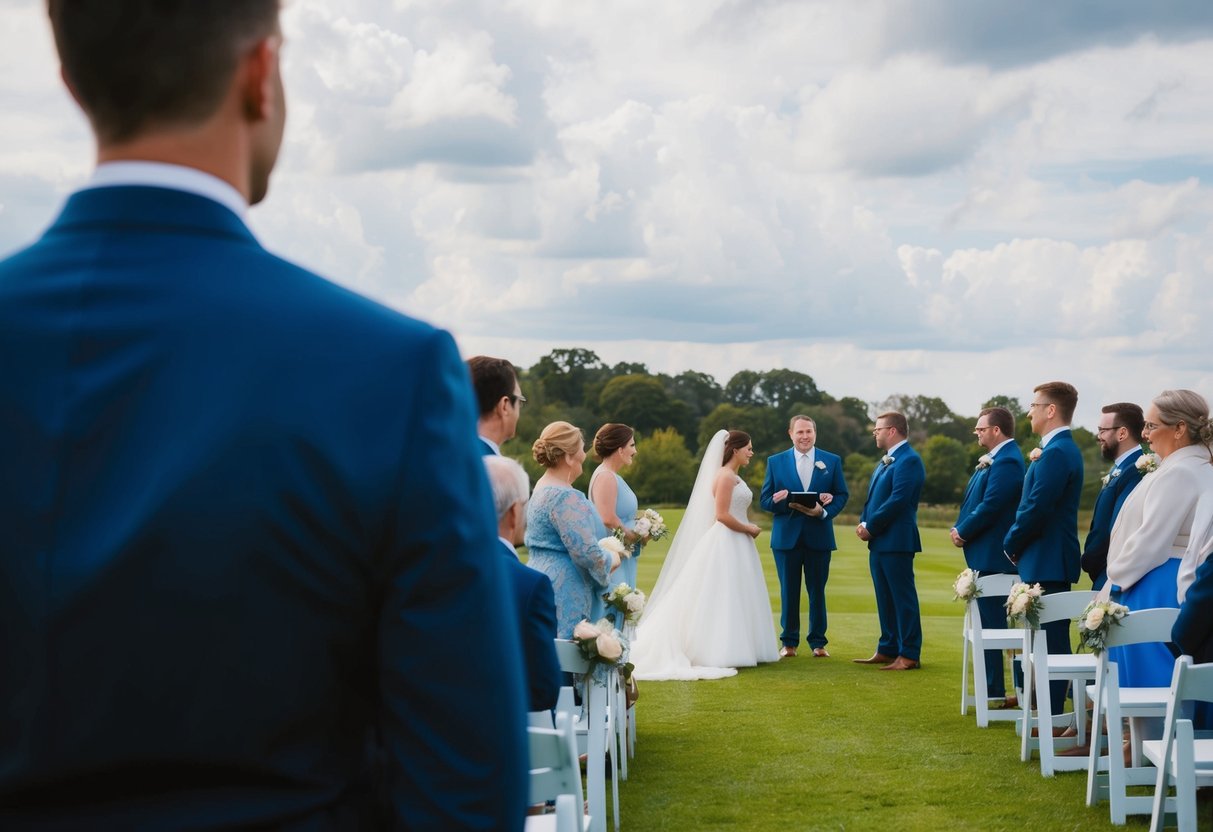
Being a wedding witness is an important role that comes with specific tasks. Your responsibilities include being present at the ceremony and assisting in the marriage license process. Here’s what you need to know about your duties.
At the Wedding Ceremony
As a witness, your primary duty is to be present during the wedding ceremony. Your role is not just to observe but to actively participate in the experience. You should arrive on time and stay throughout the event.
You will likely need to sign the marriage license after the couple exchanges vows. Your signature serves as legal proof that you witnessed the ceremony. Make sure you understand what is happening during the ceremony. This helps ensure you can support the couple in their new journey.
During the Marriage License Process
When it comes to the marriage license, your role includes signing the document. This is crucial for the legal recognition of the marriage. You will need to provide some basic information, such as your name and address.
Be aware that there are different types of marriage licenses. A public marriage license is open for public viewing, while a confidential marriage license is not. Ensure you know which one the couple has chosen, as this could affect your responsibilities during signing. Your support in this process is vital for the couple’s legal union.
Potential Disqualifications for Witnesses
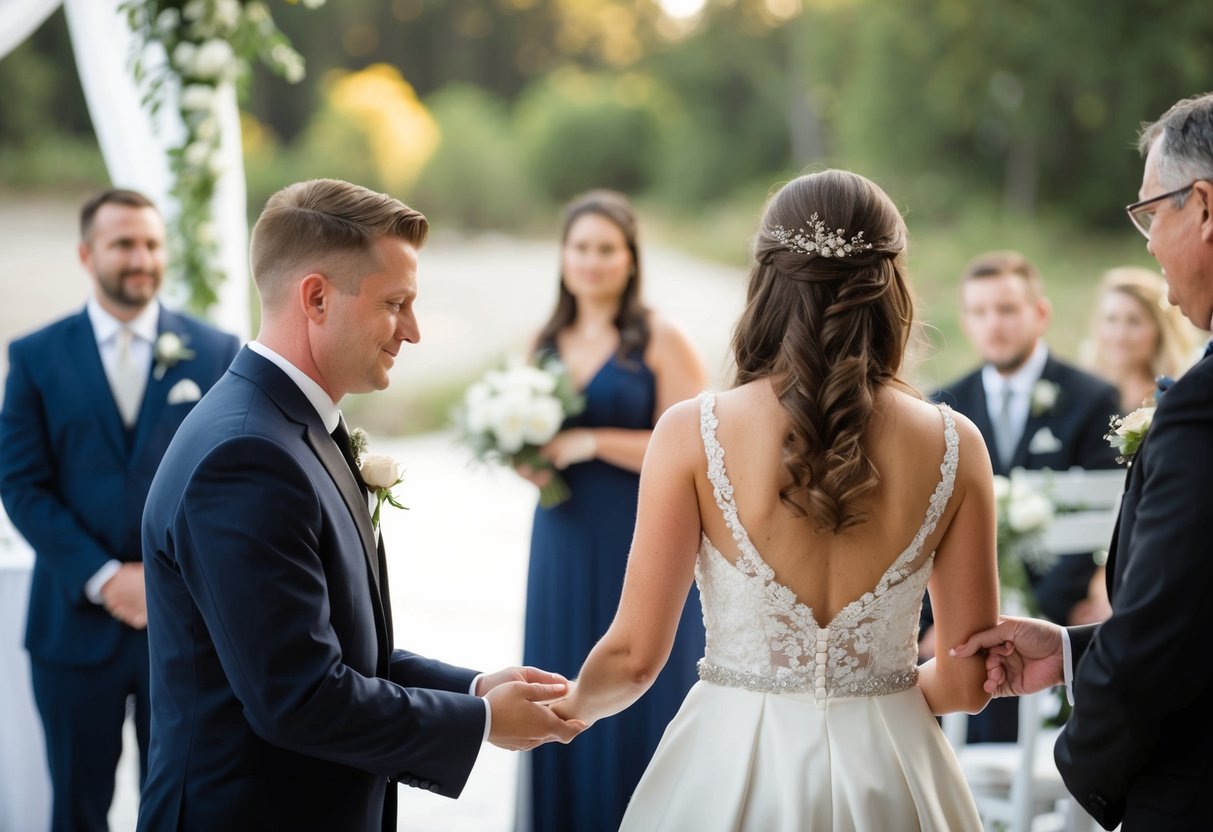
When choosing witnesses for a wedding, there are important factors to consider that could disqualify someone. These factors can include personal relationships and specific legal limitations. Understanding these potential disqualifications can help you select the right witnesses.
Family Member Concerns
Having a family member as a witness might seem like a natural choice. However, there can be concerns. Family dynamics can introduce biases. For instance, if a family member has a vested interest in the wedding’s outcome, their testimony could be viewed as less reliable.
It’s also important to note that family conflicts or estrangements could affect the witnesses’ objectivity. If emotions run high during the ceremony, you want witnesses who remain neutral and supportive.
Choosing someone close can be special, but it’s crucial you select a family member who can keep things impartial. This approach ensures that the wedding ceremony remains a joyful occasion.
Legal Limitations
Certain legal restrictions can prevent someone from serving as a witness. Many jurisdictions require witnesses to be of legal age, typically 18 or older. If someone is underage, they cannot sign the marriage license, which is essential for the wedding’s legality.
Individuals who cannot understand the nature of the ceremony may also be disqualified. This includes those who are mentally incapacitated or do not speak the same language as the couple.
Lastly, anyone who has a conflict of interest, such as being a party of the marriage or having a previous legal issue related to marriage, may also be disqualified. Always check your local laws to make sure your chosen witnesses meet all necessary requirements.