
Who Can’t Be a Witness at a Wedding? Understanding the Rules and Restrictions
When planning a wedding, choosing the right witnesses is an important task. You might wonder if someone you know can step up for this role. Certain people, like those who are underage or unable to understand the ceremony, cannot act as witnesses for your marriage.

Understanding who can’t be a witness helps you avoid any last-minute surprises. For instance, many states require witnesses to be at least 18 years old, ensuring they can legally confirm the wedding event.
Knowing these details allows you to select guests who fulfill this requirement, keeping your wedding day smooth and stress-free.
Choosing the right witnesses contributes to your marriage license and fulfills legal obligations during the ceremony. If you’re unsure about any specific rules in your state, it’s worth checking local regulations to ensure your chosen witnesses meet all necessary criteria.
Legal Requirements for Witnesses

When planning your wedding, understanding the legal requirements for witnesses is essential. Different states have specific rules about who can and cannot serve as a witness. Here are the most important points to know.
Qualifications of a Wedding Witness
To be a wedding witness, the most common requirement is age. Most states require witnesses to be at least 18 years old. Some states might allow younger witnesses if they are accompanied by an adult.
It’s important that your witness is not closely related to either spouse. Typically, a witness should not be a parent, sibling, or child of the couple. This helps ensure the witness can remain impartial.
A witness should also be able to communicate clearly. This is essential for signing the marriage license. They may need to show identification to confirm their age and identity.
Number of Witnesses Required
The number of witnesses needed can vary by state. Here’s a quick breakdown:
- No witnesses required: States like Florida, Hawaii, and Illinois do not require any witnesses at all.
- One witness required: Iowa states that couples need at least one witness who is at least 18 years old.
- Two witnesses required: Some states like Utah and Kansas require two witnesses to be present during the ceremony.
Knowing how many witnesses you need helps you plan better for your special day. Be sure to check the specific rules in your state to avoid any last-minute issues.
Roles and Responsibilities of Witnesses
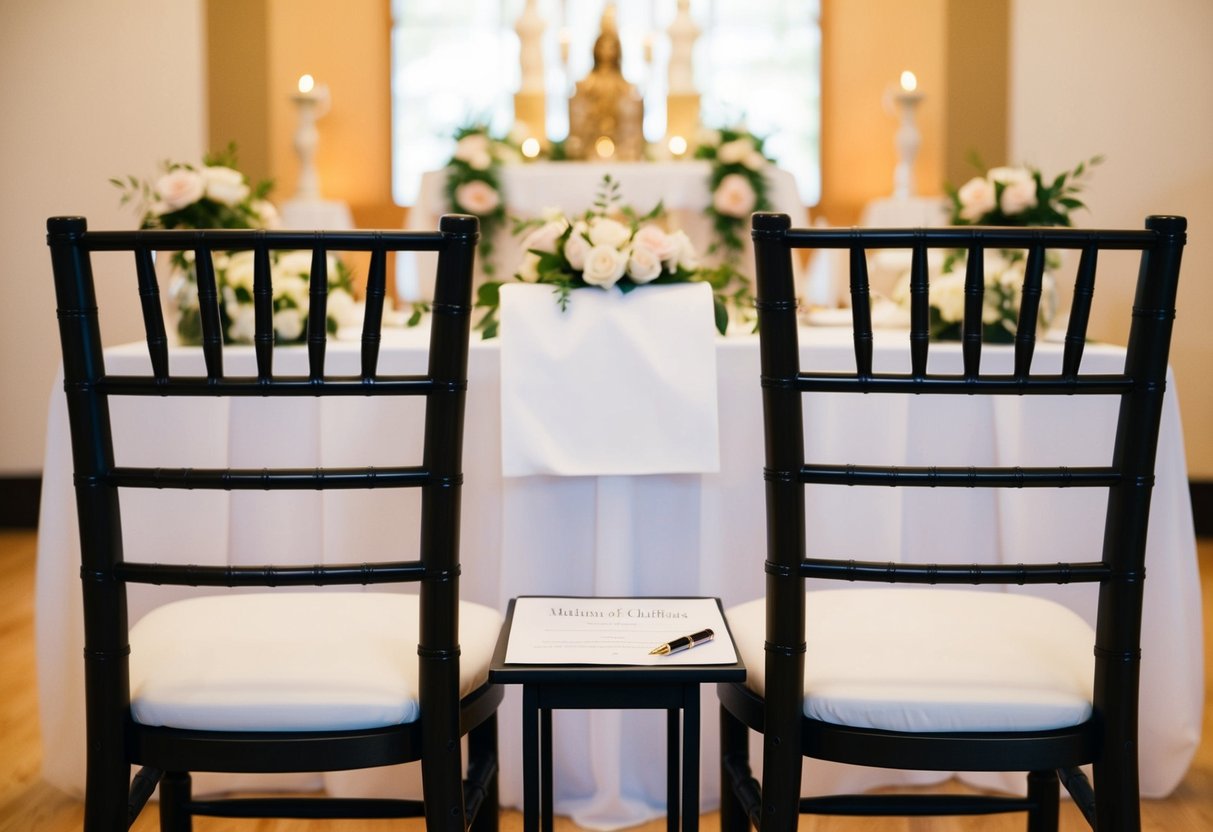
Witnesses play an important part in your wedding. They help make sure everything is done properly during the ceremony and share in the special moments of your big day.
During the Ceremony
As a witness, your presence is crucial. You are there to observe the ceremony and confirm that it follows legal standards.
Your role includes standing by the couple and showing your support. This can be as simple as smiling or nodding during important vows.
Being a witness means you also ensure that all necessary legalities are met. For example, some states require a witness to be of a certain age. So, it’s wise to check local laws ahead of time.
Additionally, you may need to answer questions if local regulations call for it. Being attentive and respectful during the ceremony helps create a joyful atmosphere.
Signing the Marriage Certificate
After the ceremony, your next big responsibility comes into play: signing the marriage certificate. This document is key because it proves that the marriage took place.
Your signature shows you witnessed the vows and affirm the couple’s commitment. Make sure you sign clearly and legibly.
It’s essential to check if your state requires more than one witness. Some places need at least two to make it valid.
After signing, you should also ensure that the couple knows where to file the certificate. Protecting this document helps secure their legal marriage status. Your role as a witness is not just a formality; it holds legal weight.
Special Cases in Witnessing a Marriage

There are unique scenarios that can affect who can serve as a witness at a wedding. Two key situations include self-solemnization and the role of online ordained individuals. Understanding these can help you navigate your options for your special day.
Self-Solemnization and Elopements
Self-solemnization allows couples to marry without needing a witness or officiant. This is allowed in states like Colorado and Pennsylvania. In these cases, the couple completes the marriage without the need for someone else to validate it.
This setup is often popular among those who choose to elope. You can focus on your love without concerning yourself with formalities. However, it’s essential to check local laws, as this option isn’t available everywhere.
Online Ordination of Witnesses
Many couples wonder if they can have an online ordained individual act as their witness. The rules differ by state. In some places, a witness must be a physical person present at the ceremony and usually a local citizen.
While you can often have online ordained officiants for the ceremony, having them as a witness may not always be allowed. Be sure to verify the regulations in your state to avoid issues on your wedding day.
Choosing the Right Witness for Your Wedding

Choosing the right witness for your marriage ceremony is important. This person will sign the marriage license and support you on your big day.
When selecting a witness, consider the following qualities:
- Trustworthiness: You want someone reliable.
- Supportive nature: They should be excited about your wedding.
- Good communication skills: They’ll need to understand their role.
For a small wedding, you might want a close friend or family member. This helps create a personal touch. If your guest list is limited, picking someone meaningful can make the day special.
Keep in mind that some people cannot serve as witnesses. Generally, minors (those under 18) may not be eligible. If your witness is not fluent in your wedding’s language, it might create confusion during the ceremony.
Consider asking someone who is familiar with the wedding process. This can lead to a smoother experience.
When you approach your chosen witness, make it personal. Explain why you want them to be a part of your ceremony. You can say something like, “Your support means a lot to me, and I would love for you to be my witness.”
This way, they’ll understand the significance of their role. Picking the right witness can enhance your marriage ceremony and create lasting memories.